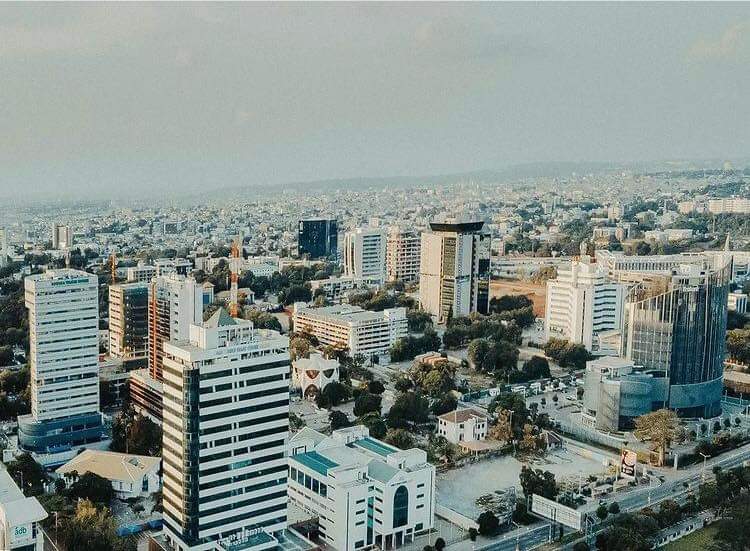
Accra
Ghana’s Electric Capital of Culture
Accra doesn't announce itself like other African capitals. No dramatic skyline or famous landmarks greeting you at the airport. Instead, Ghana's diplomatic hub reveals itself slowly — through the smell of kelewele frying on street corners, the sound of highlife music spilling from Osu bars, and the sight of suited diplomats sharing lunch counters with fishermen in Jamestown. This is Africa's diplomatic capital, where ancient Ga traditions survive alongside continental ambitions, and where you'll find some of West Africa's best food tucked away in neighborhoods most visitors never see.
Best Months
JAN · FEB · MAR · OCT · NOV · DEC
~32°C · moderate crowds
Culture & Context
AFROBEATS BIRTHPLACE
Accra runs on two things: hospitality and noise. The Ga people founded this city and their influence is everywhere, from the fishing harbor in Jamestown to the Homowo festival that shuts down central roads every May. But the city has long since outgrown its origins.
Walk ten minutes in any direction and you'll hear Twi, Ga, Ewe, Hausa, and English layered on top of each other at a market stall. This is West Africa's most accessible capital for first-time visitors, partly because English is the official language and widely spoken, and partly because Ghanaians are genuinely warm to strangers. Accra is also a significant hub for the African diaspora.
The "Year of Return" movement started here in 2019 and the energy never really left. Expect to meet returnees from the US, UK, and Canada who are building businesses, buying property, and figuring out how to park in East Legon. The city is deeply religious, dotted with churches and mosques.
Sunday mornings are legitimately loud. And here's the thing about Accra's creative scene: highlife music was born here, azonto dance invented here, and the Afrobeats wave that took over global playlists has deep roots in these streets. Clubs don't fill until midnight.
Parties run until dawn. That's not hype — that's the actual schedule.
Local Customs
GREETINGS ARE REQUIRED
Greetings are not optional. Taking time to say hello and ask about someone's wellbeing before any transaction — buying, asking directions, anything — is fundamental. Skipping it reads as rude, full stop..
Don't point at people or things with one finger. Use your whole hand or nod in the direction instead.. Eating with your left hand is considered disrespectful.
Keep that in mind at local restaurants and communal meals.. Ask before photographing anyone, especially in markets and religious spaces. People generally say yes, but asking matters..
Dress modestly when entering places of worship. A light scarf over your shoulders does the job.. Events run on 'Ghana time.
' Arriving 30–60 minutes after the stated start time puts you right in the middle of the action, not early. Plan accordingly.. Carry cash in small denominations.
GHS 5–50 notes are ideal for street food and market shopping. High-end restaurants accept cards consistently — almost nowhere else does reliably.. Smoking in public spaces including bars and markets is illegal.
You can face fines or police harassment for it.. Don't accept dollar pricing in markets or from taxis. Always pay in cedis at the cedi price.
Vendors sometimes quote dollars and convert at unfavorable rates daily — it adds up fast.. Sunday mornings are genuinely loud across the city due to churches. If you need quiet sleep, pack earplugs or book accordingly.
Safety
WATCH ROAD TRAFFIC
Accra is one of the safer capitals in West Africa, but that doesn't mean you switch your brain off. The biggest actual risk to tourists is road traffic, not crime. Road conditions outside major highways are poor, and drivers push their luck. Use Bolt or Uber within the city. For intercity travel, take a VIP or STC air-conditioned coach — safer than shared taxis by a significant margin. Avoid overnight road journeys.
Petty theft concentrates around Makola Market, Independence Square, and popular beaches like Labadi. Phone snatching by passing motorbikes is a real pattern — don't walk while looking at your phone on the roadside. Use a cross-body bag you can swing to your front in crowds.
The main tourist areas — Osu, East Legon, Cantonments, Labadi — are active until 4–5am during peak season and feel generally safe. Poorly lit side lanes in Osu after midnight deserve more awareness. Use Bolt or Uber after midnight.
Malaria prophylaxis is strongly recommended for all visitors regardless of trip length. Consult a travel clinic at least 4–6 weeks before departure. Yellow fever vaccination certificate is mandatory at the airport — keep it in your passport.
LGBTQ+ travelers: same-sex relationships are criminalized under Ghanaian law, and an anti-LGBTQ+ bill passed parliament in 2024 (legal status ongoing as of early 2026). Exercise significant discretion. Public displays of same-sex affection carry real legal risk.
For the northern border areas near Burkina Faso: US State Department maintains a Level 2 advisory. Avoid all areas within 25km of the northern borders with Burkina Faso and Côte d'Ivoire. This doesn't affect most tourist itineraries, which stay in Accra, Cape Coast, and Kumasi.
Card skimming is common across Ghana. Use cash when possible and monitor statements closely if you use a card. Emergency contacts: National Ambulance Service at 193; Tourist Police Unit inside Ghana Police HQ on Ring Road Central; Lister Hospital (Airport Hills) and Nyaho Clinic (Airport Residential) for 24hr private medical care.
Getting Around
BOLT & UBER
Kotoka International Airport (IATA: ACC) sits about 10km northeast of central Accra and is one of the most conveniently located major airports in Africa. Terminal 3, opened in 2018, handles all international flights.
From the airport: Official taxi fares to central Accra run GHS 70–120, taking 15–30 minutes depending on traffic. Bolt and Uber both work from designated pickup areas outside the terminal — often cheaper than official taxis. Many mid-range and high-end hotels offer airport shuttles; arrange in advance.
Within the city: Bolt and Uber are the most reliable and safest options for getting around. They double in price during major events, so walk 200m from the venue before requesting a ride. Tro-tros (shared minibuses) are very cheap — under $1.10 a trip — but not recommended for first-time visitors or anyone with luggage. They're crowded and driven fast.
Traffic is a genuine issue. People leave 3–5 hours early for work. Coming home can take 3 hours from certain parts of the city. Choosing accommodation near your main activity zone saves significant time and frustration.
Street taxis: Always negotiate the price before getting in. Never accept the first price quoted. Don't let the meter question come up — most don't use them. Pay in cedis only.
Ask your hotel if they have an in-house generator. Scheduled city power cuts can hit 12 hours a day in certain months, which affects everything including air conditioning.
Useful Phrases
Money-Saving Tips
- 1.ATMs are everywhere in central Accra but often run out of cash on weekends — withdraw money on weekdays
- 2.Bargain at markets but not in shops with price tags — you'll look foolish
- 3.Local chop bars charge 10-25 cedis ($0.80-2) for full meals while hotel restaurants start at 80 cedis
- 4.Taxis from the airport charge tourist prices — walk 200 meters to the main road for normal fares
- 5.Mobile money (MoMo) is widely accepted and often easier than carrying cash
- 6.Tip 10% at sit-down restaurants, nothing at street food stalls
Travel Tips
- •Yellow fever vaccination is required — carry your certificate or you won't enter the country
- •The harmattan winds from December-February create hazy conditions but comfortable temperatures
- •Power outages happen regularly — download offline maps and keep devices charged
- •Plastic bags are banned — bring a reusable bag for shopping
- •Learn basic Twi greetings — 'Akwaaba' (welcome) and 'Medaase' (thank you) go far
- •Friday afternoons see massive traffic jams as people head to weekend destinations