Luanda
Angola's Vibrant Capital of Contrasts and Culture
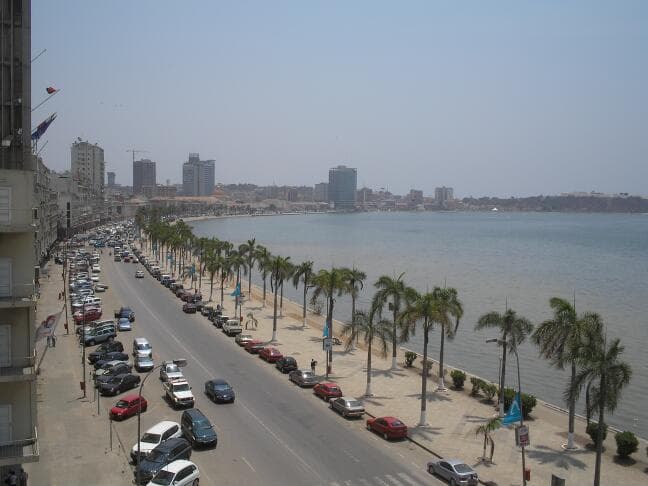
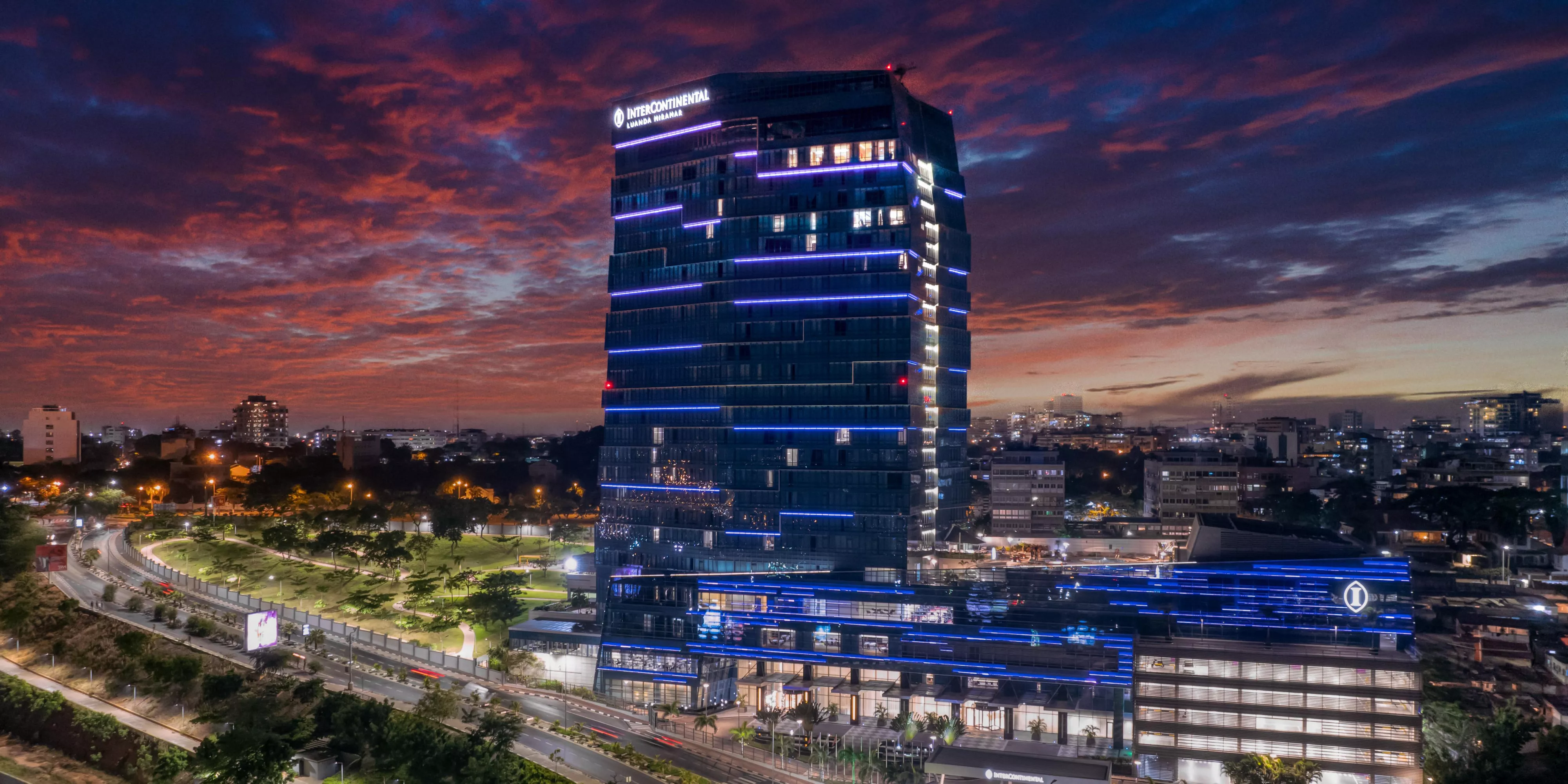
Luanda hits you like a wave of contradictions. One minute you're dodging potholes in a shared taxi, the next you're sipping champagne in a rooftop bar overlooking the Atlantic. This is Angola's capital—a city where Portuguese colonial mansions crumble next to gleaming oil company towers, where street vendors sell grilled fish beside luxury car dealerships.
Most travelers skip Luanda entirely, which is their loss. Sure, it's not easy. The infrastructure struggles, traffic jams stretch for hours, and everything costs more than it should. But stick around and you'll find a city rebuilding itself with remarkable energy. The music scene pulses with semba and kuduro beats. The food combines Portuguese techniques with African ingredients in ways that surprise you. And the people? They've got stories that'll keep you up all night.
This isn't a city for everyone. But if you're drawn to places where history still bleeds through the cracks, where you can witness a country writing its next chapter in real time, Luanda delivers something you won't find anywhere else.
Best Months
MAY – SEP
~25°C · high crowds
Culture & Context
OIL BOOM MEETS AFRICA
Luanda is Angola's capital and home to roughly 9 million people packed along the Atlantic coast. The city grew fast on oil money, and that history shows in everything from the gleaming towers downtown to the prices on the menu. Portuguese colonial bones are everywhere — cobblestones, faded pastel facades, the hulking Fortaleza de São Miguel up on the hill.
But Luanda is also deeply, proudly African. Kizomba and semba music spill out of cars and bars. Markets overflow with color.
Locals greet strangers warmly, and a handshake goes a long way. Here's the thing: Angolans speak Portuguese, not Spanish or French — 40-plus local languages (Kimbundu, Kikongo, Chokwe) run alongside it. English is scarce outside the big hotels.
The city is post-civil-war (peace came in 2002) and still rebuilding in visible ways, with construction cranes sharing the skyline with crumbling colonial architecture. Punctuality is a loose concept — if someone says an event starts at 8pm, plan for 9:30. And yes, the city is genuinely expensive.
The oil boom pushed Luanda onto "world's most expensive city" lists for years. It's normalized slightly, but costs still catch visitors off guard.
Local Customs
GREETINGS MATTER FIRST
Greetings matter. A lot. Shake hands with everyone in a group, make eye contact, and smile.
Skipping someone's greeting is considered rude.. Never photograph government buildings, military installations, or police. Seriously — cameras get confiscated and situations can escalate fast..
Ask before photographing individuals in markets or on the street. Most people don't mind if you ask first.. When invited to someone's home, bring a small gift — fruit or drinks are both appropriate.
Wait for the host to start eating before you touch your food.. Eating with your right hand is customary. It's a small thing but locals notice..
If offered food or drink, decline politely once, then accept on the second offer. That's the rhythm of hospitality here.. Events, meetups, and even some official gatherings start late.
Factor in 60–90 minutes of buffer on any stated time.. Dress modestly at churches and religious sites. Luanda has a strong Catholic presence and people take it seriously..
Support local businesses where you can. Buying from street vendors and local markets is appreciated and keeps money in the right hands.. Yellow fever vaccination is mandatory for entry — bring your international certificate.
You will be checked.
Safety
WATCH YOUR BELONGINGS
The US State Department rates Angola at Level 2 (Exercise Increased Caution) as of March 2026. Petty theft, pickpocketing, and bag snatching are common in crowded markets, bus stations, and near the airport. Muggings and armed robbery happen, especially after dark in poorly lit or isolated areas.
The advice locals and expats repeat: don't walk alone at night, don't wear jewelry or carry a visible camera, don't drive after dark. Use Uber or pre-arranged hotel transfers instead of unmarked taxis. Carjackings at traffic lights do occur, so keep windows up in slow traffic.
Neighborhoods to be cautious in at night include Sambizanga, Cazenga, and Viana. Stick to Talatona, Alvalade, Miramar, and Ilha do Cabo for safer movement. Watch for scams: fake police officers asking for fines, taxi drivers quoting inflated fares, and currency exchange tricks on the street.
Always count your kwanzas carefully before handing over foreign currency. On the health side, malaria transmission is high nationwide — take prophylaxis and use strong repellent after dark. Tap water is not safe to drink anywhere in the city; stick to sealed bottled water.
Yellow fever vaccination is mandatory for entry. Private clinics in Luanda (Clínica Girassol in Alvalade, Luanda Medical Center in Maianga) offer decent care, but medical evacuation insurance is strongly recommended, as serious conditions often require a flight to South Africa or Portugal. LGBTQ+ travelers should be aware that Angola's legal and social environment remains very conservative — public displays of affection between same-sex couples carry real risk.
Getting Around
UBER OVER MINIBUSES
Luanda is served by Quatro de Fevereiro International Airport (LAD), with direct flights from Lisbon, Paris, Johannesburg, and Addis Ababa. TAAG Angola Airlines, TAP Portugal, and Ethiopian Airlines are the main carriers. From the airport, pre-book a hotel transfer or use Uber.
Do not get into an unofficial taxi outside arrivals. Within the city, candongueiro minibuses — battered, loud, and usually full — are the local standard at about $0.50 per ride.
They're cheap but chaotic, and crowded buses are prime pickpocket territory. Uber operates in Luanda and is far more reliable. Short rides run $2–8; always confirm the price in the app before accepting.
For negotiated taxis, agree on the fare before you get in — there are no meters. For a local SIM card, go with Unitel. It has the best coverage in the city and out into the countryside.
Bring your passport to register — it's required. Data packages are affordable and activate instantly. Traffic in Luanda is genuinely brutal, especially during morning and evening rush hours.
What looks like a 3km trip on a map can take 45 minutes. Build extra time into any plan that requires being somewhere on time.
Useful Phrases
Where to Stay in Luanda
1 recommended properties
Money-Saving Tips
- 1.Bring US dollars in cash - many hotels and restaurants prefer dollars over kwanzas, and ATMs frequently run empty
- 2.Negotiate taxi fares before getting in - meters don't exist and drivers quote tourist prices that can be 3x normal rates
- 3.Shop at Refriango or Kero supermarkets for groceries - hotel minibar prices are criminally expensive, even by Luanda standards
- 4.Eat lunch at local restaurants instead of dinner - same food, half the price, and you avoid the evening markup
- 5.Book accommodations well in advance - last-minute hotel rates can double, especially during oil industry conference seasons
Travel Tips
- •Get your yellow fever vaccination certificate - it's mandatory for entry and they check at the airport
- •Download offline maps before arriving - mobile data is expensive and GPS coverage has gaps in many neighborhoods
- •Pack lightweight, breathable clothes - humidity hits you like a wall even during dry season
- •Bring a good flashlight - power outages happen regularly, even in upscale hotels
- •Learn basic Portuguese phrases - English works in hotels but nowhere else, and locals appreciate the effort