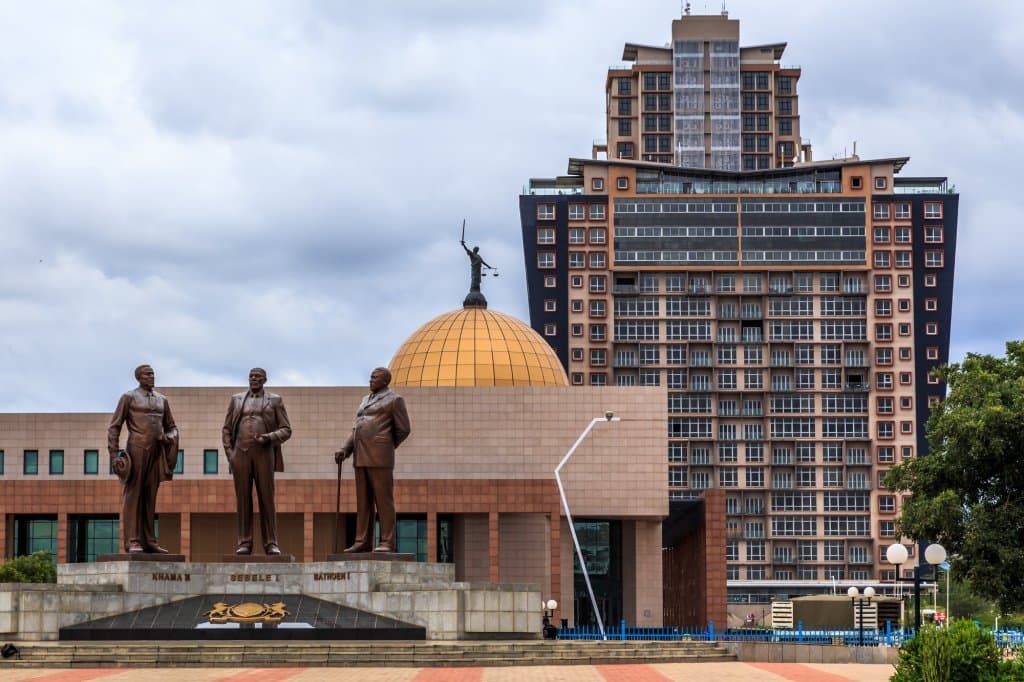
Gaborone
Botswana's modern capital at the Kalahari's edge
Most people skip Gaborone on their way to the Okavango Delta. Big mistake. Botswana's capital sits where modern Africa collides with ancient wilderness, and the result is surprisingly compelling. You'll find craft breweries next to traditional markets, diamond-funded museums beside acacia trees, and some of the continent's best game viewing just 20 minutes from downtown. Here's the thing — Gaborone doesn't try to be Cape Town or Nairobi. It's confident in its own skin, offering something rarer than luxury lodges: authenticity without the tourist markup.
Best Months
APR – SEP
~25°C · moderate crowds
Culture & Context
NO HURRY IN BOTSWANA
Gaborone is a young capital — it only became a city after Botswana's independence in 1966 — and it shows. The downtown is functional, low-rise, and built around the Main Mall area and Government Enclave rather than around any ancient center. Diamond money shaped a lot of this city, and you can feel that in the contrast between gleaming malls like Riverwalk and Game City, and the quieter, dustier residential blocks nearby.
Setswana is the national language and the one locals use with each other, but pretty much everyone in Gabs speaks English fluently. Don't expect big-city energy. The famous local saying — "There's no hurry in Botswana" — is real.
Batswana are polite and kind, but they're not performatively friendly in the American sense. Quiet, even-keeled, and genuine. If you come in loud and bouncy, you might feel like you're broadcasting on the wrong frequency.
Give it a few days and the rhythm makes sense. Things run on their own timetable here. Factor that into any plans.
Local Customs
GREET FIRST ALWAYS
Greet everyone — shopkeepers, taxi drivers, hotel staff — before launching into what you want. Skipping the greeting reads as rude. A simple 'Dumela' goes a long way..
Use your right hand when giving or receiving anything, including money and business cards. Handing something over with your left hand is considered disrespectful.. Don't rush meals.
Eating quickly at a shared table signals that you'd rather be somewhere else. Take your time and engage.. Tipping isn't mandatory but around 10% in restaurants is appreciated if the service was good.
Don't feel pressured if the service wasn't.. Dress modestly, especially outside the central business district and in villages. Shorts and sleeveless tops are fine in malls and hotels, but cover up more in rural areas..
Ask before photographing people. Always. Some will say yes happily; others won't want to be on camera — respect that without making it awkward..
Don't discuss politics or local government without reading the room first. Botswana is stable and peaceful, but opinions on leaders can run strong among locals.. Same-sex relationships were decriminalized in 2021, but social attitudes outside Gaborone remain conservative.
The city itself is generally more accepting than rural areas.
Safety
WATCH YOUR BELONGINGS
Gaborone is one of the safer African capitals and violent crime against tourists is genuinely rare. But petty theft is real. Pickpocketing and bag snatching happen, particularly in crowded areas around Main Mall and at busy transport hubs.
Don't flash expensive gear, keep your phone in your pocket on busy streets, and avoid ATMs after dark — especially alone. Kgale Hill hiking trail has had repeated mugging incidents, so go with a group or a local guide rather than solo. The same applies to the Gaborone Dam area after dark.
Vehicle break-ins are a known issue. Never leave valuables visible inside a parked car, and keep windows up and doors locked at traffic lights — smash-and-grabs at traffic lights do happen. Watch out for anyone posing as a plainclothes police officer asking to inspect your wallet for "counterfeit currency.
" Don't hand over your passport or wallet; suggest walking to the nearest official police station instead. Taxi drivers may quote inflated fares to travelers who look unfamiliar with the city — agree on the price before you get in. For medical emergencies, Bokamoso Private Hospital is the top private facility in the city.
Public hospitals are overstretched. Get comprehensive travel insurance with medical evacuation coverage before you go — this is non-negotiable for Botswana. Malaria risk exists, particularly if you're heading outside Gaborone to northern regions; take prophylaxis if traveling further afield and use insect repellent at dawn and dusk.
Getting Around
TAXIS & COMBIS
Getting around Gaborone is straightforward once you understand the system. There's no city rail and no fixed-route bus network worth relying on as a visitor. Your main options are taxis, ride-hailing, and combis.
Taxis are the most practical for visitors. City rides of 5–10 km typically cost 15–30 BWP. Airport to downtown is a fixed ~150 BWP from hotel taxi ranks.
Always agree on the fare before you get in — meters exist but not every driver uses them. Use taxis from reputable companies or hotel-arranged pickups rather than unmarked vehicles outside arrivals. Combis (shared minibuses) are what most locals use for daily commuting.
A one-way ticket costs about 7 BWP ($0.53), which is near-free. The downside: they depart when full, not on a schedule.
Travel mid-morning to avoid long waits, and expect the ride to be crowded. Canadian government travel advisories explicitly warn against kombis for tourists due to overcrowding and poor maintenance — your call. For intercity travel, Intercape runs a reliable scheduled coach service between Gaborone and Johannesburg, which is a solid option for cross-border travel without renting a car.
Driving yourself is fine in the city — roads are generally good and well-signed. International driving licenses are accepted. Night driving outside the city is risky due to wildlife crossing highways and minimal lighting.
Sir Seretse Khama International Airport (GBE) is the main entry point. There's no rail link from the airport into the city, so ground transfer is your only option on arrival.
Useful Phrases
Gaborone Itineraries
View all
Green Gaborone: A Relaxed Jungle-Wild City Escape
Weekend · $$$
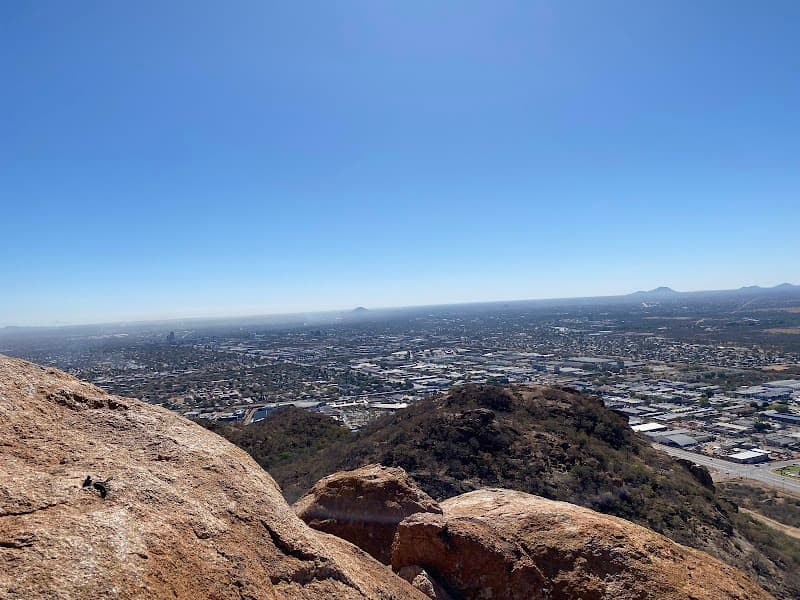
Wild Weekender in Gaborone: Hills, Reserves & Hidden Greens
Day Trip · $$$
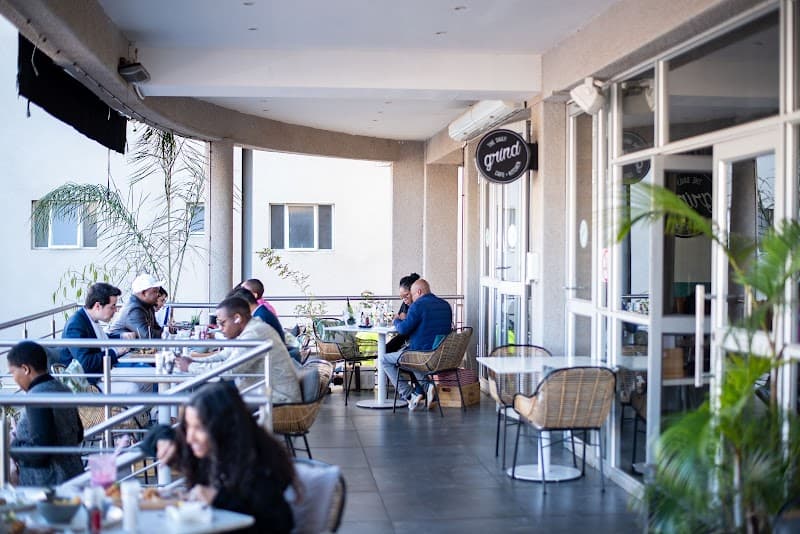
Romantic Gaborone: Wild Greens and City Dreams
Week · $$$
Wild Hearts in Gaborone: A Romantic Bush-City Escape
Weekend · $$$
3-Day Gaborone Escape: Wild Views, Culture, and Easy Romance
Day Trip · $$$
Seven Easy Days of Family Safari Fun in Gaborone
Week · $$$
Things to Do in Gaborone
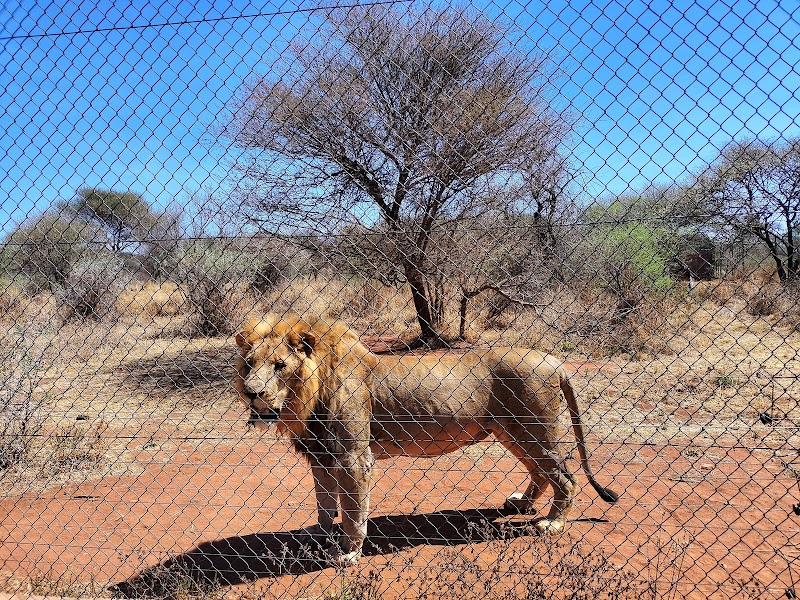
Gaborone Game Reserve
Gaborone Game Reserve / Broadhurst · 150 min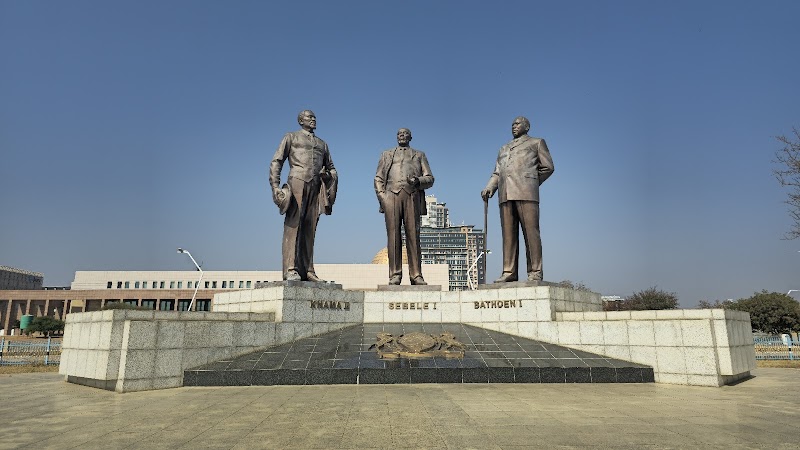
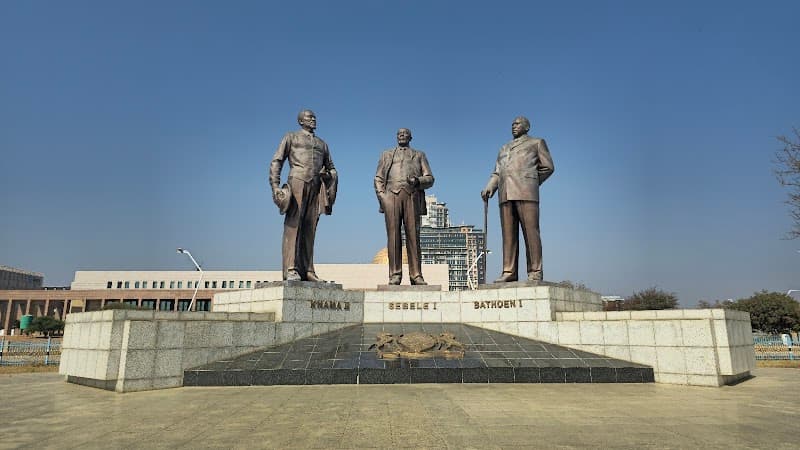
Gaborone City Highlights & Three Dikgosi Monument
CBD / Government Enclave · 180 min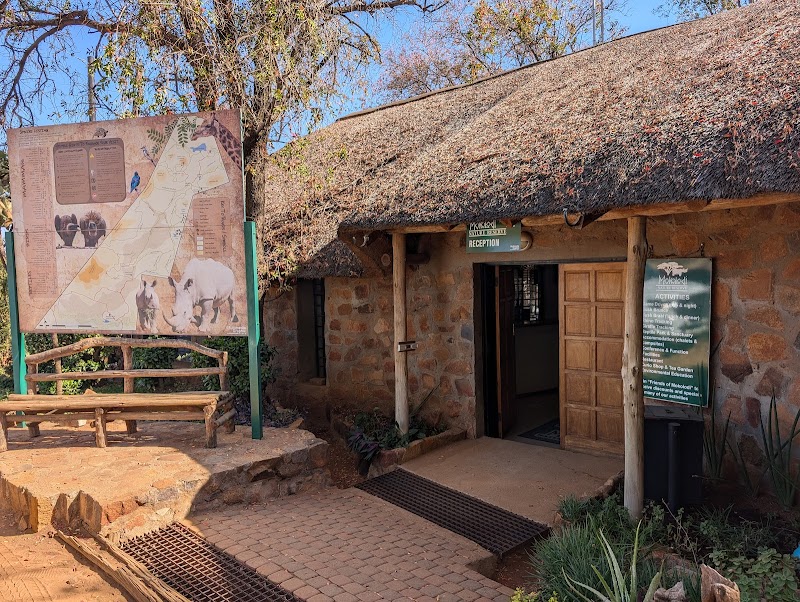
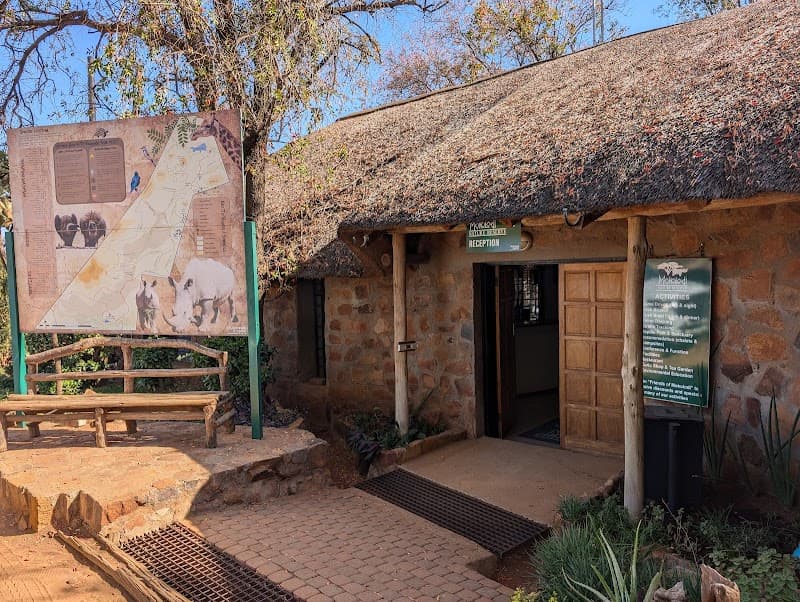
Mokolodi Nature Reserve Guided Game Drive
Mokolodi · 180 minMoney-Saving Tips
- 1.Combis cost P3-5 per ride versus P50-80 for taxis — learn the hand signals and save serious money on transport
- 2.Local restaurants in residential areas charge half what CBD places do — try Broadhurst or Village neighborhoods
- 3.Mokolodi Nature Reserve (P120 entry) offers Big Five viewing for a fraction of Okavango Delta prices
- 4.Shop at Broadhurst Mall's Pick n Pay instead of tourist-focused shops — groceries cost 30-40% less
- 5.Free wifi at most cafes and hotels — buy a local SIM card only if you need data for rural trips
- 6.Fuel is government-subsidized and cheap (P12/liter) — renting a car often costs less than taking taxis
Travel Tips
- •Download offline maps — GPS coverage gets spotty in residential areas despite good road infrastructure
- •Carry cash in pula — many local restaurants and markets don't accept cards, and ATM fees add up quickly
- •Respect photography rules around government buildings — security takes this seriously in the capital
- •Pack layers for winter months (June-August) — desert nights get surprisingly cold even when days are warm
- •Book accommodation during President's Day weekend (July) well in advance — it's the city's busiest time
- •Learn basic Setswana greetings — 'Dumela' (hello) and 'Ke a leboga' (thank you) open doors everywhere
- •Avoid walking alone after dark in CBD area — it empties out completely and street lighting is inconsistent