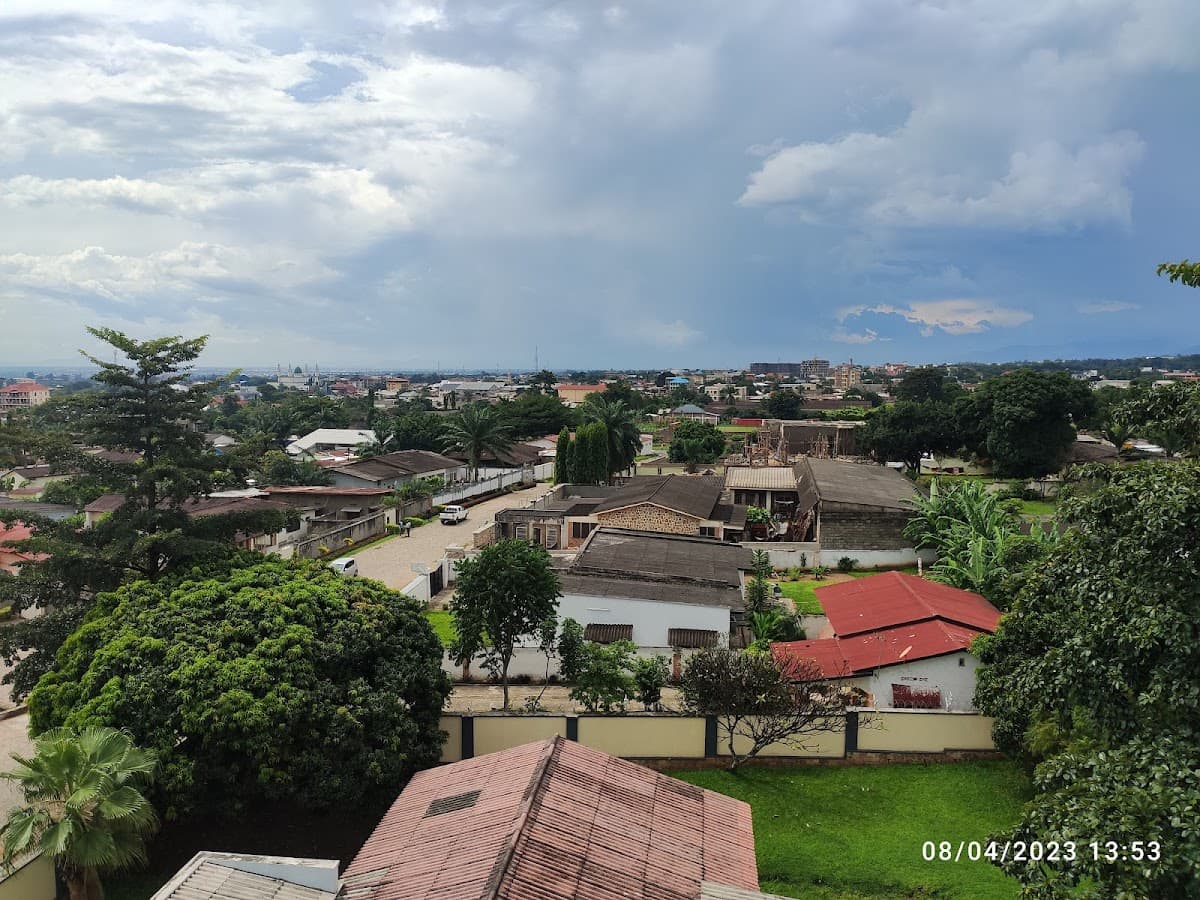
Bujumbura
Burundi's lakeside capital on Lake Tanganyika shores
Look, Bujumbura isn't on most people's radar. And honestly? That's part of its charm. This lakeside capital sits on the shores of Lake Tanganyika, where fishermen still haul in their nets at dawn and the city moves to its own unhurried rhythm. You won't find tourist crowds here — just authentic East African life playing out against one of the world's deepest lakes. The city has its rough edges, sure, but that's what makes it real. Street vendors sell grilled fish straight from the lake, drumming echoes from cultural centers, and the sunsets over Tanganyika are worth the journey alone.
Best Months
JUN – SEP
~28°C · moderate crowds
Culture & Context
LAKESIDE COLONIAL MIX
Bujumbura sits on the northeastern shore of Lake Tanganyika, the world's second-deepest lake, right on Burundi's western edge where the Congo border is basically breathing down your neck. It's the economic capital, not the political one — that title officially moved to Gitega in 2019, though the transition is still grinding along. The city runs on coffee exports, port trade, and a lot of NGO money.
People speak Kirundi first, French second, and some Swahili in the markets near the lake. English is barely functional here, so bring your French or prepare for a lot of gesturing. The mix of faded Belgian colonial architecture, Lebanese restaurants in the Asian Quarter, and lakeside brochette stands makes for a city that doesn't quite fit any easy category.
Burundians are, by many accounts, warm and non-confrontational, but the political atmosphere can shift without warning. The mood on the street is generally fine; it's the structural stuff (power cuts, ATM failures, road blocks) that will test your patience more than the people will.
Local Customs
FRENCH ESSENTIAL, JOGGING BANNED
Dressing modestly matters, especially outside the city center and inside religious buildings. Cover shoulders and knees. It's not optional in more traditional settings..
Jogging alone — or in groups — is banned in Burundi. Do not attempt to go for a run outdoors. It sounds absurd but it's a real rule and locals will react..
Currency exchange must happen at banks in Bujumbura or Gitega only. Street money changers are illegal and a scam risk.. Carry USD in post-2009 condition if you want flexibility.
Older, worn bills get rejected. Bring more cash than you think you need because ATMs fail regularly.. Demonstrations and mass gatherings can turn volatile without warning, particularly in Bujumbura.
If you see a crowd forming around a political or civic event, leave the area.. French gets you much further than English in shops, restaurants, and with officials. Even basic phrases make a real difference — people here are not used to English-speaking tourists..
Roadblocks and checkpoints happen throughout the city, including informal ones. Have copies of your passport and visa on you at all times. Keep the originals accessible but not loose..
Avoid walking anywhere alone after dark, including in Rohero. This applies even in neighborhoods that feel safe during daylight.
Safety
BORDER INSTABILITY REQUIRES CAUTION
Look, the safety situation here requires honest treatment. As of a March 2026 update, the UK's FCDO no longer advises against all but essential travel to Bujumbura city proper — a meaningful improvement from previous guidance. But most Western governments still rate Burundi overall as high-risk, and Canada specifically flags Bujumbura Mairie Province as volatile due to the ongoing DRC conflict spilling across the western border.
The land border with Rwanda remains closed. Avoid all areas near the DRC border, especially Cibitoke, Bubanza provinces, and Kibira National Park. Armed incursions from DRC into those border zones are documented.
Inside Bujumbura itself, the risks are more everyday: armed theft, opportunistic crime, unreliable emergency services. The official police number is 117 but response is inconsistent. There's no functional ambulance system.
Power cuts happen regularly and affect security lighting, mobile networks, water, and fuel. US Embassy staff are prohibited from leaving Bujumbura Mairie after dark (6pm to 6am). If you go, hire a guide from a vetted local operator, stay in Rohero or the lakefront area, avoid dark streets at any hour, and don't use ATMs after dark or alone.
Get vaccinated for yellow fever (required for entry from most countries), typhoid, and hepatitis A/B. Take malaria prophylaxis. Buy comprehensive travel insurance that covers medical evacuation — the nearest decent hospitals are not in Burundi.
Getting Around
MOTOS & MINIBUSES ONLY
There are no passenger trains anywhere in Burundi. Forget that option entirely. Getting around Bujumbura runs on three things: moto-taxis (fast, cheap, negotiate first), white-and-blue minibus Hiaces (local routes for a few hundred BIF, under a dollar), and regular taxis (no meters, agree on price before you get in).
For airport transfers, arrange pickup through your hotel in advance, especially at night. Long distance to Kigali runs about 6-8 hours by coach and costs $10-25 depending on operator and comfort level. Buses depart from the main terminal near the Central Market.
The Rwanda land border is currently closed, so cross-border travel to Rwanda by road is not possible as of 2026 — you'd need to fly or go via Tanzania. For day trips, Rusizi National Park is accessible by moto-taxi or hired car. Saga Beach is about 10km from the city center.
Driving yourself is possible but not recommended outside Bujumbura during daylight, and absolutely not after dark. If you rent a vehicle, never hand over your passport as collateral. Carry extra fuel, a spare, and a first-aid kit for any trip outside the city.
Useful Phrases
Money-Saving Tips
- 1.Bring US dollars and exchange them at banks or official bureaus for better rates than hotels
- 2.Motorcycle taxis are your cheapest transport option at $1-2 per ride within the city
- 3.Street food costs a fraction of restaurant prices — grilled fish from roadside stands runs $2-3
- 4.Primus beer costs $1.50 at local bars versus $3+ at hotel bars
- 5.Negotiate taxi fares upfront, especially for day trips to avoid surprises
- 6.Budget $40-60 for a full-day driver if you want to explore outside the city
- 7.Hotel prices drop significantly during rainy season (October-May) if you don't mind afternoon showers
Travel Tips
- •Learn basic French phrases — it's the main language for business and tourism
- •Pack light rain gear even during dry season as afternoon showers can surprise you
- •Bring cash as ATMs are limited and card acceptance is rare outside major hotels
- •Book accommodation well in advance as Bujumbura has very few hotels
- •Try the local coffee — Burundi produces some of Africa's highest quality beans
- •Respect photography restrictions, especially around government buildings and military areas
- •Download offline maps as internet connectivity can be spotty outside the city center
- •Pack insect repellent for lakeside areas where mosquitoes are more common at dusk