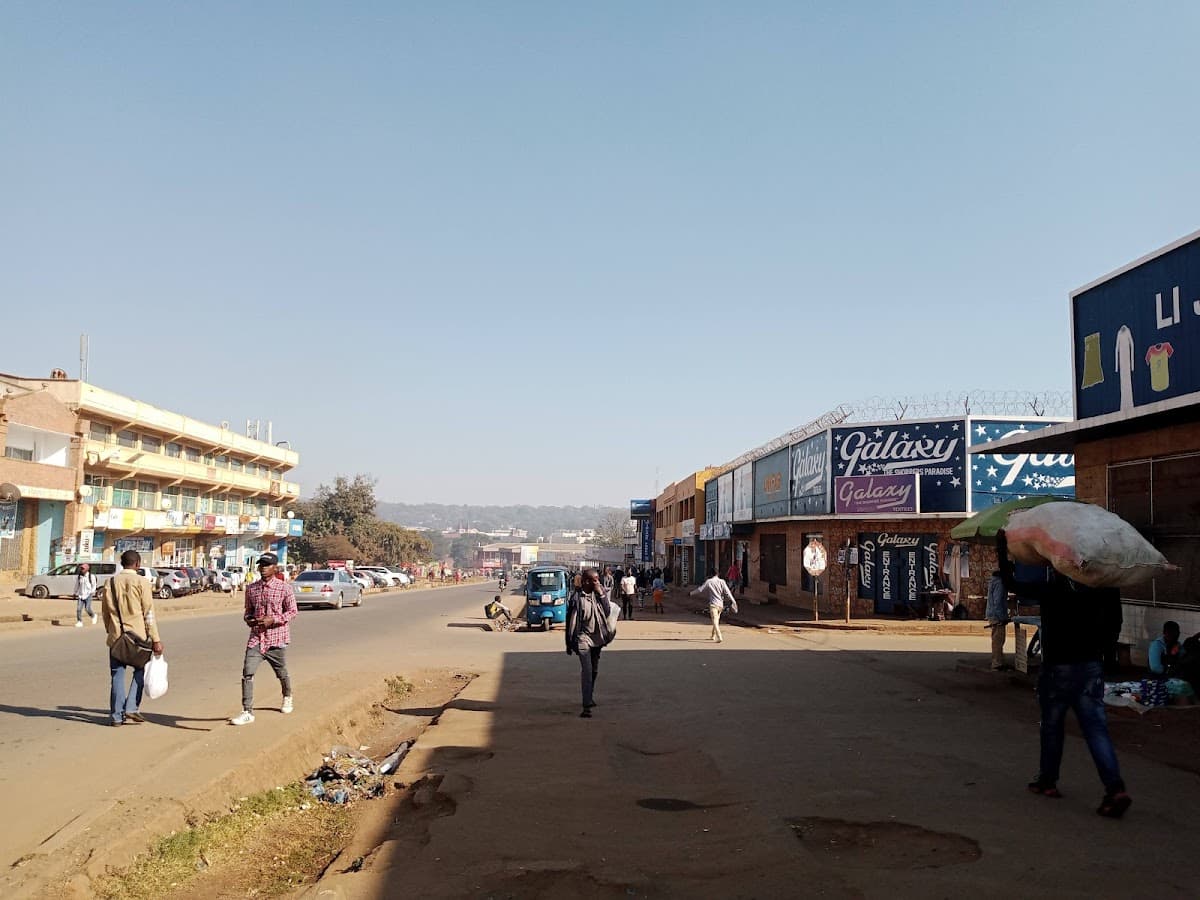
Lilongwe
Malawi's Modern Capital in the Warm Heart of Africa
Lilongwe isn't trying to impress anyone. And that's exactly what makes it special. Malawi's capital sprawls across rolling hills with a relaxed confidence that's rare among African capitals. No towering skyscrapers or traffic chaos here — just wide tree-lined streets, friendly locals who actually wave back, and the kind of authentic urban African experience that's getting harder to find. The city splits into Old Town and New Town, connected by more roundabouts than you'd expect and a surprisingly efficient minibus system. Most travelers use Lilongwe as a jumping-off point for Lake Malawi or safari parks. But stick around for a few days and you'll discover why locals call this place home sweet home.
Best Months
MAY – SEP
~26°C · moderate crowds
Culture & Context
WARM HEART AUTHENTICITY
Lilongwe carries the nickname 'Warm Heart of Africa' along with all of Malawi — and it actually lives up to it in a way that surprises visitors who come expecting a transactional, tourism-worn capital. The city is divided into the Old Town, which feels like a traditional African market town with low buildings and roadside stalls, and the City Centre, which has the ministries, embassies, and the conference hotels.
The Chewa make up the largest ethnic group at around 42%, followed by Ngoni, Lomwe, and Yao communities. The city's religious landscape is mostly Christian (split between CCAP, Catholic, Pentecostal, and other denominations), with a Muslim minority at around 11%. Religious life is active and visible — churches fill on Sundays, gospel music floats out of neighborhoods in the evenings.
Malawi's economy leans heavily on agriculture (over 80% of employment) and especially tobacco. Poverty is real and visible. The average monthly salary is around $155 USD, which is sobering context for what you're looking at when prices seem cheap to you. Spend locally where you can.
The city sits at about 1,050 meters above sea level in the Central Region — warm but not brutal, with the dry season (May-August) being the best time to visit. November through February brings the rains and the humidity.
Local Customs
GREETINGS BEFORE BUSINESS
Greetings are not optional. Malawians consider it genuinely rude to skip a greeting and go straight to business. Always say hello, ask how someone is doing, and wait for the response before getting to your question or transaction.
This is true at market stalls, in taxis, and even in offices.. Meals are often communal and eaten with hands, particularly nsima (the thick maize porridge that is the staple of basically every meal). Wash your hands first.
Sharing a drink is a sign of friendship.. Always ask permission before photographing anyone — especially at markets, in villages, or at cultural sites. This is basic respect and is genuinely valued.
Some people will say no, and that's fine.. Dress modestly, particularly outside the city centre. Malawi is socially conservative.
Revealing clothing is fine in international hotels but attracts attention and sometimes discomfort in local communities and rural areas.. Political conversations can get complicated, especially around election periods. The country has seen protests and unrest linked to political events — if you see a demonstration, leave the area calmly..
Power cuts (called 'load shedding' locally) are frequent and can last several hours. Hotels in New Town tend to have generators. Budget places in Old Town often don't.
Charge your devices whenever you can.. Never drink tap water. Stick to bottled water and avoid ice in street cafes.
Malaria is present — use DEET repellent and sleep under a mosquito net if your accommodation doesn't have adequate screens.. Bargaining at markets is expected but do it respectfully. Starting absurdly low is considered insulting rather than savvy.
Learn approximate prices before you start.
Safety
PETTY THEFT COMMON
Lilongwe is broadly considered safer than many African capitals, ranking 74th out of 163 countries on the 2024 Global Peace Index. But that's not a reason to be complacent. The US State Department flags it with an 'exercise increased caution' advisory due to crime and occasional political unrest.
The most common problem is petty theft. Pickpocketing and bag-snatching happen in crowded markets, at the bus terminal, and on public transport. The stretch between Old Town and Capital City is specifically flagged as a crime hotspot — don't walk it after dark. Areas 25 and 36 have higher crime rates and are best avoided.
Violent crime is less common but does occur, particularly after dark. Don't walk alone at night. Don't carry large amounts of cash. If you are robbed, don't resist — hand over what they want. Carjackings, while rare, have been reported, so keep car doors locked and windows up when driving.
Demonstrations happen, especially around political events. They can turn unpredictable fast. If you see one forming, move away calmly.
Health: Malaria is real and active. Start prophylaxis before you go, use repellent, and sleep protected. Tap water is not safe to drink. Private clinics exist in Lilongwe but may not meet Western standards for serious illness — make sure your travel insurance covers medical evacuation.
Getting Around
PRIVATE TAXIS ESSENTIAL
Getting around Lilongwe requires a plan because this city was not designed for walking. Old Town and the City Centre are 15-20 minutes apart by car. There are no reliable public bus routes worth trusting as a visitor.
Private taxis are the go-to. Starting price is around 5,000 MWK with roughly 400 MWK per km after that. A short city trip runs 2,000-3,000 MWK ($2-3). Negotiate before you get in. The Taxify (Bolt) app works in Malawi but requires a local phone number to register — that rules it out for most short-stay visitors. Named operators like Anake Taxi, Ashraf's Taxi Service, and Moses Taxi have good reputations and can be booked in advance, especially useful for airport runs.
Kamuzu International Airport sits about 25-27km north of the city centre. Budget 30 minutes by car in normal traffic. AXA runs a shuttle bus at a fraction of taxi prices — hard to find online but worth asking your accommodation about.
Minibuses (shared public transport) are extremely cheap but packed and chaotic. Good for adventurous budget travelers who don't mind crowds and very uncertain timing.
Connectivity has genuinely improved. TNM launched 5G in Lilongwe in July 2025, covering areas including BICC, Area 9, Capital Hill, Area 47, and Kanengo. Airtel has deep 4G coverage. Starlink is available for high-speed needs. Buy a local SIM from Airtel or TNM at the airport or any phone shop — mobile data is affordable and far more reliable than hotel WiFi, which goes down whenever the power does.
Useful Phrases
Money-Saving Tips
- 1.Carry small denominations — many vendors can't break large bills and ATMs often dispense 5000 kwacha notes
- 2.Bargain at markets but not aggressively — Malawians are generally honest with pricing
- 3.Budget $20-30 per day for comfortable mid-range travel including accommodation and meals
- 4.Use minibuses instead of taxis to save money — they cost 10 times less for the same routes
- 5.Stock up on snacks and water at supermarkets rather than hotel shops to avoid markup
Travel Tips
- •Download offline maps before arriving — GPS can be spotty in residential areas
- •Learn basic Chichewa greetings — locals appreciate the effort and it opens doors
- •Pack a rain jacket even in dry season — afternoon showers can surprise you
- •Bring a universal adapter — power outlets vary between British and South African standards
- •Keep photocopies of important documents — bureaucracy moves slowly if you lose originals
- •Respect local dress codes especially when visiting government buildings or religious sites