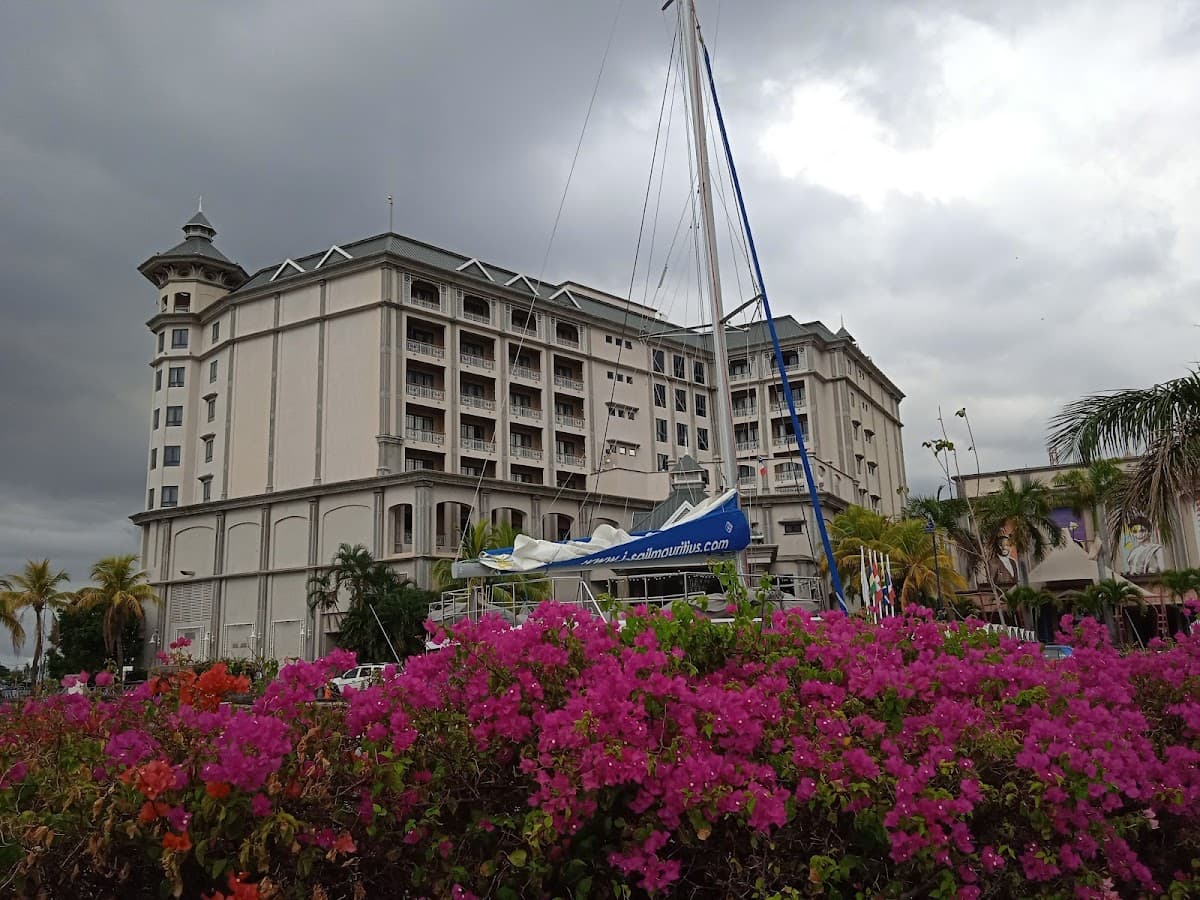
Port Louis
Multicultural Capital Where Africa Meets Asia and Europe
Port Louis hits different than other island capitals. Sure, you're here for Mauritius' beaches, but this city deserves more than a quick stopover. Walk five blocks and hear Creole, Hindi, French, and Mandarin floating from shopfronts. The air smells like curry and ocean salt. Chinese pagodas sit next to colonial mansions, while Tamil temples share streets with mosques.
This isn't some sanitized tourist version of multiculturalism - it's the real deal. Port Louis grew from a French colonial port into the economic heart of the Indian Ocean, shaped by waves of migration from Africa, India, and China. Today it's where 150,000 people actually live and work, not just pose for Instagram.
The waterfront gleams with new developments, but step into the Central Market and you're transported. Vendors hawk everything from handwoven baskets to medicinal herbs their grandmothers swore by. And the food? You'll eat better here than at most resort buffets.
Best Months
MAY – NOV
~25°C · moderate crowds
Culture & Context
FOUR CULTURES, ONE STREET
Port Louis is Mauritius's capital and its financial and political heartland, with a population of around 147,000 that swells to over 100,000 daytime visitors on weekdays. The city was founded by the French in 1736 as a strategic harbour stop on the route between Asia and Europe, then taken over by the British in 1810. Both left their mark.
Colonial mansions and government buildings sit next to Hindu temples, Chinese teahouses, and a UNESCO-listed indentured labour site called the Aapravasi Ghat. Walk one block in the city centre and you can move from a mosque to a Chinese pagoda to a Catholic cathedral. That's not a tourist set piece — it's just Tuesday.
The island's cultures (Indian, African, Chinese, Creole, European) genuinely mix here in a way that feels organic rather than curated. Creole (Kreol Morisyen) is what most people speak at home; French is used in business and the press; English shows up in government documents and hotels. But locals will switch between all three mid-sentence without blinking.
Port Louis is also the oldest horse-racing venue in the Southern Hemisphere — the Champ de Mars, founded in 1812 — and race days from March to December are a genuinely local experience, not a tourist one.
Local Customs
SHOES OFF INDOORS
Remove your shoes before entering any Hindu temple or mosque — always. Bare feet are non-negotiable.. Ask before photographing people at religious ceremonies or inside places of worship.
Most people are welcoming, but it's basic respect.. Mauritius is a fairly conservative society, especially outside tourist areas. Dress modestly when visiting markets, temples, or government buildings — no beach attire downtown..
Weekday mornings (roughly 7am–noon) are when Port Louis is at its most alive. Locals flood in for work and shopping. Many businesses near the Central Market wind down sharply by early afternoon..
LGBTQ+ travellers should be aware that same-sex activity was only decriminalised in October 2023 and local attitudes vary significantly. Urban areas like Port Louis are more tolerant than rural ones, but public displays of affection may attract attention.. Bargaining is expected at the Central Market — it's part of the ritual.
But don't haggle at supermarkets or restaurants with printed menus.. Watch your change everywhere, but especially in busy market areas. Count it before walking away..
The 5am call to prayer from local mosques is normal and audible in many neighbourhoods. If you're a light sleeper, ask about proximity to mosques when booking.
Safety
WATCH YOUR BELONGINGS
Port Louis is broadly safe during the day. The US State Department has a Level 2 advisory for Mauritius (exercise increased caution due to crime), while other governments rate it as exercise normal precautions — the gap is mostly about how cautious you want to be. The real risks are petty: pickpocketing at the Central Market, bag snatching on busy streets near ATMs, and overcharging by taxis.
Always agree on a fare before getting in a taxi — most don't use meters, and airport taxis have a documented history of inflated rates. Stick to registered taxis or hotel-arranged transport. After around 10pm, the backstreets of the business district and some inner-city areas become poorly lit and foot traffic drops sharply.
Walk the well-lit waterfront by all means, but avoid wandering down side streets in the dark. Cyclone season runs November through May — check Mauritius Meteorological Services for warnings if you're visiting in that window. Tourist police operate 24/7 in popular areas and have English-speaking officers.
Emergency number is 999.
Getting Around
WALKABLE, METRO & TAXIS
The Metro Express light rail runs between Port Louis and Curepipe (via Réduit) from 6am to 7pm for about $1 per trip — clean, modern, and reliable. It's genuinely one of the best ways to get between the capital and the central plateau. Buses cover the rest of the island and run between main towns from 5am to 9pm (remote areas until 6pm).
They're cheap but have no timetable app, no AC, and can be slow. Useful if you're patient. There is no Uber or rideshare in Mauritius.
Taxis are everywhere but negotiate the fare first — every time, without exception. Parking in central Port Louis runs about $0.50/hour.
Renting a car unlocks the whole island but Port Louis itself is genuinely congested during rush hours. Walking is the best way to navigate the city centre — most of the key attractions are within a tight radius. The airport (SSR International) is about 45–60 minutes south by taxi depending on traffic.
Useful Phrases
Money-Saving Tips
- 1.Eat at the Central Market food stalls - dholl puri costs 25 rupees vs 300+ at tourist restaurants
- 2.Take local buses instead of taxis - island-wide travel for under 50 rupees per journey
- 3.Shop at municipal markets for souvenirs rather than Caudan Waterfront - same items, half the price
- 4.Visit during shoulder season (April/November) for 30-40% lower accommodation rates
- 5.Hire day drivers through your accommodation rather than tour companies - often 1000 rupees cheaper
- 6.Drink Phoenix beer at local shops (35 rupees) instead of hotel bars (150+ rupees)
Travel Tips
- •Learn basic Creole greetings - 'Bonzour' and 'Mersi' open doors and get better prices
- •Carry small rupee notes for market vendors and street food - they rarely have change for large bills
- •Visit the Central Market early morning (7-9 AM) for freshest produce and fewer crowds
- •Respect dress codes at religious sites - cover shoulders and legs at temples and mosques
- •Download offline maps - mobile data can be spotty in older parts of the city
- •Keep passport copies separate from originals - pickpocketing exists in crowded market areas
- •Try street food gradually - your stomach needs time to adjust to local spices and preparation methods
- •Negotiate taxi fares upfront or use the meter - tourist rates can be 3x local prices