Ouarzazate
Morocco's Hollywood gateway to the Sahara Desert
Ouarzazate sits at the crossroads of the Atlas Mountains and the Sahara Desert, earning its nickname as Morocco's Hollywood for good reason. This sun-baked city has doubled as ancient Babylon, medieval Jerusalem, and countless other cinematic worlds at Atlas Studios. But beyond the movie magic, Ouarzazate serves as your launching pad into the desert - where camel treks, starlit camps, and endless dunes await. The city itself rewards curious travelers with crumbling kasbahs, traditional crafts workshops, and that unmistakable desert light that photographers chase across continents.
Culture & Context
HOLLYWOOD'S SAHARAN BACKDROP
Ouarzazate sits at 1,160 meters above sea level, wedged between the High Atlas Mountains and the Saharan plateau. Its name comes from a Tamazight (Berber) phrase meaning "without noise" or "without confusion." That feels ironic now, given how many film crews have rolled through. But the quietness is still real compared to Marrakech.
The city only became a formal settlement in 1928, built as a French colonial garrison and customs post. Before that, it was a critical stop on the trans-Saharan caravan route connecting sub-Saharan Africa to the northern Moroccan cities. Traders needed safe passage. Ouarzazate gave it to them.
Here's the thing about this place: it punches above its weight. About 70,000 people live here permanently, but the film industry has made it world-famous. Lawrence of Arabia (1962) put it on the map. Gladiator, Game of Thrones, The Mummy, Kingdom of Heaven, and dozens of others followed. Atlas Film Studios — the largest film studios in Africa by area — are right here. The surrounding landscapes have stood in for ancient Egypt, Rome, Tibet, medieval England, and pretty much anywhere that needs dramatic, sun-baked grandeur.
The region is predominantly Amazigh (Berber) in heritage. You'll hear Tachelhit Tamazight spoken alongside Darija (Moroccan Arabic) and French. The Tassoumaat neighborhood shows you what pre-colonial life looked like: earthen houses, communal bread ovens, women working, kids in the alleys. It's not a museum exhibit. People actually live there. The film industry and tourism coexist awkwardly with this everyday reality, which makes Ouarzazate genuinely interesting if you pay attention.
Local Customs
BARGAIN IN DARIJA ALWAYS
Greetings come first, always. Walking into a shop, approaching a taxi driver, passing a neighbor — every interaction starts with 'Salam.' Skipping it signals disrespect, even if unintentionally..
Bargaining is expected in the souk and with grand taxi drivers, but not in fixed-price restaurants or supermarkets. Starting your counter-offer in Darija (say 'Ghali bzaf!') rather than English changes the dynamic immediately..
During Ramadan, don't eat, drink, or smoke in public during daylight hours — this applies to tourists too. Restaurants serving tourists may seat you behind screens. The rhythm of the city completely shifts: quiet during the day, alive from sunset onward..
Dress modestly near religious sites. This is especially relevant for women visiting the Taourirt Kasbah area and the Tassoumaat medina. A lightweight scarf or shawl packed in your bag handles most situations..
Alcohol exists but requires finding it. Licensed hotels serve it, and there are a couple of shops in the city centre (including near Place de Mouahidine) that stock local wine and beer. Drinking in the street is illegal and can lead to arrest..
Photographing people without asking is a fast way to create conflict. In the Mellah or Tassoumaat, residents are understandably tired of being treated as subjects. Ask, even if you don't share a language — the gesture matters..
The Saturday market in El Hay Mohamadi and the Sunday market in Tabounte across the river are genuinely local affairs where nomads and farmers sell animals, crafts, and produce. These aren't tourist markets. Go early and bring cash..
Tipping guides and drivers is expected and appreciated. For a licensed guide, 50-100 MAD per person is reasonable. For good hotel staff, 20-30 MAD per day is standard.
Safety
SCAMS AT KASBAH ENTRANCE
Look, Ouarzazate is genuinely calm compared to Fes or Marrakech. The smaller city means less medina chaos, fewer touts per square meter, and you can walk the main streets without being constantly approached. Most visits are completely uneventful.
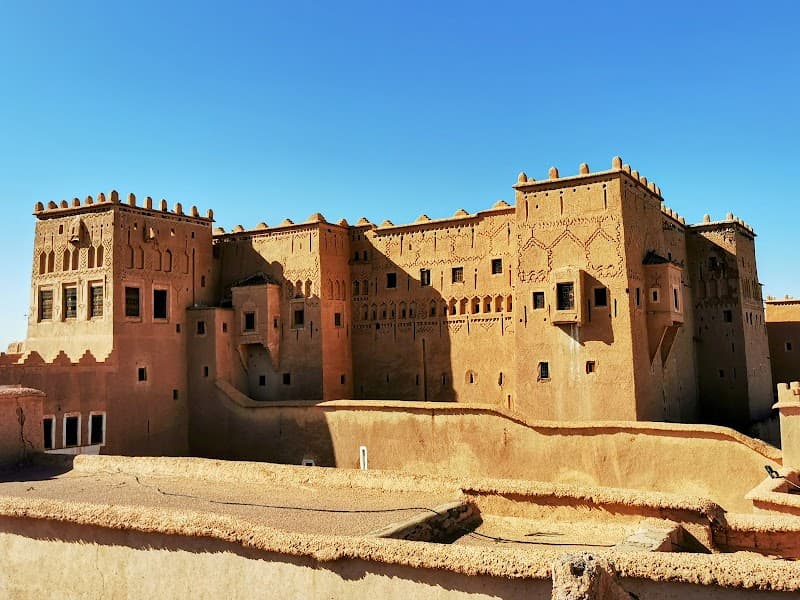
That said, the area around Kasbah Taourirt is where the scammers concentrate, because that's where the tour buses drop people. One specific pattern to know: someone will approach you claiming the Kasbah is closed for repairs or earthquake damage, then offer a paid alternative tour. It is almost never closed. Walk another 20 meters and find the entrance yourself. This happened enough that multiple travelers have documented the exact same script.
Taxi overcharging is the other main friction point. Always confirm the fare before getting in. For petit taxis within the city, 25-35 MAD covers most rides. If someone quotes you 100-150 MAD for a 2km trip, walk away and find another cab.
At the fossil and mineral souks, be aware that many "trilobites" and "dinosaur bones" are beautifully crafted concrete replicas, not geological specimens. Real fossils are cool to the touch; plaster warms quickly in your hand. If every piece on a shelf looks identical, they're mass-produced.
The heat is a real physical hazard in summer (June–August), with daytime temperatures pushing past 40°C regularly. Midday activity outdoors in July is genuinely dangerous if you're not acclimated. Drink a lot more water than you think you need.
Emergency numbers: Police 190. Keep your country's embassy contact saved on your phone. The Moroccan Tourist Police (Brigade Touristique) is active in major tourist areas and takes complaints seriously.
Getting Around
FLY OR GRAND TAXI
Getting to Ouarzazate: three realistic options. Flying into Ouarzazate Airport (OZZ), which is literally 2-3km from the city center, is the easiest. Royal Air Maroc connects it to Casablanca (3-4 flights per week). Ryanair and Transavia run seasonal European routes. Taxi from the airport to town runs about 30 MAD. There is no airport bus. The front of the arrivals hall has a Banque Populaire bureau de change but the hours are unreliable — get cash in town instead.
By bus from Marrakech: CTM runs a comfortable service departing daily, 5-6 hours, 80-95 MAD. The CTM station is centrally located on Avenue Mohammed V near the post office. Other companies use the Gare Routière about 2km northwest of center — petit taxi from there is 15 MAD. Buses are almost always delayed due to en-route stops and lunch breaks. Budget the extra time.
Grand taxi from Marrakech: 100 MAD per seat in a shared Mercedes, 4 hours. Departs when 6 seats fill. You can pay for empty seats to leave sooner. The road (N9 over Tizi n'Tichka pass at 2,260m) is spectacular and occasionally nerve-wracking. Worth having a skilled driver.
Getting around the city: Ouarzazate is mostly built along one long road, Avenue Mohammed V. The city center is walkable when it's not 40°C. Red petit taxis are the local option — flat rate per person, no meter, always agree the price before you get in (25-35 MAD for most city trips). There is no city bus network. Grand taxis (beige Mercedes) run between cities and towns only. For day trips to Ait Ben Haddou (30km), Fint Oasis, the gorges, and the desert, renting a car (250-350 MAD/day) or hiring a driver with a vehicle (500-800 MAD/day) gives you the most flexibility. The latter is worth considering seriously — local drivers know which tracks are passable, which guesthouses are worth stopping at, and how to handle mountain roads after rain.
Useful Phrases
Ouarzazate Itineraries
View all
7 Wild Desert Days in Ouarzazate & Surrounds
Week · $$$
Canyons, Kasbahs & Cinema in Ouarzazate
Weekend · $$$
Ouarzazate Desert Romance: Kasbahs, Oases, and Golden Light
Week · $$$
Ouarzazate Desert Romance with Kasbahs and Palm Groves
Weekend · $$$
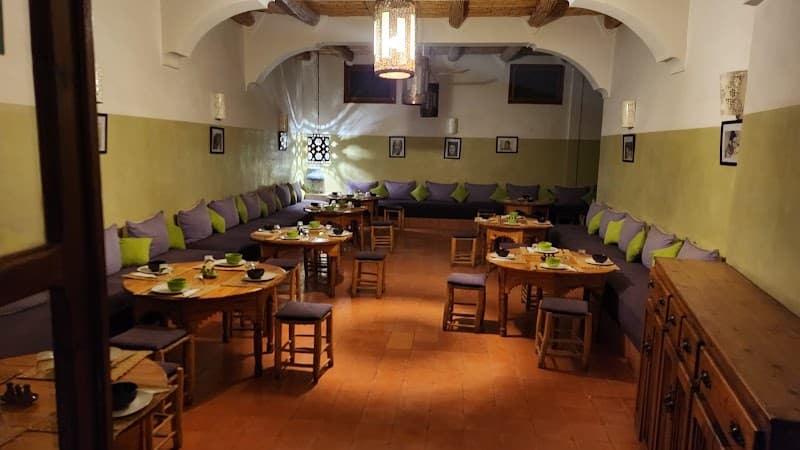
7-Day Ouarzazate Family Escape: Kasbahs, Oases, and Desert Light
Week · $$$
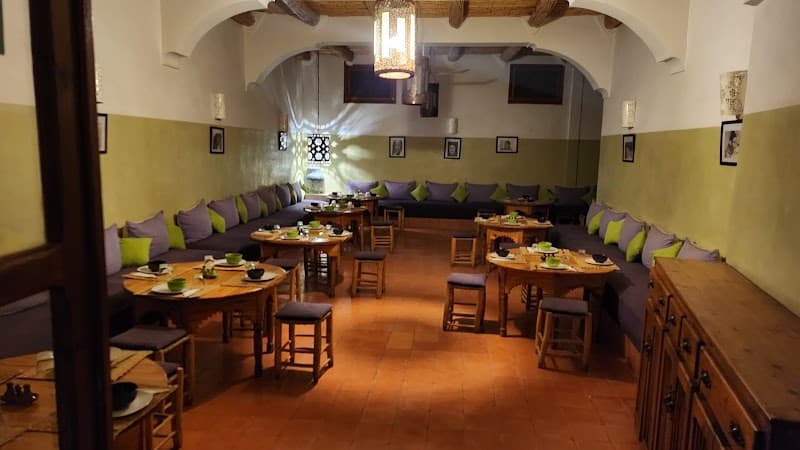
Ouarzazate Family Desert Escape with Kasbahs and Palms
Weekend · $$$
Things to Do in Ouarzazate
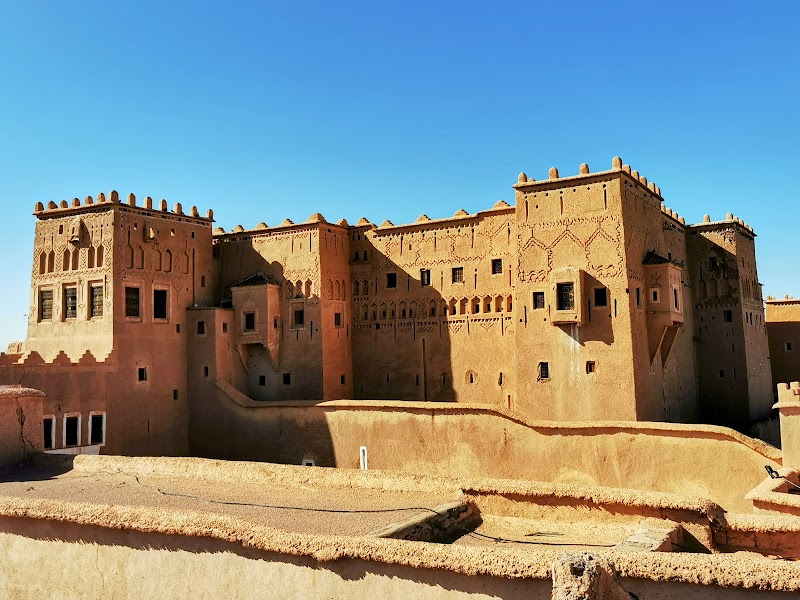
Taourirt Kasbah
Taourirt / Medina Edge · 90 min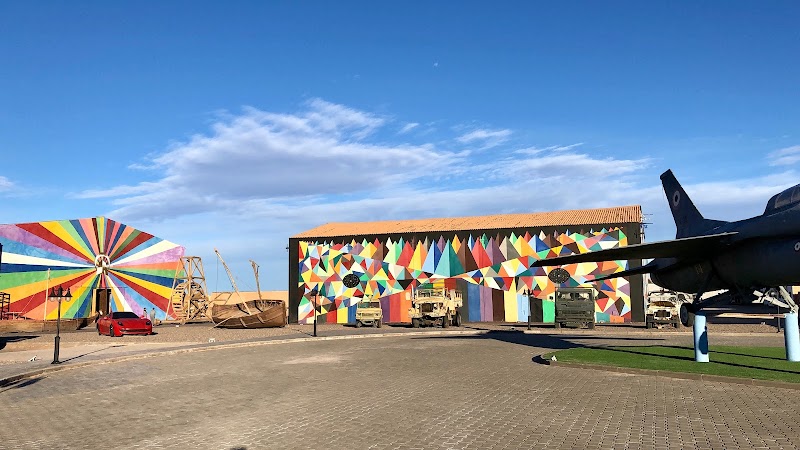
Atlas Film Studios
Studio District · 90 min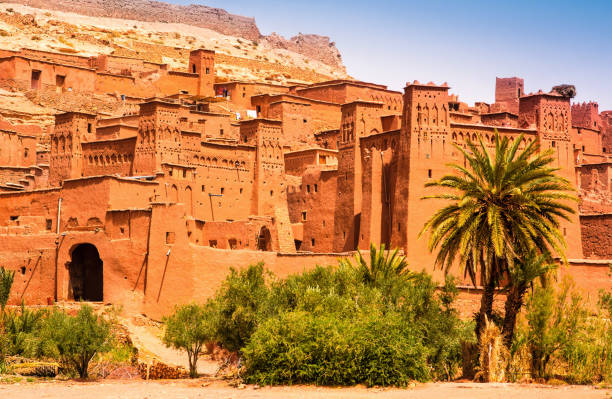
Aït Ben Haddou
Aït Ben Haddou · 150 minMoney-Saving Tips
- 1.Negotiate taxi fares before getting in - locals pay half what tourists get quoted initially
- 2.Buy dates and nuts directly from producers in Skoura Oasis rather than tourist shops in town
- 3.Many desert tours include hidden costs - confirm if meals, water, and camp fees are included upfront
- 4.Hotel prices drop significantly in summer months despite the heat
- 5.Rent cars from local agencies rather than international chains to save 30-40% on daily rates
- 6.Eat lunch at local cafés around the market for 40-60 dirhams instead of hotel restaurants charging 150+
Travel Tips
- •Pack warm clothes even in summer - desert nights get surprisingly cold year-round
- •Bring a good camera and extra batteries - the light here is incredible but drains phone batteries fast
- •Book Atlas Studios tours in advance during peak season (December-March) to avoid disappointment
- •Carry cash - many smaller restaurants and shops don't accept cards
- •Start early for Ait Ben Haddou visits to avoid crowds and harsh afternoon light
- •Confirm tour pickup times the night before - Moroccan time can be flexible
- •Download offline maps before heading into the desert - cell service disappears quickly
- •Respect photography rules at film sets - some areas restrict cameras to protect ongoing productions