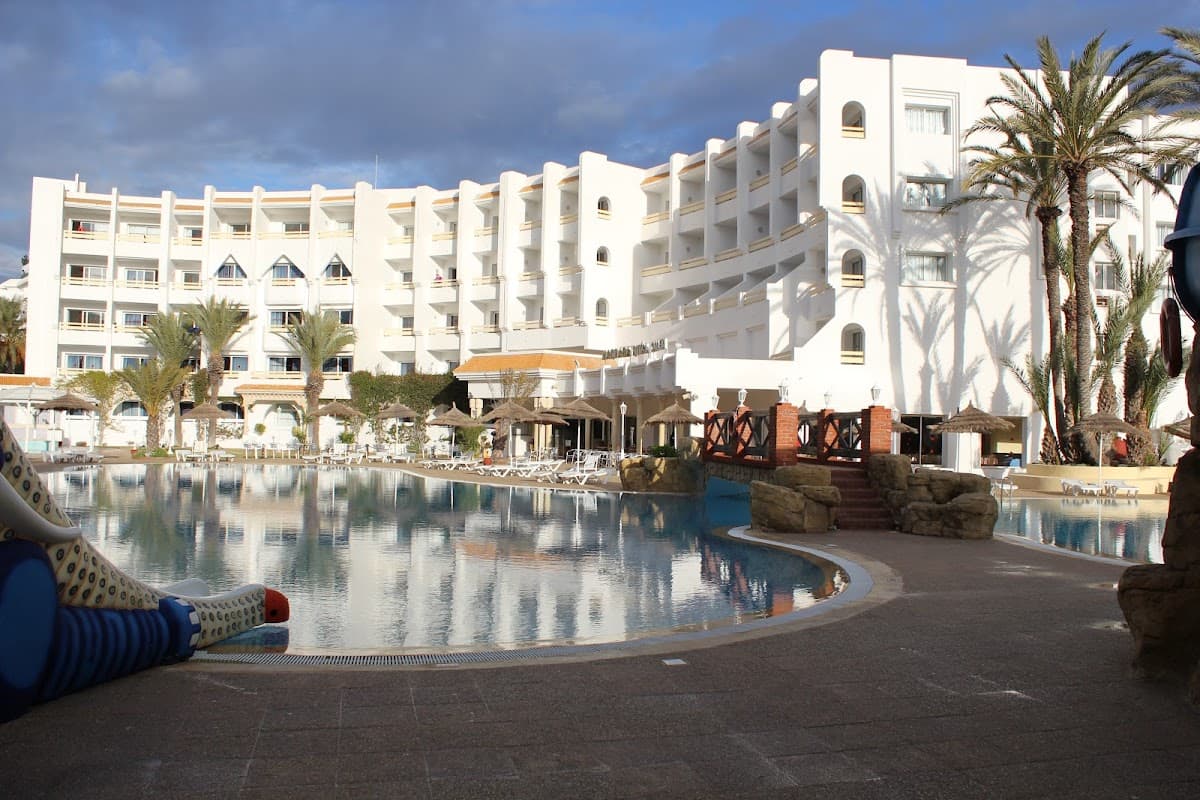
Tunisia
Where Sahara sands meet Mediterranean shores
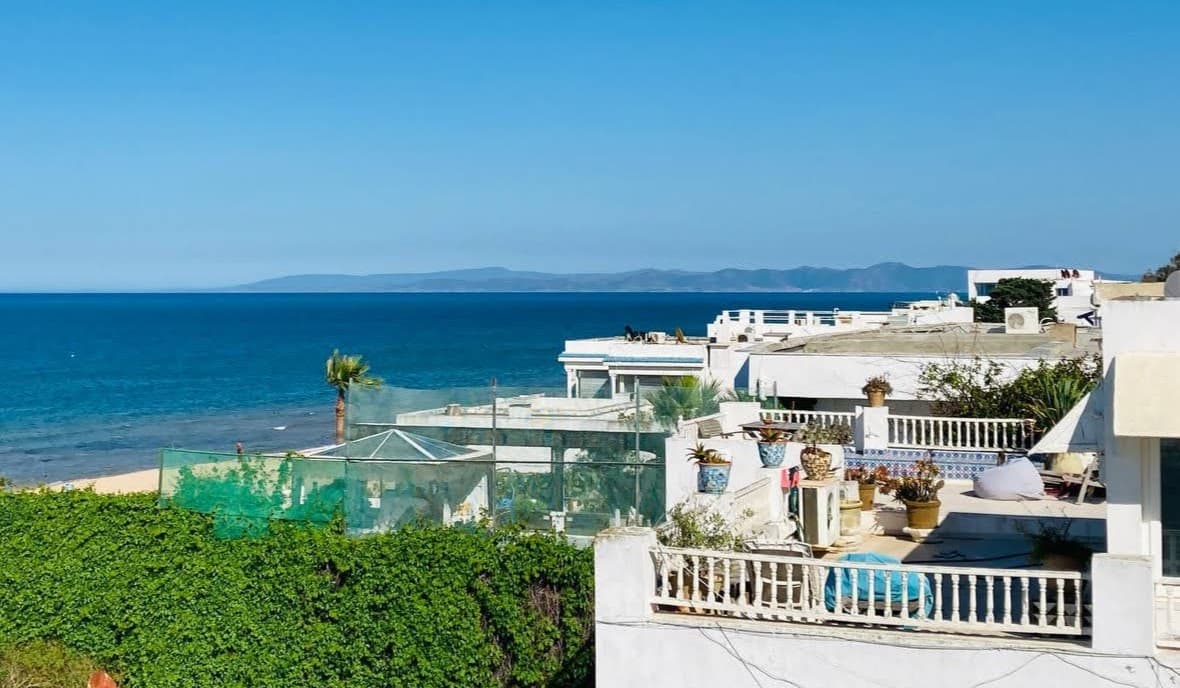
Tunisia surprises everyone who visits. One day you're wandering the blue-and-white streets of Sidi Bou Said, the next you're riding camels into the Sahara near Douz. This North African country packs Roman ruins, Ottoman architecture, and pristine beaches into a space smaller than Florida. The best part? Your dollar stretches far here — a three-course dinner in Tunis costs about 15 dinars ($5), and you can stay in a restored riad in the medina for under $40 a night. Look, Tunisia isn't on every traveler's radar yet, which means you'll have places like the amphitheater at El Djem mostly to yourself. The country sits perfectly between the familiar chaos of Morocco and the desert vastness of Libya, offering just enough adventure without overwhelming first-time visitors to North Africa.
Culture & Context
LAYERED ARAB SECULARISM
Tunisia sits at a crossroads — geographically, historically, and culturally. It's the northernmost country in Africa, with 1,300km of Mediterranean coastline and the northern edge of the Sahara both within a few hours' drive of each other. That physical range is matched by an equally layered cultural history: Phoenician Carthage, Roman empire, Arab conquest, Ottoman rule, French protectorate (1881–1956), and post-independence modernity have all left visible marks.
It's the most secular of the Arab-majority countries. Women work across all sectors, alcohol is legal, French is widely spoken (over 60% of the population is literate in it), and Tunis has an active café and bar culture. But 'secular' doesn't mean Western — Islam is central to daily life, social codes around modesty and gender interaction are real, and the gap between urban Tunis and conservative rural towns is significant.
The spoken language is Tunisian Arabic (Derja) — a dialect so distinct that even fluent speakers of Egyptian or Syrian Arabic struggle with it. It's a blend of Arabic, Berber, French, Italian, Turkish, and Andalusian Arabic compressed into something uniquely Tunisian. French is your second-best bet after Derja; English is improving but still limited outside tourist-facing industries and younger urban Tunisians.
Hospitality ('al-husun') is genuinely central to how Tunisians relate to guests. Invitations to tea, offers of directions, spontaneous conversations — these are usually sincere. Tunisia welcomed 9.4 million tourists in 2024, a number that keeps growing as the country stabilizes and word spreads that it's a serious travel destination rather than just a beach resort circuit.
Local Customs
MINT TEA RITUAL
Bargaining is expected in souks and markets — but don't start unless you're actually interested in buying. Opening with a counteroffer around 40–50% of the asking price is common. Keep it friendly.
Getting invited for mint tea during negotiations is normal and not an obligation to buy.. Mint tea is the central ritual of Tunisian hospitality. When someone offers you a glass, accept it.
Refusing is considered rude. It's usually very sweet — if you want less sugar, say 'shwaya sukkar' (a little sugar).. Remove your shoes when entering a private home.
If you see a pile of shoes at the door, just take yours off without asking.. Eat with your right hand only. At communal meals, the left hand stays in your lap.
Bread is used to scoop food from shared central dishes.. During Ramadan (dates shift each year — check ahead), avoid eating, drinking, or smoking in public in traditional areas during daylight hours. Restaurants in tourist zones mostly stay open.
Evenings come alive with festive meals, street activity, and pastries like zlabia.. Don't photograph people — especially in rural areas — without asking permission first. Also avoid photographing military personnel, government buildings, or police checkpoints.
These restrictions are taken seriously.. Greet every person in a room individually when you arrive and leave. Taking the time to do this properly shows respect and earns immediate goodwill..
Dress modestly outside tourist beach zones. In the medinas, smaller cities, and religious sites, covered shoulders and knees for women is the respectful standard. Men in shorts are generally fine in cities but draw looks in more conservative towns..
If invited to a Tunisian home, bring pastries, fruit, candy, or flowers. Don't bring alcohol unless you already know the host drinks. Gifts are typically not opened in front of you — this isn't rudeness, it's politeness..
Homosexuality is illegal in Tunisia. Public displays of affection between same-sex couples are taboo and carry real legal risk. Unmarried mixed-gender couples sharing a hotel room is technically illegal but rarely enforced in tourist hotels — just say 'wife/husband' rather than 'boyfriend/girlfriend' to hotel staff if it comes up.
Safety
AVOID BORDER ZONES
Tunisia is overall safe for tourists in established areas — over 9.4 million visitors came in 2024. But the picture is uneven and you need to know where the lines are.
BORDER ZONES — AVOID: The US State Dept rates Tunisia Level 2 overall, but several border zones are Level 4 (Do Not Travel): within 16km of the Libyan border (Ben Guerdan, Medenine area), Chaambi Mountains National Park near the Algerian border, and the desert south of Remada (military zone). The FCDO also advises against travel to Kasserine Governorate and areas near the Algerian border in El Kef and Jendouba. These restrictions exist because of real cross-border terrorist activity and military operations. Don't push it.
TOURIST AREAS: Tunis, Hammamet, Sousse, Djerba, La Marsa, Sidi Bou Said, and Carthage are considered safe. Visible police presence in tourist zones is normal. In February 2026, security forces disrupted a planned attack in Kasserine — a reminder that the border areas are genuinely active, but also that Tunisian security forces are actively working.
PETTY CRIME: The 'closed attraction' scam is everywhere — a friendly local claims a mosque or museum is shut for prayers, then leads you to a carpet shop. In Tunis, taxi overcharging is a minor ongoing annoyance. Always agree on the meter or a price upfront. In the Medina, keep your bag in front of you in crowds.
FEMALE TRAVELERS: Solo female travel is doable, especially in tourist zones. Harassment is common (mostly verbal) in more conservative areas. Dress modestly outside of hotel beaches and you'll attract far less attention. Avoid walking alone at night in unfamiliar alleys.
LGBTQ+: Homosexuality is illegal in Tunisia. Not safe to be open about it. Full stop.
HEALTH: Tap water is technically treated but the mineral content and chlorine taste causes stomach issues. Stick to bottled water (1.2–1.8 TND for 1.5L). Make sure routine vaccinations (MMR, Diphtheria-Tetanus-Polio) are current. Hepatitis A and Typhoid vaccinations are recommended by the CDC. Medical facilities are decent in Tunis and coastal cities; rural areas have limited resources. Get travel insurance.
DRIVING: Road death rate of 24.4 per 100,000 (above global average of 18.2). Rural roads lack lighting and signage. Local driving style is aggressive. If you're uncomfortable with that, stick to louages and trains between cities.
Getting Around
LOUAGES & TRAINS
Getting around Tunisia is cheap, occasionally chaotic, and ultimately very doable once you understand the systems.
LOUAGES (Shared Taxis): The backbone of intercity travel. Fixed-route shared taxis that depart from dedicated stations (each city has one, sometimes organized by destination region). They leave when full — usually 5 passengers — so you might wait 20 minutes or 2 hours depending on demand. Cheap, authentic, and often faster than the bus. The system is informal so a language barrier makes it trickier, but pointing at a city name usually works.
TRAINS: The national rail network (SNCFT) connects Tunis to Sousse, Sfax, and Monastir reliably. Comfortable and inexpensive. The TGM commuter line runs from Tunis city center north through Carthage, Sidi Bou Said, and out to La Marsa — this is genuinely useful for tourists.
CITY TAXIS (Tunis): Yellow taxis are everywhere. Always insist on the meter ('compteur' in French). Taxi touting outside airports and hotels is aggressive — prices are often inflated 3–5x for tourists who don't push back. Airport to central Tunis should cost around 10–15 TND on the meter.
METRO/TRAM (Tunis): The light rail system exists and covers some useful routes, but service can be unreliable. Summer blackouts can affect it. Don't build a tight itinerary around it.
BUSES: SNTRI and Trans-Tour buses reach more remote parts of the country. Cheap. Can be crowded.
RENTING A CAR: Useful for the south and rural areas. Around 120–150 TND/day in 2026. You'll need an International Driving Permit (IDP) — get one before you leave home. Local driving is aggressive. Road signs are in Arabic and French, which helps French speakers considerably.
KEY REMINDERS: Tunisian Dinar is a closed currency — exchange at banks, post offices, or hotels on arrival. ATMs work in cities. Credit cards are accepted in urban hotels and restaurants but carry cash for markets, louages, and smaller towns.
Useful Phrases
Explore Destinations
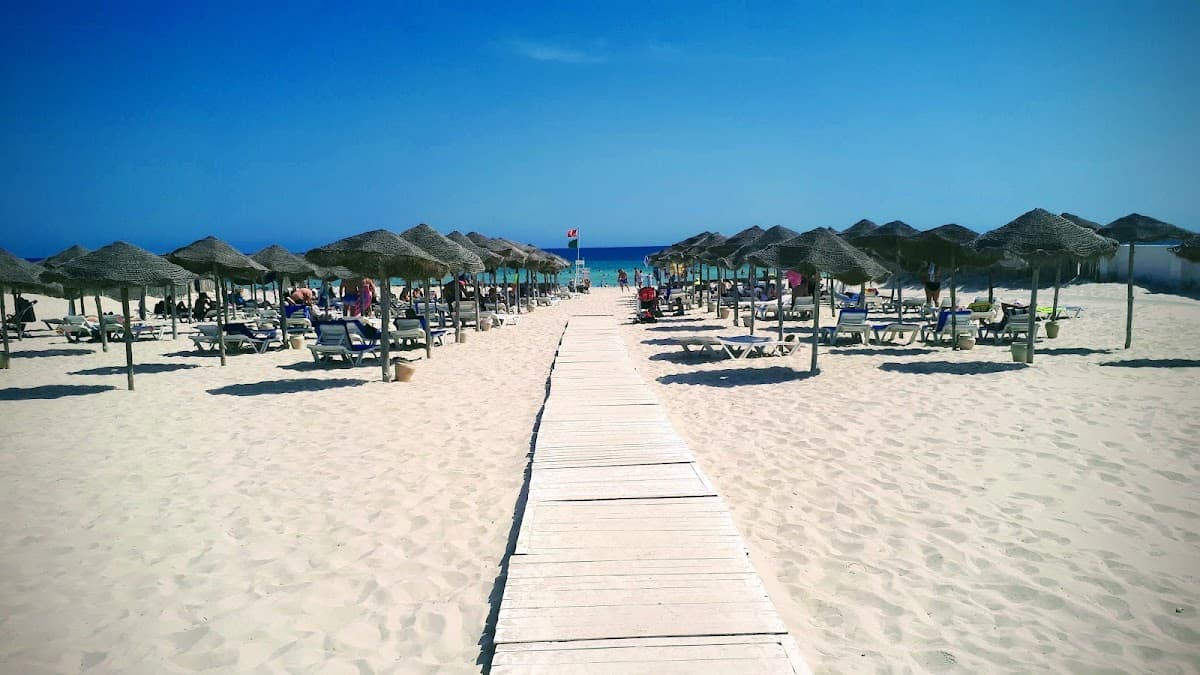
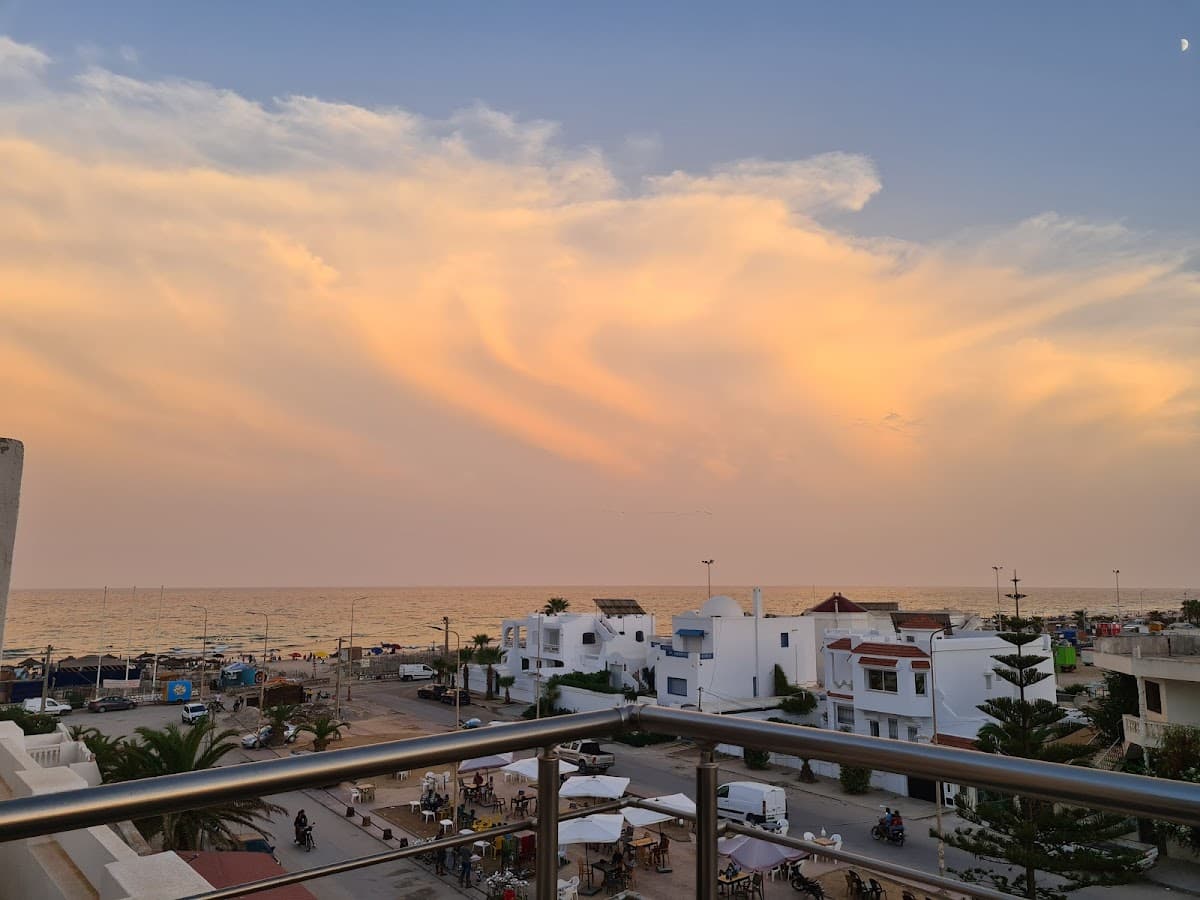
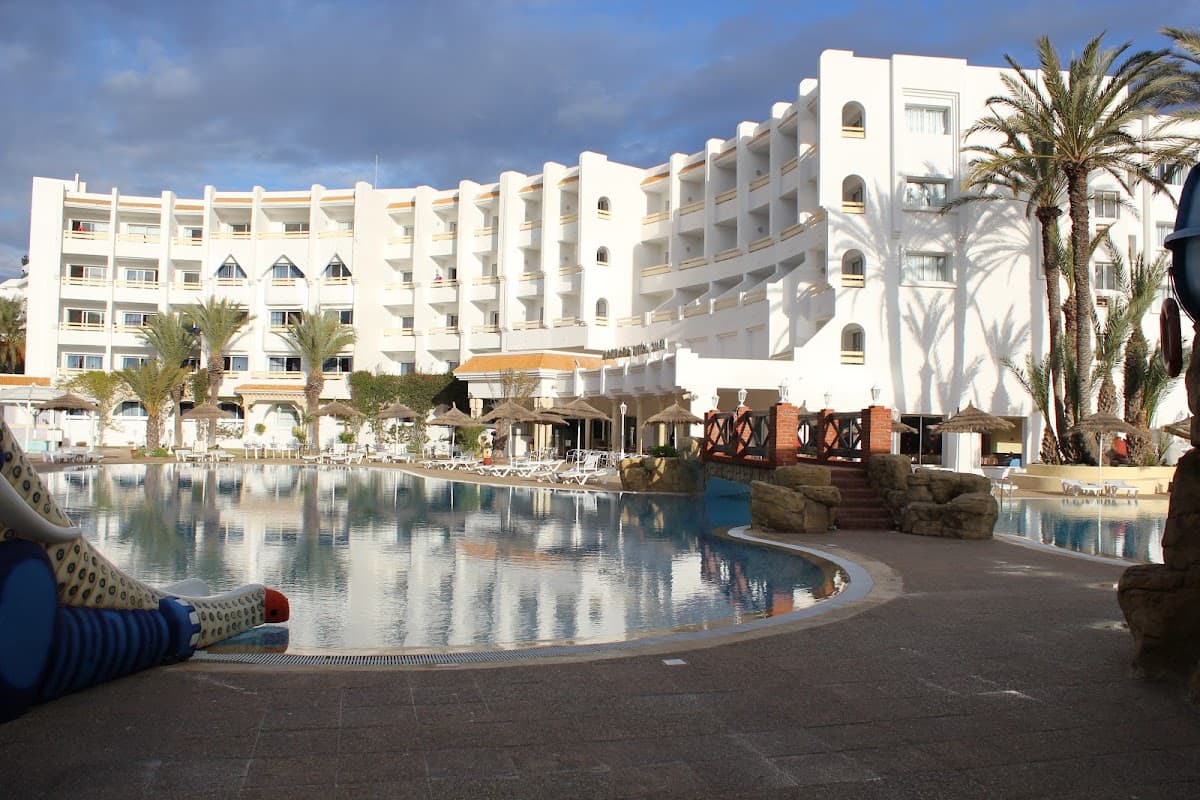
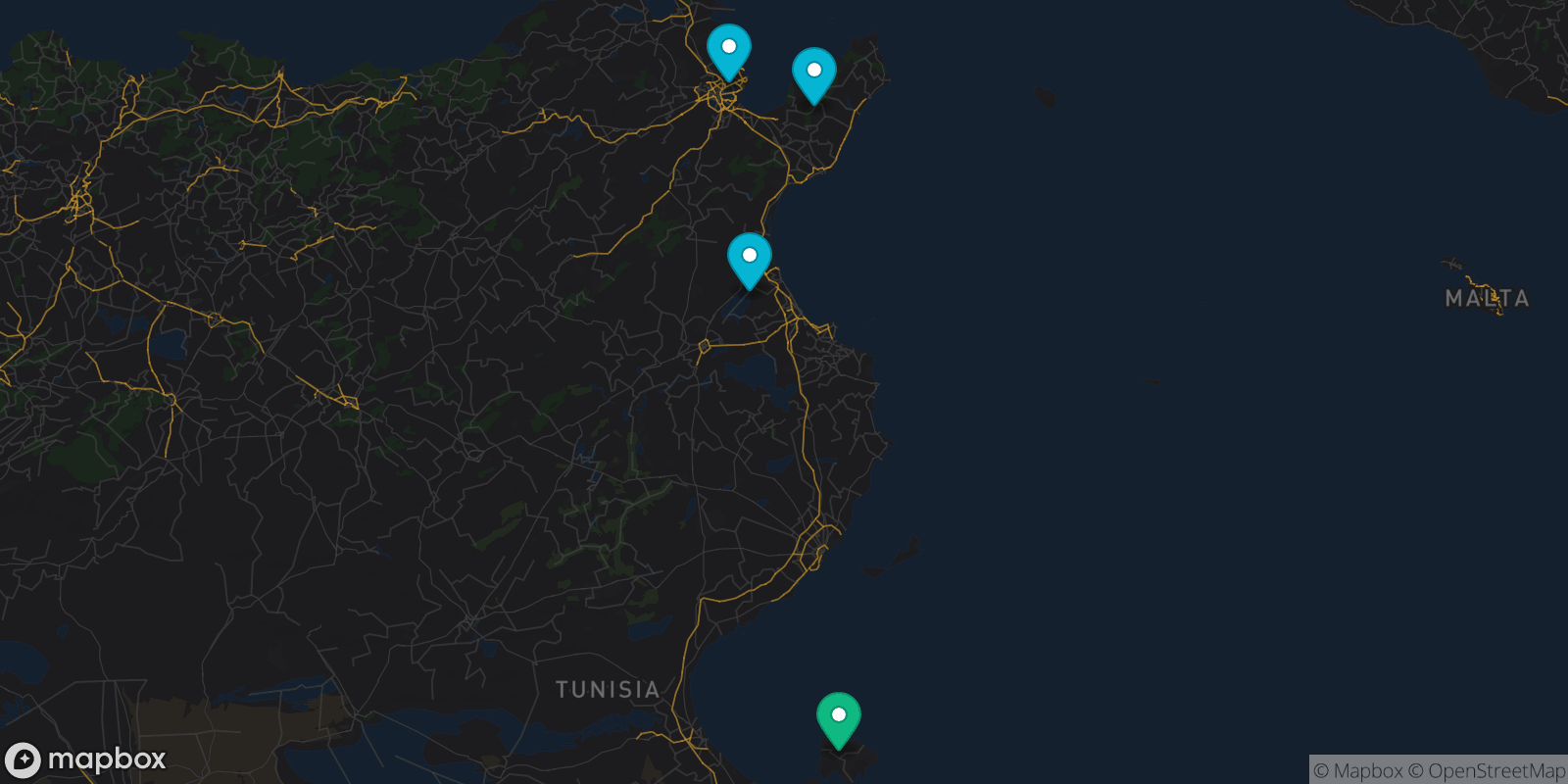
Explore the Region
Money-Saving Tips
- 1.Bargain at every market — starting prices are inflated for tourists. Cut initial offers by 60% and work from there
- 2.Eat where locals eat. Street food costs 2-3 dinars vs 15+ dinars at tourist restaurants
- 3.Take louages (shared taxis) instead of private taxis. They cost half the price and run frequently between cities
- 4.Buy a weekly SIM card for 10 dinars instead of using international roaming. Data costs pennies compared to home
- 5.Stay in medina guesthouses rather than beach resorts. You'll pay 30-50 dinars vs 150+ dinars per night
- 6.Shop for spices and crafts in neighborhood souks, not tourist areas. Prices drop dramatically once you leave the main medina
Travel Tips
- •Learn basic French phrases — it's more useful than Arabic for tourists and widely spoken
- •Carry small bills. Many vendors can't break 50 dinar notes, especially in rural areas
- •Dress modestly when visiting mosques or conservative areas. Cover shoulders and knees minimum
- •Friday prayers close many businesses from noon to 2 PM. Plan museum visits and shopping accordingly
- •Tipping is expected but modest — round up restaurant bills and give porters 2-3 dinars
- •Download offline maps before heading to the Sahara. Cell coverage disappears quickly outside major towns
- •Pack layers for desert trips. Temperatures swing 20°C between day and night
- •Bring sunscreen and a hat. The North African sun is intense year-round, even in winter