Åland Islands
Finland's peaceful archipelago of maritime heritage
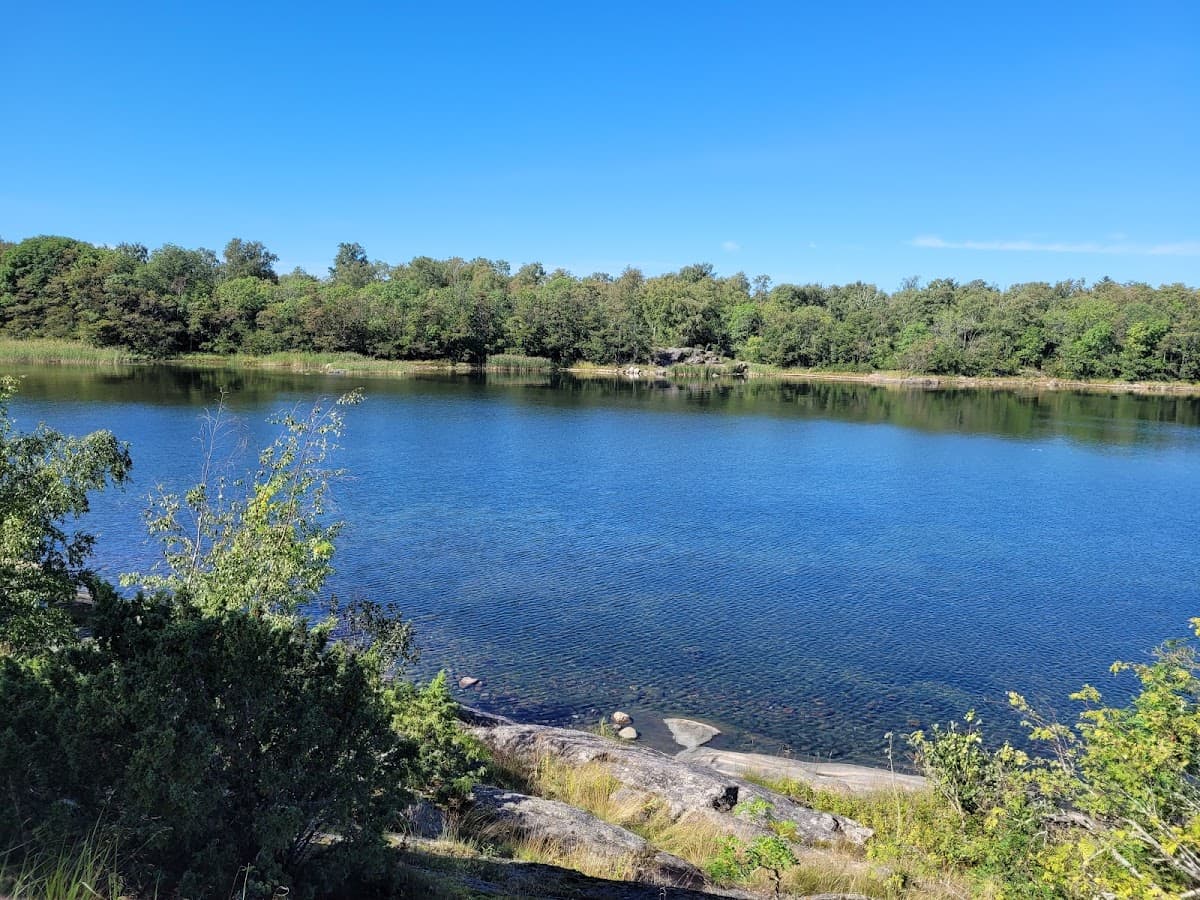
The Åland Islands sit between Finland and Sweden like a secret handshake between two countries. This autonomous archipelago of 6,700 islands and skerries speaks Swedish, flies its own flag, and moves at the pace of lapping waves against granite shores.
Here's what makes Åland special: it's the only demilitarized zone in the EU, creating a peaceful bubble where maritime traditions run deeper than anywhere else in the Nordic region. Red wooden houses dot islands connected by bridges and ferries. Ancient churches share space with modern art galleries. And the whole place feels like stepping into a Nordic fairy tale that somehow survived the 21st century.
The main island, Fasta Åland, holds most of the population and attractions, but the real magic happens when you island-hop to places like Föglö or Sottunga. Each island has its own personality—some wild and windswept, others dotted with apple orchards and medieval stone churches.
Best Months
MAY – SEP
~18°C · moderate crowds
Culture & Context
SWEDISH AUTONOMOUS ISLANDS
Åland is technically Finnish territory but culturally operates in its own lane. Swedish is the only official language — street signs, official documents, everything. This dates back to 1921, when the League of Nations awarded the islands to Finland but guaranteed their Swedish-speaking culture and autonomy.
Ålanders have their own parliament (the Lagting), their own flag (a red cross with yellow borders on a blue background), their own stamps and license plates. The local identity is distinct and genuinely cherished. Over 6,700 islands, fewer than 65 inhabited.
The entire archipelago holds about 29,000 people, and 11,800 of them live in Mariehamn. The economy runs on shipping, tourism, banking, and farming. The maritime heritage is not a marketing angle — local boys historically went to sea as merchant sailors at 14 or 15.
The Pommern, a four-masted barque built in 1903 and now moored permanently in the Western Harbour as a museum ship, is one of the last surviving windjammers in the world. Local food culture leans heavily on smoked and fresh fish (Baltic herring, perch, pike, trout), local dairy from Kastelholm and Mattas Gårdsmejeri, and apples — the mild climate produces an impressive harvest every autumn. Grannas apple juice is a genuine local product worth trying.
The Stallhagen brewery, meanwhile, has made a name for itself with craft beers including the genuinely unusual Shipwreck beer, recreated from a bottle salvaged off Föglö island.
Local Customs
SWEDISH NOT FINNISH
Swedish is the only official language — not Finnish. If you default to Finnish with a local, they will often respond, but it is not appreciated. Start in Swedish, or English.
Let them switch if they want to.. Tipping is not expected. Rounding up the bill or leaving a small amount for genuinely good service is fine and appreciated.
Nobody will be offended if you don't.. Allemansrätten (the right to roam) is a cultural cornerstone. You can walk through forests, pick berries and mushrooms on private land, and camp briefly — but camping requires being discreet and leaving no trace.
Ask the landowner when you can identify them.. Åland issues its own postage stamps, separate from Finland's. They are popular with collectors worldwide.
Buy a few at the post office on Torggatan and mail a postcard — it is a small but genuinely local thing to do.. Locals are fiercely proud of their autonomy. They have their own parliament (the Lagting), their own flag, their own stamps, and their own license plates.
Do not mix them up with mainland Finns or Swedes — Ålanders are neither, and they will tell you so.. The Stallhagen brewery makes excellent local craft beer, including a 'Shipwreck beer' recreated from a bottle salvaged from a 19th-century wreck near Föglö. Order it once at least..
Property ownership is heavily restricted. Only residents or Finnish citizens who have lived in Åland for five years (with Ålandic parental ties) can own land. Do not expect to buy a summer cottage on a whim..
The islands are demilitarized under international law — there are no military bases and haven't been since 1856. Locals refer to Åland as the 'Islands of Peace' and take this status seriously.
Safety
TICK-BORNE VIGILANCE
Åland is extremely safe. Violent crime is rare. The main genuine hazard is ticks.
The archipelago is a high-risk zone for tick-borne encephalitis (TBE). If you're spending time in forests, long grass, or hiking trails — and you almost certainly will be — use a good insect repellent, tuck trousers into socks, check yourself thoroughly after any time outdoors, and carry tweezers. A TBE vaccination is worth considering if you plan to spend significant time in nature.
The healthcare standard on the islands is good, but hospital facilities are limited — serious cases get transferred to mainland Finland. Travel insurance covering medical evacuation is a sensible precaution rather than an optional extra.
Getting Around
BIKE & FREE FERRIES
Getting to Åland: Fly or sail. Finnair and Amapola Flyg connect Mariehamn Airport (MHQ) with Helsinki, Turku, and Stockholm. The airport is 3 km from the city centre — a short taxi or bike ride. Flights are expensive and infrequent, so most visitors arrive by ferry. Viking Line and Tallink Silja run daily routes from Stockholm (roughly 6.5 hours), Helsinki, and Turku. The Stockholm-to-Turku Viking Line service stops at Mariehamn mid-route, which makes an overnight ferry from Stockholm one of the more pleasant and affordable ways to arrive.
Getting around on Åland: Cycling is the local favourite and genuinely practical. The main island is flat, distances are short, and there are dedicated cycle paths along most roads. Bike rentals are available in Mariehamn. Inter-island ferries for foot passengers and cyclists are free — this is not a typo, the regional ferry network costs nothing if you are not bringing a car. Buses on the main island are affordable; the ride from Mariehamn to Kastelholm Castle (20 km, 30 minutes) costs €2. If you want to visit the outer islands like Kökar, plan carefully — ferries run on a schedule, and missing the last one means an unplanned overnight stay.
Useful Phrases
Money-Saving Tips
- 1.Ferry travel between islands is free for foot passengers and cyclists—rent bikes in Mariehamn to explore cheaply
- 2.Pack picnic supplies from ICA or K-Market grocery stores rather than eating at tourist restaurants
- 3.Buy the Åland Museum Card for €15—covers 8 museums and historic sites across the islands
- 4.Book ferry cabins well in advance for better prices—last-minute bookings can cost double
- 5.Wild camping is legal on uninhabited islands—free accommodation with the best views
Travel Tips
- •Download the Åland Transport app for real-time ferry schedules between islands
- •Bring layers even in summer—archipelago weather changes quickly with wind off the Baltic
- •Stock up on groceries in Mariehamn before island hopping—outer islands have limited shops
- •Learn basic Swedish phrases—while locals speak excellent English, Swedish is the primary language
- •Pack insect repellent for June and July when mosquitoes are active in wooded areas
Frequently Asked Questions
Explore Åland Islands
BUILD YOUR
ÅLAND ISLANDS PLAN
Insider picks, smart timing, and a plan ready when you are.
Start Planning