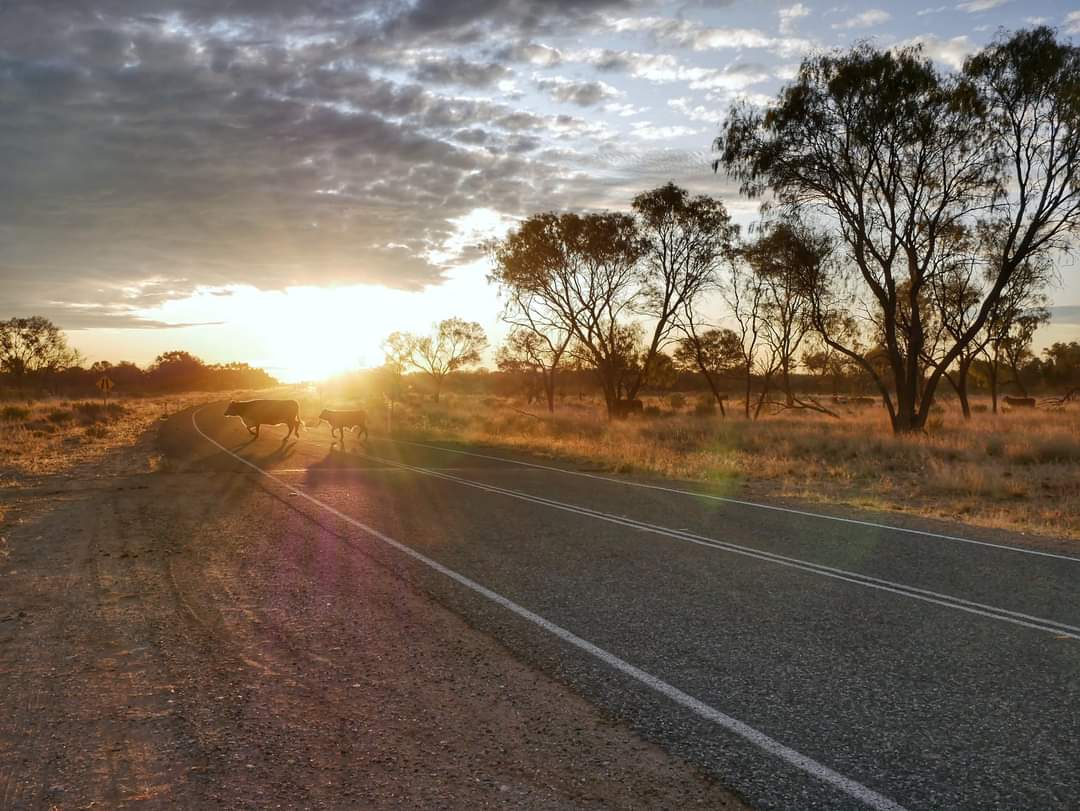
Alice Springs
Australia's red heart gateway to Aboriginal culture
Alice Springs sits right in the middle of nowhere - and that's exactly the point. This desert town of 25,000 people serves as your launching pad into Australia's red heart, where ancient Aboriginal culture meets outback adventure. The MacDonnell Ranges frame the town like sleeping giants, while the Todd River cuts through (though it's dry most of the year). Look, Alice isn't going to wow you with fancy restaurants or nightlife. But step outside town limits and you'll find some of the most spiritually powerful landscapes on Earth. The real magic happens when you realize you're standing in the world's oldest living culture - one that's been thriving here for 60,000 years.
Best Months
APR – SEP
~23°C · high crowds
Culture & Context
ARRERNTE HEART & ART
Alice Springs, or Mparntwe (pronounced "mbarn-twa") to the local Arrernte people, sits roughly 1,500km south of Darwin in the dead centre of Australia. The Arrernte have been custodians here for tens of thousands of years, and their presence isn't background decoration. It's woven into daily life, street names, art galleries, and the landscape itself.
The town is only about 30,000 people. That small-town energy is real. Locals call it "the Alice" or just "Alice.
" It straddles the East and West MacDonnell Ranges, and those ancient red ridgelines frame basically every view you'll have while you're here. There's a direct-flights-to-Uluru effect that has bypassed Alice Springs in recent years, which is a shame. A committed traveller could easily fill a week without running out of things to see.
The art scene is the real deal. Galleries like Bindi Mwerre Anthurre Artists and Iltja Ntjarra (Many Hands) Art Centre showcase work by First Nations artists from the Central Desert region. Don't skip the Araluen Cultural Precinct.
The Namatjira Gallery inside holds the Territory's largest collection of original paintings by Albert Namatjira, and entry is free.
Local Customs
ASK BEFORE PHOTOGRAPHING
The Arrernte people are the Traditional Custodians of Alice Springs. Using the name Mparntwe (pronounced mbarn-twa) shows respect and locals notice it.. Photography rules around Aboriginal art and ceremonies are strict.
Always ask before photographing artworks in galleries or people in communities. Many artists are happy for it — but ask first.. Alcohol restrictions in the NT are real.
Some areas have restrictions on purchasing takeaway alcohol (two-litre limits, ID checks, dry zones in parts of town). Don't be surprised by it.. Some areas of the MacDonnell Ranges are sacred.
Stick to marked paths. Straying off trail isn't just ecologically damaging — it's disrespectful to Arrernte law.. Sun and heat will absolutely destroy you if you ignore them.
Temperatures hit the low 40°C in summer (December–February). Winter nights drop below 0°C. The Red Centre is extreme in both directions.
Carry water everywhere, always.. Flies are not a joke from June to October. A fly net over your hat is not a fashion choice — it's survival.
Almost every local wears one.. The town has a small, tight-knit community. Be decent to service staff and tradespeople.
Word travels fast in a town of 30,000.. Mosqitoes are worst at dawn and dusk, especially in warmer months. Cover up and carry repellent near the Todd River.
Safety
DAYLIGHT FINE, NIGHTS RISKY
Daytime in Alice is genuinely fine. Tourists walk Todd Mall, visit gorges, and do the town without issues constantly. The concerns you've read about online are real but concentrated: most problems happen after dark, involve alcohol, and are not targeted at tourists. Crime peaked between 2022 and 2024, but as of early 2025 the local tourism CEO noted a measurable drop in incidents and increased police presence on the ground.
The practical rules: don't walk alone at night, particularly not along the Todd River bed or through poorly lit back streets. Avoid groups of visibly intoxicated people — give them time and space, as travellers on forums put it. Don't leave anything visible in your car, ever. The vandalism and car break-ins are real. Pay the extra insurance excess reduction when you hire a car. It's worth every cent.
Public buses stop running by early evening. After about 6pm, taxis or rideshare are your best option to get back to your accommodation. Most hotels and hostels in the central area around Todd Mall, Railway Terrace, and Bath Street are well-patrolled and have key-card access and night staff.
Heat and sun are the other serious safety concern. The UV index here is severe year-round. SPF 50+ is not optional. Carry at minimum 2 litres of water per person on any hike, more in summer. Tell someone your plans before heading into the Ranges. Satellite phone hire is available in Alice Springs if you're heading into seriously remote country beyond mobile coverage range.
Getting Around
RENT A CAR
Alice Springs Airport (ASP) is the main gateway. Major domestic airlines service it from Sydney, Melbourne, Brisbane, and Darwin. Car rental is available at the airport — from around AU$115/day — and honestly, a car is what you need. The public bus system covers the town centre (AU$3 per single ticket, valid 3 hours; AU$7 day pass; AU$20 weekly pass), but it won't get you to the gorges in the East or West MacDonnell Ranges, the Kangaroo Sanctuary, or most of the real attractions. Buses stop running early evening.
Taxis are expensive (AU$5 base fare, AU$2 per km). Use them at night when you need to, but don't rely on them for daytime sightseeing. The downtown area around Todd Mall is very walkable. Bike rentals start from AU$65/day — fine if you're cycling the Simpson Gap Bike Path, not necessary just to get around town. For Uluru, it's roughly 450km southwest. Renting a car and driving is cheaper than most multi-day tours, especially if you split costs. One-way car drop-off fees at Ayers Rock Airport can be enormous (one traveller reported AU$1,300 extra), so plan your return routing carefully.
Useful Phrases
Money-Saving Tips
- 1.Park passes cost $8 and cover multiple West MacDonnell sites - better value than paying individually
- 2.Caravan parks offer the cheapest accommodation from $35/night with kitchen facilities
- 3.Fill up fuel tanks in Alice Springs - petrol prices jump 50% at remote roadhouses
- 4.Coles and Woolworths have the best grocery prices - stock up before heading to attractions
- 5.Many swimming holes and gorges have free entry - Simpsons Gap costs nothing vs $12 for Standley Chasm
- 6.Book accommodation early during peak season (May-August) when prices double
- 7.Pack lunch and water for day trips - cafe prices at attractions are tourist-level expensive
Travel Tips
- •Carry 4 liters of water per person when hiking - desert dehydration happens faster than you think
- •Download offline maps before leaving town - mobile coverage disappears quickly in the ranges
- •Start early morning hikes by 7am to avoid midday heat and afternoon crowds
- •Pack warm clothes for winter nights - temperatures drop to near-freezing
- •Respect Aboriginal sacred sites and follow all signage - cultural sensitivity matters here
- •Check road conditions before driving to remote areas - flash floods can close tracks for days
- •Bring insect repellent - flies are relentless during warmer months
- •Book tours with Aboriginal guides to understand the cultural significance of sites
- •Carry a first aid kit and tell someone your planned route when heading to remote areas
Frequently Asked Questions
Explore Alice Springs
BUILD YOUR
ALICE SPRINGS PLAN
Insider picks, smart timing, and a plan ready when you are.
Start Planning