
Apia
Samoa's charming capital where Polynesian culture thrives authentically
Forget the Instagram-perfect Pacific islands you've seen everywhere else. Apia keeps it real. Samoa's capital sits on Upolu's northern coast like a friend who never tries too hard — unpretentious, welcoming, and genuinely Polynesian. You won't find luxury resorts crowding the waterfront here. Instead, there's the fish market buzzing at dawn, kids diving off the seawall near the harbor, and locals gathering under the big banyan trees for afternoon conversations. The city moves at island time, which means your biggest decision might be choosing between snorkeling at Palolo Deep or sliding down natural rock chutes at Papase'ea. And honestly? That's exactly how it should be.
Best Months
MAY – OCT
~27°C · moderate crowds
Culture & Context
FA'A SAMOA GOVERNS ALL
Apia runs on Fa'a Samoa — the Samoan Way — and this isn't just a tourism tagline. It's a real, functioning cultural system built around family (aiga), respect for elders and chiefs (matai), and deep Christian faith. Chiefs here hold more day-to-day authority than police in many villages.
Things move slowly and deliberately. That's not a flaw; it's the point. Sunday is genuinely, completely closed in most of the country — not just slow, closed.
Most shops, tours, and natural attractions shut down from Saturday evening. Resorts stay open, but independent travelers need to plan ahead. And between 6 and 7pm daily, the sa prayer curfew kicks in.
A bell or conch shell signals it. Pull over, stop moving through villages, and wait it out. It lasts 10 to 20 minutes.
Don't drive through villages during sa. The kava ('ava) ceremony is another big part of social and political life. If you're invited to one, clap once before receiving the cup, drink it all in one go, and clap three times after returning it.
These aren't tourist performances; they're real community rituals. Samoa is also the ancestral home of the tattoo — the modern word is thought to derive from the Samoan 'tatau'. Traditional tattooing remains a genuine rite of passage, not a souvenir.
Local Customs
SUNDAY SACRED, ASK ALWAYS
Sunday is sacred and widely observed as a day of rest and worship. Most shops, tours, and many natural attractions are closed. Move quietly through villages and dress more conservatively than usual..
The sa curfew runs 6–7pm daily. A bell or conch shell signals the start. Pull off the road, stop walking through villages, and wait for the third bell before moving on..
Cover shoulders and knees in villages and at churches. A lavalava (sarong) is the practical solution — buy one at Apia's markets for a few tala.. Ask permission and pay the customary cash fee (usually WST 5–20 per person) before entering beaches, waterfalls, and most natural sites.
Almost all land in Samoa is privately owned by villages under customary law. These fees are legitimate and go to the community.. Say 'tulou' when passing in front of someone — it's the polite acknowledgment when crossing someone's space..
Tipping is not expected and not part of the culture. Haggling isn't customary either.. Don't wear swimwear anywhere except at the beach or your resort.
Cover up the moment you leave the sand.. Photography: always ask permission before shooting people, ceremonies, or intimate settings. Some sites charge professional photography fees — drone permits can run WST 50 to several hundred tala..
Remove shoes before entering homes and traditional fales.. In the presence of a village chief (matai), don't wear sunglasses or hats as a mark of respect.
Safety
GENERALLY SAFE, SMART PRECAUTIONS
Both the US State Department and Australian Smartraveller give Samoa a Level 1 / exercise normal precautions rating. It's genuinely not a dangerous place. That said, Apia has the usual urban issues you'd expect from any small capital city.
Avoid walking alone at night in the downtown bar district along Beach Road — some violent incidents involving foreigners have occurred in that area, though they're not frequent. Petty theft happens in crowded markets, so keep your bag close at Maketi Fou. Watch out for stray dogs — they can be aggressive and are everywhere outside of the main commercial areas.
The bigger risks are natural, not human. Cyclone season runs November to April, and 1 to 2 named storms hit per year. Ocean currents on the south coast of Upolu are powerful and have caught swimmers badly off guard.
Always ask locals about safe swimming areas before getting in the water. Dengue fever and chikungunya outbreaks occur, especially during the wetter months — use mosquito repellent in villages. Tap water is generally not safe to drink; stick to bottled water.
For medical emergencies, dial 911. Serious conditions typically require evacuation to New Zealand or Australia, so comprehensive travel insurance with medical evacuation coverage is not optional — it's essential. Unlicensed taxis exist; always agree on the fare upfront.
A trip from Faleolo Airport to Apia should run WST 60–80.
Getting Around
WALK THE CAPITAL
Faleolo International Airport (APW) sits 35–40km west of Apia, about 45 minutes by taxi (WST 60–80) or WST 25–30 on the Samoa Airways shuttle bus. Many hotels offer pickups if you ask when booking. Inside Apia, the city is small enough to walk most of it.
Local buses connect Apia to villages across Upolu for WST 2–5 per ride, but schedules are irregular and the experience can be crowded. They run until about 5pm. Taxis are widely available for short city trips (WST 20–40), but not all are licensed — only use clearly marked, licensed ones and agree on price before you get in.
No Uber. Rental cars run WST 150–200/day and give you the most freedom; you'll need a temporary driver's license (available from most rental companies, Samoa Post, or the Land Transport Authority in Apia) — bring your home country license. Samoa drives on the left.
The Cross Island Road runs 23km from Apia across the island and brings the south coast within reach for a day trip. For Savai'i, the ferry from Mulifanua wharf (west of Apia) takes about an hour. Book vehicles on the ferry in advance at Shipping House in Apia.
Useful Phrases
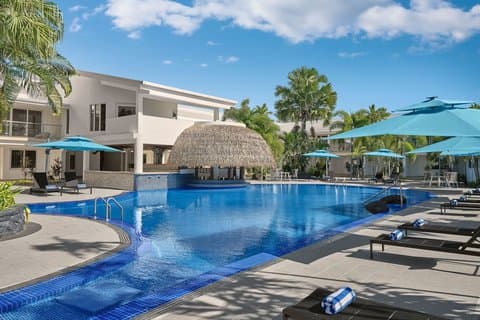
Things to Do in Apia
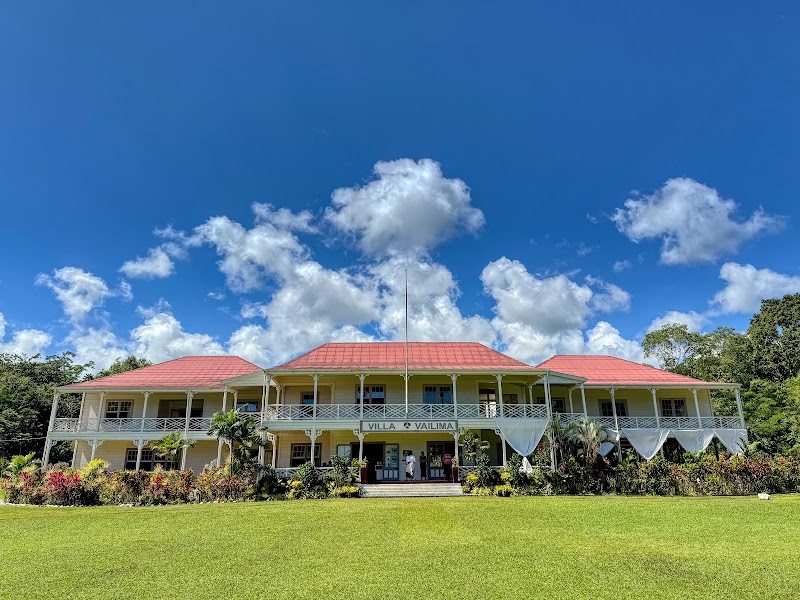
Robert Louis Stevenson Museum
Vailima · 120 min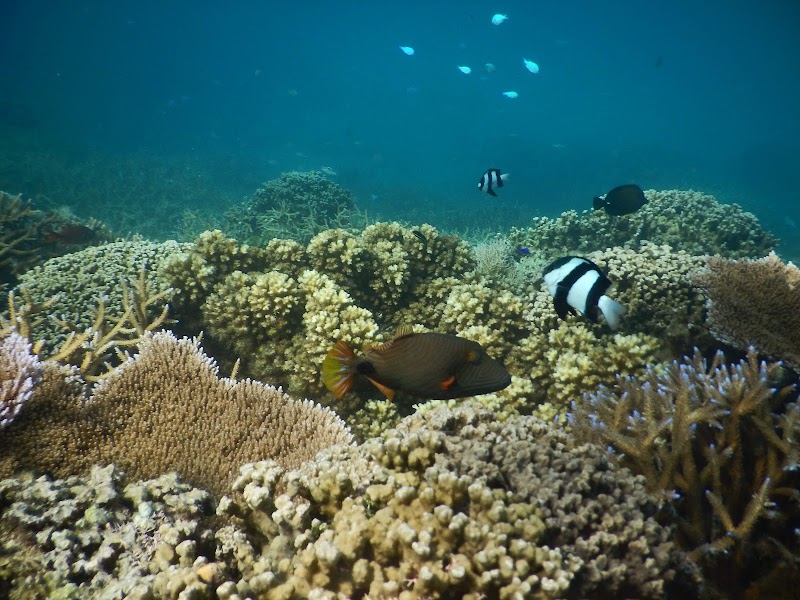
Palolo Deep Marine Reserve
Apia · 150 min
Apia Waterfront Walk
Apia · 60 minMoney-Saving Tips
- 1.Local buses cost only 2 tala per ride - way cheaper than taxis for getting around downtown
- 2.Buy fresh produce at Maketi Fou market in the morning for the best prices and selection
- 3.Many beaches and natural attractions like Papase'ea Sliding Rocks are completely free to visit
- 4.Eat at local family-run restaurants instead of hotel dining rooms to cut meal costs in half
- 5.Vailima beer costs 8 tala at shops but 15+ tala at tourist restaurants - stock up at supermarkets
- 6.Guesthouses in residential areas like Vaitele cost 30-40% less than downtown hotels
Travel Tips
- •Pack light rain gear even during dry season - Pacific weather changes quickly
- •Learn basic Samoan greetings like 'Talofa' - locals appreciate the effort and warm up faster
- •Bring reef-safe sunscreen or buy it locally - regular sunscreen damages the coral you'll be snorkeling over
- •Sunday is family day in Samoa - most businesses close so plan accordingly
- •Cash is king here - many places don't accept cards so hit the ATM in downtown Apia
- •Respect the fa'a Samoa culture - cover shoulders and knees when visiting villages or churches