Matsumoto
Japan's alpine gateway with stunning mountain castle
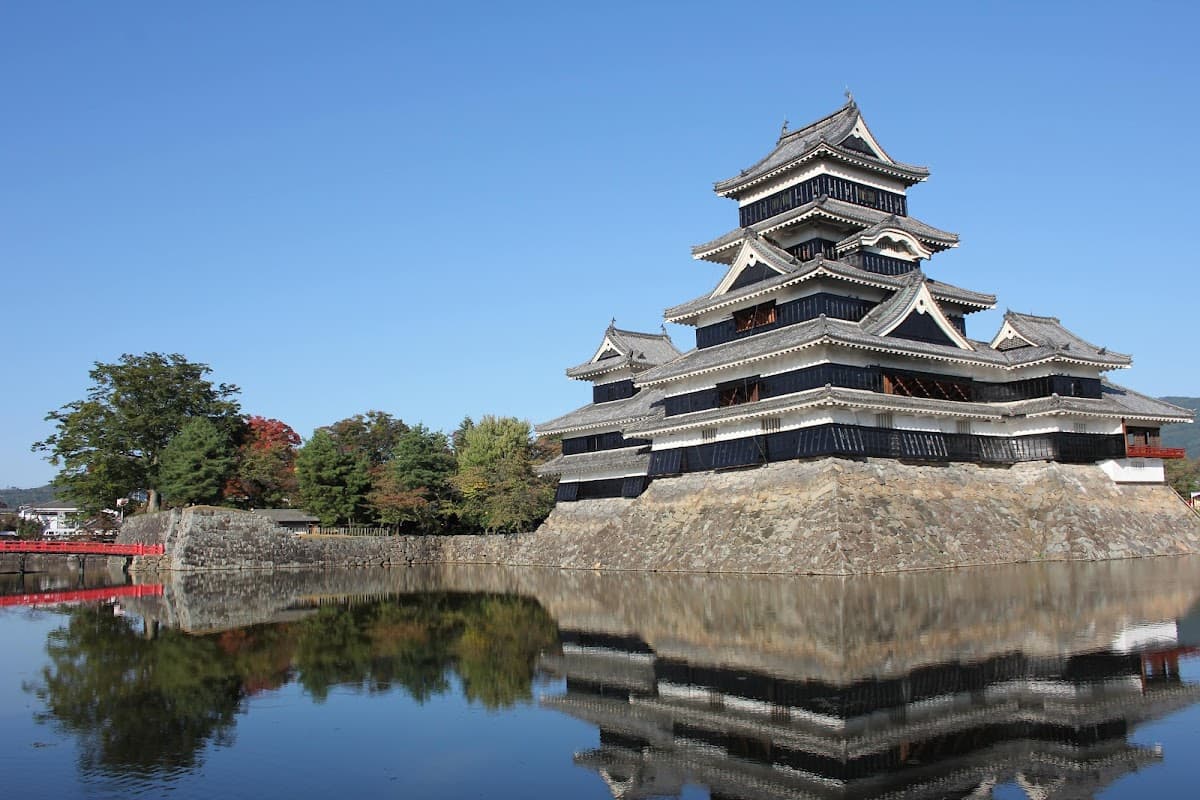
Matsumoto sits in the heart of the Japanese Alps like a perfectly placed chess piece. This compact city of 240,000 punches way above its weight — home to Japan's most beautiful original castle and your launching pad into some of the country's most dramatic mountain scenery. The 16th-century Matsumoto Castle rises like a black crow against the snow-capped peaks, earning its nickname "Crow Castle." But here's what makes this place special: it's not trying too hard to impress tourists. Local salarymen grab soba noodles at lunch counters that have been serving the same recipes for decades. Art galleries showcase contemporary works alongside traditional crafts. And when you need a break from culture, the Northern Alps loom just 30 minutes away, promising hiking trails, hot springs, and some of the clearest mountain air in Japan.
Best Months
APR · MAY · JUN · SEP · OCT · NOV
~21°C · high crowds
Culture & Context
KUSAMA'S POLKA-DOT CANVAS
Matsumoto sits in a basin surrounded by the Northern Japan Alps in Nagano Prefecture. It's the second largest city in the prefecture, population around 239,000, and it carries an identity that's genuinely its own. The castle dominates the skyline, sure.
But Matsumoto also happens to be the birthplace of avant-garde artist Yayoi Kusama. You'll spot her polka-dot aesthetic woven into the city before you even realize it. There's a city bus wrapped in her signature dots.
And the Matsumoto City Museum of Art has her "Visionary Flowers" sculpture planted right out front. The city is also considered one of Japan's soba capitals, with over 300 noodle shops. A growing craft beer scene adds evening options.
Look, it's not Tokyo, and that's the whole point. The pace is slower. The streets are walkable.
The mountains are visible from the middle of town on a clear day. Here's the thing though: tourist numbers have climbed sharply, especially at the castle. The crowds can be genuinely frustrating in spring and autumn.
Budget travelers will find it easier on the wallet than Kyoto or Tokyo, but accommodation prices spike hard during cherry blossom season (late March to early April) and fall foliage (late October to mid-November).
Local Customs
CASH FIRST, SHOES OFF
Remove shoes before entering traditional restaurants, ryokan rooms, and some museum sections. Look for the step-up at the entrance — that's your signal. Don't wait to be told..
Don't eat or drink while walking. You can stand near a stall to eat, but moving through the street with food in hand reads as rude. Finish it, then walk..
Cash still matters in Matsumoto. Many smaller soba shops, craft stores on Nawate Street, and guesthouses are cash-only. Matsumoto BackPackers, for example, is cash-only.
Carry yen.. On public transport — the Town Sneaker bus, local trains — keep your voice down and your phone on silent. Calls are generally not made on public transit.
It's a known rule, not a suggestion.. Queue seriously. Whether it's the castle ticket line, a ramen shop, or a festival stall, orderly queuing is default behavior.
Cutting is not forgiven.. The frog is the city mascot. If a local shop or guesthouse has frog imagery, that's intentional community identity — not a tourist gimmick.
Treat it as such.. Tipping is not a custom in Japan. Leaving money on the table will create confusion or an awkward chase to return it.
Don't do it.
Safety
VERY SAFE, STEEP STAIRS
Matsumoto is very safe by any international standard. Petty crime is rare, violent crime rarer still. The biggest practical hazards are tourist-specific: the castle stairs are genuinely steep (up to 61 degrees in places), so good grip on your footwear matters.
Summer days in the basin get hot — bring water, a hat, and sunscreen. The city is in an alpine basin, so temperatures drop fast in the evenings, even in spring and autumn. Dress in layers.
One practical note from locals: Japanese iPhones cannot silence the camera shutter sound by law (anti-voyeurism measure) — keep that in mind in temples and ryokans. For your digital safety, avoid public Wi-Fi hotspots for anything sensitive, and consider a VPN if connecting to unsecured networks. Emergency number in Japan: 110 for police, 119 for ambulance/fire.
Getting Around
WALKABLE & RAIL-CONNECTED
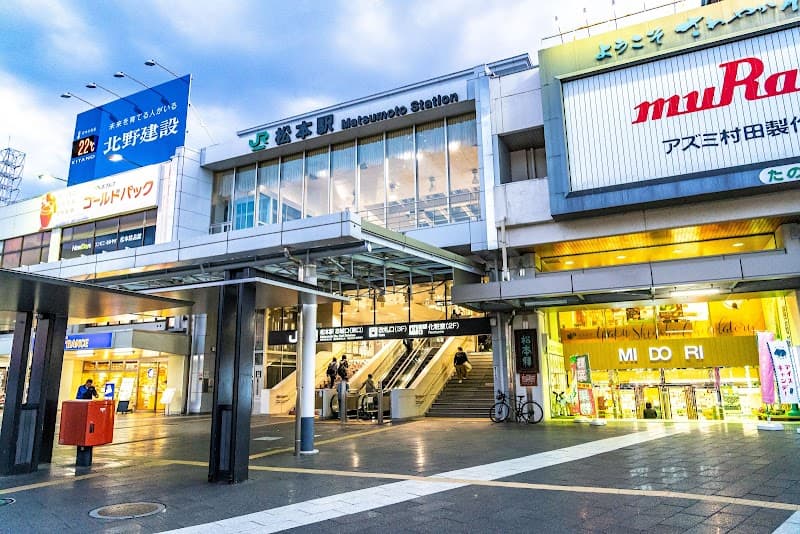
Matsumoto is reachable from Tokyo Shinjuku Station in about 2 hours 40 minutes on the Limited Express Shinano (covered by JR Pass). From Nagoya, it's roughly 2 hours. No Shinkansen line serves Matsumoto directly.
From the station, the castle is a 15-20 minute walk east. The downtown area is compact and genuinely walkable — most visitors cover the castle, Nawate Street, and Nakamachi Street on foot without trouble. The "Town Sneaker" loop bus covers tourist spots and neighborhoods if walking gets old, and it's cheap.
Taxis are available 24/7 from Alpico Taxi, starting at approximately ¥700 for the first 2km. Good for late nights or when you're moving luggage. Bicycle rentals near the station are the local's choice for covering more ground quickly — the flat basin terrain makes it easy.
For day trips, the Oito Line from Matsumoto Station gets you to Shin-Shimashima in about 30 minutes, where buses continue to Kamikochi highland valley (round trip bus approximately ¥2,500). The Japan Ukiyo-e Museum is out of easy walking range — take a bus or taxi.
Useful Phrases
Matsumoto Itineraries
View all
7 Days in Matsumoto’s Wild Alps & Castle Shadows
Week · $$$
Matsumoto Wild Greens & Castle Dreams Weekend
Weekend · $$$

7 Romantic Jungle-Alps Days in Matsumoto
Week · $$$

Romantic Matsumoto: Castles, Alps & Hidden Water Gardens
Weekend · $$$

7 Days in Matsumoto & the Alps: Castles, Forests, Onsen
Week · $$$

Matsumoto Family Weekend: Castles, Rivers, and Alpine Air
Weekend · $$$
Where to Stay in Matsumoto
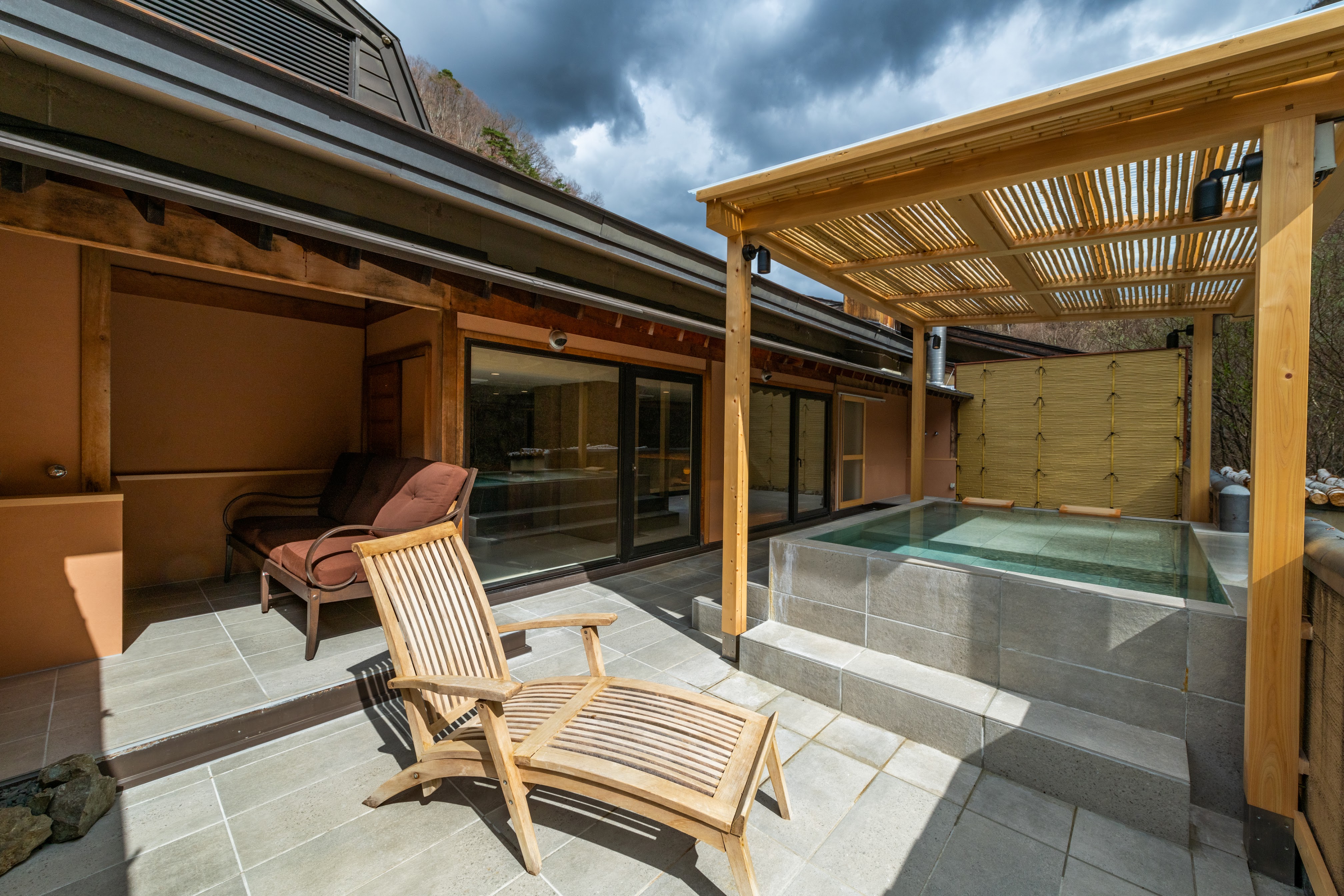
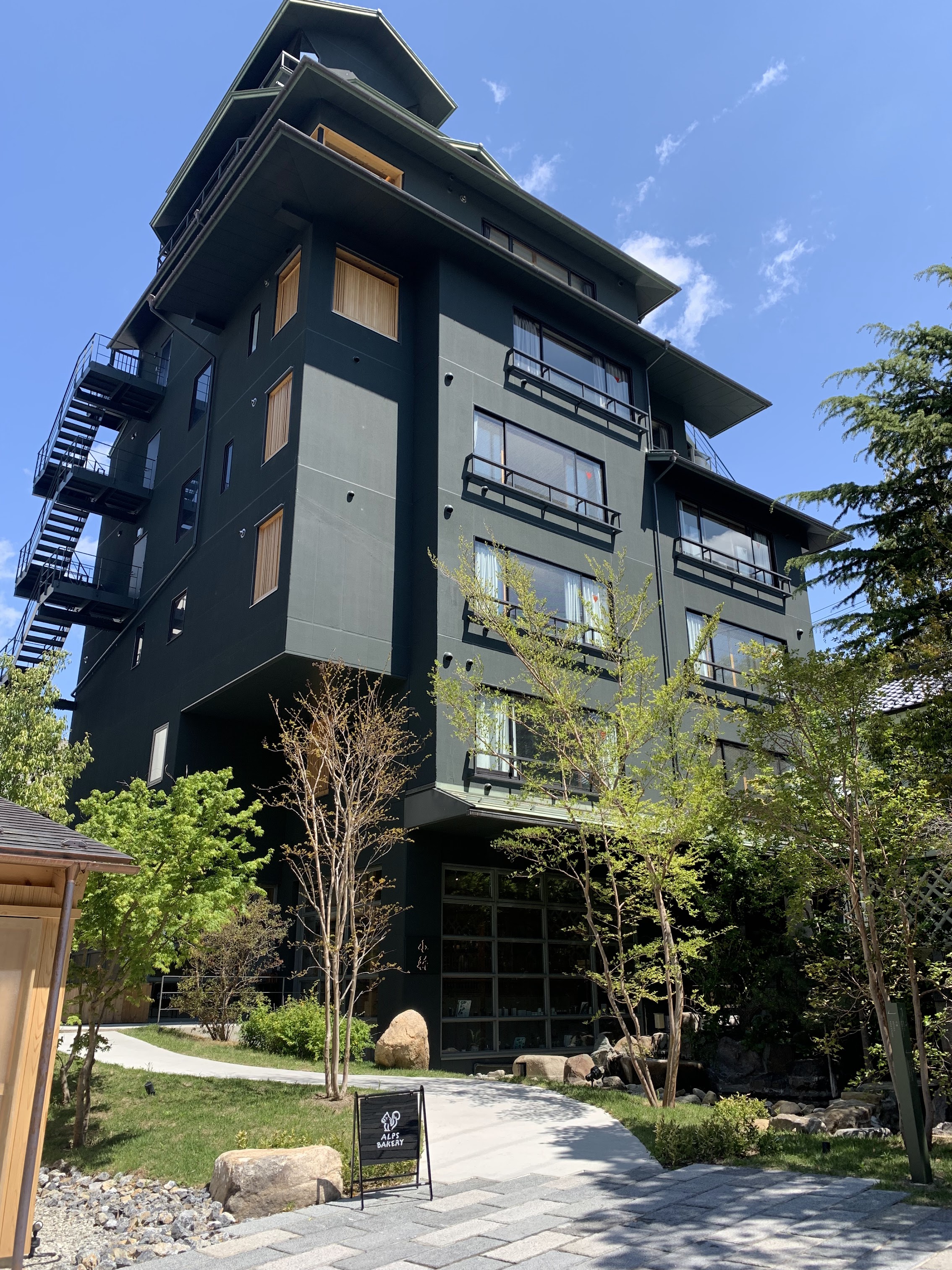
2 recommended properties
Things to Do in Matsumoto
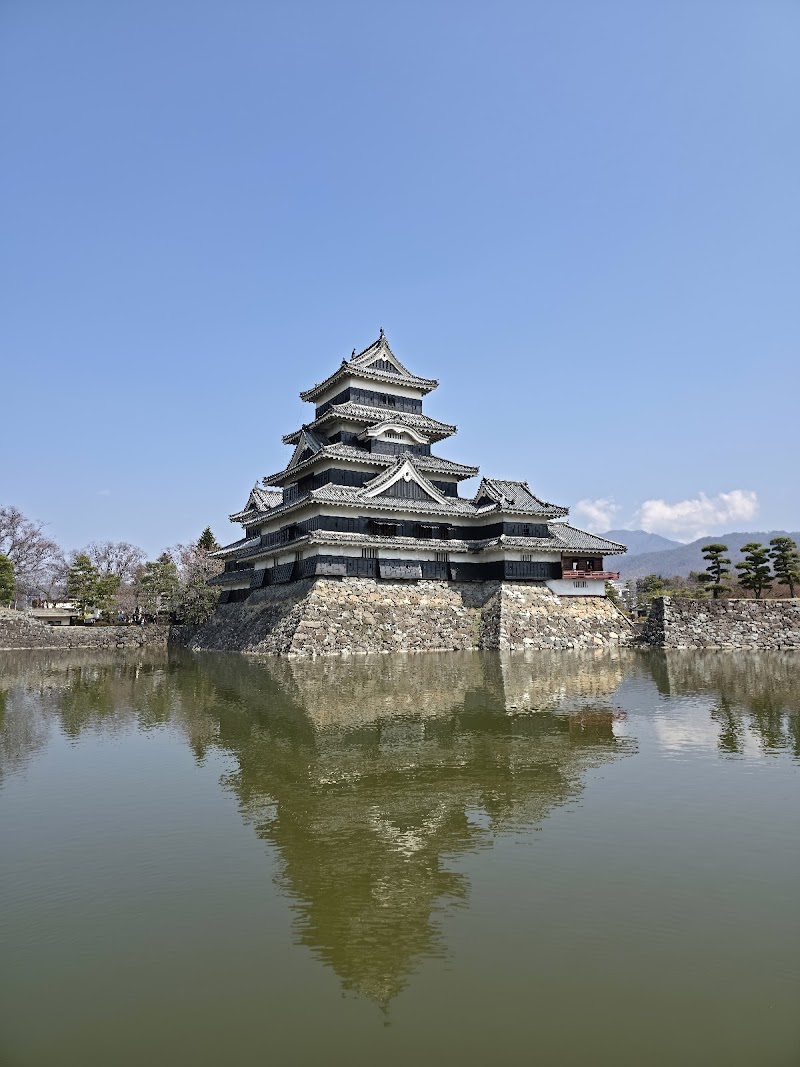
Matsumoto Castle
Matsumoto Castle Area · 120 min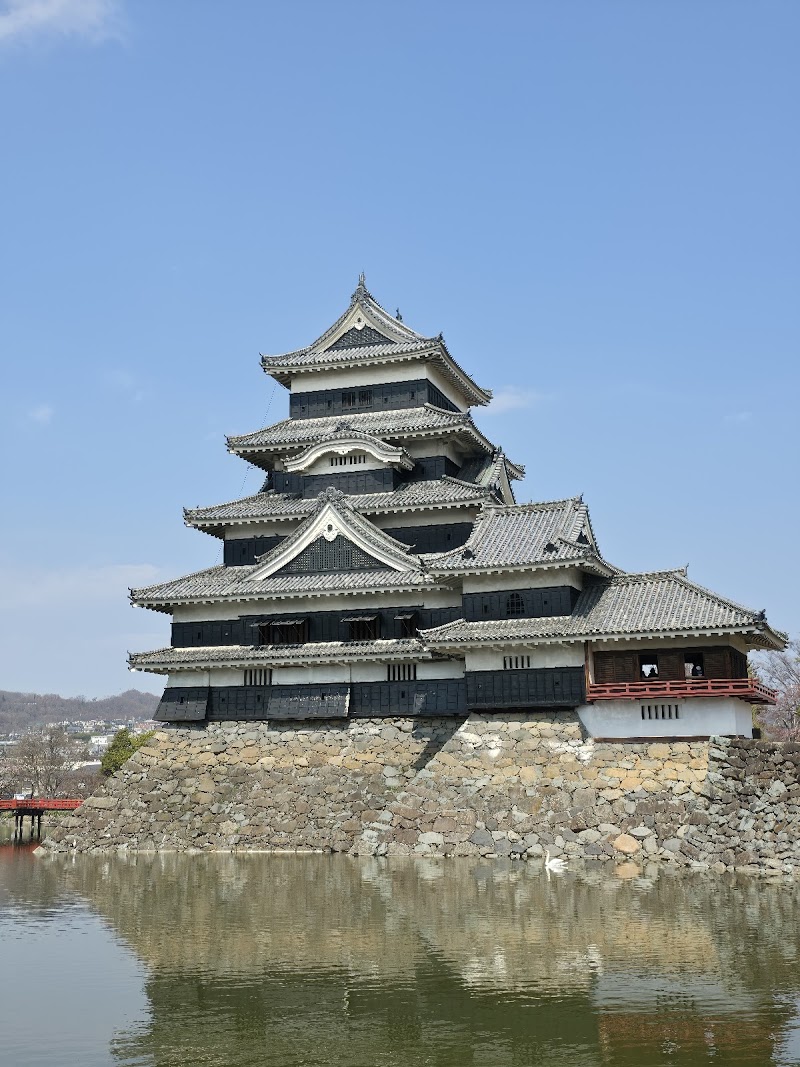
Matsumoto Castle Park & Swan Moat Walk
Matsumoto Castle Area · 60 min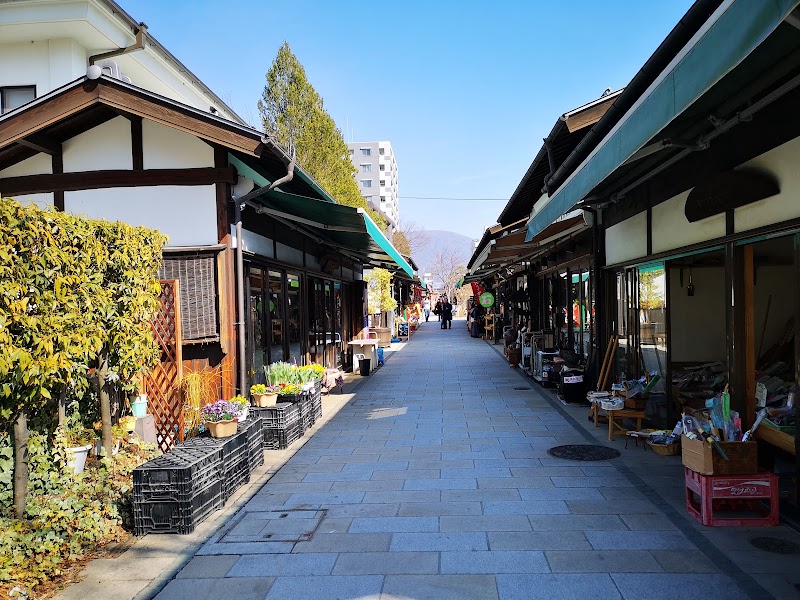
Nawate-dori (Frog Street)
Nakamachi / Nawate · 90 minMoney-Saving Tips
- 1.Buy the Matsumoto City Museum Pass for ¥610 — it covers castle admission plus four other museums and saves you about ¥400 if you visit just two sites
- 2.Rent a bicycle at the station for ¥500 per day instead of taking taxis — the city center is completely flat and bike-friendly
- 3.Eat lunch at standing soba counters near the station for ¥400-600 instead of sit-down restaurants that charge ¥1,200+ for similar portions
- 4.Book mountain accommodation through the city tourism office for potential discounts of 10-15% on partner ryokan
- 5.Buy bus passes for day trips at the station rather than paying individual fares — the Kamikochi round-trip alone saves ¥400 with a day pass
Travel Tips
- •Download the Matsumoto Castle app before visiting — it includes audio guides in English and AR features that work offline
- •Carry cash everywhere — many local restaurants and small shops don't accept cards, and ATMs can be scarce outside the station area
- •Book Kamikochi bus tickets online during peak seasons (Golden Week, autumn foliage) as they sell out quickly
- •Pack layers for mountain day trips — temperatures can drop 15-20 degrees between the city and alpine areas
- •Learn basic soba etiquette — slurping is encouraged and shows appreciation for the chef's work
- •Check weather conditions before heading to mountain viewpoints — clouds often obscure the peaks even on sunny days in the city