Miyajima
Sacred island home to Japan's iconic floating torii gate
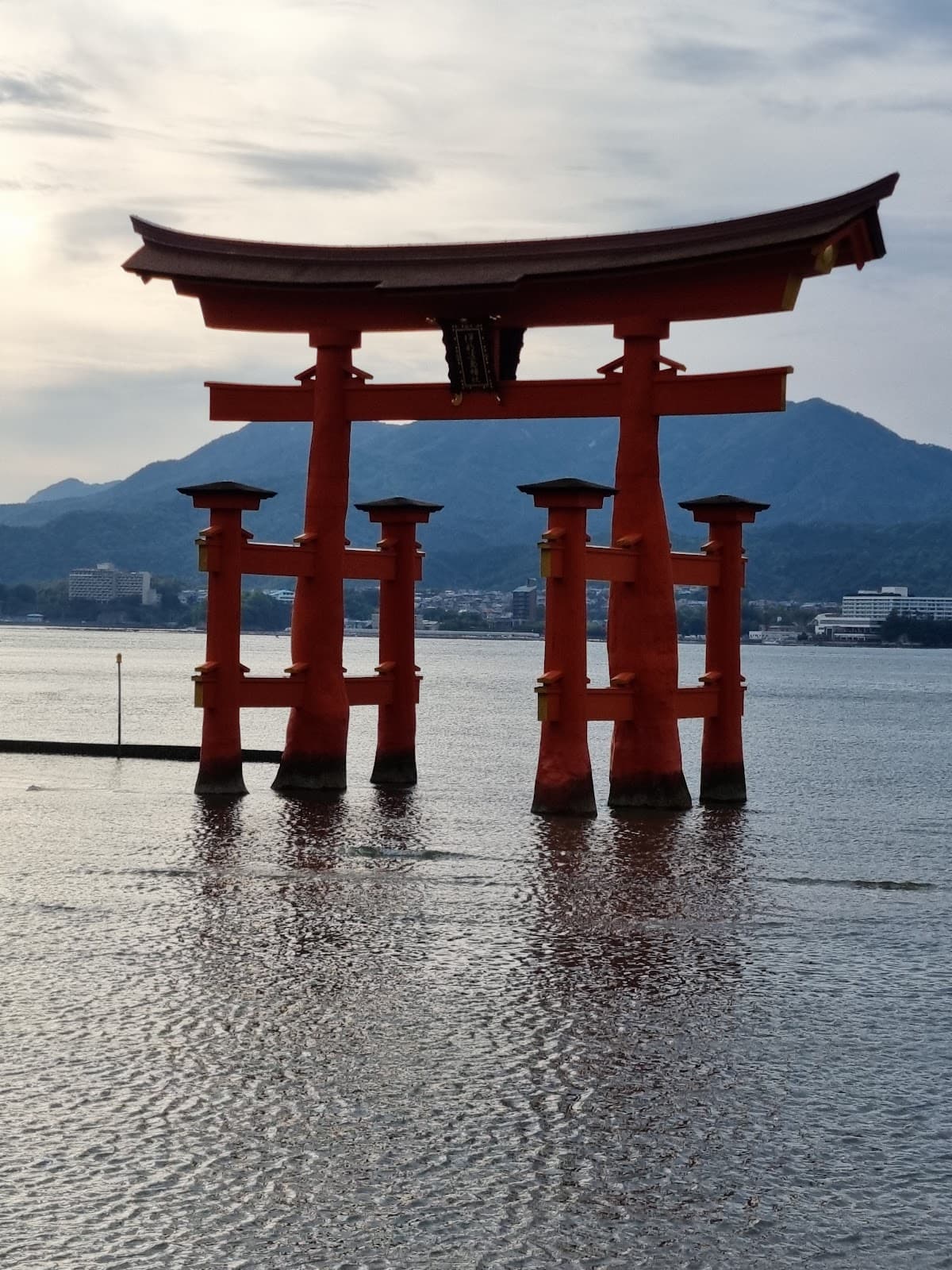
Miyajima rises from Hiroshima Bay like something from a dream. The vermillion torii gate of Itsukushima Shrine stands in the water, its reflection shimmering at high tide. Sacred deer wander the streets freely, bowing for crackers from tourists and locals alike. This isn't just another pretty Japanese island — it's one of the country's three most scenic views, and honestly, the hype is deserved.
But here's what the postcards don't show you. The island gets absolutely packed during cherry blossom season and autumn leaves. Those Instagram shots of the empty torii? They're taken at 6 AM or in winter rain. The deer, while charming, will aggressively pursue any food you're carrying. And climbing Mount Misen takes three hours round-trip, not the casual stroll some guides suggest.
Still worth it? Absolutely. Just come prepared.
Best Months
MAR · APR · MAY · OCT · NOV
~19°C · high crowds
Culture & Context
SACRED SHRINE ISLAND
Miyajima — officially Itsukushima, which literally means "shrine island" — is a small island in the Seto Inland Sea, about 30 minutes by train and a 10-minute ferry ride from Hiroshima. The whole place is treated as sacred in Shinto belief. For centuries, commoners weren't even allowed to set foot on it.
That's why the shrine was built over the water: pilgrims had to arrive by boat, passing through the torii gate without touching the holy land. That history still shapes the atmosphere. This isn't a theme park dressed up as a spiritual site.
It's the real thing, and the island has been continuously worshipped for well over a millennium. The resident deer, around 500 of them, are considered divine messengers of the gods. They wander everywhere — the shrine path, Omotesando Street, your personal space — and nobody finds it odd.
The whole island is classified as a UNESCO World Heritage Site, and visitor numbers hit nearly 3 million in 2023. The downside of all that reverence: the crowds during the day can feel relentless. But here's the thing — stay overnight, and you get the island almost entirely to yourself.
The illuminated torii gate over still water after dark is a completely different experience from the daytime rush.
Local Customs
BOW TO KAMI, NOT DEER
Don't feed the deer. This isn't a guideline — it's a city ordinance in force since 2008. Unlike Nara, there are no deer crackers sold here.
The deer are wild animals managed as sacred messengers, and human food has caused real harm. Keep paper items (maps, tickets, receipts) zipped inside your bag. The deer specifically target these and will snatch them fast..
Bow once before walking through the torii gate. Step to the side of the path, not the center — the middle of the shrine approach is considered the passage of the kami, not for human feet.. At the chozuya (purification fountain) near the shrine entrance, rinse your left hand, then right hand, then take a small amount of water in your cupped left hand to rinse your mouth.
Don't drink directly from the ladle and don't put water back in the basin.. At the main Shinto shrine hall: bow twice at a 90-degree angle, clap twice (right hand slightly lower than left), press hands together and pray silently, then bow once more. This sequence — bow, bow, clap, clap, bow — is the same at every Shinto shrine in Japan..
Don't eat while walking on the street. It's considered rude in Japan generally, and especially out of place near a sacred site. Find a spot to stand still or sit down..
Avoid flash photography inside shrine buildings. Itsukushima Shrine is an active place of worship, not a stage set. If in doubt, ask..
Keep voices low near the shrine and temple areas, particularly Daisho-in Temple. This applies even outside formal ceremonies.. The five-story pagoda is under roof renovation throughout 2026 (scaffolding expected until December 2026), so if you're coming specifically for that shot, adjust expectations..
Check tide times before you go. The Japan Meteorological Agency website has accurate forecasts for Miyajima. High tide gives you the floating torii effect; low tide lets you walk out to its base.
The experience is meaningfully different each way — plan for both if you can.. Most shops and restaurants on the island close around 5pm. If you're staying overnight, either eat before the crowd thins or book a ryokan that includes dinner.
Safety
VERY SAFE, RESPECT DEER
Miyajima is extremely safe. Japan's general low-crime environment applies here. The main practical hazards are animal and logistical.
Male deer with antlers can be aggressive during the autumn rut — keep a respectful distance and do not approach them for selfies. They will also aggressively pursue anyone holding visible food or paper bags. The last regular ferry back to Miyajimaguchi departs at 22:14 on most evenings (22:42 during festival peak periods) — miss it and you're either stranded or booking a very last-minute ryokan.
In summer, the humidity and sun on the open waterfront path are intense; bring water and sun protection. The island gets near-claustrophobically crowded during Golden Week (late April to early May), cherry blossom season (late March to early April), and autumn foliage peak (mid-November). Daytime crowd management on Omotesando Street makes walking slow.
Most of the shrine corridors are narrow and not great for wheelchairs, though the main approach paths are mostly flat. There's no ATM on the island, so bring sufficient cash before you cross.
Getting Around
FERRY & WALKABLE
From Hiroshima Station, take the JR Sanyo Line to Miyajimaguchi Station — about 27 to 30 minutes, ¥420. From there it's a 3-minute walk to the ferry terminal. Two ferry companies run the 10-minute crossing: JR West Miyajima Ferry (JR Pass valid, route passes closer to the torii gate for photos) and Matsudai Kisen (JR Pass not valid).
Both cost ¥200 plus a ¥100 Miyajima Visitor Tax introduced in October 2023, still in force for 2026. Pay the tax separately at the terminal even if you use a JR Pass. Alternatively, a direct "World Heritage Sea Route" ferry connects Hiroshima Peace Park to Miyajima in about 45 minutes for ¥2,200 one-way — good if you're combining a Peace Memorial visit with Miyajima on the same day.
The last ferry back from the island departs at 22:14 on most evenings. During festival periods (particularly Kangen-sai and the Fireworks Festival), this extends to 22:42. On the island itself, everything is walkable.
The ferry terminal to Itsukushima Shrine is a 10-minute walk. The ropeway lower station to Mt. Misen is another 10 minutes beyond the shrine.
Ferries run three to four times per hour throughout the day.
Useful Phrases
Miyajima Itineraries
View all
Seven Serene Days on Sacred Miyajima Island
Week · $$$
Miyajima Wild Shores: A 3‑Day Island Escape
Weekend · $$$
Halal-Friendly Miyajima Romance with Forest, Shrines, and Sea Views
Week · $$$
Misty Miyajima: A Romantic Island Forest Escape
Weekend · $$$
Seven Serene Days on Miyajima’s Sacred, Forested Shores
Week · $$$
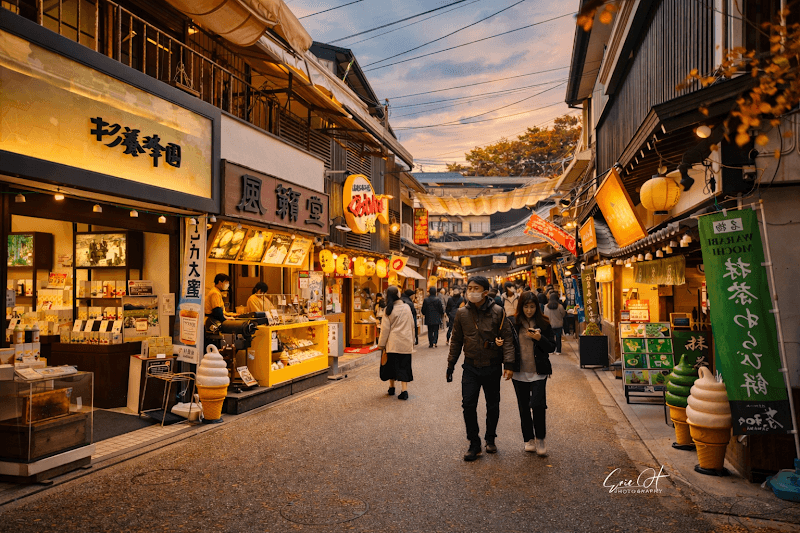
Wild Miyajima: Family-Island Adventure Among Forested Shrines
Weekend · $$$
Things to Do in Miyajima
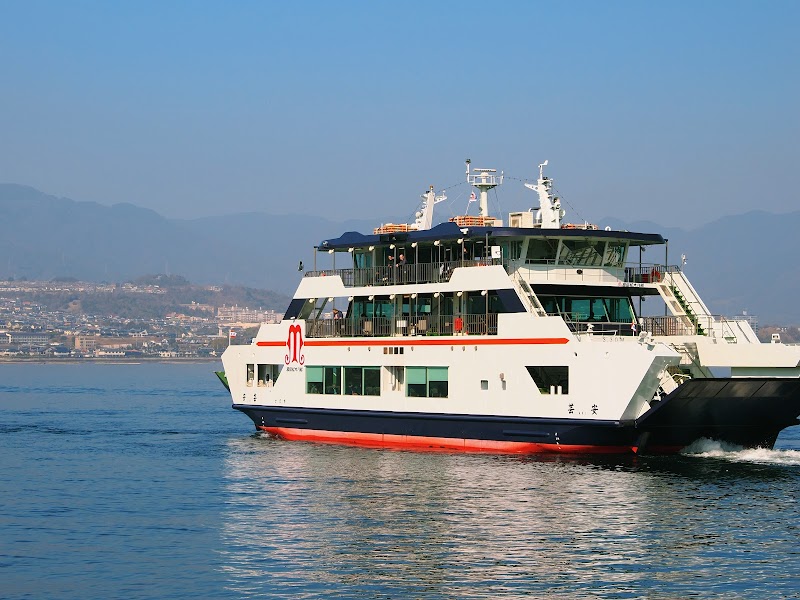
Miyajima Ferry Ride (From Miyajimaguchi)
Miyajima Port · 30 min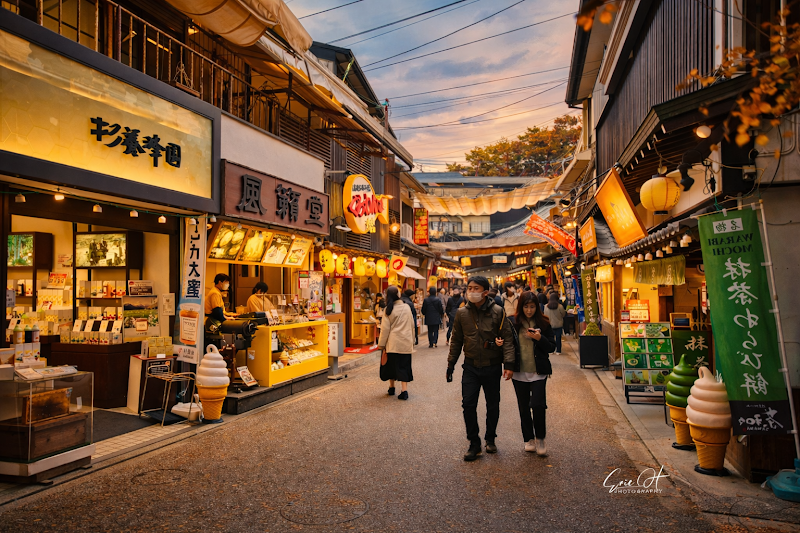
Free Explore: Omotesando Shopping Street
Omotesando · 120 min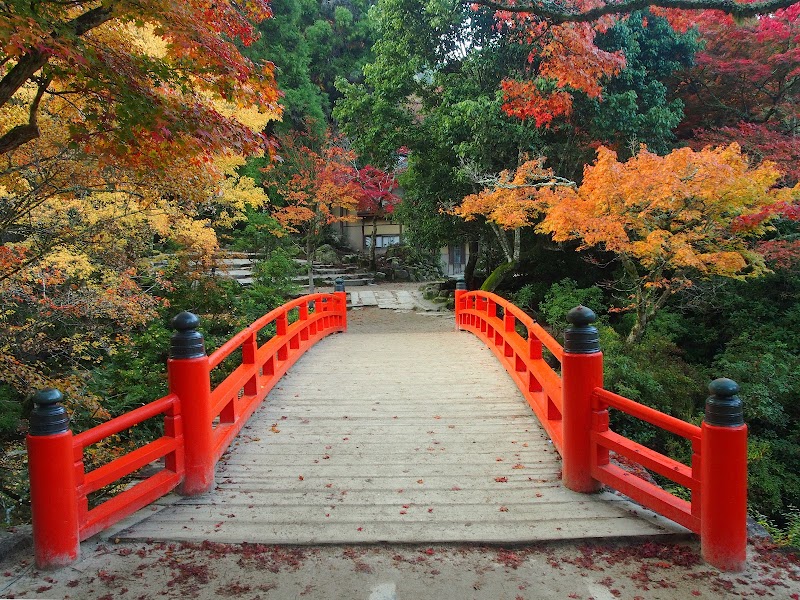
Momijidani Park Walk
Momijidani / Ropeway Base · 90 minMoney-Saving Tips
- 1.Buy a Hiroshima Tourist Pass for ¥1,000 - includes ferry to Miyajima plus unlimited streetcar rides in the city
- 2.Pack snacks from Hiroshima before taking the ferry - island food prices are 30-40% higher than mainland
- 3.Visit on weekdays when some restaurants offer lunch specials not available on weekends
- 4.The JR Ferry is covered by JR Pass holders, while Matsudai Ferry costs ¥200 regardless
- 5.Free deer crackers are sold at vending machines for ¥100 - much cheaper than tourist shops
- 6.Mount Misen hiking trail is free, while the ropeway costs ¥2,000 round-trip for the same destination
- 7.Many temples have free areas to explore before you reach the paid sections
- 8.Miyajima's public restrooms are free and clean - no need to buy drinks just for bathroom access
Travel Tips
- •Download the tide schedule app before visiting - the torii gate experience completely changes with water levels
- •Bring a small backpack or secure bag - the deer will aggressively pursue any visible food or paper
- •Wear comfortable walking shoes with good grip - temple steps get slippery when wet
- •Start your visit early morning or late afternoon to avoid the worst crowds from Hiroshima day tours
- •The island has limited ATMs - bring cash as many small restaurants don't accept cards
- •Check ropeway operating status before hiking plans - it closes frequently due to wind
- •Respect the shrine's photography rules - no flash inside buildings and no touching sacred objects
- •The last ferry times change seasonally - always check the current schedule before planning dinner
- •Temple stamp collecting (goshuin) is popular here - bring a special book or buy one on the island
- •Deer are wild animals despite being friendly - don't attempt to pet them or feed them human food