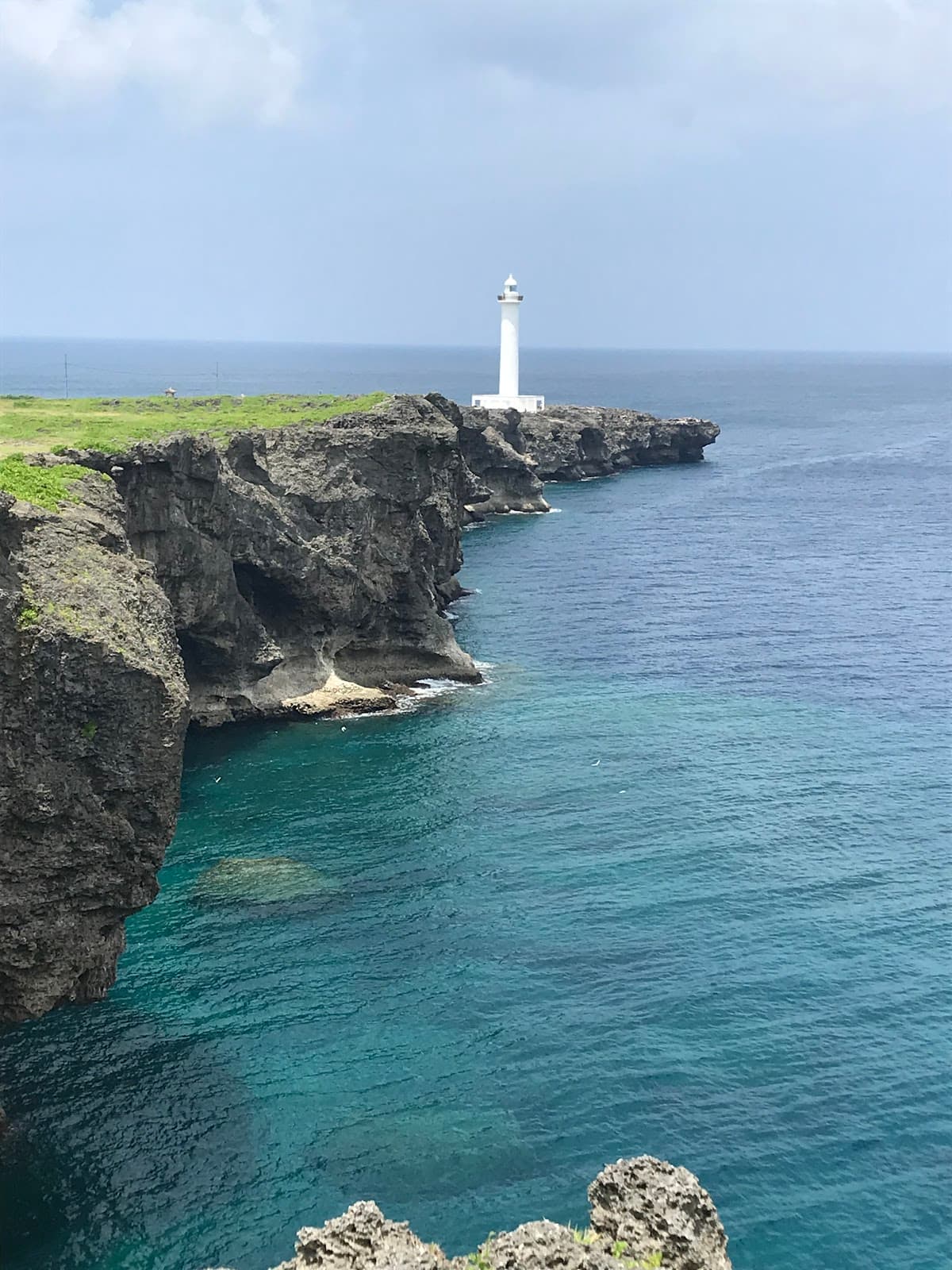
Okinawa
Japan's tropical paradise with unique Ryukyu culture
Forget everything you think you know about Japan. Okinawa feels more like Hawaii than Honshu, with crystal-clear waters lapping white sand beaches and a culture that's distinctly its own. This chain of 160 islands was once the independent Ryukyu Kingdom, and that heritage shows in everything from the red-tiled roofs to the sanshin music drifting from local bars.
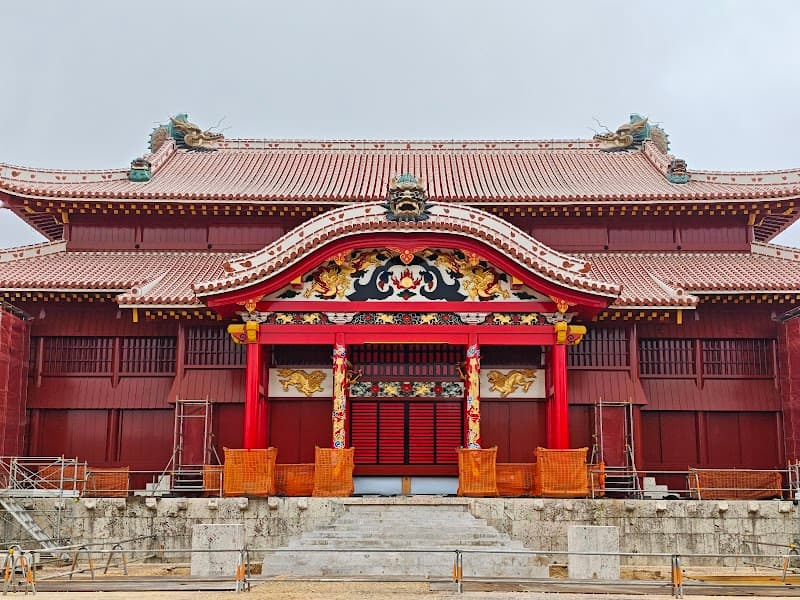
The main island, Okinawa Honto, gives you the best of both worlds. You can snorkel with sea turtles at Kerama Beach in the morning, then explore 500-year-old Shuri Castle in the afternoon. The pace here moves slower than mainland Japan — locals call it "Okinawa time" — and that's exactly the point. This is where Japanese salarymen come to decompress, and where you'll find some of the world's longest-living people sipping awamori and practicing tai chi at sunrise.
Best Months
APR · MAY · OCT · NOV
~26°C · moderate crowds
Culture & Context
RYUKYUAN, NOT JAPANESE
Okinawa is not quite Japan, and that's the whole point. This chain of subtropical islands spent centuries as the independent Ryukyu Kingdom, trading with China and Southeast Asia long before Tokyo had any say in things. Japan formally annexed it in 1879, then the Battle of Okinawa in 1945 flattened much of it.
After that came 27 years of US occupation, which ended in 1972. That layered history explains why you'll find taco rice on menus next to Okinawa soba, why older residents mix English words into local dialect without blinking, and why the architecture looks like nowhere else in Japan. The Ryukyuan identity still runs deep here.
People call themselves uchinanchu, not Japanese, and they'll say it with quiet pride.
Local Customs
STRANGERS BECOME FAMILY
Okinawans have a philosophy called 'ichariba choodee' — once you meet someone, they're family. Don't be surprised when a stranger at a local izakaya pulls you into their conversation.. Zero tolerance for drunk driving.
Literally zero blood alcohol allowed. If you drink, use the daiko service (substitute driver) available at most bars and restaurants.. Use reef-safe sunscreen.
The coral here is genuinely worth protecting, and locals notice.. Older generations use a mix of Uchinaguchi and US military-era English — you might hear someone refer to a coffee shop as a 'coffee sharp' or McDonald's as 'mikudano'. Don't correct them; it's charming..
Bow slightly when greeting or thanking someone. You don't need to go deep — a nod is fine for tourists. It's noticed and appreciated..
Remove shoes before entering homes and some traditional restaurants. Look for the step-up at the entrance (the genkan) as your signal.. Typhoons are a fact of life from June to September.
Locals treat them casually. Stocking up at the conbini before one hits is expected. Don't go near the ocean during or right after a storm — waves stay dangerous for days after the system passes.
Safety
VERY SAFE, WATCH TYPHOONS
Okinawa is genuinely safe — around 88-89 out of 100 people report feeling completely safe both day and night. Crime is low. That said, a few things actually matter.
Typhoons run from June through September, peaking August to October. They can hit fast and change course with almost no warning. Install the Windy app and follow the Japan Meteorological Agency.
When a storm warning goes up, stay inside. Locals are calm about this — it's routine for them. Ocean currents are the real risk here.
Rip currents, sudden swells after storms, and post-typhoon wave surges have caused deaths. Don't swim at unpatrolled beaches alone, and don't go near the water for at least a day or two after a typhoon passes. If you're hiking in forested or grassy areas, watch for habu snakes — they're venomous, native to Okinawa, and very good at blending in.
Stick to marked trails. The Tsuji neighborhood in Naha is worth avoiding late at night. Everywhere else, including nightlife districts, is fine.
Just the usual stuff: watch your drinks in bars, keep your phone out of sight in crowded markets during festivals.
Getting Around
RENT CAR OUTSIDE NAHA
There's no regional train network outside Naha. The Yui Rail monorail runs 19 stations from the airport through the city center to Shuri Castle, operating 6am to 11:30pm daily. It covers most of Naha's main spots — Kokusai-dori is a short walk from Makishi or Kencho-mae stations.
A 1-day pass costs ¥800 and a 2-day pass is ¥1,400; both include discounts at attractions like Shuri Castle. For buses, fares within central Naha run ¥240-260. Pick up an OKICA card at monorail stations or FamilyMart — it works on both buses and the monorail, and major IC cards like Suica are accepted too.
But here's the thing: if you want to leave Naha, rent a car. The bus network exists but it's slow, infrequent, and often confusing without Japanese skills. A compact rental car runs around ¥7,500 per 24 hours.
Japan drives on the left. Foreign visitors need an International Driving Permit (most nationalities) or an official Japanese translation of their license — NOT just a regular international license for some countries like France or Germany, so check the JAF website before you go. For the outer islands, ferries run daily from Naha to Tokashiki, Zamami, and Kerama.
Book ahead in peak season. Buses to Churaumi Aquarium take about 2 hours from Naha on Highway Bus No. 117.
Useful Phrases
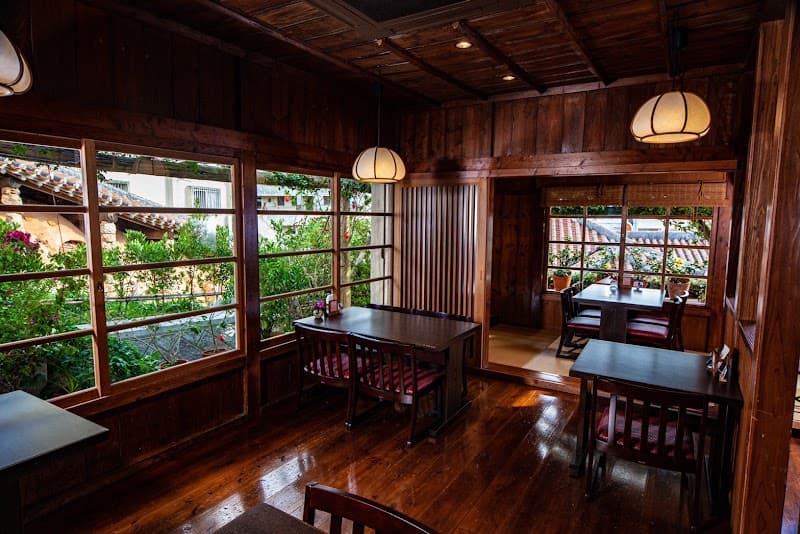

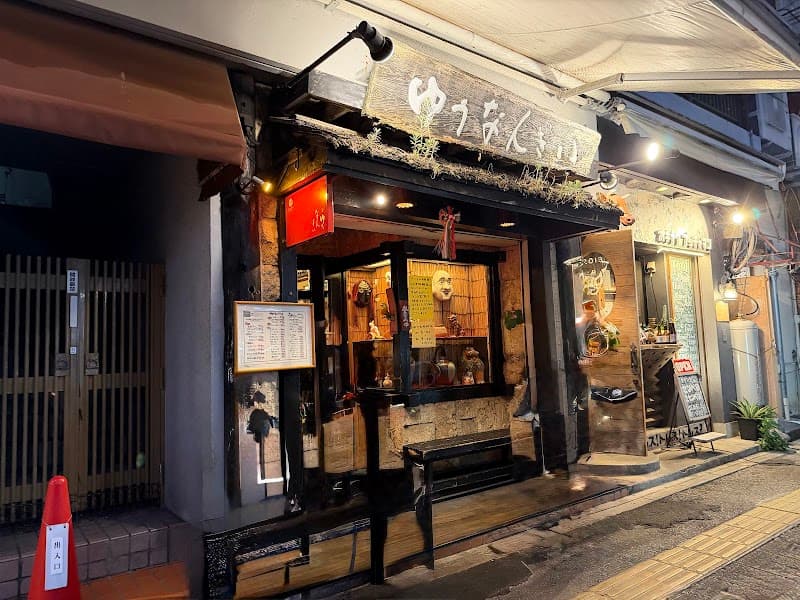
Things to Do in Okinawa
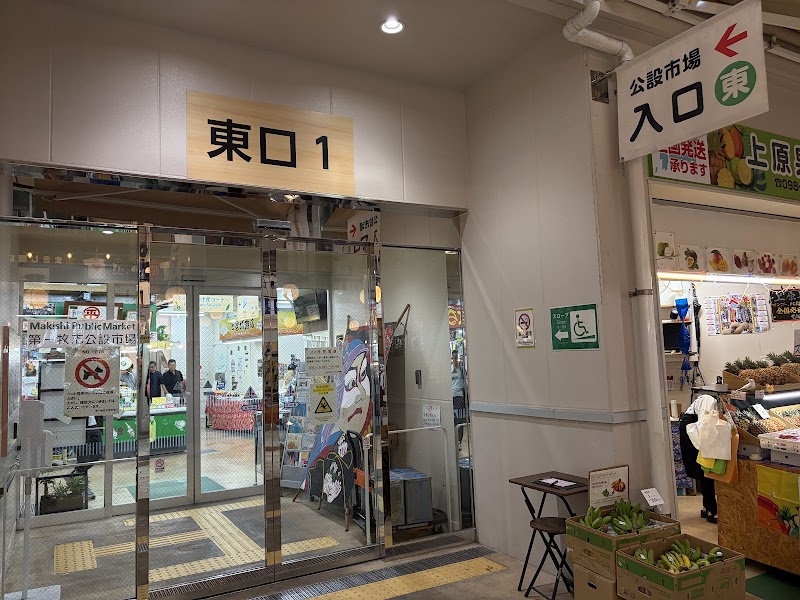
Makishi Public Market
Naha Kokusai‑dori · 60 min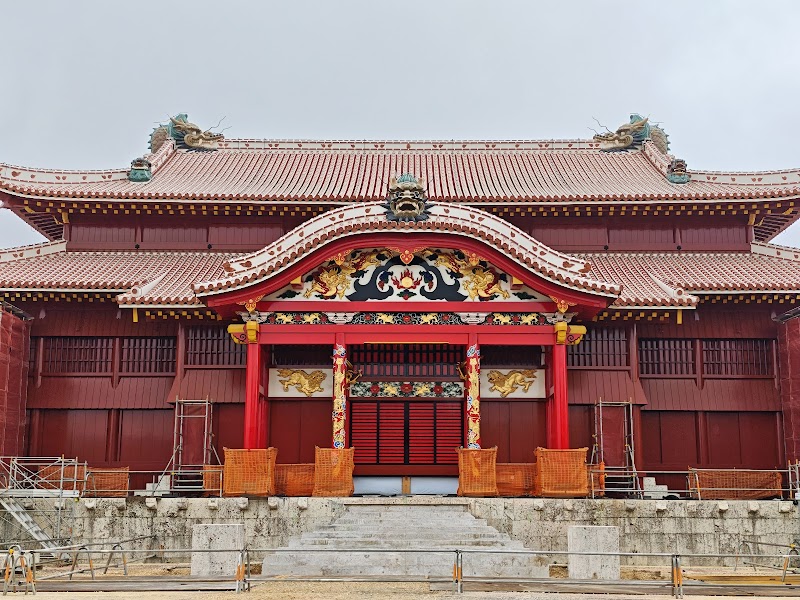
Shurijo Castle Park
Shuri · 120 min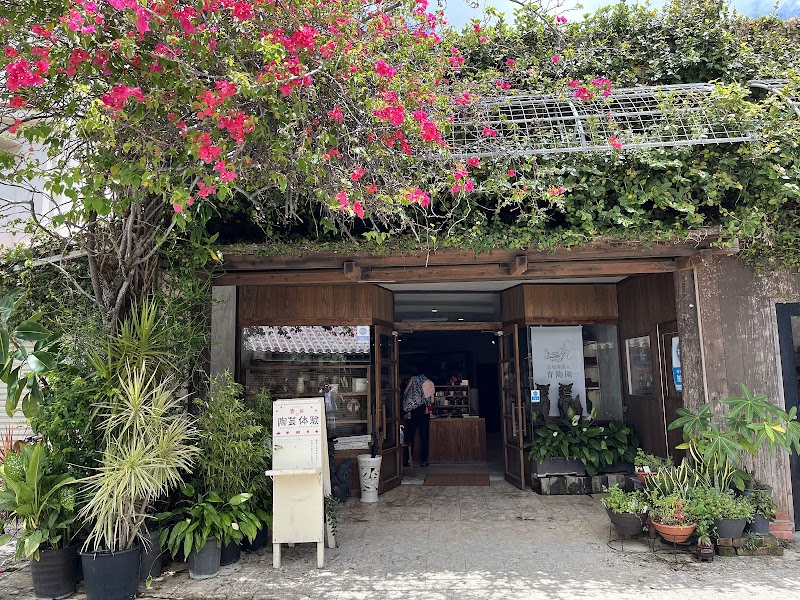
Tsuboya Yachimun Street
Naha Tsuboya · 60 minMoney-Saving Tips
- 1.Buy a Yui Rail day pass for ¥800 instead of individual tickets — it covers Naha's monorail system and includes discounts at major attractions
- 2.Eat lunch at hotel buffets instead of dinner — same food, half the price (around ¥2,500 vs ¥5,000)
- 3.Shop for souvenirs at A&W or Family Mart convenience stores rather than tourist shops — same awamori and goya products, 30% cheaper
- 4.Book car rentals through local companies like OTS instead of international brands — rates start at ¥2,500/day vs ¥4,000+
- 5.Visit beaches on the east coast (Hamahiga, Ikei) instead of resort areas — free parking and equally beautiful water
- 6.Buy groceries at Union or San-A supermarkets, not hotel convenience stores — prices drop by 40% for snacks and drinks
Travel Tips
- •Download offline maps before leaving Naha — cell service gets spotty in northern mountains and remote beaches
- •Pack reef-safe sunscreen (zinc oxide only) — many beaches ban chemical sunscreens to protect coral
- •Learn basic sanshin rhythms — locals love when visitors attempt traditional music, and instruments rent for ¥500/day
- •Bring cash — many restaurants and attractions don't accept cards, especially outside Naha
- •Respect local customs at sacred sites like Sefa-utaki — remove shoes, speak quietly, and don't touch stone formations
- •Check typhoon forecasts from June-October — flights cancel quickly and hotels fill up with stranded travelers
- •Try island vegetables like purple sweet potatoes and dragon fruit — they're cheaper here than anywhere in mainland Japan
- •Book diving trips in advance during peak season — popular spots like Blue Cave fill up weeks ahead