Tel Aviv
Mediterranean beach city with non-stop nightlife and innovation
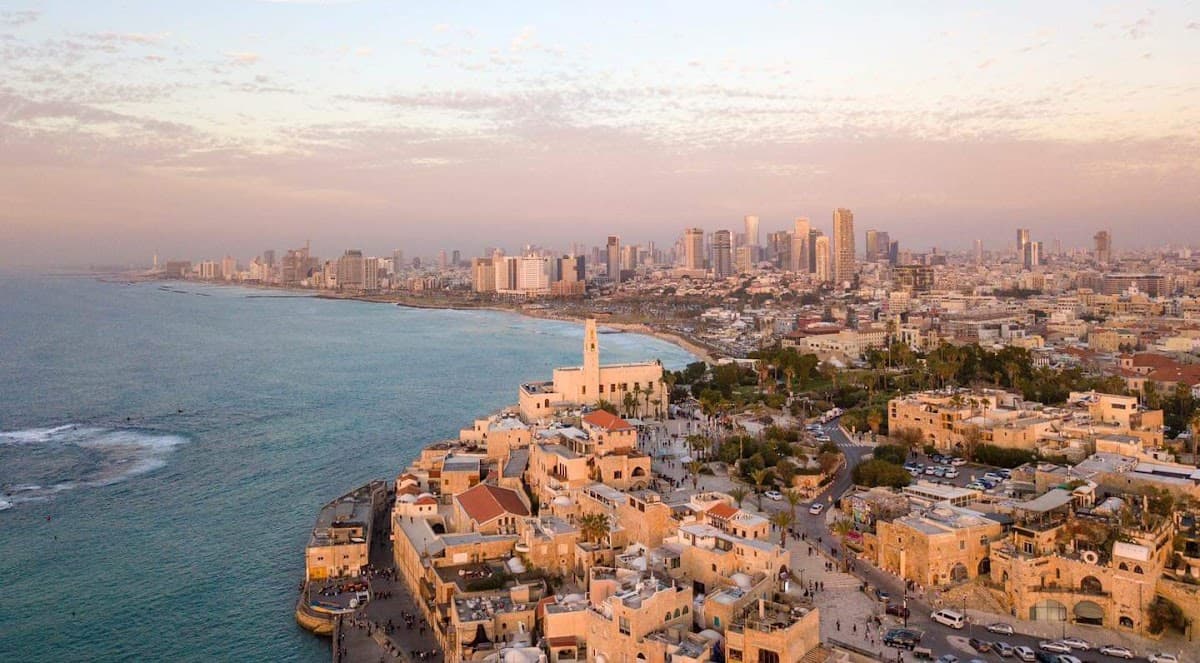
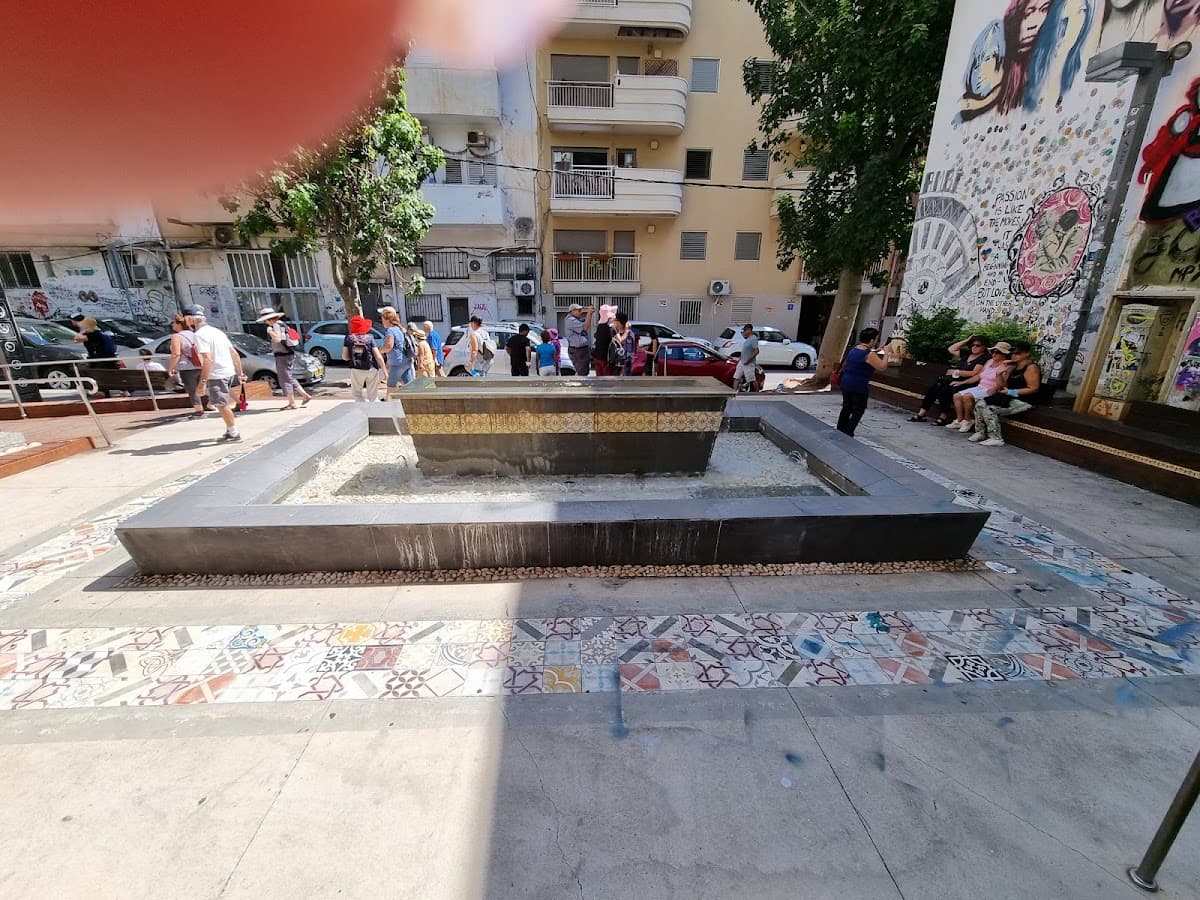
Tel Aviv hits different. This Mediterranean beach city runs on pure energy — tech startups by day, world-class clubs by night, and some of the best hummus you'll ever taste in between. The beaches stretch for miles along the coast, but the real magic happens in neighborhoods like Florentin and Neve Tzedek, where street art covers every wall and cafes spill onto cobblestone streets. Yes, it's expensive. And yes, the summer heat can be brutal. But there's something about Tel Aviv that gets under your skin — maybe it's the way locals treat strangers like old friends, or how a random Tuesday night can turn into the best party of your life.
Best Months
APR · MAY · JUN · SEP · OCT · NOV
~28°C · moderate crowds
Culture & Context
SECULAR MEDITERRANEAN ANOMALY
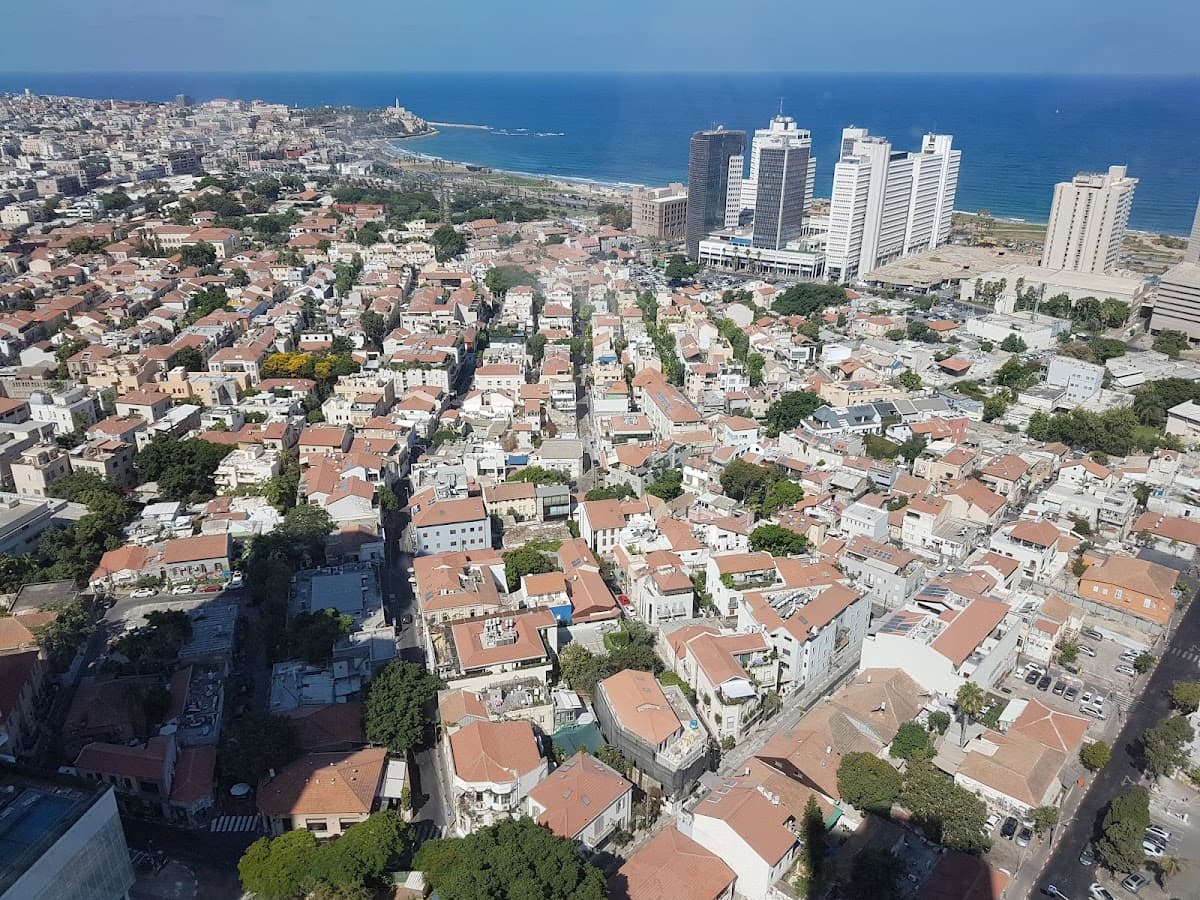
Tel Aviv is a secular Mediterranean city that happens to sit in the Middle East — which explains why so many first-time visitors feel disoriented in the best possible way. The beach is 14 kilometers long. The food scene runs from street-level sabich wraps (roasted eggplant, hard-boiled egg, tahini, and the crucial mango amba sauce stuffed in pita) to restaurants that could compete anywhere in Europe.
The city has more startups per capita than almost anywhere on earth and the tech money is visible in the real estate prices and the coffee shop laptops. English is widely spoken — most young Israelis are genuinely fluent. But Hebrew is the living language of daily life, and it's a remarkable one.
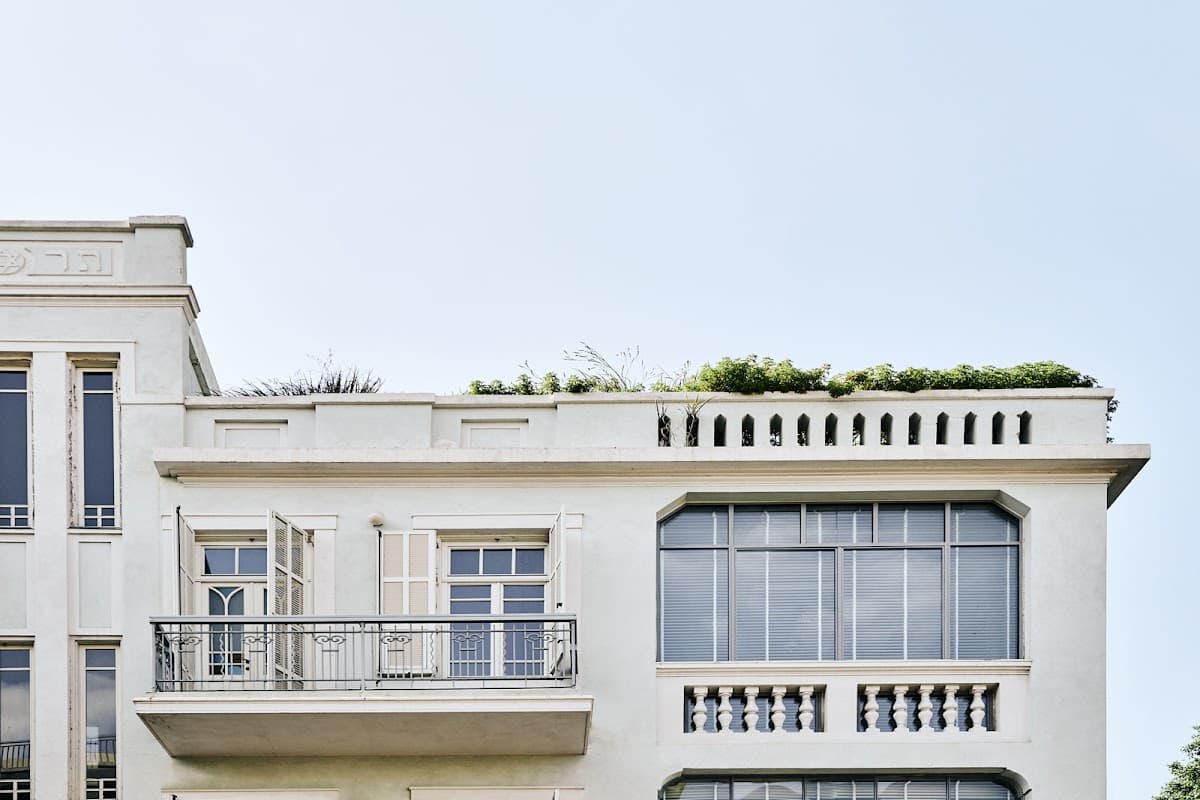
Revived from near-extinction in the late 19th century, Modern Hebrew blends ancient Biblical vocabulary with street slang absorbed from Arabic, Yiddish, Russian, and English. Tel Aviv has a well-established LGBTQ culture and Pride here is not a parade so much as a full week citywide event. The city is also notably diverse — Yemenite, Ethiopian, Russian, and Moroccan Jewish communities all have deep roots here, which shows in the food, the music, and the architecture.
And despite all the Mediterranean ease, the underlying tension of the region is never entirely absent. Israelis live with a level of security awareness that becomes normalized, and as a visitor you will too.
Local Customs
SHABBAT CHANGES EVERYTHING
Shabbat changes everything from Friday at sundown to Saturday night. Most public transport stops completely, many shops and restaurants close, and the city enters a different gear. In Tel Aviv it's more relaxed than Jerusalem — bars, some cafes, and Arab-owned businesses in Jaffa stay open — but plan ahead.
Sherut (shared taxis) still run on main routes when buses don't.. Israelis communicate directly. No sugarcoating.
Someone who seems rude by Western standards is probably just being efficient. Don't take it personally — they'll help you sincerely if you need it.. The workweek runs Sunday through Thursday (or Friday morning).
Saturday night is technically a weeknight. Going out on Thursday night is the equivalent of going out on a Friday almost anywhere else.. Carmel Market on Friday morning is a local ritual.
Arrive before 9 AM to beat the crush of locals doing Shabbat shopping. By 11 AM it's genuinely difficult to move.. Metal detectors at mall entrances are standard and normal.
Security guards checking bags are part of daily life, not an alarm signal. Don't slow down or act flustered — it takes seconds.. If invited to a Shabbat dinner, bring wine or flowers.
If the household keeps kosher, make sure the wine is labeled kosher. It's rude to decline the invitation without good reason.. Dress codes at beaches are non-existent.
But if you visit a synagogue, mosque, or religious site anywhere nearby, cover shoulders and knees. This applies in both Jewish and Muslim religious spaces.. Haggling is fine and expected at markets.
Set prices are the norm in regular shops and restaurants. Never try to bargain at a café or sit-down restaurant.. Tipping around 10–12% is standard at sit-down restaurants.
Service staff expect it. Not tipping after a full meal is noticed.. Download the Tzofar alert app before you arrive.
It gives 10–15 minutes advance warning in the event of incoming missiles or rockets — and knowing the location of the nearest shelter in your accommodation is worth asking about at check-in.
Safety
CHECK ADVISORIES FIRST
Tel Aviv itself has low street crime — pickpocketing occurs at Carmel Market and on crowded beaches, but violent crime against tourists is rare. The bigger safety consideration is the regional security situation. The U.
S. State Department currently rates Israel as "Reconsider Travel" due to terrorism and civil unrest, and in February 2026 authorized the departure of non-emergency U.S.
government personnel from Mission Israel. Several other governments also advise caution. That said, as of mid-2026, tourist areas including Tel Aviv, Jerusalem, and the Dead Sea are largely operating normally, tours are running, and the beaches are full.
The practical day-to-day experience in Tel Aviv feels calm for most visitors, but the security situation can shift without warning. Check your own government's current travel advisory before booking — not as a formality, but as a real decision-making tool. Stick to central neighborhoods (Rothschild Boulevard, Neve Tzedek, the beachfront) which are well-lit and patrolled.
Use the Gett or Uber apps rather than unlicensed taxis, especially late at night. Avoid political demonstrations, which can escalate quickly. Emergency numbers: Police 100, Ambulance 101, Fire 102.
Getting Around
RED LINE & WALKABLE
Ben Gurion Airport is 20 km southeast of the city. The train to Tel Aviv's central stations takes about 20 minutes and costs ₪12 ($3.90) — but it doesn't run on Shabbat (Friday afternoon through Saturday night).
Buses cost about ₪5.81 ($1.84) from Terminal 3 and take 45–60 minutes.
Sherut shared taxis cost around ₪25 ($8) and run when other transport doesn't. Uber or Gett from the airport runs ₪109–145 ($34–46). Within the city, the Dankal Red Line light rail has been running since August 2023 and is clean, fast, and genuinely useful — covering stops from Bat Yam in the south through Jaffa and central Tel Aviv up to Petah Tikva.
A single ride costs ₪8 and covers 90 minutes of travel with free transfers to buses. The Green and Purple lines are still under construction. You need a Rav-Kav smart card (buy one at the airport, central bus stations, or most train stations for ₪5 plus your first load) or the Moovit app to pay.
City buses run from around 5:30 AM to midnight on weekdays, every 5–15 minutes during peak hours. Nothing runs on Shabbat except sherut shared taxis on main routes. Tel Aviv is flat and very walkable.
Most of the tourist neighborhoods sit within comfortable walking distance of each other. The bike-share system (Tel-O-Fun) has stations throughout the city, and the Tayelet promenade is ideal for cycling all the way from Jaffa to the northern port.
Useful Phrases
Explore Neighborhoods
Explore the Region
Money-Saving Tips
- 1.Eat lunch at Carmel Market food stalls instead of restaurants — same quality, half the price
- 2.Buy alcohol at supermarkets before going out — club drinks cost ₪50+ each
- 3.Use Tel-O-Fun bike sharing for short trips — cheaper than taxis and often faster
- 4.Happy hour at beach clubs runs 4-7pm with discounted drinks and food
- 5.Shop for groceries at Shufersal Deal or Rami Levy instead of tourist-area markets
- 6.Many museums offer free admission on certain days — check websites before visiting
- 7.Beach access is free everywhere — skip expensive beach clubs unless you want the service
Travel Tips
- •Download offline maps — cell service can be spotty in old Jaffa
- •Learn basic Hebrew greetings — locals appreciate the effort even if they speak perfect English
- •Carry cash for market vendors and small restaurants — many don't accept cards
- •Sunscreen costs double what you pay at home — bring extra from your departure city
- •Friday nights and Saturdays see reduced public transport due to Shabbat
- •Tipping 10-15% is standard at restaurants, round up taxi fares
- •Beach clubs provide towels and umbrellas — no need to pack your own