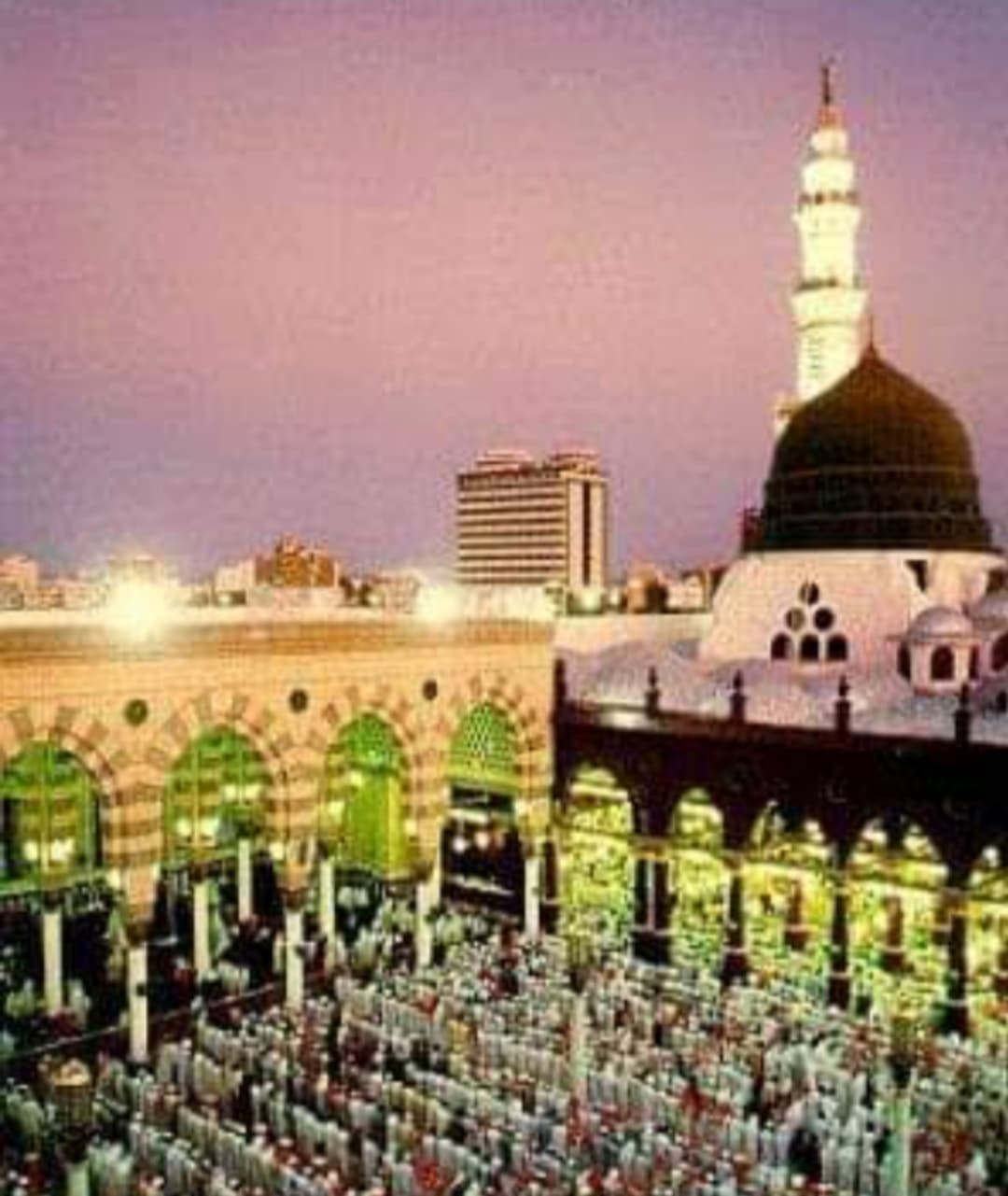
Madinah
Islam's second holiest city welcomes faithful pilgrims worldwide
Madinah holds a place in every Muslim's heart that no other city can touch. This is where Prophet Muhammad established the first Muslim community, where the Prophet's Mosque stands today, and where millions of pilgrims find peace after completing Hajj or Umrah. But here's what surprised me most about Madinah — it's not just about the spiritual sites. The city pulses with life around the Haram, from families sharing iftar on marble courtyards to elderly pilgrims finding shade under the mosque's iconic umbrellas. The call to prayer echoes five times daily across a city that seamlessly blends 1,400 years of Islamic history with modern infrastructure built to welcome 30 million visitors annually.
Best Months
JAN · FEB · MAR · NOV · DEC
~28°C · peak crowds
Culture & Context
PROPHET'S CITY BREATHES PRAYER
Madinah (Al-Madinah al-Munawwarah, "The Radiant City") is the second holiest city in Islam and the city where the Prophet Muhammad migrated in 622 CE, built his mosque, and was buried. That's not a footnote here. It's the entire reason the city exists and breathes the way it does.
Everything slows down at prayer time. Shops shutter briefly five times a day, and nobody rushes. The pace is quieter than Jeddah or Riyadh by a long stretch.
For Muslim pilgrims, this is an intensely emotional destination — people weep just walking toward the mosque. Non-Muslims can visit Madinah's outer areas (the Hejaz Railway Museum, Mount Uhud, the Dates Market, King Fahd Park) but the Haram precinct surrounding Al-Masjid an-Nabawi is restricted to Muslims only, with checkpoints on major roads enforcing that boundary. The city draws around 1.
5 million permanent residents and millions of annual pilgrims, so the social fabric is genuinely international. You'll hear Urdu, Bahasa, Turkish, and Swahili before you hear English. Vision 2030 is reshaping the city fast — the massive Rua Al Madinah project, covering 1.
5 million square metres just one kilometre east of the Prophet's Mosque, is adding 47,000 hotel rooms and a pedestrian-first corridor directly to the mosque's squares, with the first phase targeted for completion in 2026.
Local Customs
RIGHT HAND, GREET ALWAYS
Greet with As-Salamu Alaykum whenever you enter a space, join a group, or meet someone. It's not optional etiquette here — skipping it registers as cold or rude.. Always use your right hand for giving, receiving, eating, and handshakes.
The left hand is considered unclean in Islamic tradition. This applies at the dates market, restaurants, and when accepting anything from a host.. When offered Arabic coffee (qahwa) and dates — and you will be offered them — accept.
Declining hospitality is genuinely rude. Once you've had enough coffee, give the small cup a gentle side-to-side shake to signal you're done, otherwise it gets refilled.. Dress modestly at all times, not just inside the mosque.
Men should wear full-length trousers and loose shirts. Women should cover arms, legs, and hair in public areas near the Haram. The rules are enforced through social pressure more than legal intervention, but the social pressure is real..
Shops and restaurants close briefly during the five daily prayer times (salat). Don't treat this as an inconvenience. Wait, sit, watch the city shift into a different gear.
It usually lasts 15-20 minutes.. During Ramadan, eating, drinking, or smoking in public during daylight hours is strongly discouraged and legally prohibited. Hotels accommodate guests with private dining, but eat discreetly.
After sunset, iftar is communal and generous — the Prophet's Mosque organises massive open-air iftar meals in its courtyards.. Public displays of affection between couples — even hand-holding — are inappropriate in the Haram district and generally frowned upon city-wide.. Never photograph individuals without asking permission first, especially women.
Inside prayer halls, put the phone away entirely. At Al-Baqi Cemetery, photography is not permitted at all.. Bargaining is expected at the Dates Market and smaller souvenir shops near the mosque.
Start lower than you'd expect and meet in the middle. Fixed-price shops usually display that clearly.
Safety
VERY SAFE, EXTREME HEAT
Madinah is one of the safest cities in Saudi Arabia. The security presence around the Prophet's Mosque and major landmarks is thorough and highly visible. Crime against visitors is exceptionally rare.
The Saudi Red Crescent maintains medical stations at the Prophet's Mosque and major visitor sites, and King Fahd Hospital and Al-Madinah General Hospital serve the broader city. The real risk here isn't crime — it's heat. Summer temperatures regularly exceed 40°C (104°F) and can hit 44-45°C in July and August.
If you're visiting then, plan outdoor activities for early morning or after sunset only, carry water everywhere, and use high-SPF sunscreen. Meningococcal ACWY vaccination is mandatory for Hajj and Umrah visa holders. Carry any prescription medications and oral rehydration salts as a precaution.
Photography inside prayer halls is discouraged, and taking photos of individuals (especially women) without permission is a serious breach of etiquette. Do not photograph government buildings or military installations.
Getting Around
HARAMAIN RAILWAY CONNECTS
Prince Mohammad bin Abdulaziz International Airport (MED) sits about 15 kilometres northeast of the city centre. Taxis, Uber, Careem, and Jeeny all operate from arrivals. The ride downtown takes 20-30 minutes and costs roughly SAR 40-70.
The Haramain High-Speed Railway is the standout option for getting between Madinah and Mecca or Jeddah — trains hit 300 km/h and do the Madinah-to-Mecca run in about 2.5 hours. Economy class fares start at SAR 150 (roughly $40).
Book at least a week ahead during peak pilgrim seasons because seats vanish fast. The Madinah station is at Knowledge Economic City, about 10km from the Haram, so factor in a taxi or app ride on each end. Within the city, Uber, Careem, and Jeeny are your best friends.
Most trips inside the urban area cost SAR 10-30. The area immediately around the Prophet's Mosque is highly walkable — wide pedestrian zones, shaded arcades, and air-conditioned tunnels connect major hotel clusters to the mosque entrances. There is no metro as of 2026.
Many hotels within 2-5 kilometres offer complimentary mosque shuttles during peak seasons. SAPTCO runs intercity buses if you need a budget option to Jeddah or Riyadh. During Hajj and Ramadan, the city runs free shuttle routes between major hotels, the mosque, and satellite parking.
Useful Phrases
Madinah Itineraries
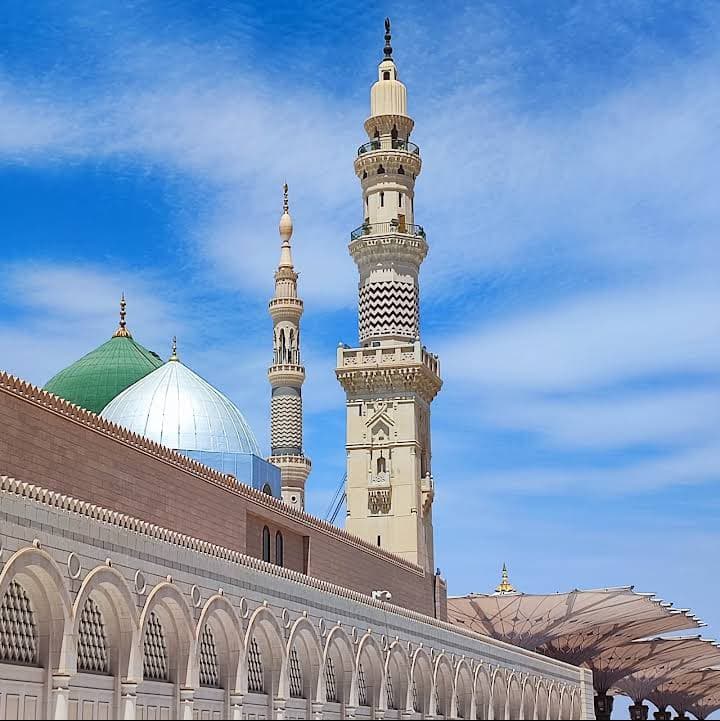
Things to Do in Madinah
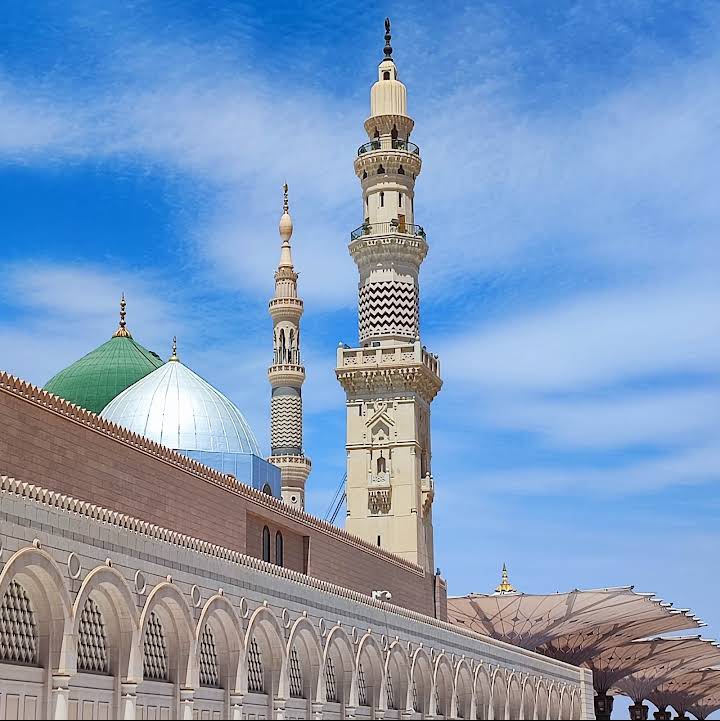
Masjid Al-Nabawi
120 min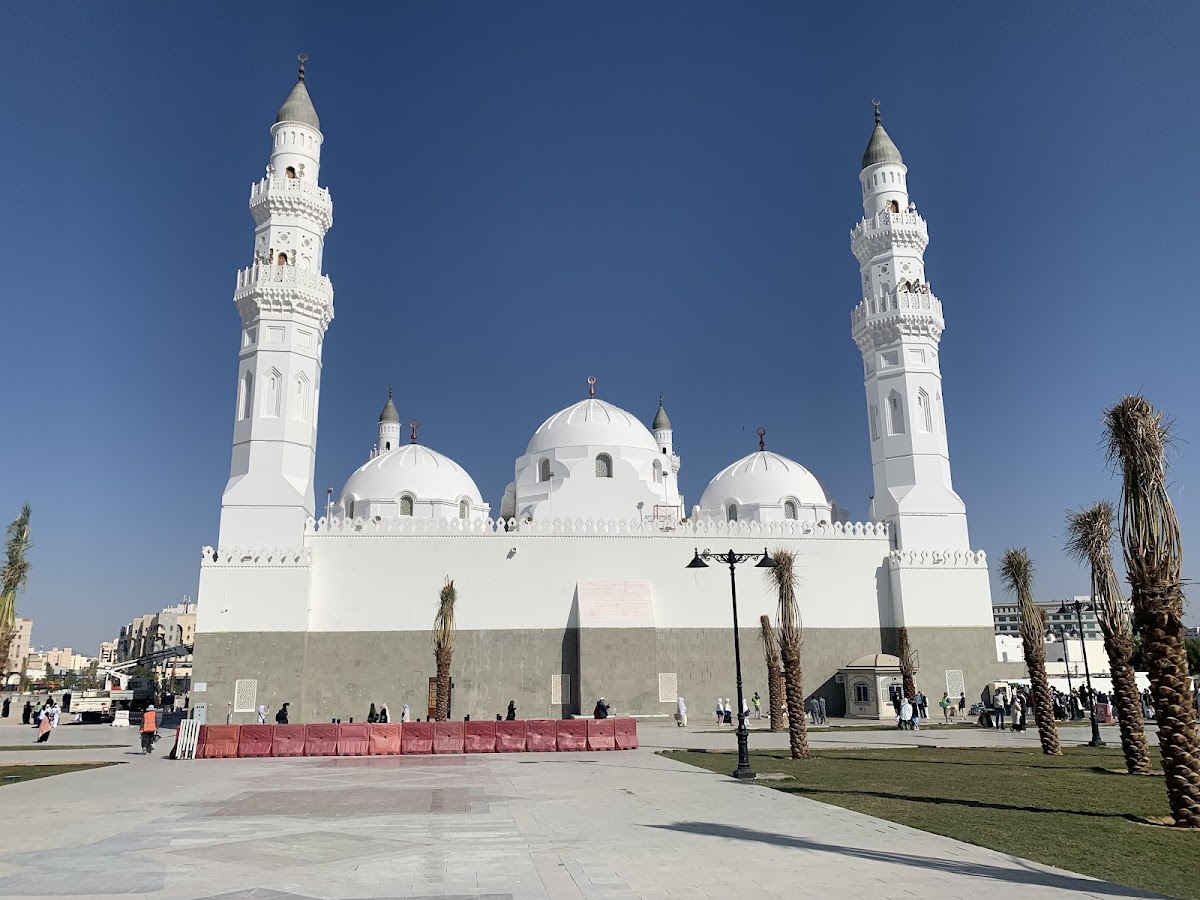
Quba Mosque
60 min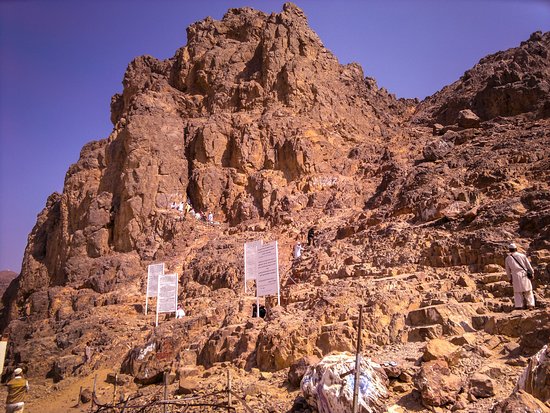
Mount Uhud
120 minMoney-Saving Tips
- 1.Book accommodations 3-4 months ahead during Umrah seasons to avoid 200-300% price increases
- 2.Eat at local chains like Al Baik and Al Tazaj instead of hotel restaurants to save 60-70% on meals
- 3.Buy dates and souvenirs from markets on Prince Sultan Road rather than hotel shops for better prices
- 4.Use the free shuttle buses between hotels and the Haram instead of taxis during peak prayer times
- 5.Pack plenty of water bottles — buying them near the mosque costs 3x more than at regular shops
- 6.Consider staying on King Fahd Road for 40-50% savings compared to Central Area hotels
- 7.Download offline maps before arriving since international roaming charges can add up quickly
Travel Tips
- •Bring comfortable walking shoes with good grip — the marble around the mosque gets slippery when wet
- •Pack a small prayer rug for outdoor prayers, especially during crowded times inside the mosque
- •Download the Haramain app for prayer times and mosque capacity updates
- •Carry a small umbrella for shade — the retractable umbrellas at the mosque don't cover all areas
- •Learn basic Arabic phrases for directions since English isn't widely spoken outside tourist areas
- •Keep your passport with you at all times — security checks are frequent around religious sites
- •Dress modestly with loose, light-colored clothing that covers arms and legs completely
- •Bring a portable phone charger since you'll use GPS and translation apps frequently
- •Pack electrolyte tablets or powder — the desert heat causes rapid dehydration
- •Respect photography restrictions around the Prophet's Mosque and inside all religious sites