Amritsar
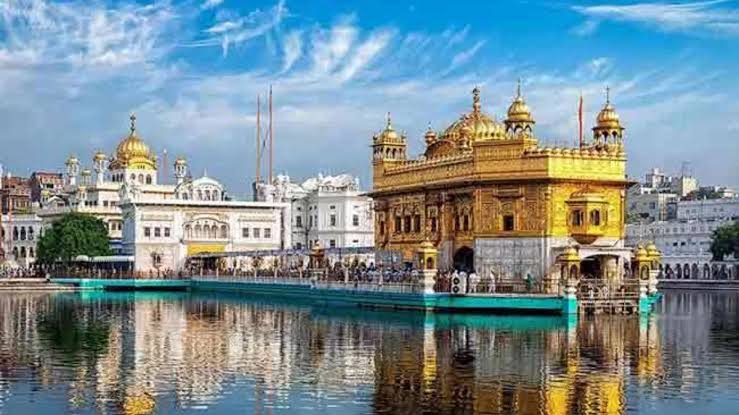
Golden Temple's spiritual heart and Sikh heritage
Amritsar hits different. This isn't your typical Indian tourist circuit destination — it's rawer, more authentic, and infinitely more soul-stirring. The Golden Temple's marble walkways echo with centuries of devotion, while the narrow lanes of the old city pulse with the energy of countless pilgrims, locals, and the occasional wide-eyed traveler who stumbled upon something extraordinary.
Here's the thing about Amritsar: it doesn't try to impress you with monuments or museums. Instead, it feeds your soul — literally and figuratively. The city's heart beats strongest in its gurdwaras, its street-side dhabas serving kulcha that'll ruin you for bread anywhere else, and in the stories whispered by every weathered wall near Jallianwala Bagh.
But don't expect Instagram-perfect moments at every turn. Amritsar is beautifully chaotic, spiritually intense, and refreshingly unpretentious. The crowds can be overwhelming, the heat brutal in summer, and the sensory overload real. Yet somehow, that's exactly what makes it unforgettable.
Best Months
JAN · FEB · MAR · OCT · NOV · DEC
~25°C · moderate crowds
Culture & Context
SIKH SACRED HEART
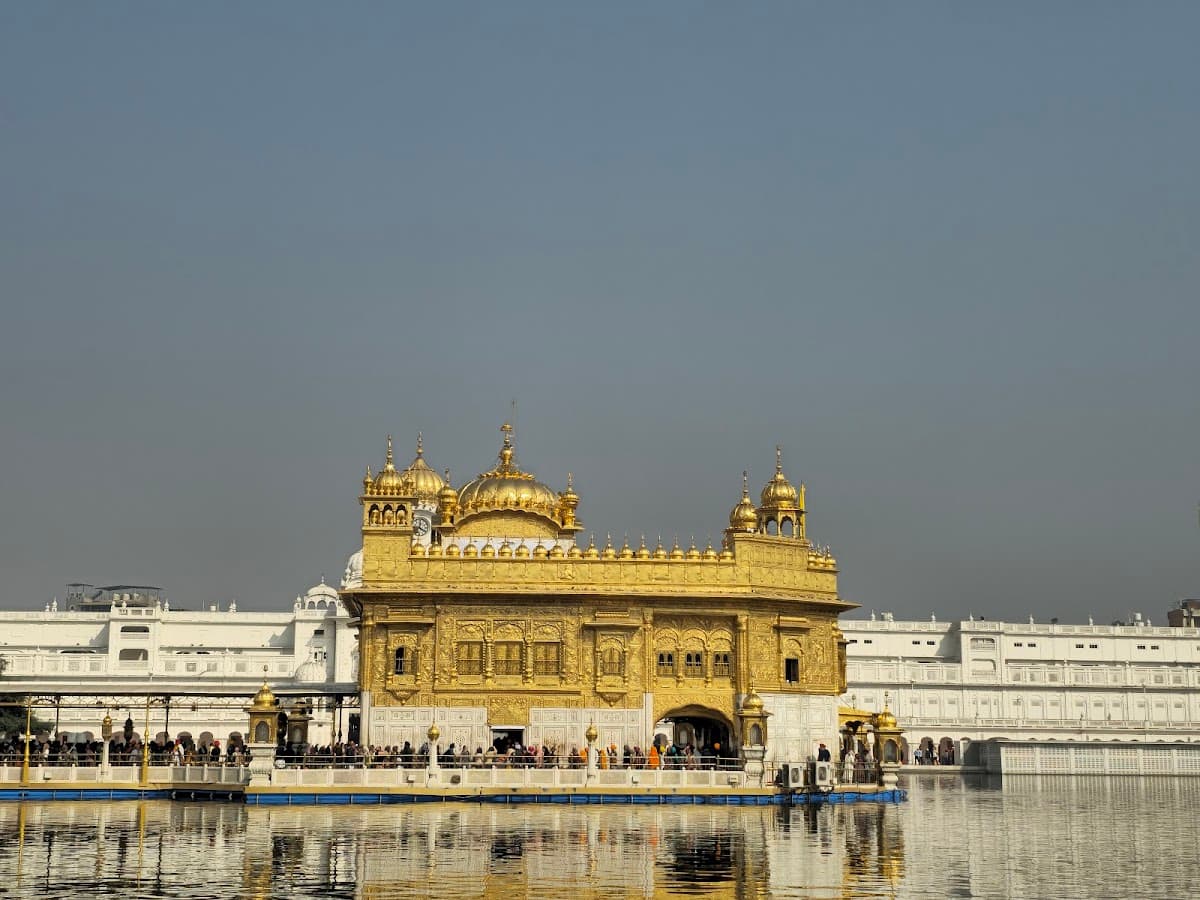
Amritsar is the spiritual heart of Sikhism. The city was founded in 1577 by Guru Ram Das around a sacred pool he believed had healing properties, and everything here flows outward from that idea. The Golden Temple (Harmandir Sahib) sits at the physical and emotional center of the city, drawing over 100,000 visitors daily.
But look, this isn't just a pilgrimage stop for Sikhs. The Partition Museum, Jallianwala Bagh, and the Wagah Border give the city a weight that goes beyond religion. The 1919 Amritsar massacre, where British troops killed hundreds of unarmed civilians on the day of Baisakhi, still shapes how locals talk about colonial history.
And the 1947 Partition cut this region in two. You feel all of that here. Punjabi culture is famously generous and food-forward.
Ghee shows up in everything. Lassi is a meal. Strangers will feed you at the Golden Temple's langar (the world's largest free community kitchen, serving 50,000 to 150,000 meals a day).
Tobacco and alcohol are prohibited in the Golden Temple complex and are generally frowned upon near religious sites. The city splits roughly between the densely layered Old City near the Golden Temple and the newer, more spread-out northern districts past the railway tracks.
Local Customs
COVER HEAD ALWAYS
Cover your head before entering the Golden Temple or any gurudwara. Free headscarves are available at the entrance — don't walk past them. This is non-negotiable, and it applies to everyone regardless of gender or religion..
Remove your shoes before entering any religious site. There are shoe storage areas (free) at the Golden Temple complex. Wear socks, because the marble gets burning hot in summer..
Photography is allowed throughout the Golden Temple complex and the parikrama (walkway around the sacred pool), but strictly prohibited inside the main inner sanctum where the Guru Granth Sahib is placed. No drones anywhere near the temple, Wagah Border, or Jallianwala Bagh.. Alcohol and tobacco are not allowed inside the Golden Temple complex.
Don't try to sneak it in.. Eat with your right hand if you're eating without utensils. It's a cultural norm across the region, not a strict rule, but locals notice..
Tipping is appreciated at restaurants and for services. No fixed rule, but rounding up or leaving 10% at a sit-down restaurant is reasonable.. At the Wagah Border ceremony, arrive at least 90 minutes early for a decent seat.
Weekends and holidays fill up extremely fast. A VIP pass, bookable online a day in advance, skips long queues and gets better seating.. The langar at the Golden Temple is open to absolutely everyone regardless of religion, nationality, or background.
Sit on the floor with everyone else and eat the simple food offered (roti, dal, kheer). This is not a tourist activity — it's a living act of community. Treat it accordingly.
Safety
GENERALLY SAFE CITY
Amritsar is generally safe for tourists. Violent crime targeting visitors is rare, and the Golden Temple complex itself has a significant volunteer and security presence. The main issues are standard India concerns: unofficial guides hanging around the Golden Temple entrance who offer services and then charge unexpected fees, overpriced souvenirs in tourist-adjacent shops (compare prices at two or three shops before buying jewelry or handicrafts), and auto-rickshaw drivers who quote one price and revise it at the destination. Agree on the fare before you get in.
One important 2025–2026 update: India-Pakistan tensions in mid-2025 caused a brief period of airport closures and heightened security in Punjab. The Amritsar airport reopened in May 2025, the city was declared safe by the Punjab government, and the Wagah Border ceremony resumed (though the traditional handshake between BSF and Pakistan Rangers remains suspended as of the latest reports). Check your government's travel advisory before booking, particularly if you're traveling close to any period of renewed tension.
Keep belongings secure in crowded areas like Hall Bazaar and the Golden Temple parikrama. Watch for monkeys in wooded areas — they will go for open food. Drink bottled water and check the seal is intact. For female travelers, dressing conservatively (covered shoulders and knees) reduces unwanted attention and is also required for temple entry anyway. Avoid isolated areas after dark. Emergency number in India is 112.
Getting Around
AUTOS & WALKING
Amritsar has its own international airport: Sri Guru Ram Dass Jee International Airport (ATQ), about 11 km from the city center. It's an e-Visa designated entry point, so international arrivals on e-Visas can land here directly. Amritsar Junction railway station connects to Delhi (about 6–7 hours), Mumbai, and most major Indian cities. The train is generally the most comfortable way in from Delhi.
Inside the city, auto-rickshaws and cycle rickshaws are the standard. Short rides run ₹50–200 depending on distance. Shared autos are even cheaper at ₹10–30 but require knowing the route. Ola and Uber both operate here and cost ₹100+ for short distances. Public buses exist and cost under ₹50 but aren't the easiest to navigate without Hindi.
Here's the thing about traffic: the Old City lanes are genuinely narrow and chaotic. Walking is often faster than any vehicle once you're in the temple area. For Wagah Border (28–30 km from the city), take a taxi round trip for ₹400–600, or a shared auto for around ₹20 one-way. Taxis to Dharmashala run ₹4,000–5,000.
Cash is essential. Most Old City shops, dhabas, and the temple complex itself operate cash-only. ATMs are available around the city, but carry enough to avoid scrambling. Airtel and Vodafone have good coverage. A local SIM costs around ₹500 and requires a valid ID and passport copy.
Useful Phrases
Explore Districts
Explore the Region

Where to Stay in Amritsar
1 recommended properties
Money-Saving Tips
- 1.The Golden Temple's langar serves free meals 24/7 — take advantage of this generous tradition for authentic, filling food
- 2.Street food costs ₹20-50 per item, while restaurant meals run ₹200-400 — eat like locals do for massive savings
- 3.Auto-rickshaw rides within the city should cost ₹50-100 max — agree on fares upfront and don't be afraid to walk away
- 4.Many gurdwaras offer free accommodation for pilgrims — basic but clean rooms available with advance booking
- 5.Shop for Punjabi suits and juttis in Hall Bazaar rather than tourist shops near the Golden Temple for better prices
- 6.Temple photography is free, but some sites charge ₹20-50 for cameras — keep small bills handy
- 7.Local buses cost ₹10-20 for most routes, though they're not tourist-friendly — save money if you're adventurous
Travel Tips
- •Cover your head at all religious sites — scarves are available free at gurdwara entrances
- •Remove shoes and wash feet before entering the Golden Temple complex — lockers cost ₹10
- •Carry a water bottle — Amritsar gets hot and dehydration hits fast while temple-hopping
- •Learn basic Punjabi greetings like 'Sat Sri Akal' — locals appreciate the effort and warm up quickly
- •Visit the Golden Temple early morning (5-7 AM) for fewer crowds and better photos
- •Keep your phone charged — you'll want to capture everything, but power banks aren't allowed in some temples
- •Pack comfortable walking shoes with easy removal — you'll be taking them off frequently at religious sites
- •Carry cash — most street vendors and small restaurants don't accept cards
- •Try to time meals with local schedules (lunch 12-2 PM, dinner 7-9 PM) for fresher food and better service