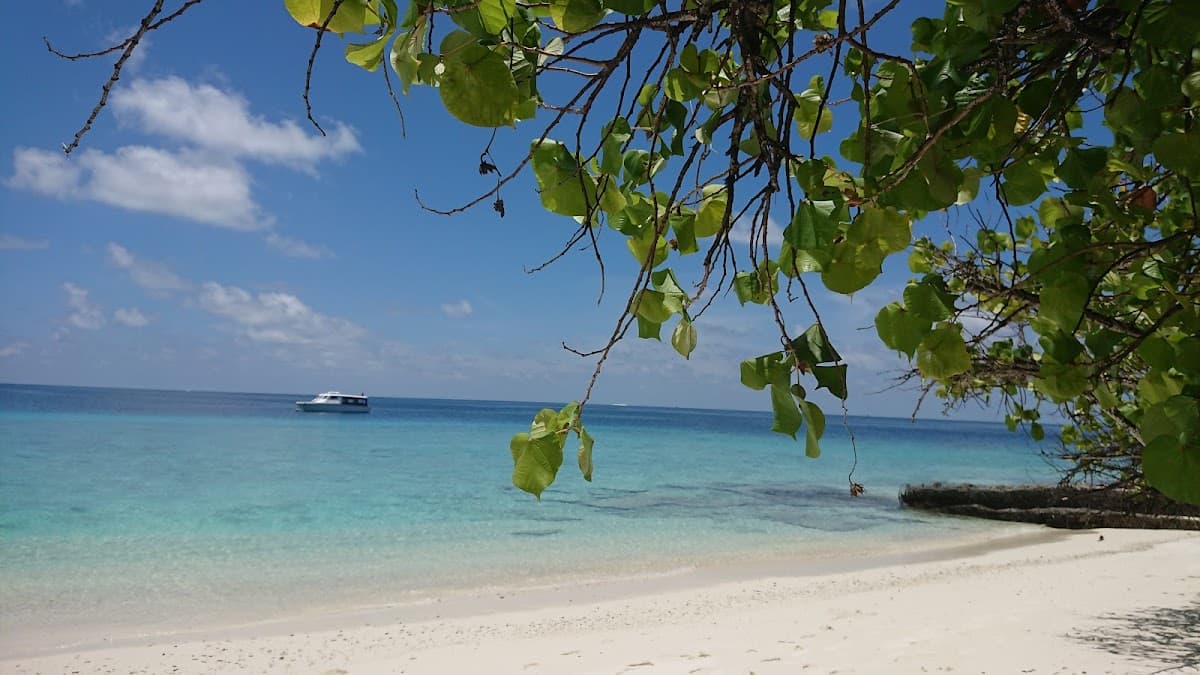
Maldives Atolls
Paradise redefined in crystal waters and overwater luxury
The Maldives atolls float like scattered emeralds across the Indian Ocean, each one a miniature universe of white sand, turquoise lagoons, and overwater bungalows that cost more than most people's cars. But here's the thing — this isn't just Instagram fantasy. The water really is that blue. The fish really do swim beneath your villa's glass floor. And yes, you can walk from your bed directly into the ocean without seeing another soul for miles. Twenty-six ring-shaped atolls stretch across 298 square kilometers, each protecting its own collection of coral islands and luxury resorts. The math is simple: 1,192 islands, around 200 inhabited, and roughly 150 turned into exclusive resort playgrounds where your biggest decision is which infinity pool to float in today.
Best Months
JAN · FEB · MAR · APR · NOV · DEC
~31°C · moderate crowds
Culture & Context
MUSLIM NATION, REAL RULES
The Maldives is an entirely Muslim nation, and that shapes daily life in real, practical ways. On the 200+ inhabited local islands, alcohol is completely banned. Not expensive, not restricted.
Banned. You drink at resorts or liveaboards, or you don't drink. On local islands, cover up when you step off the beach.
Bikinis are fine at the designated "bikini beach" on most inhabited islands, but walking through the village streets in a swimsuit is considered disrespectful. This is somebody's home, not a themed resort. Government offices run 9am–1:30pm during Ramadan, and many private businesses close by 3pm.
Resorts are unaffected. The language is Dhivehi, an Indo-Aryan language descended primarily from Sinhala and shaped over centuries by Arabic, Persian, Portuguese, and even English. The English word "atoll" actually comes from the Dhivehi word "Atholhu.
" English is taught in schools, so most Maldivians speak it well, especially anyone working in tourism. Handshakes are common, but if you're a man meeting a woman, let her offer her hand first. If she doesn't, a respectful nod is completely fine.
The culture here is genuinely warm but quietly observant of its own customs, so a little awareness goes a long way.
Local Customs
ALCOHOL BANNED ON ISLANDS
Alcohol is completely banned on local inhabited islands. You can only drink at licensed resort islands and liveaboard boats. Don't try to bring alcohol into the country — it's prohibited at customs..
On local islands, swimwear is only appropriate at the designated 'bikini beach.' In village streets, markets, and mosques, cover your shoulders and knees. This applies to everyone regardless of gender..
Remove your shoes before entering a mosque or a Maldivian home. When in doubt, look at the entrance — if you see shoes lined up outside, yours belong there too.. The formal greeting is 'Assalaamu Alaikum' (peace be upon you), which gets a genuinely warm response on local islands.
Most people also respond well to a simple 'hello.'. During Ramadan, government offices run only 9am–1:30pm and many private businesses close by 3pm.
Eating or drinking in public during daylight hours in front of fasting locals is considered very poor form. Resorts are unaffected.. If you're a man meeting a Maldivian woman, don't initiate a handshake.
Let her lead. A polite nod is perfectly appropriate if she doesn't extend her hand.. Drug offenses carry severe penalties.
Don't accept gifts from strangers at the port or airport — this is a well-worn smuggling tactic.. Taking coral, starfish, and certain shells from the Maldives is prohibited. Sand is also not to be removed.
The ecosystem here is genuinely fragile, and enforcement exists.. Photographing mosques, local residents, and government buildings requires sensitivity. Always ask before photographing people, especially women..
Ferries don't run on a tight schedule. Research the routes and times before you arrive on any island — missing a ferry can mean a $50+ speedboat rescue or a full day's wait.
Safety
SAFE BUT WATER-SMART
The Maldives is genuinely safe by most measures. Violent crime against tourists is rare, and the U.S.
State Department doesn't flag it as a high-risk destination. That said, a few things are worth knowing. Petty theft and pickpocketing happen in public beach areas, so don't leave bags unattended.
Drug-related and gang crime exists, particularly in Malé. Don't get involved, don't carry packages for strangers, and don't accept gifts from new acquaintances at ports or airports. Drug offenses in the Maldives carry severe penalties with no exceptions made for tourists.
The biggest physical risk here is the water. Drowning is a real concern, especially for inexperienced swimmers. Strong currents exist around reef channels, and they are not always marked.
Follow your guide's advice on dive and snorkel excursions. Safety inspections for equipment and facilities are inconsistent, so vet your operators before booking. Advanced medical care is only available in Malé.
Serious conditions require medical evacuation to India or Sri Lanka, which is expensive and time-consuming. Travel insurance with evacuation coverage is not optional here — it's essential. Most Maldivian healthcare providers require cash payment upfront.
Political demonstrations occur occasionally in Malé; stay clear of any protest areas. One more practical note: Israeli passport holders are currently denied entry as of April 15, 2025, a temporary measure that remains in place for the foreseeable future.
Getting Around
FERRIES & SEAPLANES
Getting around the Maldives is genuinely the most complicated part of the trip. The 26 atolls and 1,200+ islands are spread across a vast stretch of the Indian Ocean, and moving between them requires real planning. From Velana International Airport (MLE) in Malé, you have a few options.
The airport-to-Malé ferry costs $0.94 and takes 15 minutes. Taxis within Malé run a flat $1.
89; the flat rate to the airport is $4.40. Between local islands, public ferries are the cheap option ($1–$5) but run infrequently, sometimes once per day, and schedules can change without notice.
The Tharika Ferry to Thulusdhoo departs from the pier opposite the Marry Brown restaurant in Malé at 3:30pm on most days (2:30pm Tuesdays, 10:30pm Fridays). If a ferry doesn't show up, you're either waiting until tomorrow or paying $25–$75 for a speedboat. Budget for this possibility.
Scheduled speedboats from Malé to popular hubs like Maafushi cost about $24. Private speedboats can be arranged anytime but cost more. Seaplanes are the fastest way to reach remote atolls — roughly 20 minutes to Baa Atoll's Dharavandhoo — but at $500–$700 round trip per person, they are a genuine budget item.
Seaplanes also don't fly at night, which means if your international flight arrives after dark, you'll need to overnight near Malé before transferring to a remote resort. Plan your international arrival time carefully if this affects your itinerary. Domestic flights to islands with airstrips are cheaper than seaplanes ($135 to Dharavandhoo) but add ground transfer time.
The golden rule: research your specific ferry routes and schedules before you arrive on any island, not after.
Useful Phrases
Money-Saving Tips
- 1.Book all-inclusive packages to avoid $25 cocktails and $60 dinners adding up to mortgage payments
- 2.Travel during shoulder season (May-July, September-October) for 40% lower resort rates and fewer crowds
- 3.Choose speedboat transfers over seaplanes when possible — they're half the price and just as scenic
- 4.Pack reef-safe sunscreen and snorkel gear to avoid resort shop markups of 200-300%
- 5.Book directly with resorts for potential upgrades and resort credits rather than through third parties
- 6.Consider staying in Male for a night to catch morning seaplane transfers and explore local markets
- 7.Look for resort packages that include spa credits or excursions rather than paying à la carte rates
Travel Tips
- •Bring reef-safe sunscreen — many resorts ban chemical sunscreens to protect coral reefs
- •Pack light, breathable clothing and leave the fancy shoes at home (many resorts are barefoot-only)
- •Download offline maps and entertainment before arrival — WiFi can be spotty and expensive
- •Bring a waterproof phone case for underwater photos and snorkeling adventures
- •Pack motion sickness medication for seaplane and speedboat transfers in choppy conditions
- •Respect local customs in Male — cover shoulders and knees when visiting the capital
- •Book spa treatments and restaurant reservations immediately upon arrival — popular slots fill up fast
- •Bring a good book or kindle — afternoon downtime is inevitable in this laid-back paradise
Frequently Asked Questions
Explore Maldives Atolls
BUILD YOUR
MALDIVES ATOLLS PLAN
Insider picks, smart timing, and a plan ready when you are.
Start Planning