Kep
Cambodia's sleepy seaside retreat famous for fresh crab cuisine
Kep moves at the speed of a fishing boat returning to shore. This sleepy coastal town along Cambodia's southern coast built its reputation on two things: pepper and crab. The pepper plantations are mostly history now, but the crab? That's still the main event. You'll find yourself eating more seafood in three days here than most people do in a month back home.
The town stretches along a crescent bay, with the famous crab market at one end and crumbling French colonial villas scattered through the hills. Kep National Park rises behind everything, offering hiking trails through jungle that leads to viewpoints over the Gulf of Thailand. It's the kind of place where your biggest decision is whether to have crab for lunch or dinner.
Culture & Context
FRENCH RUINS, LOCAL VIBES
Kep (also called Krong Kep) is a small coastal town on Cambodia's southern Gulf of Thailand coast, about 170km from Phnom Penh and a 30-minute drive from Kampot. The French built it as a resort for their colonial elite in 1908, calling it Kep-sur-Mer. Then came the Khmer Rouge.
The grand villas were abandoned and left to nature, and now vine-covered ruins of those mansions still dot the hillsides — some converted to boutique hotels, most just crumbling quietly. It's a deeply strange combination of faded elegance and fishing village simplicity, and that tension is exactly what makes Kep worth visiting. The town runs on two things: fresh seafood from the Gulf, and the world-famous Kampot pepper that grows in the farms just outside town.
Here's the thing: Kep caters primarily to Cambodian families on weekends and public holidays, not gap-year backpackers. That gives it a more local feel than Kampot, though the trade-off is fewer bars, less nightlife, and slower service. The crab stocks have been depleted significantly over the years — order sustainable alternatives like goldband snapper or calamari rather than the famous crab, which is now mostly undersized.
Local Customs
SAMPEAH & SEAFOOD
Greet people with the sampeah — place your palms together at chest level and give a small bow. The higher your hands, the more respect you're showing. Do this for elders, monks, and anyone in authority..
Remove your shoes before entering temples. Dress modestly — shoulders and knees covered — when visiting any wat (temple) in or near Kep National Park.. Women should never touch monks, not even to hand them something directly.
Place any offering on the ground or a cloth in front of them instead.. Both US dollars and Cambodian Riel are accepted everywhere. Small purchases under $1 are usually done in Riel.
Not all places take cards, so carry cash. ATMs are scarce in Kep — get cash in Kampot or Phnom Penh before arriving.. At the Crab Market, confirm the price of your seafood BEFORE it goes near the grill.
Weigh and price agreement upfront avoids the most common tourist complaint about the market.. Men say 'baat' for yes, women say 'jaa.' Using the wrong one sounds a bit odd to locals but is not offensive.
Cambodians appreciate the effort of trying any Khmer at all.. Haggling is normal at markets but shouldn't be aggressive. A smile goes further than persistence.
In restaurants and guesthouses, prices are typically fixed.. The local brand Angkor Beer is cheap (around $1 a can) and omnipresent. Drink it cold.
It's the correct move at a seaside crab shack.
Safety
WATCH YOUR BELONGINGS
Kep is generally safe, but a few things are worth knowing before you get there. At the Crab Market, pickpockets have been reported — keep bags in front of you and don't flash your phone while wandering through the covered market area. Agree on seafood prices and weights before ordering at any stall.
The US State Department has flagged Cambodia-wide concerns about fake $50 and $100 bills dispensed from ATMs and banks — count and inspect your cash at the machine or teller window, not later in private. Road safety is real: traffic is chaotic and road conditions outside of town are rough. Only ride a motorbike if you're actually experienced.
If trekking in Kep National Park, stick to marked trails — the area has been demined, but going off-trail in jungle is genuinely unwise. Dengue and other mosquito-borne illnesses are present; use repellent, especially at dusk. Avoid walking alone after dark along less-trafficked coastal paths.
Female travelers should note there are reports of safety concerns near drinking establishments in some Cambodian towns — Kep is lower-risk than Sihanoukville or Phnom Penh, but the usual precautions apply. Healthcare in Kep is very limited. For anything beyond minor first aid, get to Kampot or Phnom Penh.
Getting Around
TUKSTUKS & BOATS
Kep has no airport. The closest is Phnom Penh International (Techo International Airport), a 3–4 hour bus or private car ride away. Sihanoukville also has an airport, roughly similar distance.
Buses run to Kep from Phnom Penh, Kampot, and Sihanoukville — Giant Ibis and Virak Buntham are the more reliable operators. A train runs Phnom Penh to Kampot on Fridays through Sundays only; from Kampot, grab a tuk-tuk to Kep (about 30 minutes). Within Kep, tuk-tuks are the main mode of transport.
Short trips cost $1–2; a driver for a full day runs $12–25 and is worth it if you want to hit the national park, pepper farms, and Rabbit Island pier in one go. Motorbikes are available to rent for around $5–10/day if you're comfortable riding — but note that roads between Kep and Kampot can be very dusty during dry season construction, and rural roads around the national park are bumpy and poorly lit. For Rabbit Island, boats leave from the Koh Tonsay pier near Kep Beach at 9am and 1pm, returning at 4pm.
The $18 return fare covers two people. Download Grab or PassApp before you arrive — both work in Cambodia and eliminate price negotiation stress with tuk-tuk drivers.
Useful Phrases
Where to Stay in Kep
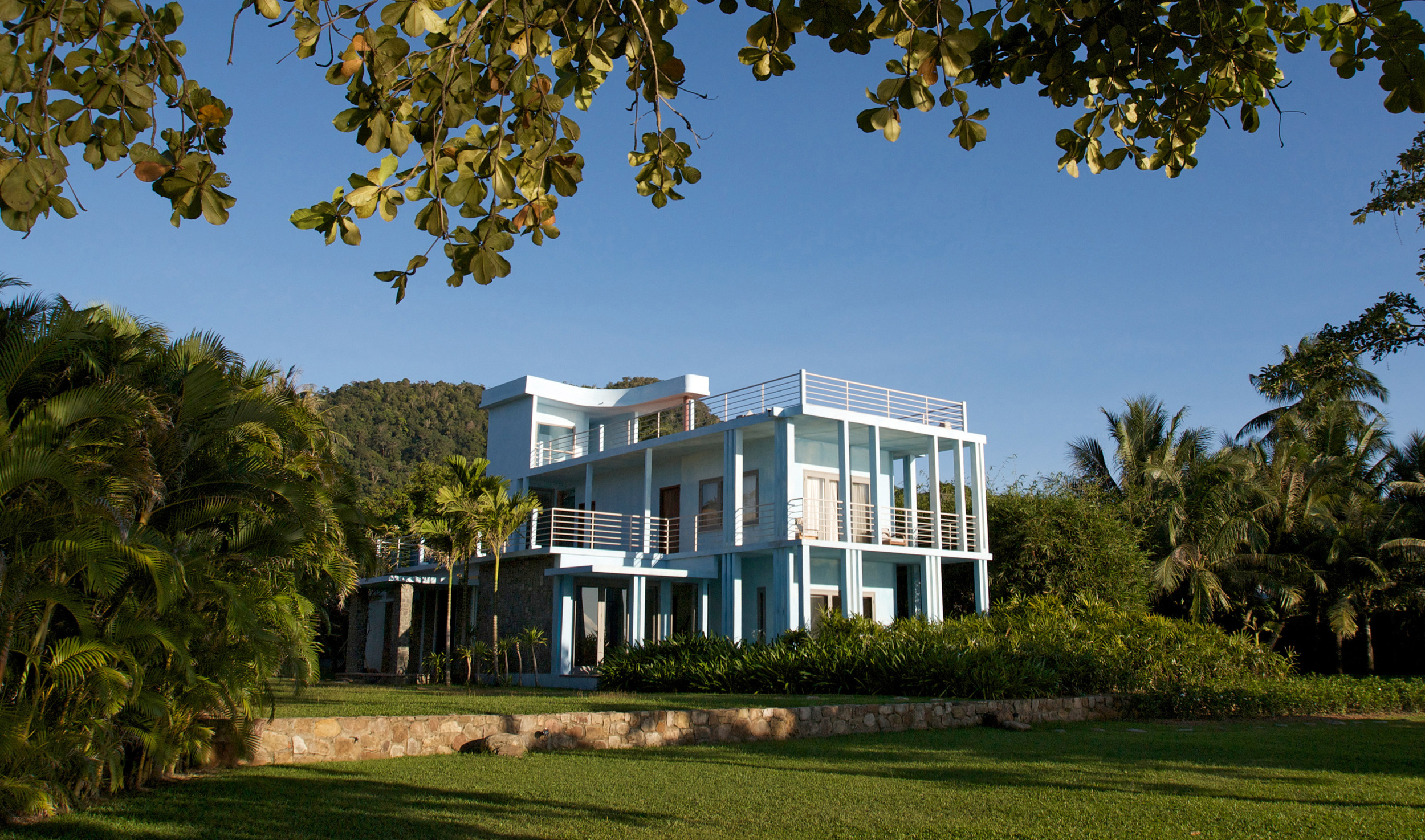
1 recommended properties
Money-Saving Tips
- 1.Crab prices at the market are negotiable – start at half the asking price and settle around 70%
- 2.Bring small bills for boat trips to Rabbit Island – they rarely have change for large notes
- 3.Motorbike rentals are cheapest when booked for 3+ days – negotiate down from the daily rate
- 4.Restaurant prices double during sunset hours – eat lunch at dinner spots for better deals
- 5.Tuk-tuk drivers quote tourist prices first – locals pay half what they initially tell you
Travel Tips
- •Pack reef-safe sunscreen – the coral around Rabbit Island is still healthy and worth protecting
- •Download offline maps before arriving – cell service gets spotty in the hills near colonial ruins
- •Bring a flashlight for evening walks – street lighting is minimal outside the main beach area
- •Book Rabbit Island boat trips early morning – afternoon seas can get choppy during monsoon season
- •Learn basic Khmer numbers for market haggling – vendors respect the effort and offer better prices