Gili Islands
Car-free tropical paradise with crystal clear waters
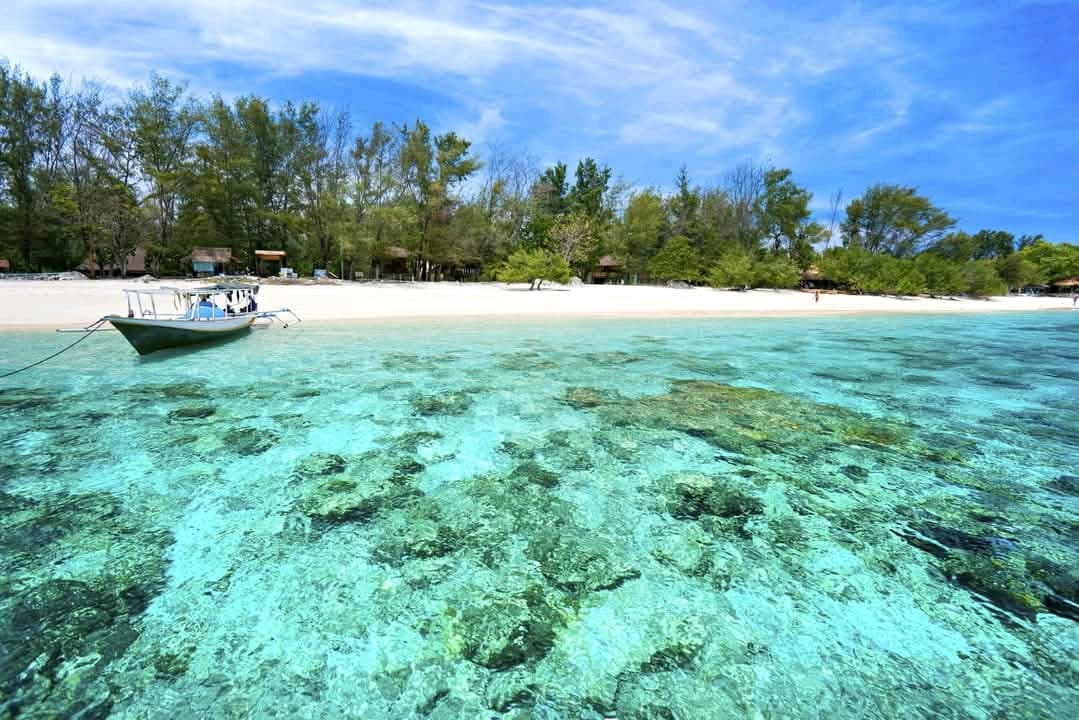
Three tiny islands. Zero cars. Endless turquoise water. The Gili Islands sit just off Lombok's northwest coast like scattered emeralds in the Indonesian sea. Gili Trawangan pulses with backpacker energy and sunset parties. Gili Meno whispers romance with its quiet beaches and turtle sanctuary. Gili Air strikes the perfect balance - lively enough for good food, calm enough to hear the waves. Here's the thing about the Gilis: they strip travel down to its essence. You walk, cycle, or ride a horse cart called a cidomo. You swim in water so clear you can count the fish from the surface. You eat fresh seafood while sand tickles your toes. But don't expect luxury resorts or Instagram-perfect infinity pools. These islands are beautifully imperfect, with occasional power cuts and roosters that think 4am is morning. That's exactly why people fall in love with them.
Best Months
APR – SEP
Culture & Context
SASAK ISLAM, HINDU ROOTS
Most locals are Sasak people, originally from Lombok, with strong ties to Islam. Nearly 90% of Indonesia follows Islam, and the call to prayer is part of daily life on the islands. The Sasak culture blends Islamic tradition with older Hindu and Buddhist influences, creating something genuinely distinct from Bali.
Locals are warm and low-key. Gili T's party reputation comes from the tourist layer, not the community underneath it. The Bugis people from Sulawesi also have a presence here — historically they were the original seafarers who used the islands as rest stops.
Many local workers commute daily from Lombok. Venture inland past the beachfront strip and you find actual villages, local warungs, and a pace of life that has nothing to do with fire dancers. The signature Sasak dish to try is ayam taliwang — grilled or fried chicken in a hot, coconutty marinade.
Also look for pelecing kangkung, a water spinach salad hit with a fiery sambal. A notable local ritual is Mandi Safar, a ceremonial ocean bathing tradition meant to cleanse misfortune, followed by music and communal food. Gendang Beleq drum-and-dance performances happen at local weddings and during Mandi Safar.
Local Customs
RIGHT HAND, COVER UP
Always use your right hand to give or receive money, food, or any item. Using your left hand is considered disrespectful across Indonesia.. Cover up when leaving the beach and walking through villages — swimwear is fine on the sand, but a sarong or t-shirt is expected elsewhere.
This matters more on Lombok day trips but applies on the islands too.. Remove your shoes before entering someone's home. Always..
Don't touch, ride, or use flash photography around sea turtles. Stay at least two meters away. The Gili Eco Trust is serious about this — and so are the locals..
There are no motorized vehicles allowed on any of the three main islands. No motorbikes, no cars. Horse-drawn cidomos exist but are increasingly controversial on animal welfare grounds.
Walk or bike.. The call to prayer happens five times a day. It's part of life here — not a tourist spectacle, not a nuisance.
Just be aware of it, especially around prayer times near mosques.. Avoid stepping over offerings placed on the ground when visiting temples or religious sites on Lombok day trips.. Single-use plastics are looked down upon.
Bring a reusable water bottle. The reef conservation culture is real here — reef damage from careless snorkelers and divers genuinely upsets locals and operators alike.. Drug use is visible on Gili T but Indonesia has some of the harshest drug laws in Southeast Asia.
Possession can mean jail. Don't get caught up in what looks like a permissive scene — it isn't legally protected.
Safety
WATCH VALUABLES & CURRENTS
Generally safe, but worth knowing a few things before you go. Petty theft happens, especially around busy beach areas. Don't leave valuables unattended on the sand.
Drug culture on Gili T is visible — mushroom shakes still get sold openly in some places — but Indonesian law is severe. Possession carries real jail time. No amount of laid-back island atmosphere changes that legal reality.
Water currents between the islands can be strong, particularly in the northeast channel. Don't snorkel alone if you're not a confident swimmer, and always ask locals about current conditions before getting in. Check your rental snorkel gear before you're in the water.
Mosquitoes are a real issue — dengue fever exists in the region. Soffell is the locally popular repellent, or bring your own DEET-based option. Drink only bottled or filtered water.
Don't touch tap water. Solo female travelers generally feel safe, but the standard precautions apply: don't walk home alone intoxicated at night, don't leave drinks unattended at bars. Ferries occasionally don't run due to weather — the crossings can get rough, especially in the wet season (November–April).
If you're prone to seasickness, take medication before boarding and sit outside near the center of the boat. Book morning crossings when the water is calmer.
Getting Around
BIKES & HORSE CARTS ONLY
Fast boat from Bali is the standard move. Padang Bai is the most common departure point — closest to the Gilis at roughly 90 minutes. Sanur and Serangan are alternatives if you're based in south Bali.
BlueWater Express, Gili Getaway, and Eka Jaya are the main operators. Prices run $25–65 USD one way. Morning crossings are calmer and more reliable.
Afternoon boats get choppy. Once you arrive, there are no cars and no motorbikes on any of the three main islands. Bike rental runs IDR 40,000–80,000 per day.
Inspect the brakes before you ride off — quality varies. Gili T is 7km around the perimeter; you can do the whole circuit in under an hour by bike. Inter-island public boats run roughly every 30 minutes from each island's main harbour during daylight hours.
Cost is IDR 20,000–35,000 per hop. No need to pre-book. Cidomos (horse-drawn carts) are the only other transport option.
They cost IDR 50,000–150,000 for a short trip and IDR 250,000–350,000 for a full island tour. Animal welfare concerns have made them increasingly controversial — walking or biking covers the same ground. From Lombok: Bangsal Harbour is the traditional jumping-off point, about 20 minutes by public speedboat to the nearest Gili.
Public boats leave from 8am to 5pm daily.
Useful Phrases
Money-Saving Tips
- 1.Bring cash - ATMs are limited and often broken, especially on Gili Meno
- 2.Book accommodation directly to avoid booking platform commissions
- 3.Eat at local warungs instead of beachfront restaurants to save 50-70%
- 4.Rent snorkel gear for multiple days to get better daily rates
- 5.Take public boats instead of private charters - 15,000 IDR vs 300,000 IDR
- 6.Buy water in large bottles from local shops rather than resort mini-bars
- 7.Negotiate cidomo prices before getting in - locals pay much less than tourists
- 8.Visit during shoulder season (April-June) for 30-40% lower accommodation rates
Travel Tips
- •Pack reef-safe sunscreen - regular sunscreen damages the coral reefs
- •Bring a waterproof phone case for snorkeling and boat rides
- •Download offline maps before arriving - internet can be spotty
- •Pack light - you'll be walking on sand paths with your luggage
- •Bring a power bank - electricity can be unreliable, especially during storms
- •Learn basic Indonesian phrases - English isn't widely spoken outside tourist areas
- •Respect local customs - cover up when walking through villages
- •Book diving courses in advance during peak season - popular shops fill up quickly
Frequently Asked Questions
Explore Gili Islands
BUILD YOUR
GILI ISLANDS PLAN
Insider picks, smart timing, and a plan ready when you are.
Start Planning