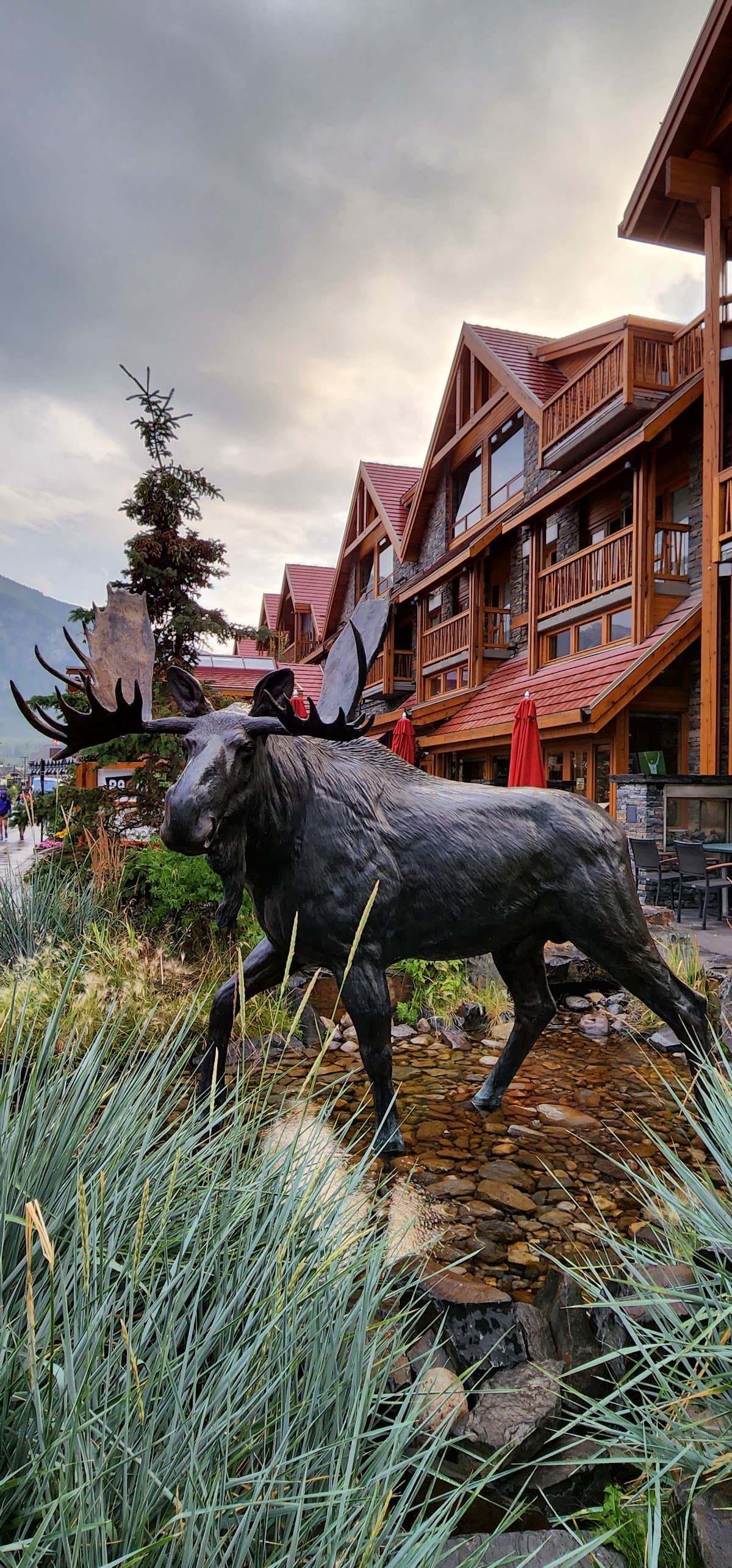
Banff National Park
Canada's Crown Jewel of Rocky Mountain Wilderness
Look, I've been to a lot of national parks. But Banff? It hits different. This 2,500-square-mile playground in the Canadian Rockies serves up turquoise lakes that look Photoshopped, peaks that scrape 11,000 feet, and wildlife encounters that'll make your Instagram followers think you hired a Hollywood set designer. The town of Banff sits right in the heart of it all — a mountain resort that somehow manages to feel both rugged and refined. And here's the thing: it's not just pretty to look at. You can hike to Lake Agnes for tea and homemade pie, spot grizzlies from the Icefields Parkway, or soak in Banff Upper Hot Springs after a day on the trails. Sure, it gets crowded in summer (we're talking Disneyland-level crowds at Lake Louise). But venture beyond the postcard spots, and you'll find why this place has been stopping people in their tracks since 1885.
Culture & Context
SEASONAL WORKERS, GLOBAL VIBE
Banff is technically a town of about 8,000 permanent residents, but it draws around 4 million visitors a year. That tension is real and shapes everything. Here's the thing: to actually live here, you have to work here.
Parks Canada enforces what's called "eligible residency," meaning housing can't be used as vacation property. So the population is split between long-term locals and a constantly rotating cast of seasonal workers from 40+ countries. Australians, Brits, and Kiwis are particularly thick on the ground, running bars and restaurants, and the international mix gives Banff an oddly cosmopolitan feel for a mountain town.
The town operates on what locals call "mountain time." Powder alerts, bear sightings, and weather windows take priority over rigid schedules. Outdoor recreation isn't a hobby here — it's infrastructure.
Residents start mornings skiing or trail running before their hospitality shifts. The land itself sits on Treaty 7 territory of the Îyârhe Nakoda (Stoney Nakoda), Tsuut'ina, and Blackfoot Confederacy. The Banff area is known as "Minihrpa" in Stoney Nakoda, meaning "the waterfalls.
" Indigenous art, cultural tours, and ongoing land acknowledgments are part of daily life here, not afterthoughts. The absence of chain stores (Parks Canada restricts commercial development) creates a small-town intimacy. Word-of-mouth still gets you housing, jobs, and restaurant recommendations that don't show up on TripAdvisor.
Local Customs
BEAR SPRAY MANDATORY
Bear safety is non-negotiable. Carry bear spray clipped to your pack (not buried inside it), keep 100m from bears and wolves, and 30m from elk, deer, and moose. Report all bear sightings in town to Parks Canada dispatch at 403.
762.1470. Bears are out from April through November..
Use the wildlife-proof garbage bins everywhere in town. Litter is treated as an emergency in Banff — the town has an emergency ops line at 403.762.
1240 specifically for garbage and food waste left out. Feeding a bear, even accidentally, can get it killed.. Hike in groups when possible.
Groups of four or more significantly reduce bear encounter risk. Bear bells are basically useless — talk loudly, clap, or use an air horn on blind corners near streams and berry patches.. Moraine Lake and Lake Louise require shuttle reservations in summer.
Private vehicles are banned from both locations during peak season. Book on the Parks Canada website or through the Moraine Lake Bus Company. Showing up without a reservation means turning around..
Parking downtown costs $6/hour in peak season (May 1 – October 31). Budget for this or lean hard on the Roam Transit buses.. Cannabis can't be smoked in public places within the town of Banff, same rules as alcohol.
Outside town limits in the national park, smoking is permitted in designated day-use areas and on trails.. Tip 15–20% at restaurants. It's Canadian service culture and a living-wage supplement for workers in an expensive town..
The Canada Strong Pass makes park admission free from June 19 to September 7, 2026. If someone at the gate charges you during this window, push back.
Safety
BEAR COUNTRY, STAY ALERT
Banff is a safe town. Petty theft exists but violent crime is genuinely rare. The bigger safety concerns are wildlife and weather.
Both are serious. Bears are out from April through November, and grizzlies and black bears both live in the park — roughly 65 grizzlies and 20–40 black bears. Carry bear spray on every hike, clipped to your body where you can grab it in two seconds.
Make noise on trails, especially near streams, berry patches, and in low visibility. Never run from a bear. Back away slowly, talk calmly, and deploy spray only if it charges within 10 metres.
Keep 100m distance from bears and wolves, 30m from elk and moose. Report all sightings in town to Parks Canada dispatch at 403.762.
1470 — it's treated as an emergency. On roads, conditions change fast year-round. Snow is possible on mountain passes in any month.
Don't speed on the Icefields Parkway — wildlife crosses constantly and 'bear jams' (traffic stopped for roadside wildlife) happen without warning. If hiking in the backcountry, go in groups of four or more, stay on marked trails, and check Parks Canada's trail closure and bear activity reports before you leave. Solo backcountry travel isn't banned but is genuinely risky.
Emergency number for wildlife incidents and garbage emergencies in town: 403.762.1240 (after hours, press 2).
Getting Around
SHUTTLE-ONLY LAKES
Fly into Calgary International Airport (YYC). Banff is 130km west (about 90 minutes by car). Shared shuttles from the airport (Brewster Express or Banff Airporter) cost $60–90 CAD per person one way and drop at hotels in town.
Brewster currently offers 25% off round-trip tickets. Renting a car gives you the most flexibility, especially for day trips to the Icefields Parkway or Yoho, but parking in town costs $6/hour at peak season and is a constant headache. Once in Banff, the Roam Transit local buses cover the town well at $2/ride or $5/day pass.
The Roam Super Pass at $30/day covers everything including the shuttle to Moraine Lake. But here's the critical detail for 2026: Moraine Lake and Lake Louise are shuttle-only during peak season. No private vehicles.
Reservations for these shuttles opened April 15, 2026 — 60% of spots release in advance, 40% release 48 hours before departure. If you haven't booked, set an alarm for two days before your target date and move fast. For getting between Banff and Jasper, Brewster Express runs along the Icefields Parkway.
Canmore (about 20 minutes east toward Calgary) makes a cheaper accommodation base if Banff prices are brutal — buses connect the two towns.
Useful Phrases
Money-Saving Tips
- 1.Buy the Parks Canada annual pass if staying more than 7 days — it pays for itself quickly
- 2.Shop for groceries at Save-On-Foods in Canmore instead of Banff village to save 20-30%
- 3.Pack lunches for trail days — a sandwich at Lake Louise costs $18 CAD
- 4.Book accommodations in Canmore instead of Banff town to cut lodging costs in half
- 5.Fill up gas tank before entering the park — fuel prices inside are 15-20% higher
- 6.Bring your own bear spray from home instead of buying in Banff ($50 CAD vs $30 USD)
- 7.Use Parks Canada shuttle service instead of driving to Lake Louise during peak season — saves $30 CAD parking fees
- 8.Visit tea houses early in the season when they offer daily specials instead of peak summer pricing
Travel Tips
- •Download offline maps before hiking — cell service disappears quickly on most trails
- •Start popular hikes like Lake Agnes before 8 AM to avoid crowds and parking hassles
- •Keep bear spray accessible on your belt, not buried in your backpack
- •Check Parks Canada website for real-time trail closures due to bear activity
- •Bring layers even on sunny days — mountain weather changes in minutes
- •Book tea house reservations ahead during peak season — they fill up fast
- •Use timed entry reservations for Lake Louise and Moraine Lake from May-October
- •Carry cash for tea houses — some don't accept cards due to limited connectivity
- •Park at overflow lots and take shuttles during busy weekends to avoid traffic jams
- •Respect wildlife viewing distances — 100 meters for bears, 30 meters for elk
Frequently Asked Questions
Explore Banff National Park
BUILD YOUR
BANFF NATIONAL PARK PLAN
Insider picks, smart timing, and a plan ready when you are.
Start Planning