Beijing
The Paris of the Middle East Rises Again
Beijing hits different than other megacities. Sure, you'll see the Forbidden City and walk sections of the Great Wall. But the real Beijing reveals itself in the hutong alleys where locals still play mahjong at dawn, in the late-night barbecue joints of Sanlitun, and in the contemporary art galleries tucked behind Ming Dynasty courtyards. This is a city where 3,000 years of history collides with China's tech boom, creating something entirely unique. The subway system puts most Western cities to shame, the food scene ranges from $2 street dumplings to Michelin-starred temples of gastronomy, and the nightlife stretches until sunrise. Beijing demands your full attention — and rewards it generously.
Best Months
APR · MAY · JUN · SEP · OCT · NOV
~22°C · high crowds
Culture & Context
IMPERIAL DYNASTY MEETS MODERNITY
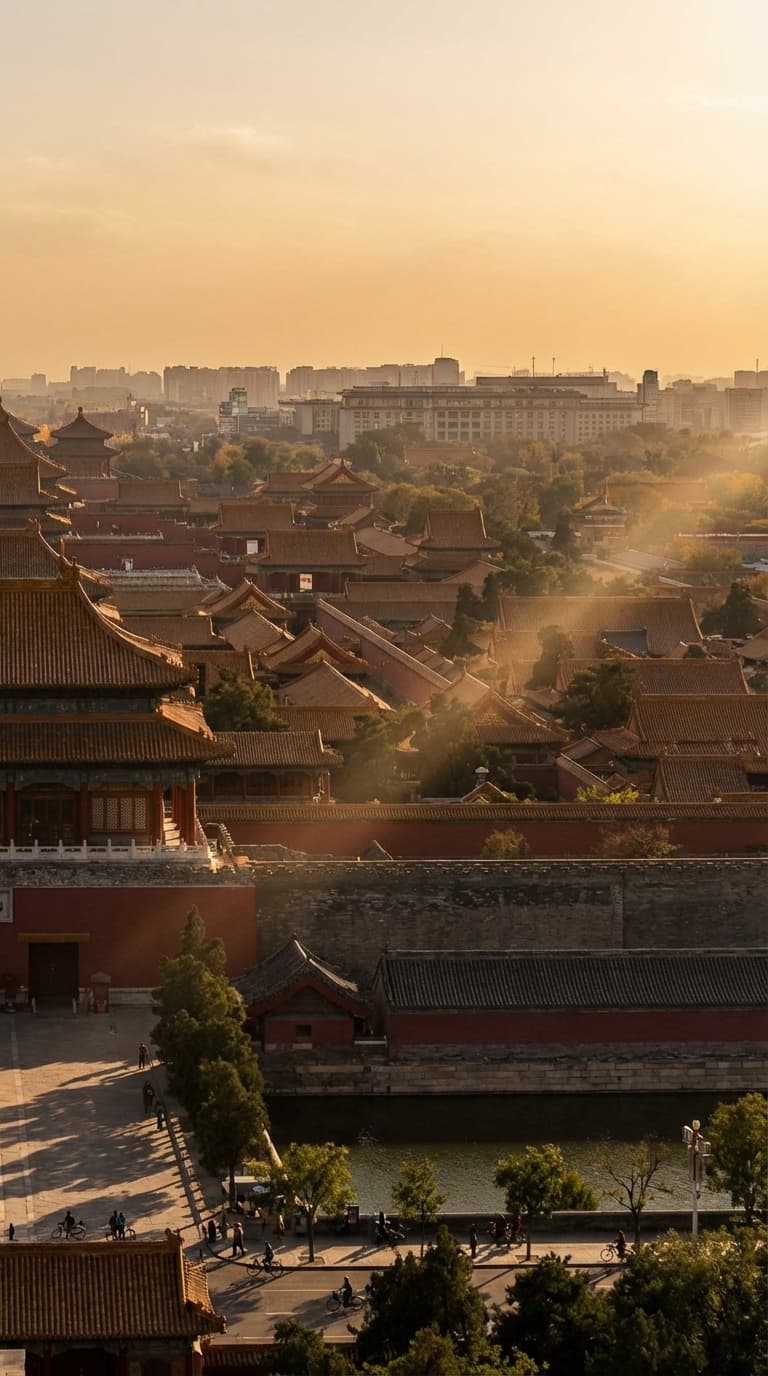
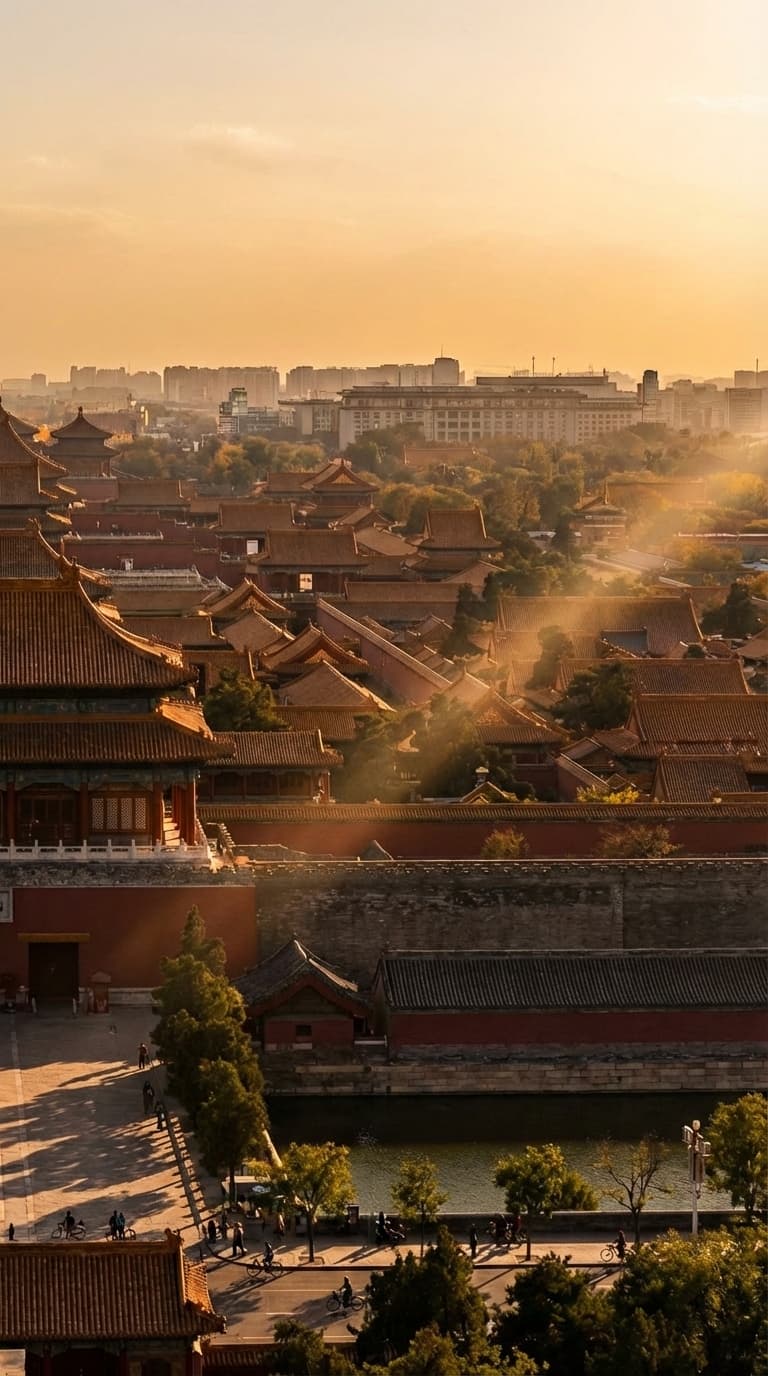
Beijing has been a capital city since Kublai Khan named it Dadu in the 13th century, and you can feel that weight everywhere. The Forbidden City — completed in 1420 — housed 24 emperors across the Ming and Qing dynasties. In 2024, the Beijing Central Axis (a nearly 5-mile strip of imperial buildings and ceremonial spaces, including the Temple of Heaven, Tiananmen Square, and the Drum and Bell Towers) was added to UNESCO's World Heritage List. A new sightseeing bus now connects the highlights, which makes first-time navigation significantly easier.
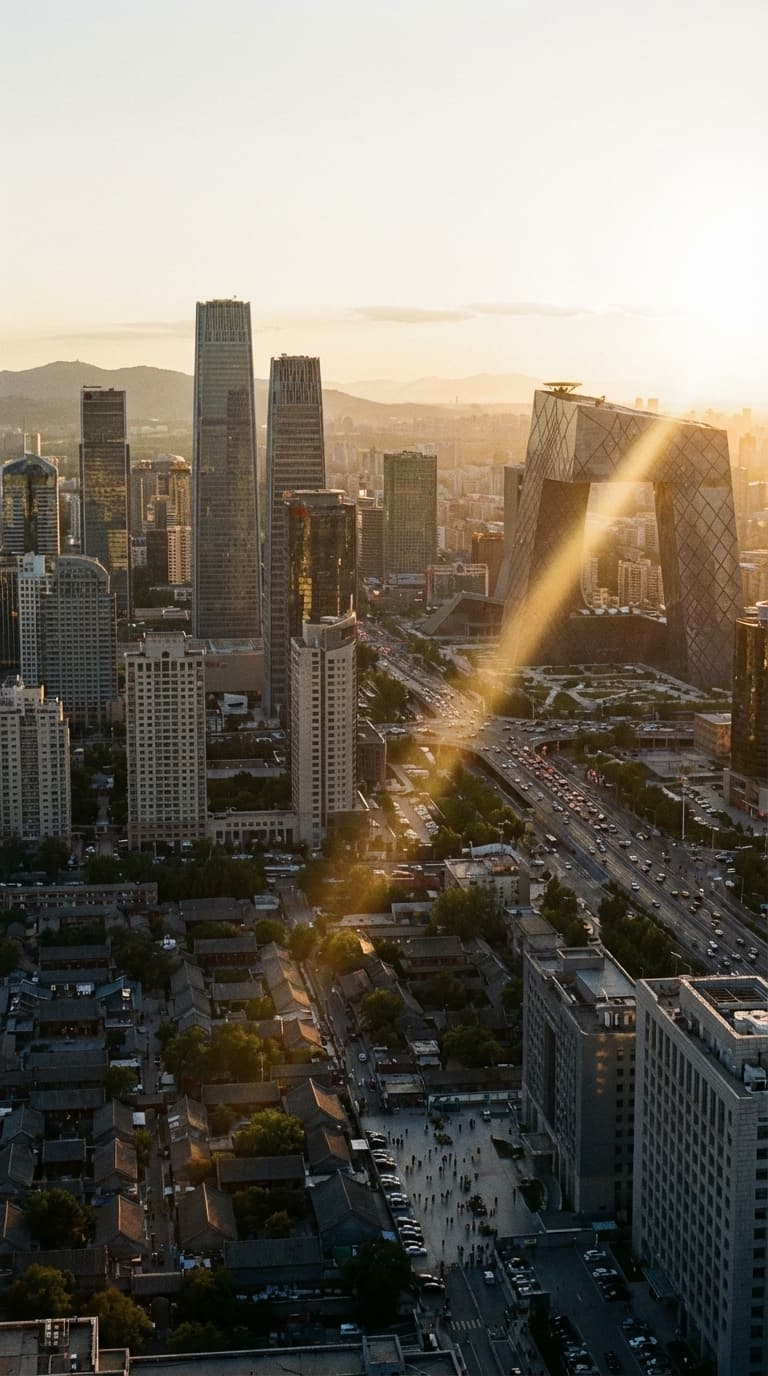
But Beijing isn't frozen in imperial amber. The 798 Art District — a Bauhaus-era military factory abandoned in the 1990s — became a contemporary art hub almost by accident, and now hosts nearly 200 galleries and studios. China Zun tower in the CBD stretches 528 meters into the sky. The Bird's Nest and Water Cube from the 2008 Olympics still stand in Chaoyang, the Water Cube now operating as a water park.
The city is also deeply cashless. WeChat Pay and Alipay dominate transactions at every level. Several previously closed imperial tombs near Changping were renovated and opened to the public in 2026 for the first time, which is worth knowing if you've already ticked off the main imperial sites. Air quality remains a real concern — pollution can be severe in winter and early spring, and on bad days the haze is genuinely thick. Check the AQI before outdoor plans.
Local Customs
MOBILE PAY MANDATORY
Mobile payments run this city. WeChat Pay and Alipay are expected almost everywhere — from street food stalls to museums. Set one up before you arrive, ideally by linking a foreign bank card.
Handing over cash will get you blank stares at some vendors.. Carry your passport at all times. Chinese law requires foreigners to carry valid ID, and checks can happen near government buildings or during busy events.
A photo on your phone isn't enough — carry the physical document.. Don't drink tap water. Beijing's tap water is not recommended for drinking.
Bottled water is cheap (¥2–4) and everywhere.. Crossing the street requires nerve and eye contact. Traffic moves fast, drivers sometimes turn right on red without yielding, and electric scooters are nearly silent.
Look both ways even when the light is green.. Google Maps, Instagram, and most Western social media apps are blocked. Download a VPN before you arrive — it won't install once you're behind the firewall.
Also download Baidu Maps as a backup navigation tool.. The Beijing accent adds a strong 'r' sound (called érhuà) to the end of many words. Locals speak quickly, often shortening words.
Don't stress about sounding perfect — any Mandarin attempt gets a warm response.. Bargaining is normal at markets like Panjiayuan (the antique/flea market) but not in malls or restaurants. Start at about 30-40% of the asking price and work from there..
Public toilets exist everywhere but quality varies enormously. The ones in major tourist sites are decent. Carry small packets of tissue — some older-style bathrooms don't supply paper..
Avoid traveling during Golden Week (October 1-7) and Spring Festival (February 2026: 15-23). Trains and planes sell out, hotel prices can triple, and famous sites are shoulder-to-shoulder crowds.. Hotel check-in requires a passport.
The hotel automatically registers your stay with local authorities. If staying in a private apartment or Airbnb, you or your host technically need to register with the local police station within 24 hours.
Safety
VERY SAFE, WATCH BELONGINGS
Beijing is genuinely low on violent crime. Heavy police presence, extensive CCTV surveillance, and strict enforcement mean most visitors feel very safe walking around, including at night. The US State Department keeps China at a Level 2 advisory, but for typical leisure travel in Beijing that's mostly relevant to business travelers and journalists, not tourists doing the standard circuit.
Where things get annoying rather than dangerous: petty theft in crowded spots like Wangfujing, busy subway stations, and major tourist sites. Keep a hand on your bag at the Forbidden City and on packed metro lines. Unlicensed taxi drivers near airports and train stations approach foreigners aggressively and will overcharge — always use official taxi stands or Didi.
Sanlitun is safe for nightlife but venturing into unfamiliar outer-district alleyways late at night after heavy drinking is a bad idea anywhere in the world, and Beijing is no exception.
Traffic is probably a bigger hazard than crime. Electric scooters are silent and fast. Make eye contact with drivers before stepping into any road, even on a green signal. Bottled water only — tap water in Beijing is not safe to drink directly.
Getting Around
METRO & DIDI
Beijing's metro is one of the best deals in any major city on earth. Fares start from ¥3 and a 32km cross-city journey costs under ¥6. The network is massive, signs are in English and Chinese, and trains are clean. Get a Yikatong card (available at any station) or use the Beijing Public Transport app — both make fare management simple. The Airport Express runs from Beijing Capital Airport directly to Dongzhimen in about 30 minutes for ¥25.
For the Great Wall, your options matter. Bus 877 from Deshengmen gate is the cheap route to Badaling. But Badaling is famously crowded. Most people who've been once recommend Mutianyu instead — about 90 minutes from the city center, better maintained, and far less shoulder-to-shoulder. Private car to Mutianyu runs around ¥300–400 return.
Didi is China's equivalent of Uber and works well with a foreign SIM. It's typically 10–15% cheaper than taxis and removes the meter-cheating risk entirely. Download it and set it up before you need it. Taxis start at ¥13 for 3km but drivers occasionally try to avoid using the meter near train stations and airports — insist on the meter or use Didi.
One real warning: Beijing traffic is brutal. Choose your hotel based on subway proximity, not neighborhood romance. If you're more than a 10-minute walk from a metro station, you will regret it. Traffic jams during Friday afternoons can add hours to any journey.
Useful Phrases
Explore Destinations


Explore the Region
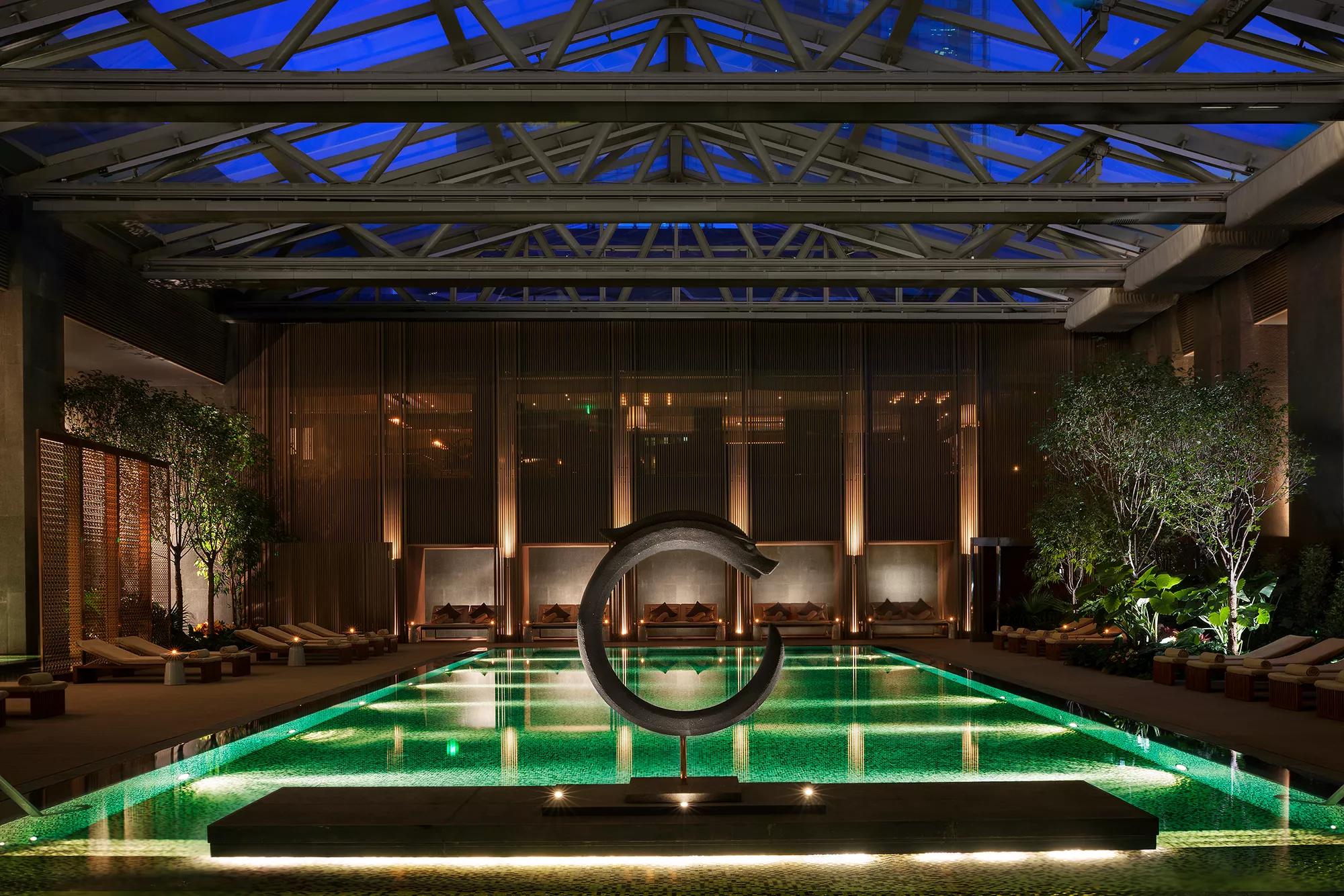
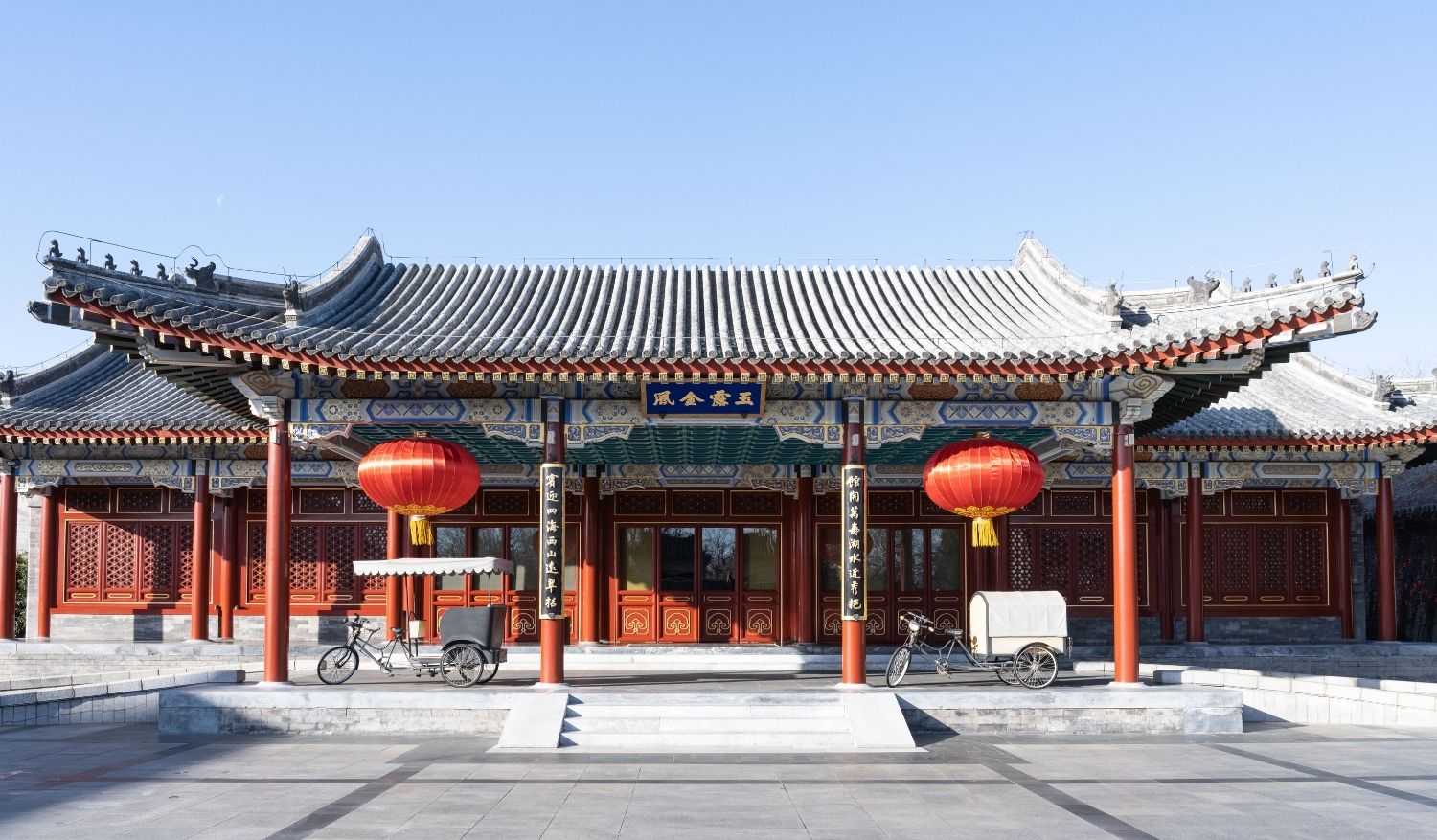
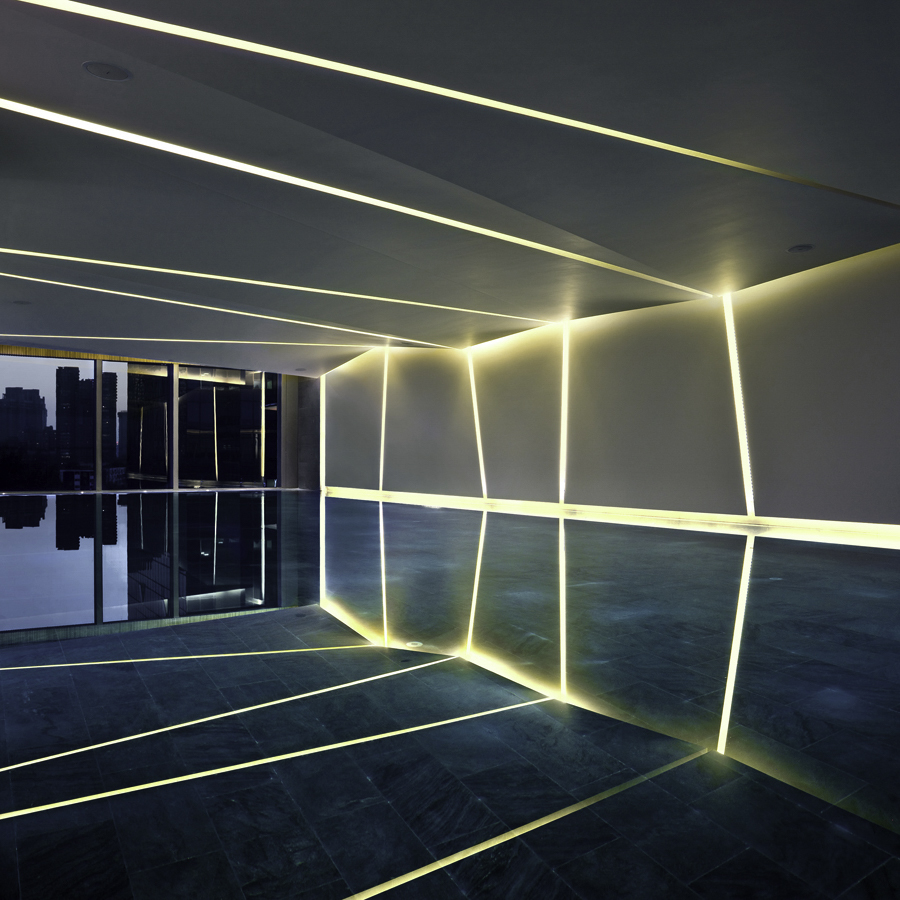
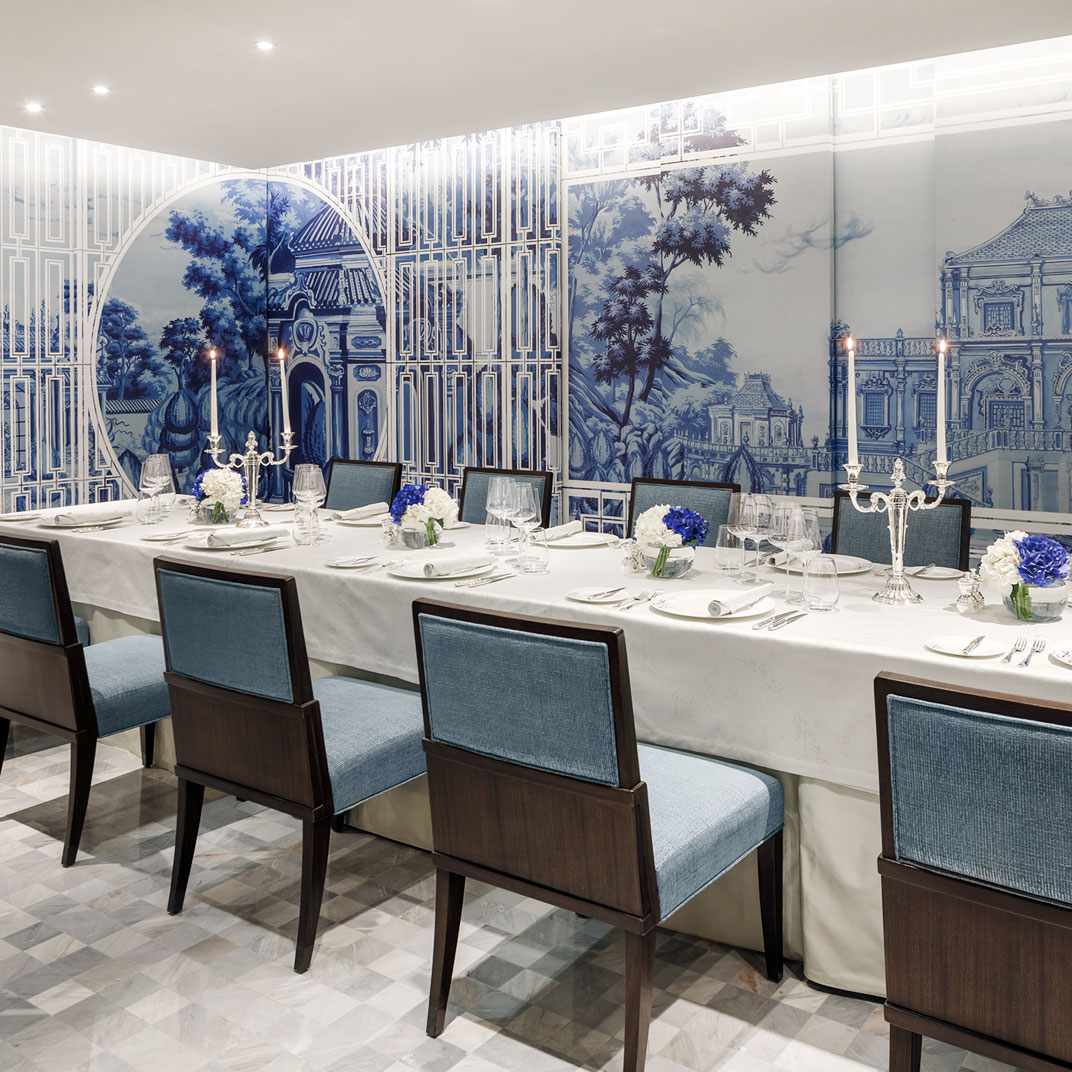
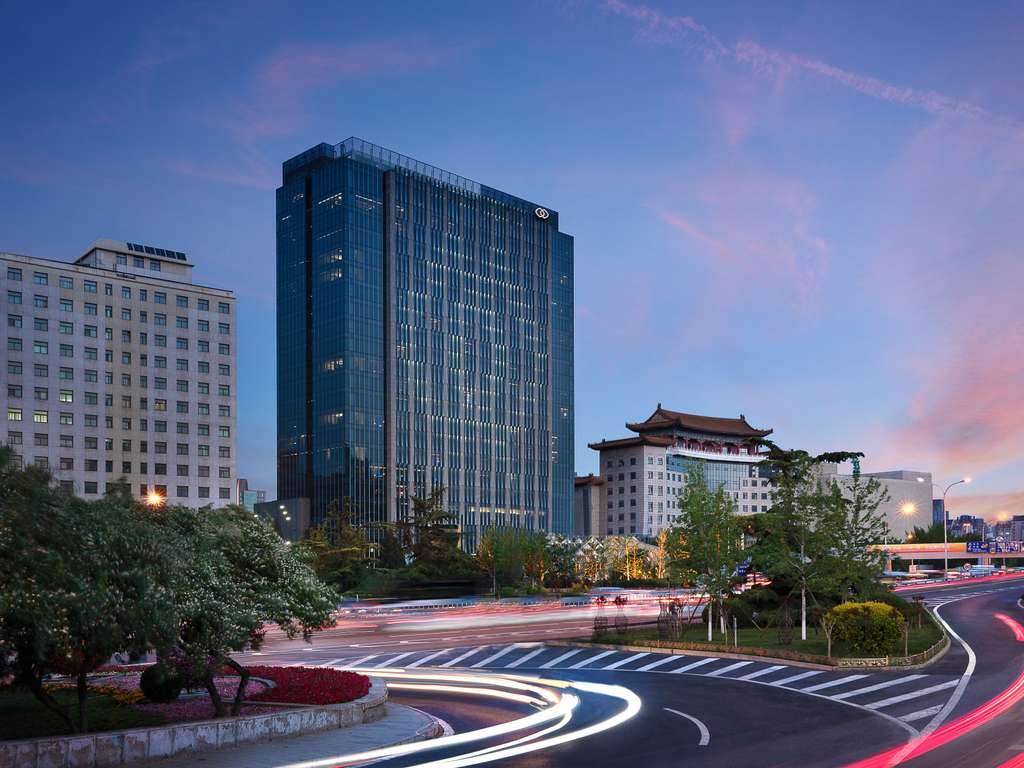
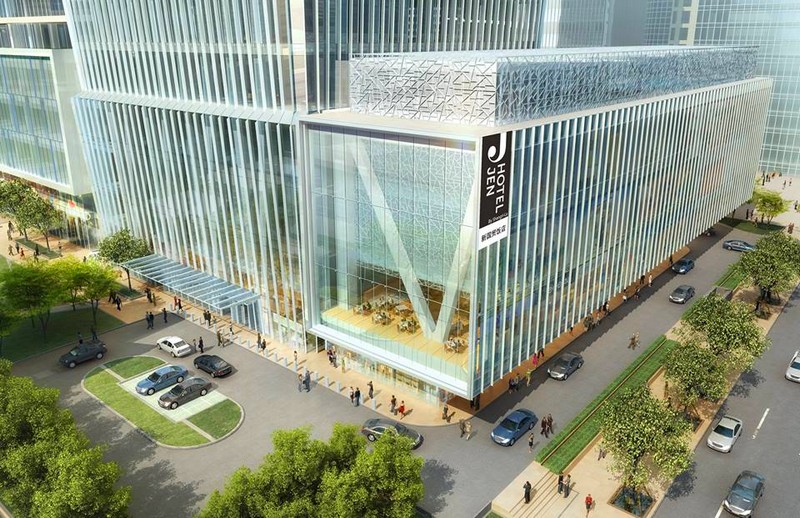
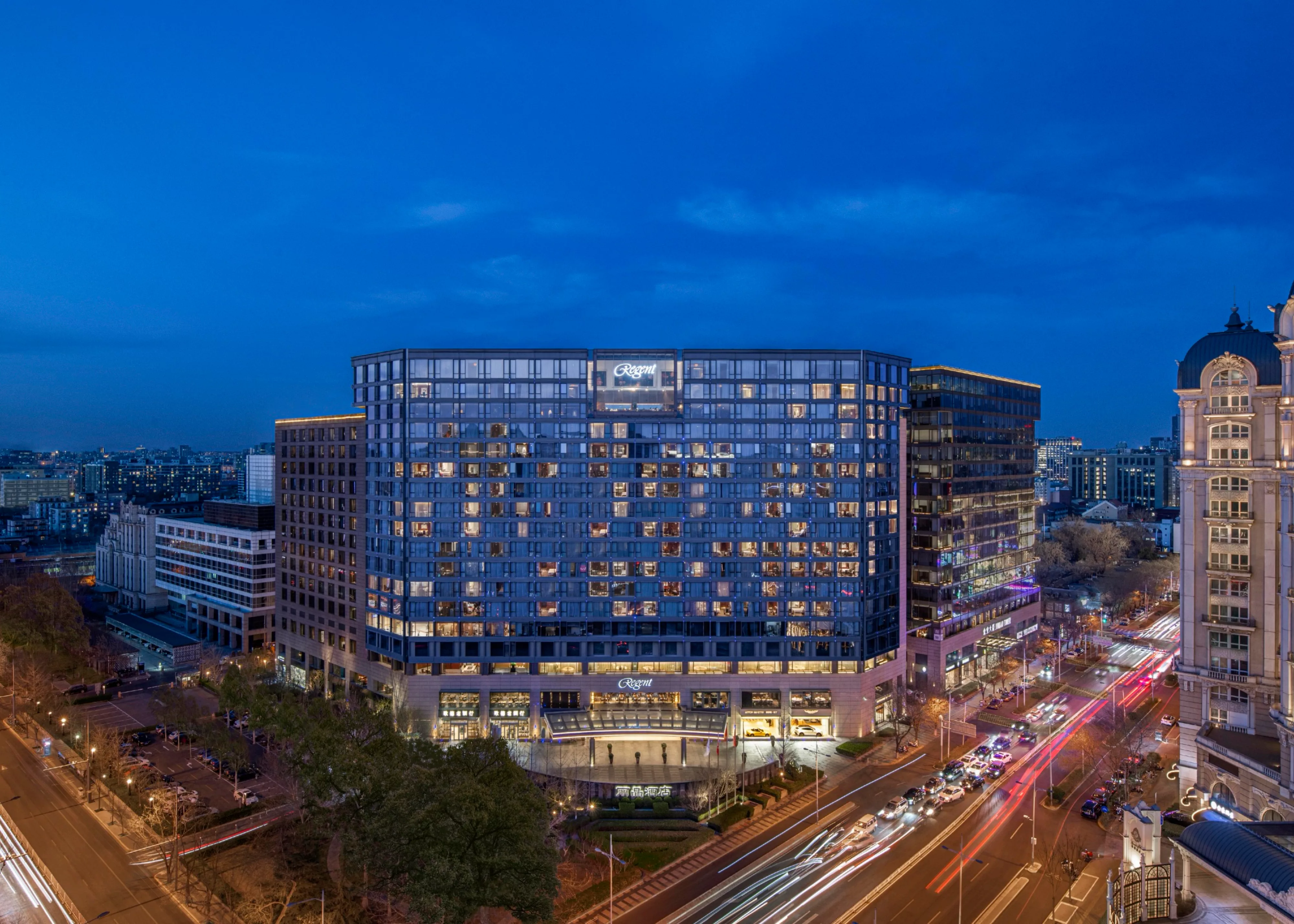
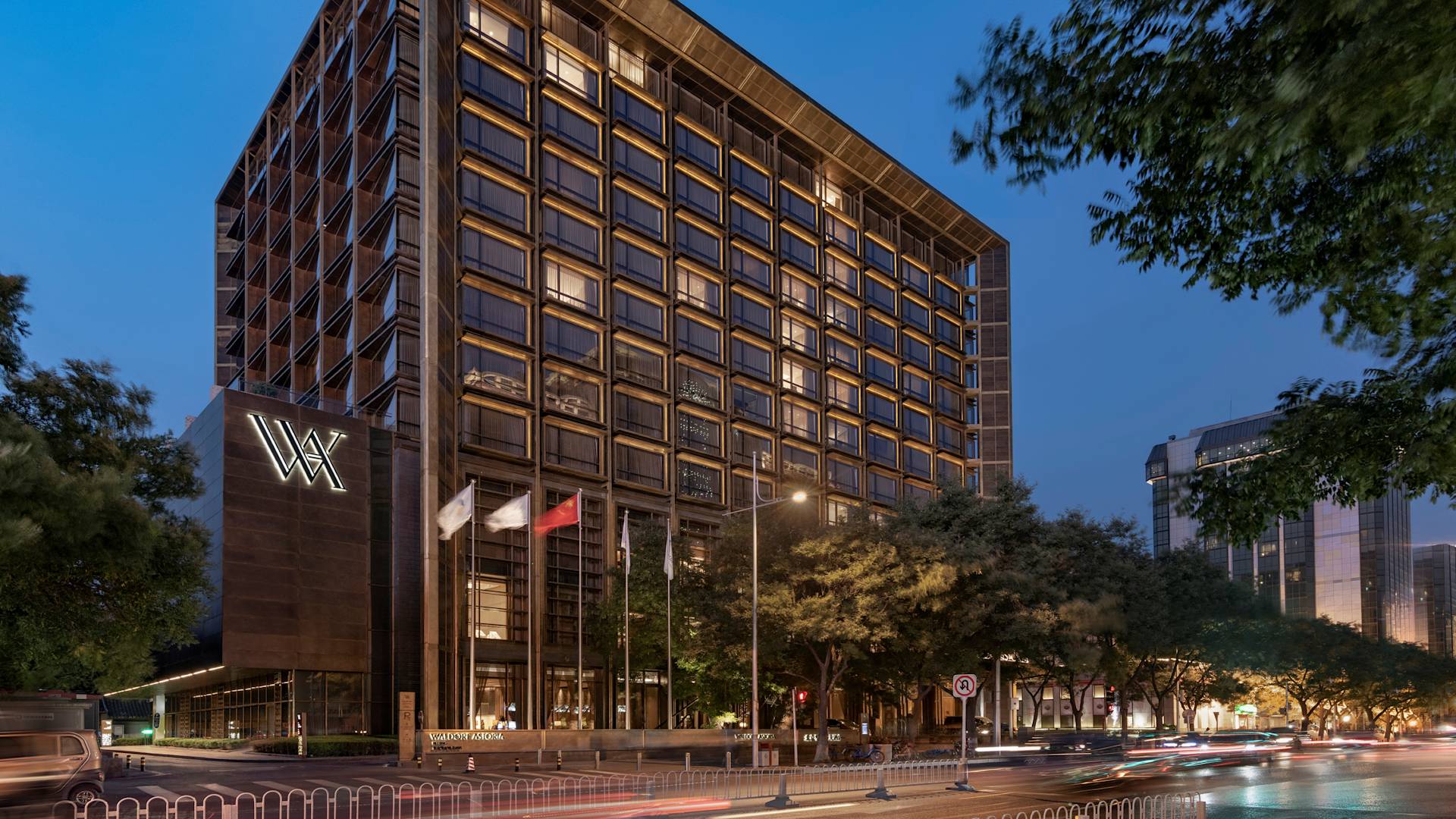
Where to Stay in Beijing
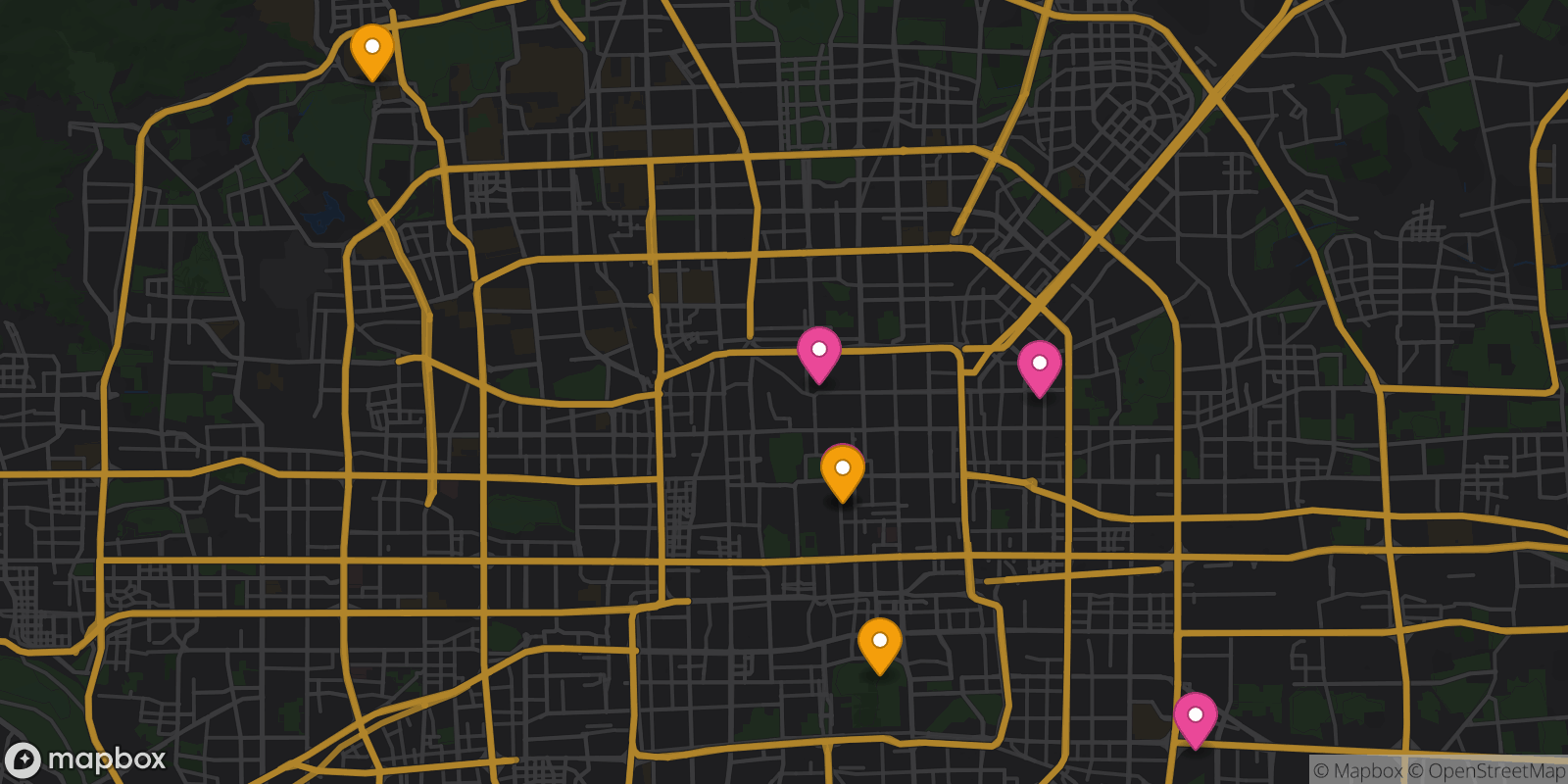
9 recommended properties

Things to Do in Beijing
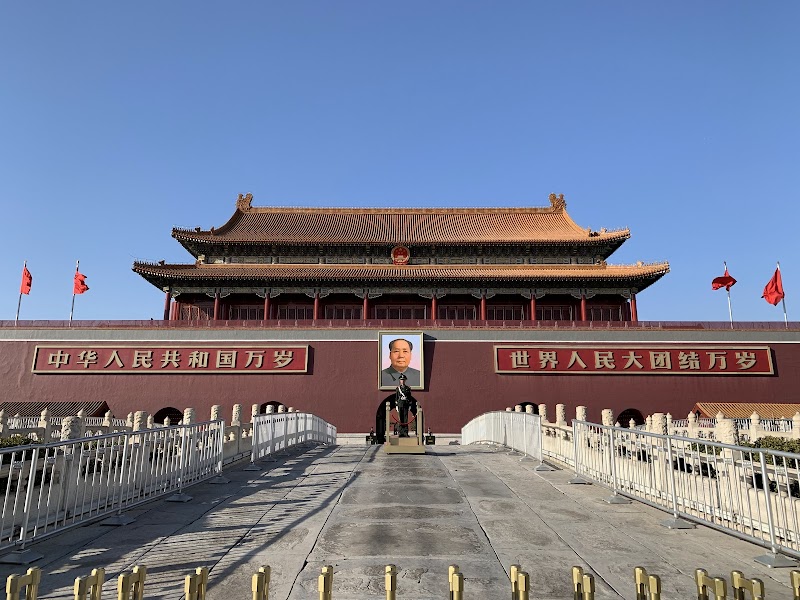
Tiananmen Square and Forbidden City
Dongcheng / Central Axis · 180 min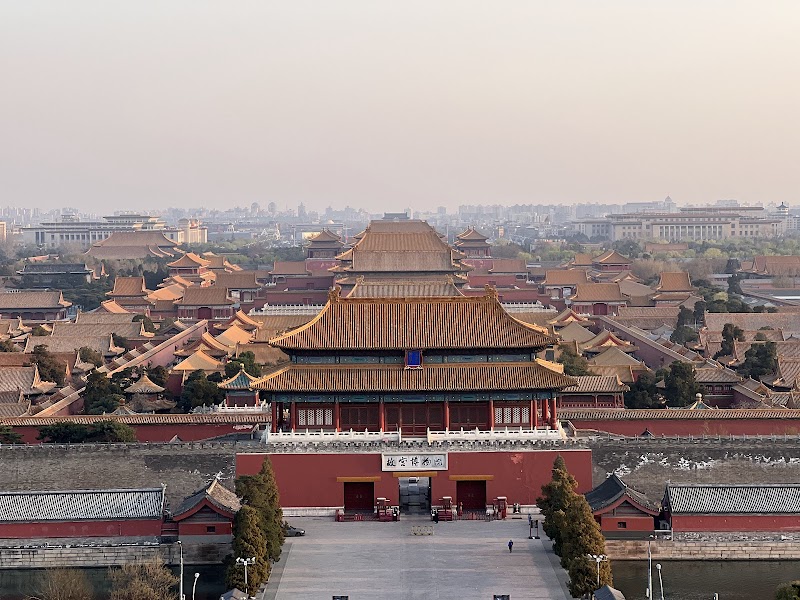
Jingshan Park
Dongcheng / Jingshan · 60 min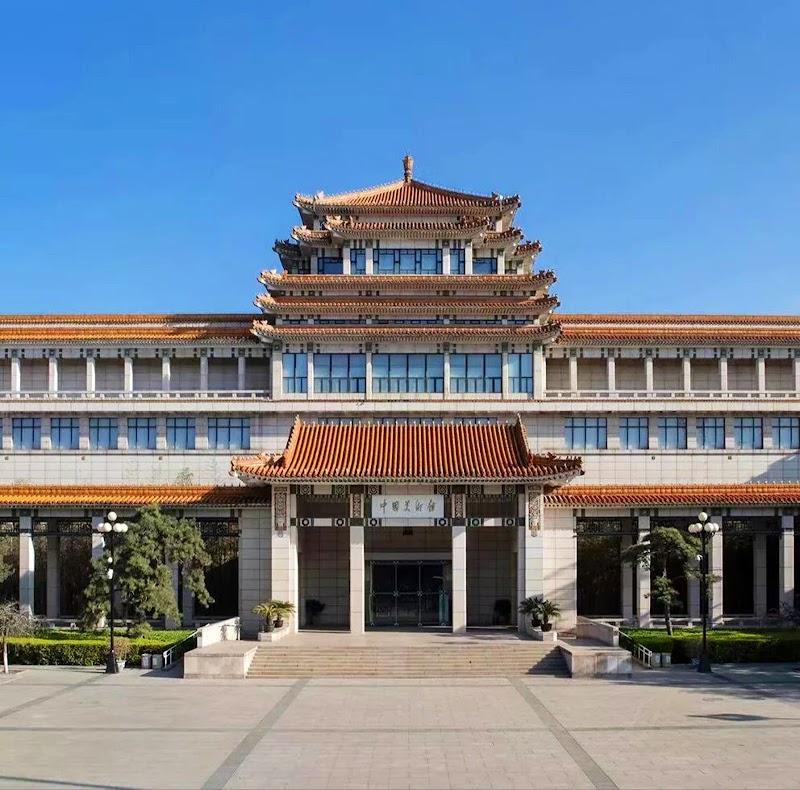
National Art Museum of China
Dongcheng / Wangfujing · 90 minMoney-Saving Tips
- 1.Subway rides cost about 50 cents — buy a rechargeable card at any station to avoid lines
- 2.Street food breakfast (jianbing) runs $1-2, while sit-down restaurant meals cost $8-15 per person
- 3.Many temples charge 30-60 yuan entry fees, but hutong wandering is completely free
- 4.Tipping isn't expected at restaurants, but round up taxi fares to the nearest yuan
- 5.Download Alipay for mobile payments — many vendors don't accept cash anymore
- 6.Bargain at markets like Panjiayuan, but department stores have fixed prices
Travel Tips
- •Download a VPN before arriving — Google, Facebook, and Instagram are blocked
- •Carry toilet paper and hand sanitizer — public restrooms often lack both
- •Learn basic Mandarin phrases or download a translation app with offline mode
- •Air pollution varies daily — check AQI levels and pack a face mask for bad days
- •Many attractions close on Mondays — plan your itinerary accordingly
- •Bring a power bank — Beijing's size means long days of navigation and photos
- •Keep your passport handy — some hotels and attractions require ID checks