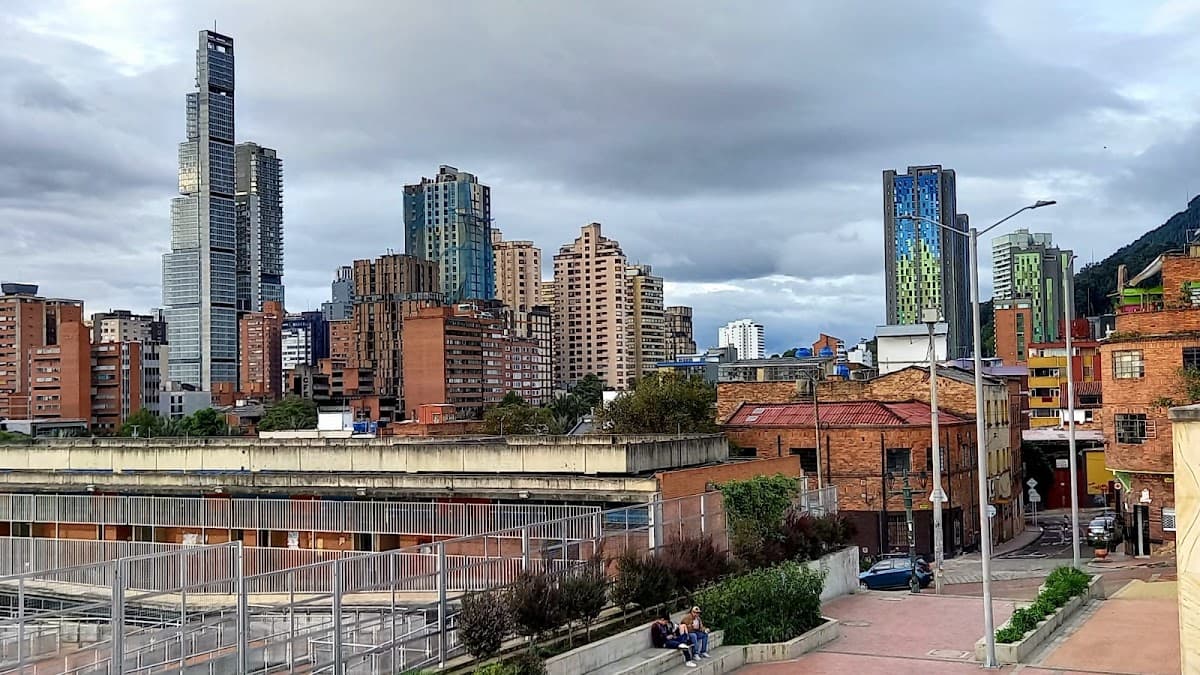
Bogotá
High-altitude cultural capital with colonial charm and modern edge
At 8,660 feet above sea level, Bogotá hits you with thin air and thick culture. Colombia's capital sprawls across a high plateau, where colonial churches share blocks with cutting-edge galleries and street art covers every available wall. The city moves at its own rhythm — slower than you'd expect for 8 million people, but intense in ways that catch you off guard. Here's the thing: Bogotá doesn't try to impress tourists. It's too busy being itself, which makes it all the more compelling once you figure out how it works.
Best Months
JAN · FEB · JUN · JUL · AUG · DEC
~19°C · high crowds
Culture & Context
ALTITUDE MEETS AMBITION
Bogotá sits at 2,640 meters (8,660 feet) above sea level, which means your first day will humble you. Walk a block faster than you planned and your lungs will remind you where you are. The city is home to 11.
6 million people, making it the largest city in Colombia by a significant margin. But here's the thing: it carries nothing of the beach-holiday vibe that Cartagena sells, or the perpetual-spring energy that Medellín markets relentlessly. Bogotá is serious, layered, and genuinely interesting.
It rewards patience. Locals (called "rolos" or "cachacos") have a reputation for being more formal and reserved than Colombians from warmer cities. That's not coldness.
It's just a different rhythm. The city has built one of the most impressive urban art scenes in all of Latin America, the mayor legalized street graffiti and commissioned over 130 artists to transform entire neighborhoods. Cycling is a genuine civic identity here.
Every Sunday, 121 kilometers of major streets shut down to cars for Ciclovía, and the city shows up. Families, cyclists, rollerbladers, joggers. And on weekdays, the same streets are gridlocked in some of the worst traffic on the continent.
That contradiction is Bogotá in a nutshell. It's also a legitimate tech capital in Latin America. Rappi, the delivery super-app used across South America, was invented right here.
Local Customs
FORMAL, NOT COLD
Bogotanos use 'usted' (the formal 'you') far more than people from warmer Colombian cities, sometimes even with close friends. Don't read it as cold. It's just how rolos roll..
Greet women with a single kiss on the right cheek. Men usually shake hands unless they know each other well, then it's a hug.. Sunday Ciclovía is a genuine civic ritual.
Every Sunday from 7am to 2pm, 121 kilometers of major streets close to cars. Rent a bike, bring sneakers, or just walk. The whole city comes out..
Hot chocolate with cheese is a Bogotá thing. Don't knock it until you try it at La Puerta Falsa on Calle 11. The cheese melts slightly into the chocolate and it makes total sense once you taste it..
The 'corrientazo' is the lunch institution of working Bogotá. A set lunch including soup, main course, juice, and sometimes dessert, available at local restaurants for roughly 10,000-15,000 COP. Ask 'hay corrientazo?
' anywhere that looks local and you'll eat well for under $4.. Never hail a taxi from the street. This isn't an exaggeration.
Use DiDi, Cabify, or Uber exclusively. Bogotá taxi kidnapping (called 'paseo millonario') is a documented risk with street cabs.. The altitude catches people off-guard.
Bogotá sits at 2,640 meters. Drink water before you go out, take it slow the first day, and don't be surprised if one beer hits harder than usual.. Tipping (propina) at sit-down restaurants is standard, usually 10%.
In many places it appears as a separate line item on the bill and you can technically decline, but it's bad form to do so.
Safety
STAY NORTH, STAY SMART
The US State Department has Colombia at Level 3 (Reconsider Travel) as of March 2026, citing crime, terrorism, civil unrest, and kidnapping. That said, millions of tourists visit Bogotá's main neighborhoods every year without incident. Context matters enormously.
The northern neighborhoods (Zona T, Usaquén, Chapinero Alto, Parque 93) are genuinely comfortable and have strong police presence. The southern parts of the city are a different story and there's no good reason for a tourist to go there. La Candelaria is fine during the day but noticeably sketchier after dark.
The single most important rule: never hail a taxi off the street. Fake police are also a known scam (especially around Monserrate and Plaza Bolívar), where people posing as officers ask to inspect your documents or currency. If this happens, ask to be escorted to the nearest police station (CAI) rather than complying on the spot.
Don't accept drinks from strangers at bars or clubs. Scopolamine (a disabling drug known locally as 'burundanga') is real and occasionally used to incapacitate tourists before robbery. Altitude sickness is a genuine health consideration at 2,640 meters.
Malaria is not a risk in Bogotá due to the elevation, but if you're heading to lower regions afterward, talk to your doctor. Hiking trails near the city (Quebrada La Vieja, Sendero San Francisco) can be targets for robbery. Don't go alone and check recent local advice before heading out.
Keep your phone in your pocket in public. Don't wear expensive jewelry. Dress like you blend in, which in Bogotá means layers, not sandals and shorts.
Getting Around
TRANSMILÉNIO, NOT TAXIS
The TransMilenio bus rapid transit system is the backbone of the city. A single ride costs around 3,488 COP (about $0.96) and uses a rechargeable TuLlave card (roughly $2.
15 to buy). It covers a wide network and has dedicated bus lanes, which means it avoids most traffic jams. Traditional SITP buses are even cheaper at about 2,750 COP but serve smaller neighborhoods.
For ride-hailing, Uber technically operates in a legal gray area but is widely used and generally safe. DiDi and Cabify are fully legal alternatives with similar pricing. Use any of these instead of street taxis.
Airport taxis are regulated. Use the official printed-ticket booth inside El Dorado International Airport and don't negotiate with anyone who approaches you before you reach it. Bogotá has no metro yet, though construction is over 72% complete as of early 2026.
The Sunday Ciclovía closes 121 kilometers of streets to vehicles from 7am to 2pm, making cycling or walking the best way to explore on that day. Rent bikes near Parque Simón Bolívar. Traffic is legitimately some of the worst on the continent, particularly during rush hours (7-9am and 5-8pm).
If you need to get somewhere on time, either go early, go late, or budget significant extra time.
Useful Phrases
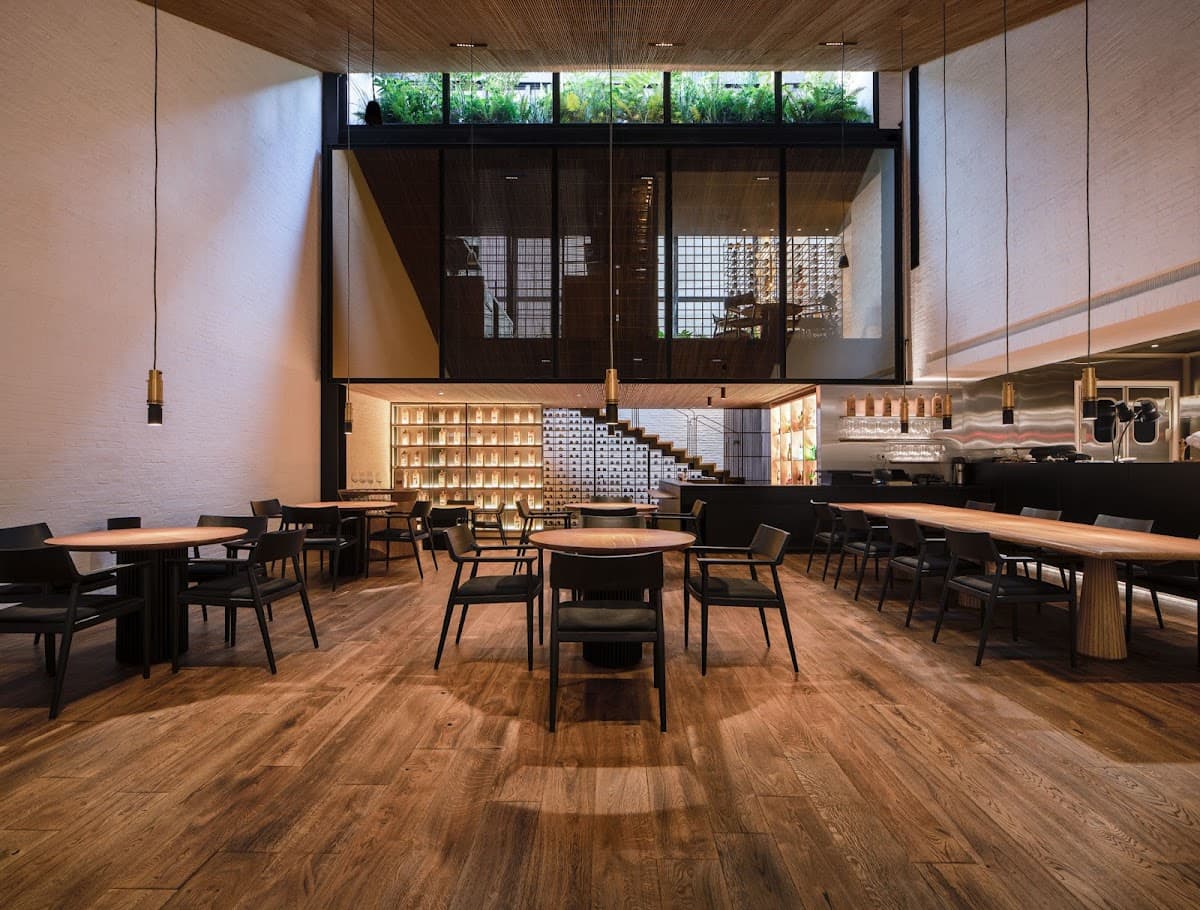
Things to Do in Bogotá
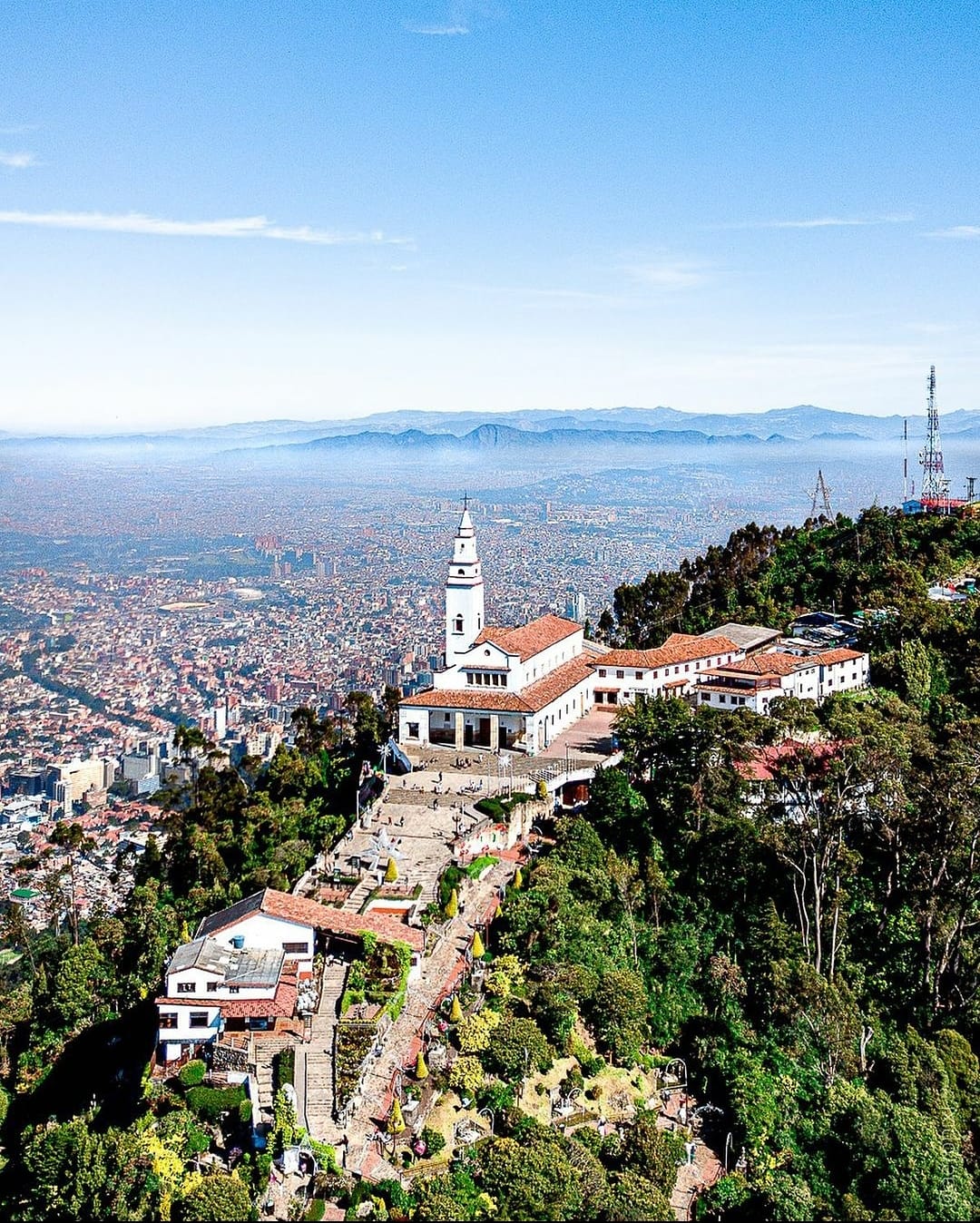
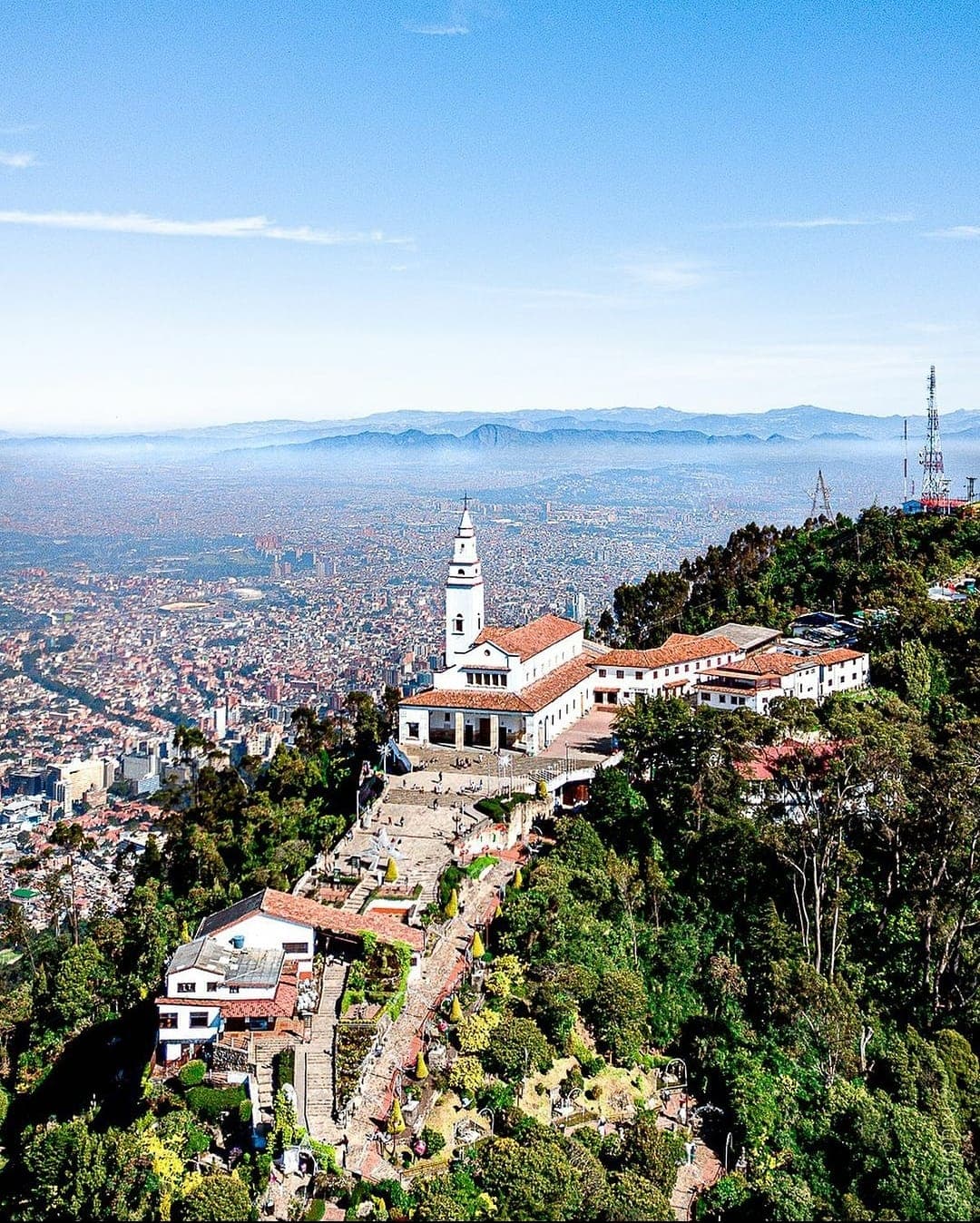
Monserrate
Monserrate · 90 min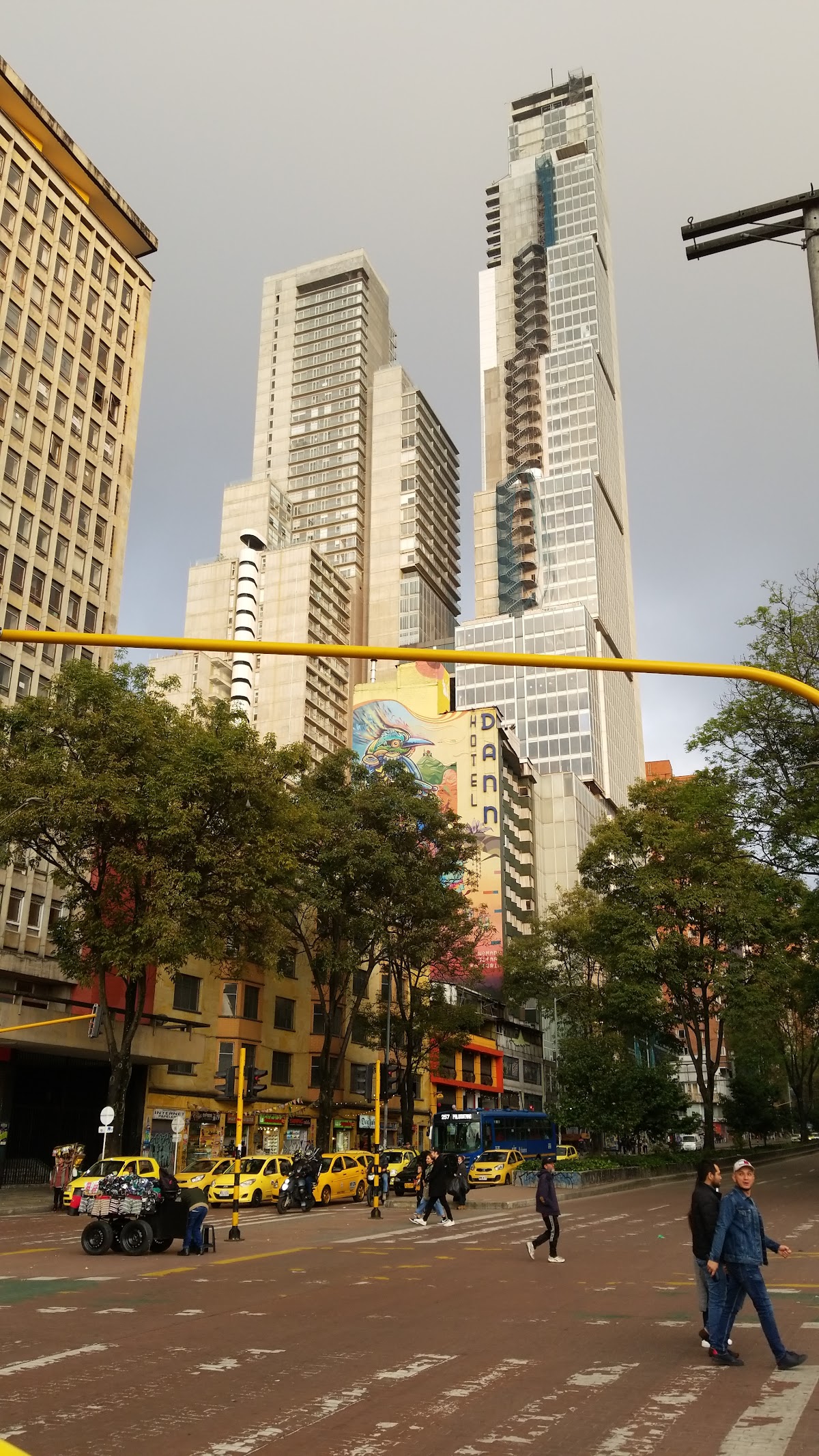
La Candelaria
La Candelaria · 120 min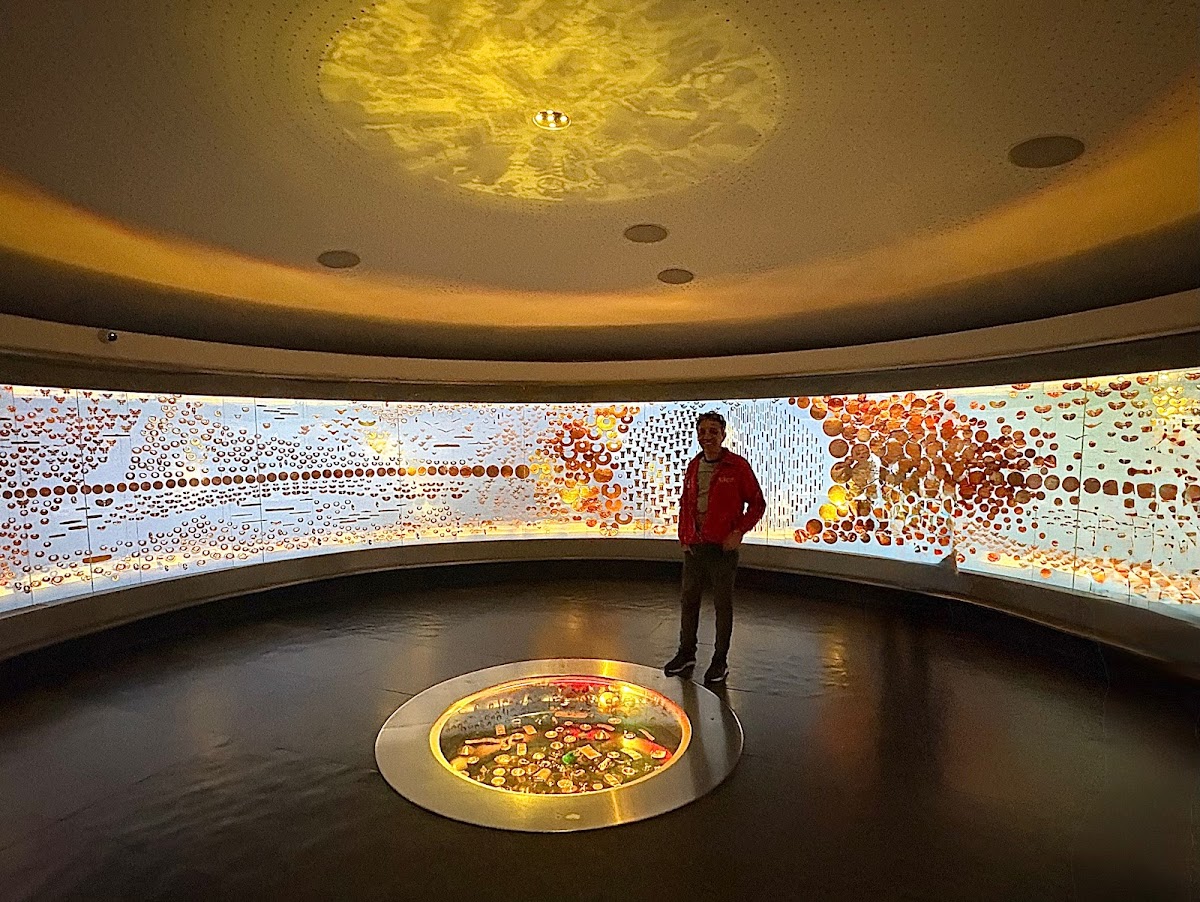
Museo del Oro
La Candelaria · 90 minMoney-Saving Tips
- 1.Buy a TransMilenio card and load it with enough for several days — individual tickets cost more
- 2.Lunch menus at good restaurants run $8-12, while dinner at the same place costs $25-30
- 3.Street food is incredibly cheap and safe — empanadas cost $0.50, fresh juice $1-2
- 4.Museums offer free admission on Sundays, but expect crowds at popular spots like Museo del Oro
- 5.Taxis are cheap but always ask for the meter (taxímetro) or agree on price beforehand
- 6.Local markets like Paloquemao sell fresh produce at fraction of supermarket prices
- 7.Happy hour at upscale bars runs 5-7 PM with half-price cocktails
- 8.Hostels in La Candelaria cost $10-15 per night, but research safety of specific locations
Travel Tips
- •The altitude affects everyone differently — drink lots of water and avoid alcohol your first day
- •Always carry cash — many places don't accept cards, especially smaller restaurants and markets
- •Learn basic Spanish phrases — English isn't widely spoken outside tourist areas
- •Dress in layers — temperature swings 20 degrees between morning and afternoon
- •Keep copies of your passport — police checkpoints are common and legitimate
- •Use official yellow taxis or Uber — unmarked cars aren't safe
- •Don't flash expensive jewelry or electronics, especially in La Candelaria
- •Afternoon rain is common year-round — carry a compact umbrella
- •Sunday ciclovía closes major streets to cars 7 AM-2 PM — perfect for walking or biking
- •Book restaurants ahead on weekends — Bogotanos love dining out and popular spots fill up