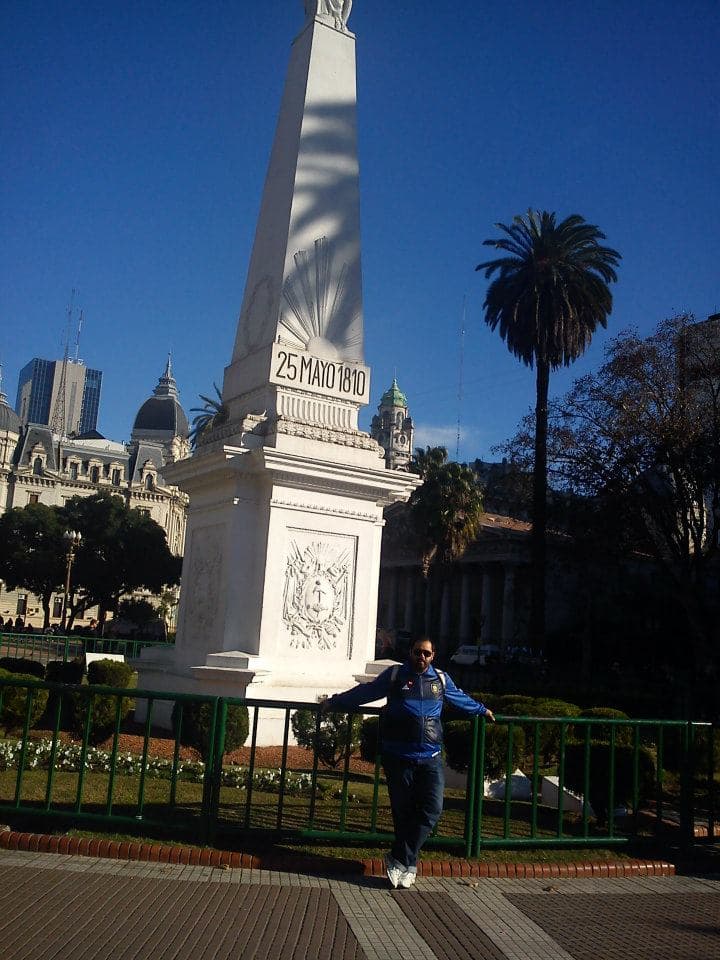
Buenos Aires Province
Gaucho culture and endless pampas surrounding Argentina's capital
Buenos Aires Province stretches far beyond the capital's borders, unfolding into endless pampas where gaucho culture lives and breathes. Here's where Argentina shows its true colors — not in the tourist-packed streets of Palermo, but in the windswept grasslands where horses still matter more than cars. You'll find estancias that have hosted families for generations, small towns where everyone knows your name by day two, and beef so good it'll ruin steakhouses back home forever. The province wraps around the Federal District like a warm poncho, offering everything from Atlantic beach towns to colonial settlements that time forgot.
Culture & Context
TANGO & CONTRADICTIONS
Buenos Aires is a city that wears its contradictions openly. European architecture, Italian-descended food culture, and Parisian boulevard aesthetics sit alongside deeply South American rhythms: late nights, passionate fútbol, and tango in the streets. Porteños (Buenos Aires locals) are known for their warmth but also their directness — they'll tell you exactly what they think, which can read as abrasive until you realize it's just how conversations work here.
Psychoanalysis is practically a local religion; Buenos Aires has one of the highest concentrations of therapists per capita in the world. The city's immigrant history — primarily Italian and Spanish waves in the late 19th and early 20th centuries — shaped everything from the local dialect (lunfardo, a rich slang born partly from Italian prison argot) to the food (pasta is as common as asado). Tango is on UNESCO's Intangible Cultural Heritage list and is genuinely lived here — not just performed for tourists.
For an authentic experience, skip the dinner-show packages and find a milonga (social dance hall) in San Telmo or Almagro where locals dance until 4am. The city is very LGBTQ+ friendly, particularly in Palermo and San Telmo. Political protests are frequent in Plaza de Mayo — they're part of daily life, not cause for alarm.
Local Customs
DINNER AT 10PM
Greetings are physical — a single kiss on the right cheek is standard even when meeting someone for the first time. Men shake hands with each other but may also kiss close friends. Don't skip the greeting; it's considered rude..
Dinner doesn't happen until 9–10pm at the earliest. Restaurants that open at 7pm are catering to tourists. Locals show up at 10pm, and the kitchen is still firing at midnight.
Bridge the gap with merienda (afternoon tea and pastries) around 5–6pm.. Mate is serious business. If someone offers you their mate gourd, accept it — declining is mildly offensive.
You drink from the same bombilla (metal straw), refill with hot water, and pass it back. Don't say 'gracias' until you're done drinking for good, or they'll stop offering.. Tip 10% in restaurants, always in cash — credit card machines rarely include a tip option.
Also expect a 'cubierto' (cover charge for bread and table service) on most restaurant bills; this is not the tip.. Nightlife starts genuinely late. Clubs (boliches) don't get going until 2–3am.
The 'previa' (pregame gathering) at someone's apartment is as important as the night out itself.. Porteños are punctual for work but flexible for social plans. Arriving 15–30 minutes late to a dinner invitation is completely normal and expected..
Don't compare local food or drink to international versions — dulce de leche is not caramel, and mate is not tea. Porteños are proud of their culinary identity.. At milongas (tango social halls), dancers use the 'cabeceo' — a subtle nod or eye contact — to invite someone to dance.
Barging onto the floor uninvited breaks the etiquette code completely.. Carry a black-and-white photocopy of your passport's photo page. Police can ask for ID, and your driver's license doesn't count.
Keep the original in your hotel safe.
Safety
WATCH YOUR BELONGINGS
Buenos Aires is safe for tourists with basic urban awareness — not a city to fear, but not one to sleepwalk through either. The U.S.
State Department rates Argentina at Level 1 (same as Canada and Japan), and it ranks #46 on the Global Peace Index, making it the most peaceful country in South America. The real risk is your phone and wallet, not your life. Pickpocketing is widespread, particularly in tourist areas, at Retiro bus station, on Avenida 9 de Julio, and in crowded markets.
Motochorros (motorcycle-riding phone snatchers) exist, especially near intersections — put your phone away at curbs. The mustard-or-ketchup-spill scam is real: someone spills something on you and an accomplice steals your bag while a 'helper' distracts you. Safest neighborhoods: Belgrano, Palermo, Recoleta (all rated 9–10/10).
Be cautious in La Boca at night (visit only daytime), and near Constitución and Retiro bus terminal after dark. Use Uber or Cabify rather than hailing street taxis at night. Wear your bag across your body with the opening facing front.
Don't text while standing at a bus stop or near an open window on a bus. Keep a color photocopy of your passport in your wallet (police can request ID). Tourist Police: 0800-999-5000 (24/7, English-speaking, Av.
Corrientes 436). Emergency: 911. Medical emergency: 107.
Tap water is safe to drink throughout Buenos Aires.
Getting Around
SUBE CARD ESSENTIAL
Buenos Aires has one of South America's most extensive public transport networks, and it's remarkably cheap. The SUBE card is your key to everything — buses (colectivos), the subway (Subte), and trains. You cannot pay cash on buses or the subway.
Get a SUBE card immediately: buy at any subway station ticket counter, train station, or kiosko (convenience store) displaying the SUBE logo. Cost is around ARS 1,500 (about $1 USD). Good news: as of December 2024, the subway also accepts Visa, Mastercard, Apple Pay, and Google Pay on new turnstiles.
Load cash onto your SUBE at subway stations or kioscos — say 'carga SUBE' and hand over the amount in pesos. Single ride costs $0.30–0.
50. A day of heavy sightseeing on public transit runs under $3. The Subte has six lines (A–H) running 5:30am–11:30pm weekdays, with reduced weekend hours.
Line A is the oldest subway in the Southern Hemisphere. Colectivos (buses) run 24/7 and cover every corner of the city — over 180 routes. Use Moovit or Google Maps for route planning.
For navigation, give cross-street intersections rather than addresses (e.g., 'Corrientes y Florida' instead of 'Corrientes 585').
Taxis: black with yellow roofs, flagged from the curb when the 'libre' sign is lit, metered fares in pesos. Uber and Cabify both work but operate in a legal gray area — drivers may ask you to sit in the front to look like friends. For night trips, Cabify is the safer bet.
Trains from Retiro Station connect to suburban areas and the Tigre Delta (a popular day trip). The SUBE card works on trains too.
Useful Phrases
Explore Cities

Explore the Region
Buenos Aires Province Itineraries
Palermo in One Day: Normans, Markets, and Cavernous Charm
Weekend · $$$
Three Cultural Days in Buenos Aires for Curious Couples
Weekend · $$$
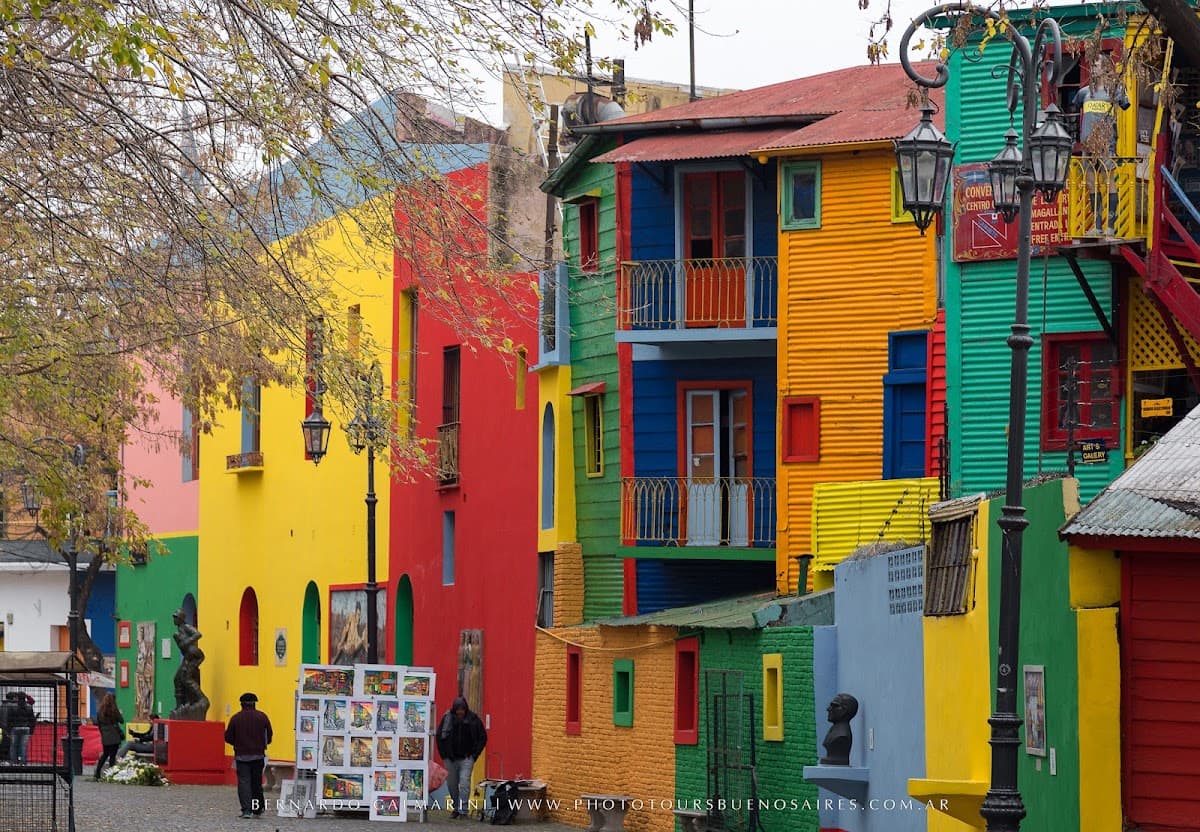
Buenos Aires Discovery: Culture, Color & Culinary Moments
Weekend · $$$
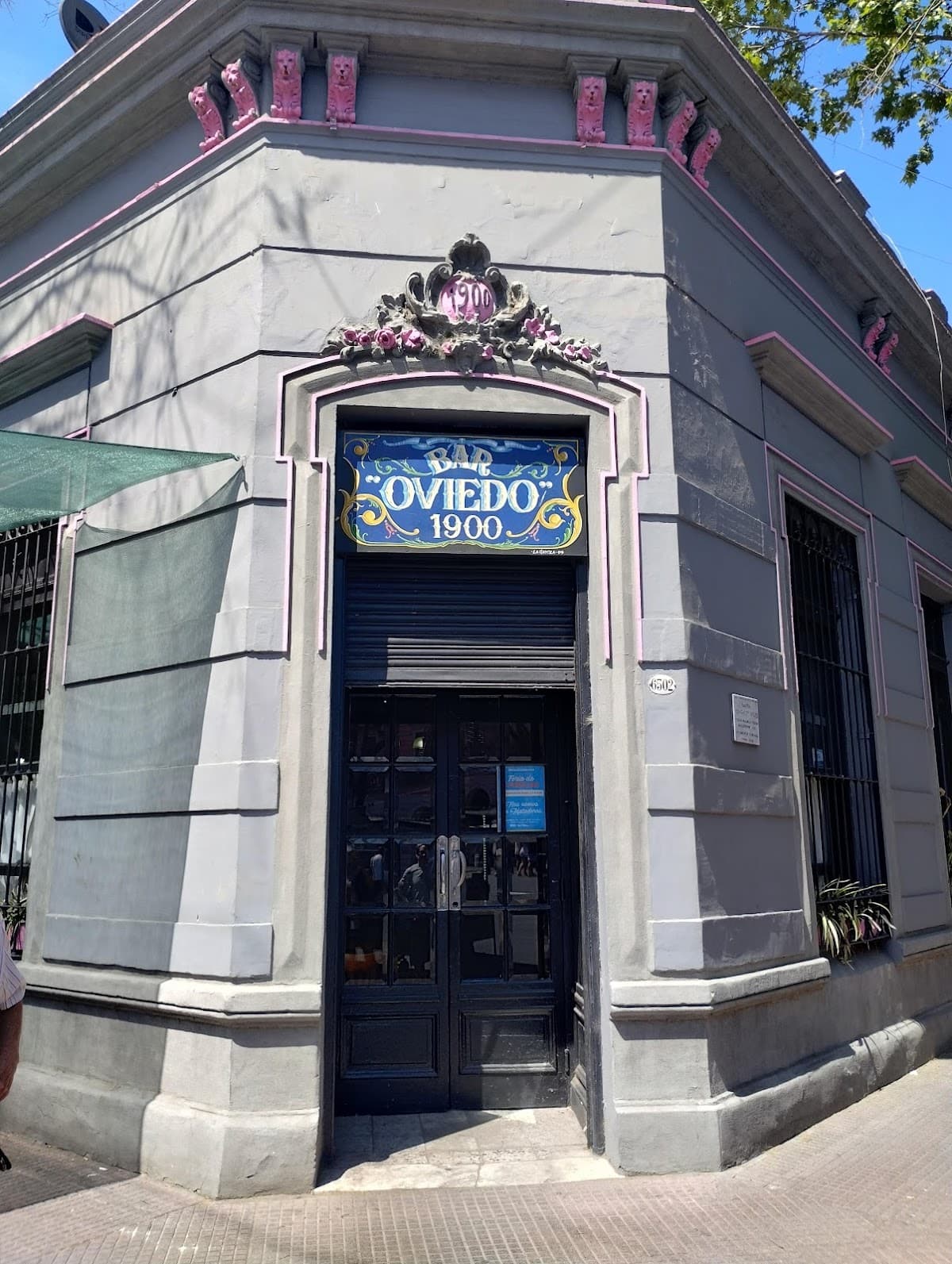
Luxurious Buenos Aires Weekend: Nature, Flavors & Romance
Weekend · $$$$$
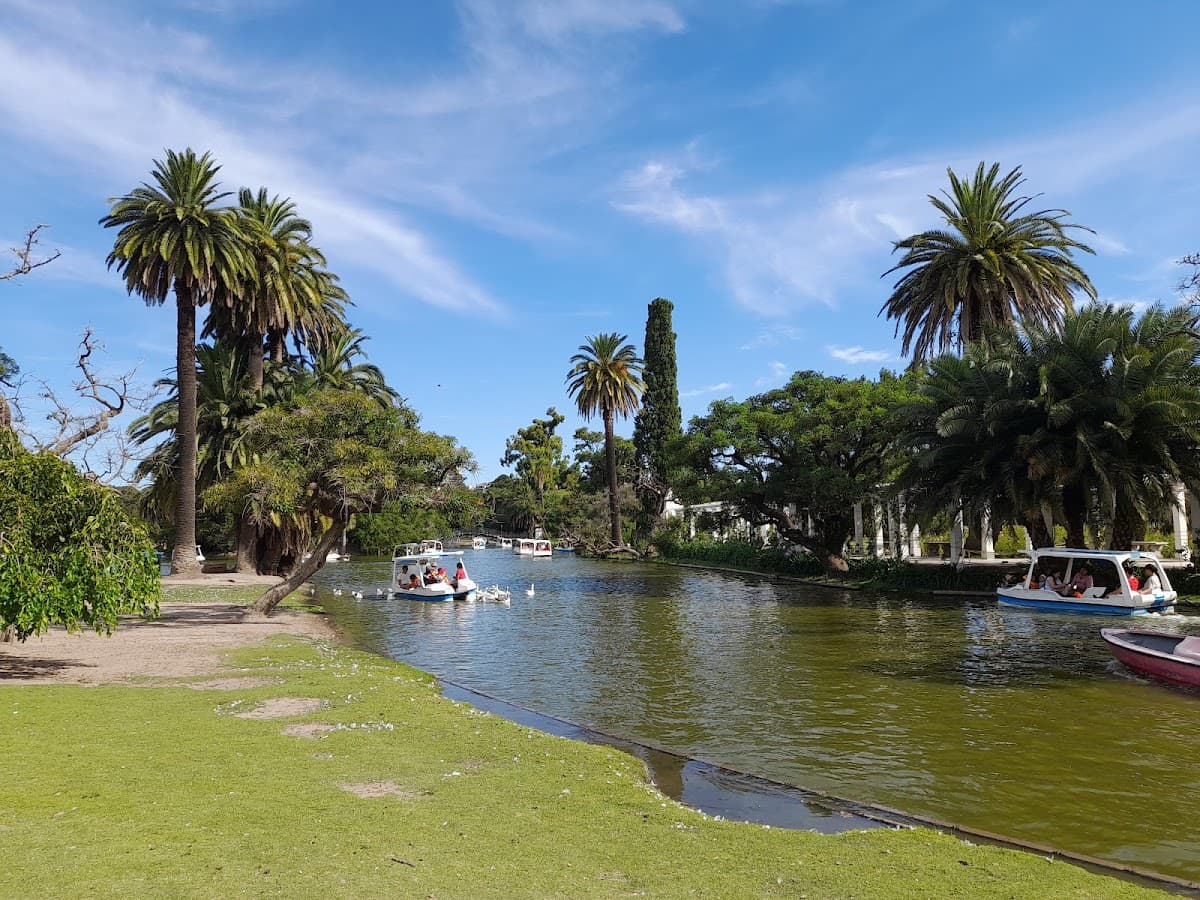
Luxurious Tango & Tango Weekend in Buenos Aires
Weekend · $$$$$
Money-Saving Tips
- 1.Estancia day trips cost $80-120 per person including horseback riding and asado lunch — book directly with ranches to skip tour company markups
- 2.Train tickets to coastal towns cost half the price of buses and include better scenery through the pampas
- 3.Provincial gas stations charge 20% less than Buenos Aires city — fill up before returning to the capital
- 4.Local parrillas in small towns serve the same quality beef as fancy Buenos Aires steakhouses for $15-20 per person
- 5.Weekend folk festivals in San Antonio de Areco are free and include live music, dancing, and craft demonstrations
Travel Tips
- •Learn basic Spanish numbers for buying meat at local parrillas — pointing doesn't work well with cuts you've never heard of
- •Pack layers for estancia visits — mornings start cold, afternoons get hot, and evenings cool down fast on the open pampas
- •Bring cash for small towns — many restaurants and shops don't accept credit cards outside major tourist areas
- •Download offline maps before exploring rural areas — cell service disappears quickly once you leave main highways
- •Book estancia stays at least two weeks ahead during polo season (September-December) when wealthy porteños book ranch weekends
Frequently Asked Questions
Explore Buenos Aires Province
BUILD YOUR
BUENOS AIRES PROVINCE PLAN
Insider picks, smart timing, and a plan ready when you are.
Start Planning