Cancún
Mexico's premier beach resort destination with ancient Mayan heritage
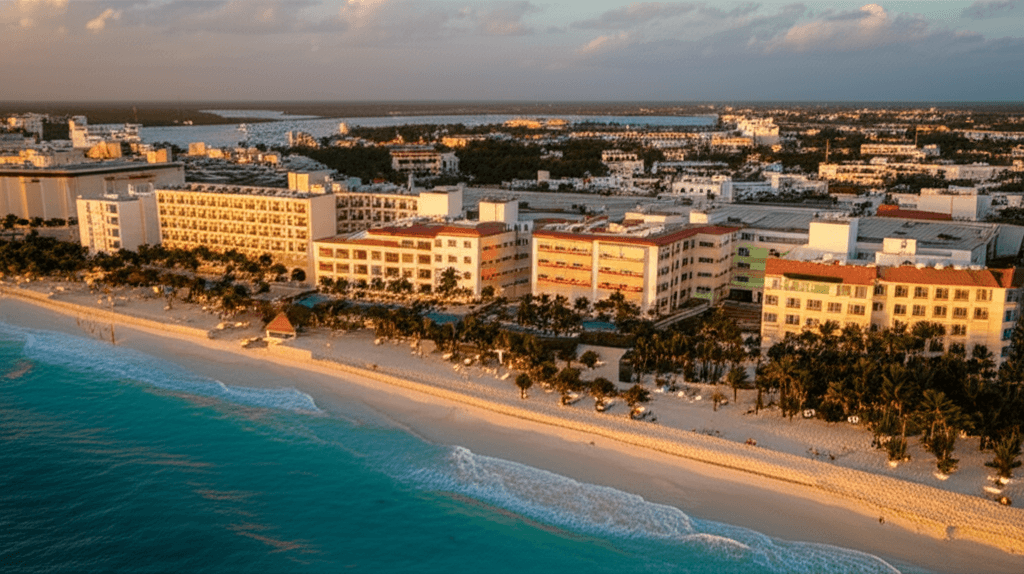
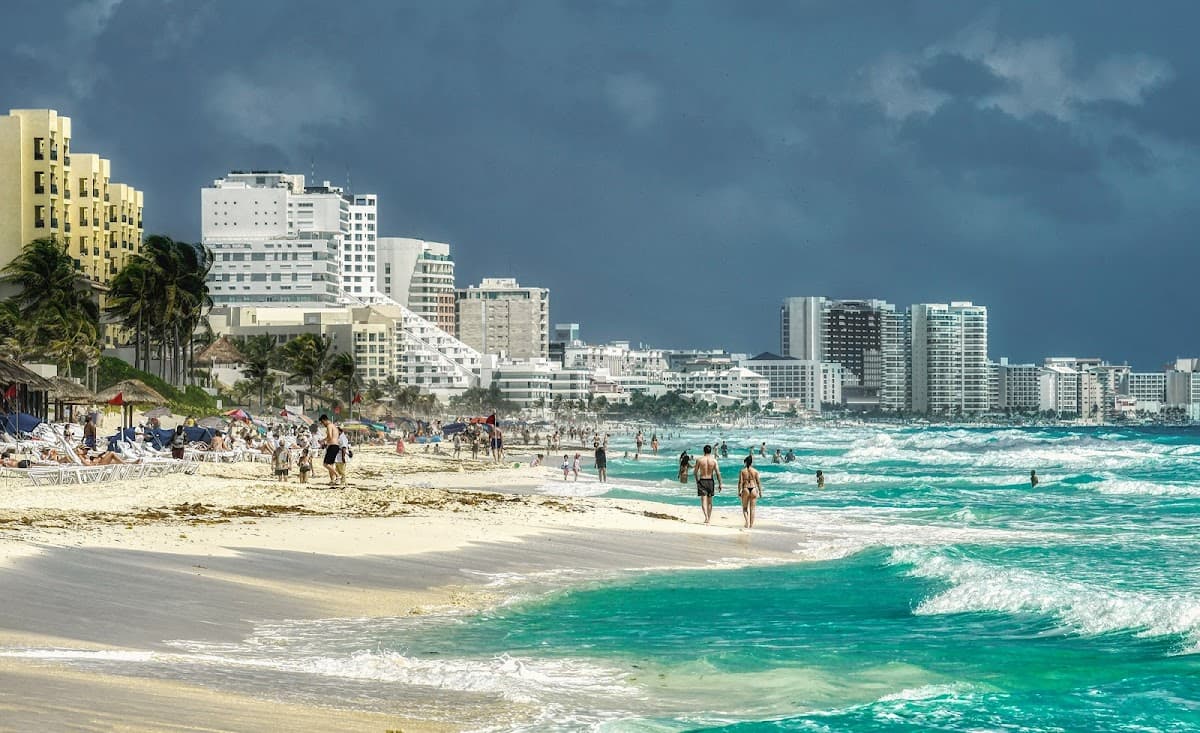
Cancún isn't just another beach town—it's Mexico's perfectly engineered paradise machine. White sand beaches stretch for miles along the Hotel Zone, while downtown pulses with authentic Mexican life just minutes away. Ancient Mayan ruins sit next to world-class resorts, and the nightlife rivals Ibiza. Sure, it's touristy. But there's a reason millions flock here each year: Cancún delivers exactly what it promises, with enough variety to surprise you.
Best Months
JAN · FEB · MAR · APR · DEC
~30°C · peak crowds
Culture & Context
TWO CITIES, ONE COAST
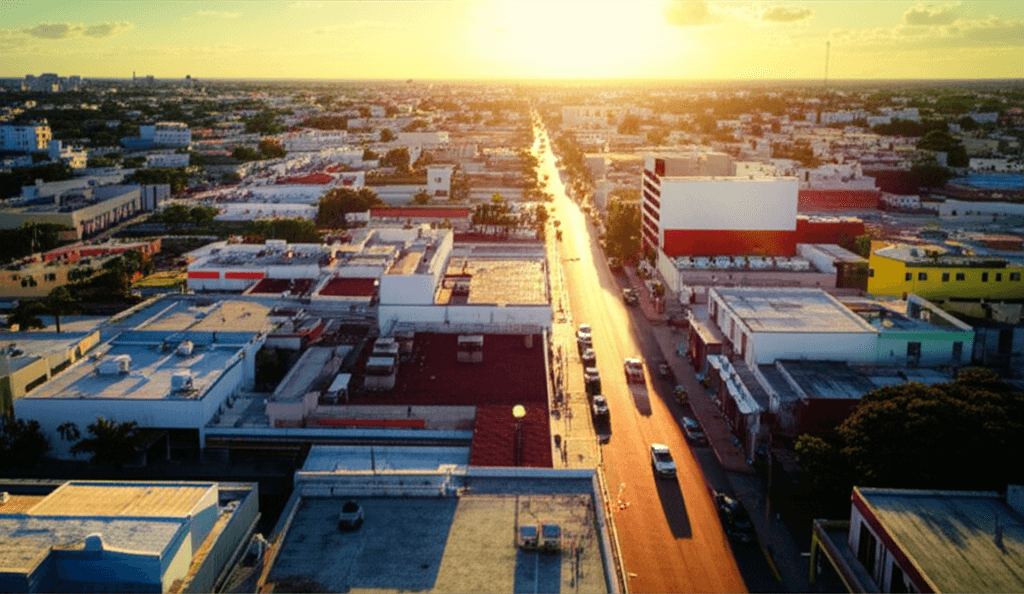
Cancún is genuinely two cities sharing a coastline. The Hotel Zone (Zona Hotelera) is a 22km sandbar built by the Mexican government in the 1970s specifically for tourism. It's polished, resort-forward, and largely operates in US dollars. But cross the causeway and you hit El Centro, where 900,000 people actually live and work. Local markets, mezcal bars, cochinita pibil tacos, and free concerts in Parque de las Palapas on weekend nights — that's the Cancún most tourists never see.
The Mexican custom of not bringing the check until you ask for it applies here too. Don't sit waiting. Just say "la cuenta, por favor." Tipping 10-15% is standard and expected at restaurants. At the beach, the colored flag system matters: green means safe, yellow means caution, red means rough conditions, and black means swimming is banned. These aren't suggestions. The currents around some Hotel Zone beaches can be serious. And outside of your resort, stick to bottled or filtered water — tap water quality varies widely once you're off the Hotel Zone strip.
Local Customs
REQUEST THE BILL FIRST
The bill won't arrive until you ask for it. Say 'la cuenta, por favor' when you're ready. Sitting and waiting will get you nowhere..
Tip 10–15% at restaurants. It's expected and the wages in the service industry are structured around it.. Beach flag system is serious: green = safe, yellow = caution, red = dangerous, black = no swimming.
Hotel Zone currents have caught people off guard.. Drink bottled or filtered water everywhere outside your resort. Hotel Zone resort water is generally purified and safe — outside it, don't risk it..
Addressing your waiter as 'Joven' (young man) or 'Señorita' (for a female server) is the polite and normal way to get attention. It's not rude — it's standard.. Timeshare sellers operate aggressively near the Hotel Zone, often pretending to be tourist information staff offering 'free tours.
' If someone flags you down offering free gifts, it's a timeshare pitch. Just keep walking.. When taking a taxi from anywhere other than your hotel stand or the airport's fixed-rate counter, agree on the fare before you get in.
Meters are rare and overcharging tourists is common.. April 3, 2026 (Good Friday) is Ley Seca — a dry law day where alcohol sales are banned. Clubs close early or entirely.
Plan accordingly if your trip falls around Easter.
Safety
MOSTLY SAFE, STAY SMART
Cancún holds a US State Department Level 2 "Exercise Increased Caution" advisory for Quintana Roo — the same designation currently applied to France, Italy, and the UK. It is not a "do not travel" warning. The Hotel Zone operates with a visible security presence including Mexican National Guard and Tourism Police patrols year-round.
The February 2026 security incident that made headlines was centered on Jalisco — Puerto Vallarta, more than 1,000 miles away. As one travel adviser who spent 19 days in Cancún that January put it, it's comparable to something happening in California not preventing travel to Chicago. Normal tourism operations in Cancún continued without disruption.
Real risks tourists actually face: taxi overcharging (always agree on the fare upfront or use Uber), timeshare harassment (aggressive in the Hotel Zone — just say no and keep moving), drink spiking at clubs (rare but reported — watch your drinks), and petty phone or bag snatching in crowded areas. Use Uber over street taxis whenever possible. Keep valuables in the hotel safe rather than on the beach. The Hotel Zone's northern public beaches (Playa Tortugas, Playa Langosta, around km 4–9) consistently get cleaner water and fewer sargassum seaweed issues than the southern end.
For medical emergencies in the Hotel Zone, Hospital Galenia and Hospiten both have 24-hour emergency services with English-speaking staff. Download the Guest Assist app before you go — it's the Quintana Roo government's bilingual emergency services resource. Register with STEP (step.state.gov) if you're a US citizen so the Embassy can reach you if something unexpected happens.
Getting Around
BUSES, UBER, AVOID TAXIS
The R1 and R2 public buses are the best deal in the city — 15 MXN (under a dollar) for a one-way ride along the full length of Boulevard Kukulcán, from the downtown terminal to the northern Hotel Zone. Buses run from around 5:30am to midnight, and during daytime you rarely wait more than 10 minutes. Both tourists and locals use them. The trip from El Centro to the central Hotel Zone beaches takes 20–25 minutes.
Uber is available, safe, and generally cheaper than negotiated taxis for most routes. The app shows driver details, plates, and your route — that alone makes it far preferable to flagging down a street taxi. Official taxis are fine when taken from your hotel stand or the airport's fixed-rate counter; just agree on the fare before you get in. Never accept a ride from someone who approaches you in the arrivals hall at the airport offering tours or transport packages — these are unofficial operators.
For the airport: it's less than 30 minutes from most Hotel Zone properties. The ADO bus station in El Centro is the hub for affordable coach travel throughout the Yucatán — useful for day trips to Chichén Itzá, Valladolid, or Tulum. Most guided tour operators offer free or cheap pickups from Hotel Zone properties for major excursions. Rental cars are fine for self-guided day trips but avoid driving in unfamiliar areas after dark.
Useful Phrases
Explore Neighborhoods
Explore the Region
Cancún Itineraries
View all
Lagoon & Coastline Adventure Day in Cancún
Weekend · $$$
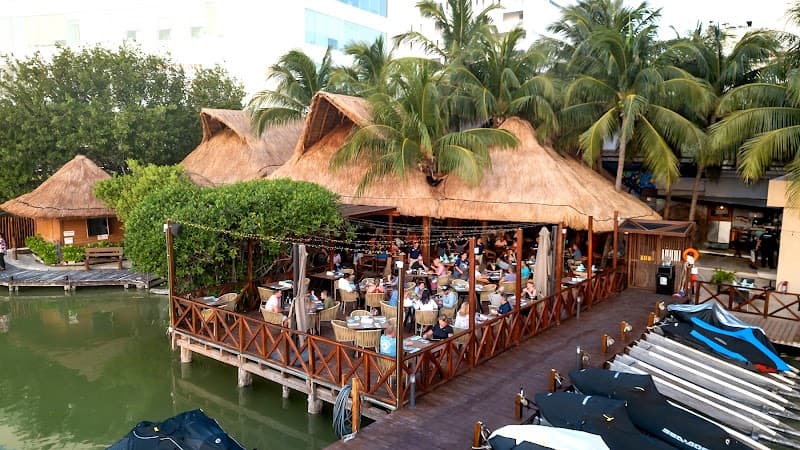
Tropical Celebration Day in Cancún’s Party Zone
Weekend · $$$
Thrill & Chill: A Balanced Adventure Weekend in Cancún
Weekend · $$$
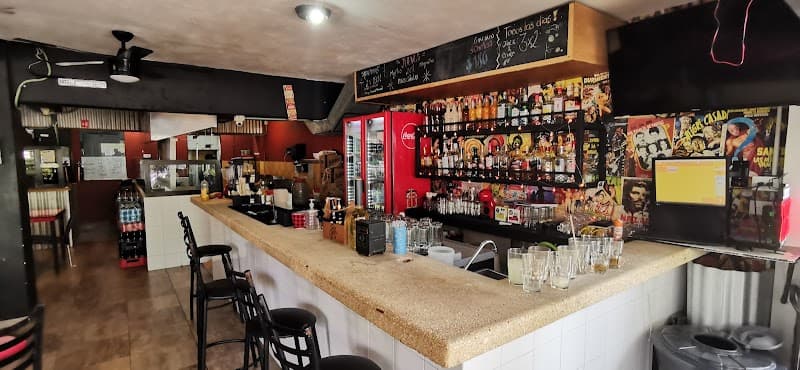
Three Flavors of Cancún: Markets, Beaches & Marina Nights
Weekend · $$$
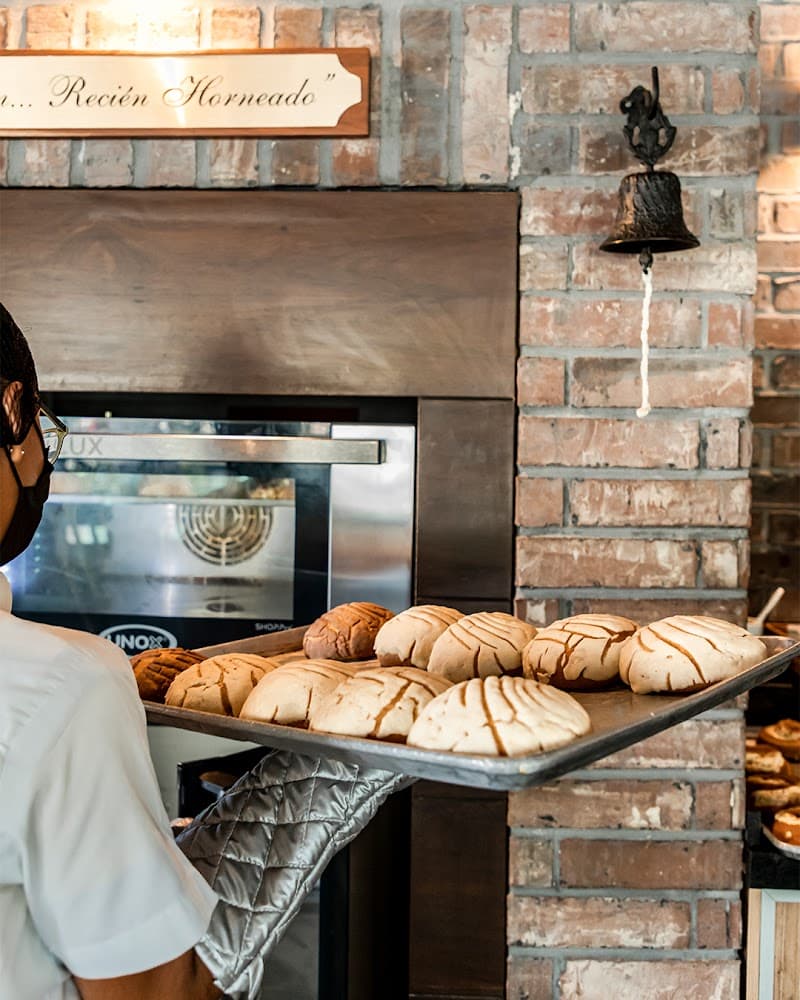
Seven Days of Culture & Coast in Cancún
Week · $$$
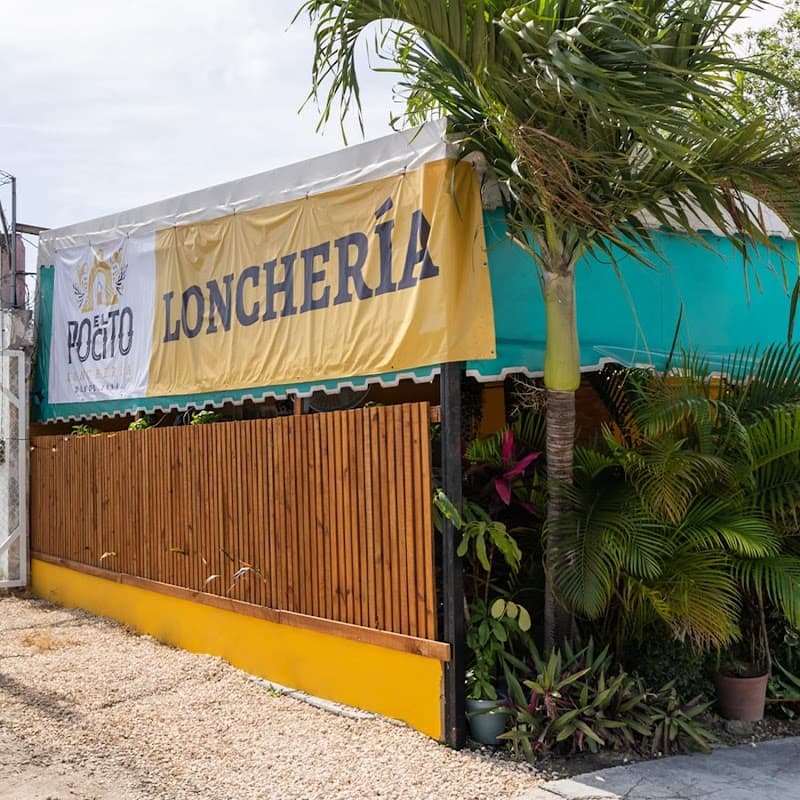
Cancún Weekend: Reef, Flavors, Beach Time, and Night Energy
Weekend · $$$
Things to Do in Cancún
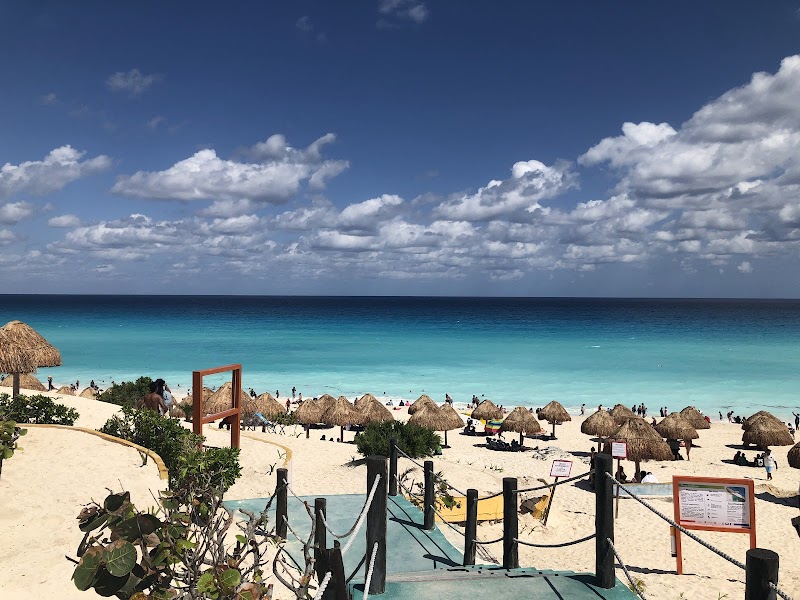
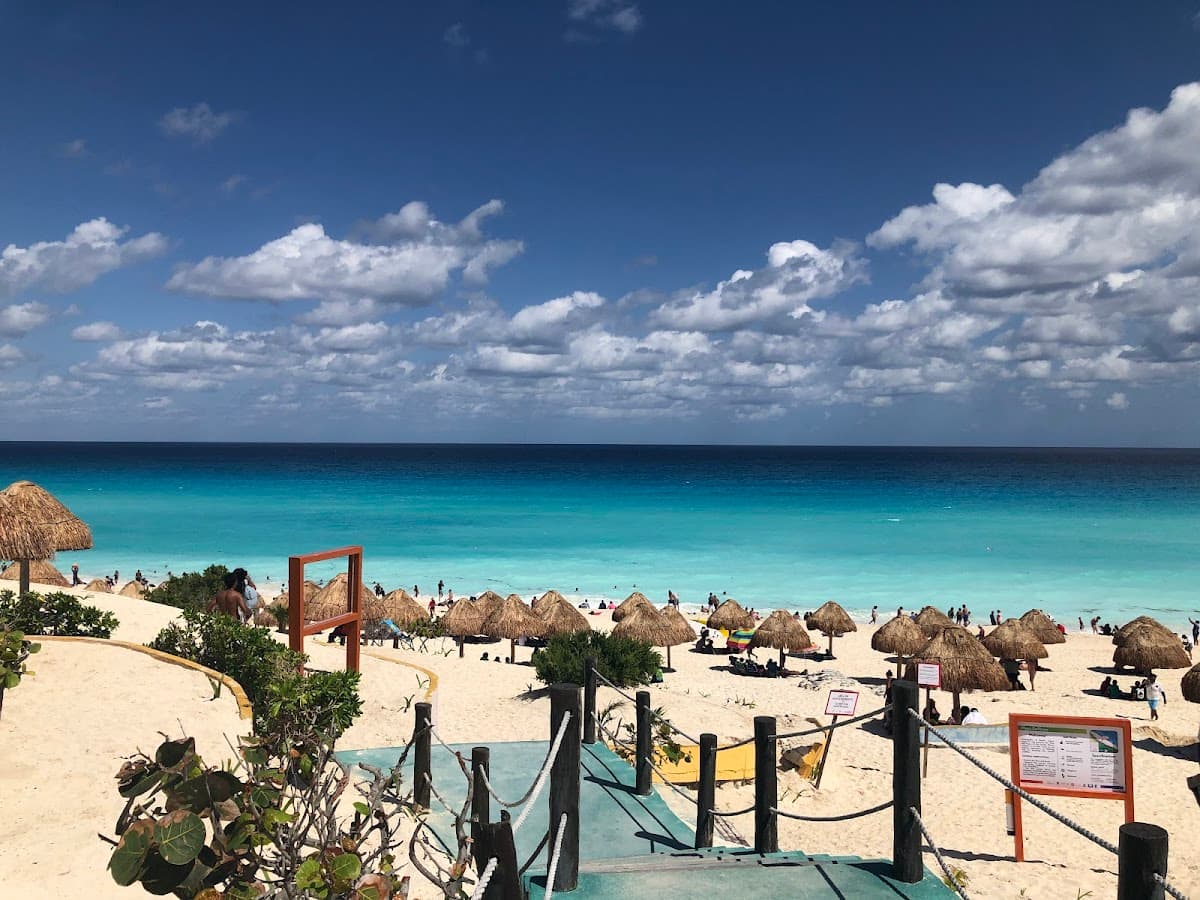
Playa Delfines
Hotel Zone (Km 18) · 150 min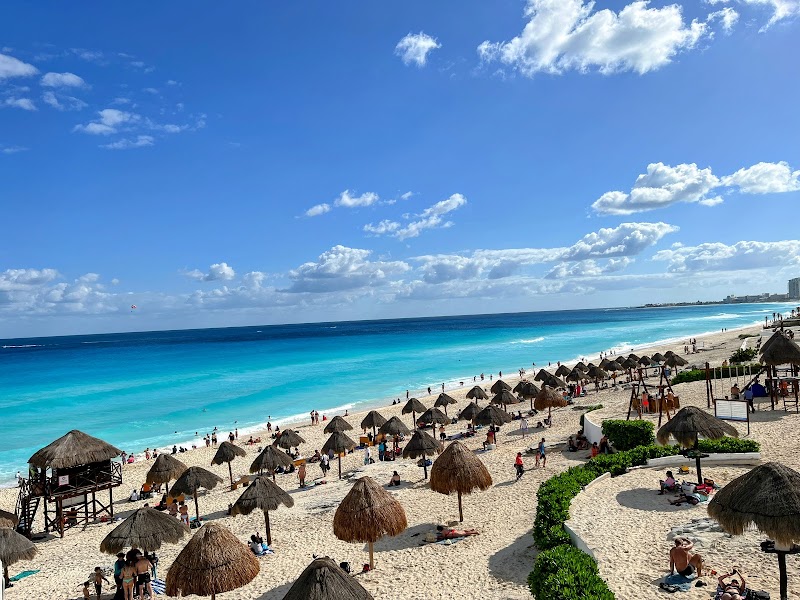
Free Explore: El Mirador & Hotel Zone Lookouts
Hotel Zone (near Playa Delfines) · 45 min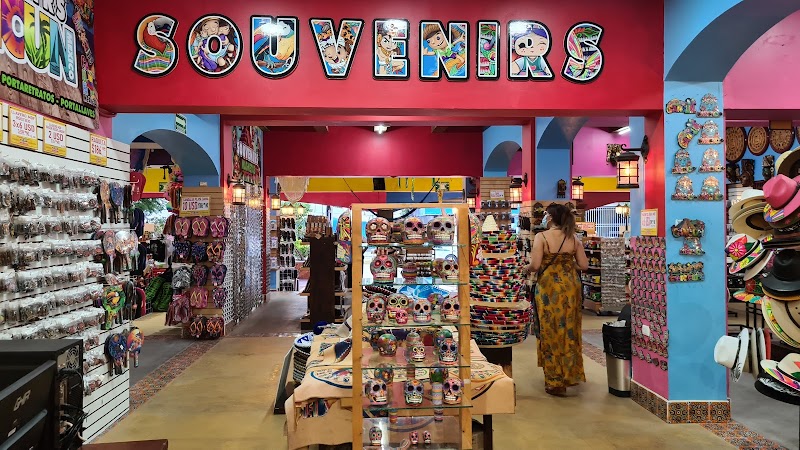
Mercado 28
Downtown Cancún (Mercado 28 area) · 75 minMoney-Saving Tips
- 1.Book all-inclusive resorts during low season (May-November) for 40-50% savings
- 2.Eat at downtown food markets—tacos cost $1 vs $8 in the Hotel Zone
- 3.Take public buses instead of taxis—they're clean, safe, and cost 50 cents
- 4.Buy alcohol at local supermarkets if staying at non-all-inclusive hotels
- 5.Book cenote tours directly with local operators, not through hotel concierges
- 6.Withdraw pesos from bank ATMs for better exchange rates than hotel currency exchanges
- 7.Visit Mayan ruins independently rather than booking expensive tour packages
- 8.Shop for souvenirs at Mercado 28 downtown instead of Hotel Zone gift shops
Travel Tips
- •Pack reef-safe sunscreen—regular sunscreen is banned at cenotes and marine parks
- •Bring a waterproof phone case for cenote swimming and water activities
- •Learn basic Spanish phrases—locals appreciate the effort, especially downtown
- •Keep copies of your passport separate from the original when exploring
- •Book popular restaurants and shows in advance during peak season
- •Carry small bills for tips and street food—many vendors don't make change
- •Download offline maps before heading to cenotes or remote ruins
- •Pack insect repellent for jungle day trips and evening outdoor dining