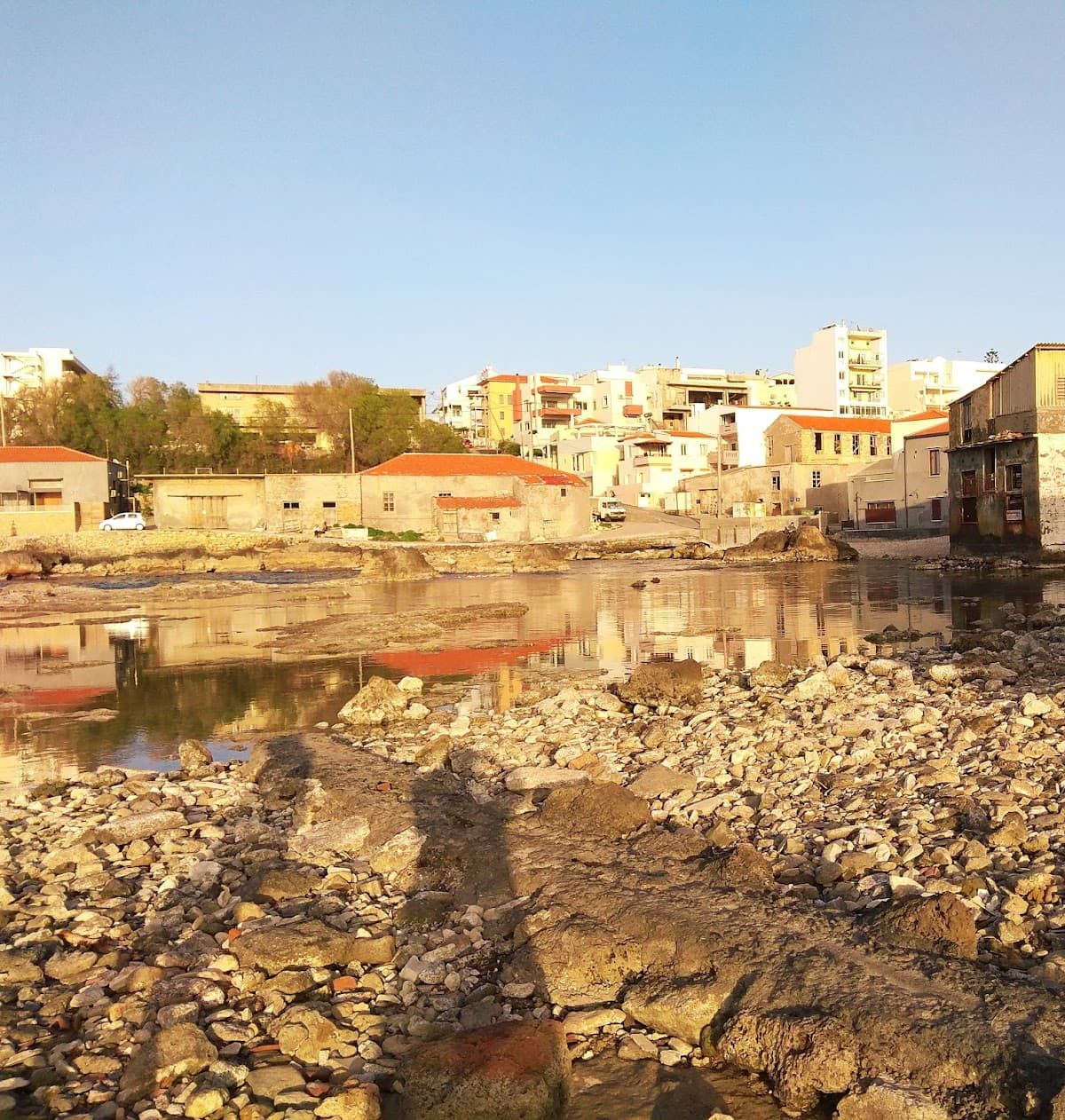
Chania
Crete's venetian harbor town with old-world Mediterranean charm
Look, Chania isn't trying to be anything other than what it is — a gorgeous harbor town where Venetian architecture meets Ottoman history, and the result is pure Mediterranean magic. The old town wraps around one of the most photogenic harbors in Greece, with that iconic lighthouse standing guard over waterfront tavernas and centuries-old buildings painted in warm ochre and coral.
But here's what makes Chania special: it feels lived-in, not like a museum. Locals still fish from the harbor walls at dawn, elderly men play backgammon in Splantzia Square, and the municipal market buzzes with vendors selling everything from Cretan cheese to handwoven textiles. The narrow alleys of the old town reveal surprises at every turn — a hidden courtyard restaurant, a tiny shop selling olive oil that's been pressed the same way for generations, or a rooftop bar with views that'll make you forget about Instagram for a minute.
And the food? This is Crete, where the Mediterranean diet was born. You'll eat better here than almost anywhere in Greece, from simple tavernas serving just-caught fish to sophisticated restaurants putting modern spins on ancient recipes. The best part is wandering the harbor at sunset, cold Mythos in hand, watching the light turn everything golden.
Best Months
MAY – OCT
~29°C · moderate crowds
Culture & Context
EMPIRES, LATE DINNERS
Chania has been occupied, conquered, and rebuilt by basically everyone. Romans, Byzantines, Venetians, Ottomans, Egyptians — they all left something behind. The result is an Old Town where a 16th-century Venetian lighthouse shares a harbor with an Ottoman mosque, and where streets change character every hundred meters.
Cretans have a strong and distinct identity within Greece. They are intensely proud of their island and its history, and that pride is genuine, not performative. The concept of philoxenia (love of strangers) is real here — you will be offered raki, melon, or a dessert you didn't order and didn't pay for.
Accept it. Refusing too emphatically is considered rude. Meals are communal and unhurried.
Sharing meze plates, ordering multiple rounds, lingering over conversation — that's the point. Dinner at 7 PM marks you as a tourist. 8:30 PM to midnight is when locals actually eat.
The kafenio (traditional coffee house) is still a real thing, mainly frequented by older men for Greek coffee, backgammon, and discussion. As a visitor, keep a respectful, low-key presence if you wander into one outside the tourist center. Food is a cultural cornerstone.
Cretan olive oil, wild greens (horta), graviera cheese, thyme honey — these aren't menu items, they're a way of life.
Local Customs
ACCEPT THE RAKI
Raki is hospitality, not a menu item. At the end of most meals in a proper Cretan taverna, the owner brings a free carafe of raki (tsikoudia) with fruit or a small sweet. Don't try to pay for it.
Do not refuse it. Sip it slowly — it's stronger than it looks.. Taverna dining is communal.
Order lots of shared meze plates, not individual dishes. That's how everyone eats here.. Tipping is appreciated but not mandatory in the same way as in the US.
Rounding up the bill or leaving 5–10% for good service is the norm. For taxis, rounding up is fine.. Cover your shoulders and knees when entering churches and monasteries.
This isn't a suggestion — you may be turned away without appropriate clothing.. The Saturday market on Minoos Street is a proper local market: vegetables, fruits, cheeses, honey, and clothes at genuinely cheap prices. Get there in the morning..
Dinner before 8 PM marks you as a tourist instantly. Locals eat late. Tavernas often don't fill up until 9 PM..
Don't leave valuables on the beach while you swim. Beach theft is one of the few real petty crime risks in Chania.. If you rent a car — and you should if you want to see western Crete — photograph every inch of the vehicle before driving off the lot.
Rental disputes are common.. Topless sunbathing is tolerated at tourist beaches but is considered inappropriate on beaches frequented mainly by locals. Read the room..
A 'Kalimera' (good morning) or 'Kalispera' (good evening) when entering a shop or café goes a long way. Greeks notice and appreciate the effort.
Safety
VERY SAFE, SMART CHOICES
Chania is genuinely safe. The crime index score is around 15.7 out of 100 — very low by any measure.
Violent crime against tourists is essentially non-existent. That said, a few things actually matter. Watch your stuff at the beach — don't leave your phone or wallet unattended while swimming.
This is the most realistic theft risk you'll encounter. Restaurant bill tricks happen occasionally near the harbor: menus with prices that don't match what arrives on the bill. Always check the menu before ordering and ask for a written bill.
Taxi overcharging is possible — insist on the meter or agree on the fare beforehand. The emergency number for all services is 112. Driving is the biggest actual safety risk in Crete.
Roads narrow quickly, mountain routes have sharp blind corners, and local driving style is assertive. Photograph your rental car in full before leaving the lot. If hiking Samaria Gorge or other trails in July–August, take the heat seriously — start early, carry 2+ liters of water, and wear a hat.
Summer temperatures regularly hit 35°C (95°F). There's a moderate wildfire risk in the region during summer, though western Crete including Chania was unaffected by the significant 2025 fires that hit southeastern Crete near Ierapetra.
Getting Around
BUS, FERRY, RENT CAR
Chania International Airport (CHQ, also called Ioannis Daskalogiannis) sits 14km northeast of the city. The bus from the airport to the KTEL central bus station on Kydonias Street costs about €2.50 and takes 30–40 minutes.
From the bus station it's a 10-minute walk to the Old Town. A taxi from the airport runs €24–30 and takes 25–30 minutes. In peak season (July–August), pre-book your airport taxi.
You can also reach Chania by overnight ferry from Piraeus (Athens) — docking at Souda Port, 6km east of town. Within the city, blue urban buses connect neighborhoods including Nea Chora, Koum Kapi, and Halepa. Zone A fare is €1.
10 if you buy at a kiosk or €2 from the driver. The KTEL regional bus network (use e-ktel.com for western Crete routes) covers the major day trips: Elafonisi, Falassarna, Samaria Gorge trailhead at Omalos, and Rethymno.
Chania to Heraklion costs about €15–20 and runs hourly. For exploring beyond the main tourist corridors — the White Mountains villages, Balos, the south coast — rent a car. This is non-negotiable if you want to see the real western Crete.
Book well in advance for summer, and read rental insurance details carefully. Taxis are available 24/7 at stands near the Old Venetian Harbor, 1866 Square, and the bus station. You can also call: +30 28210 98700.
Useful Phrases
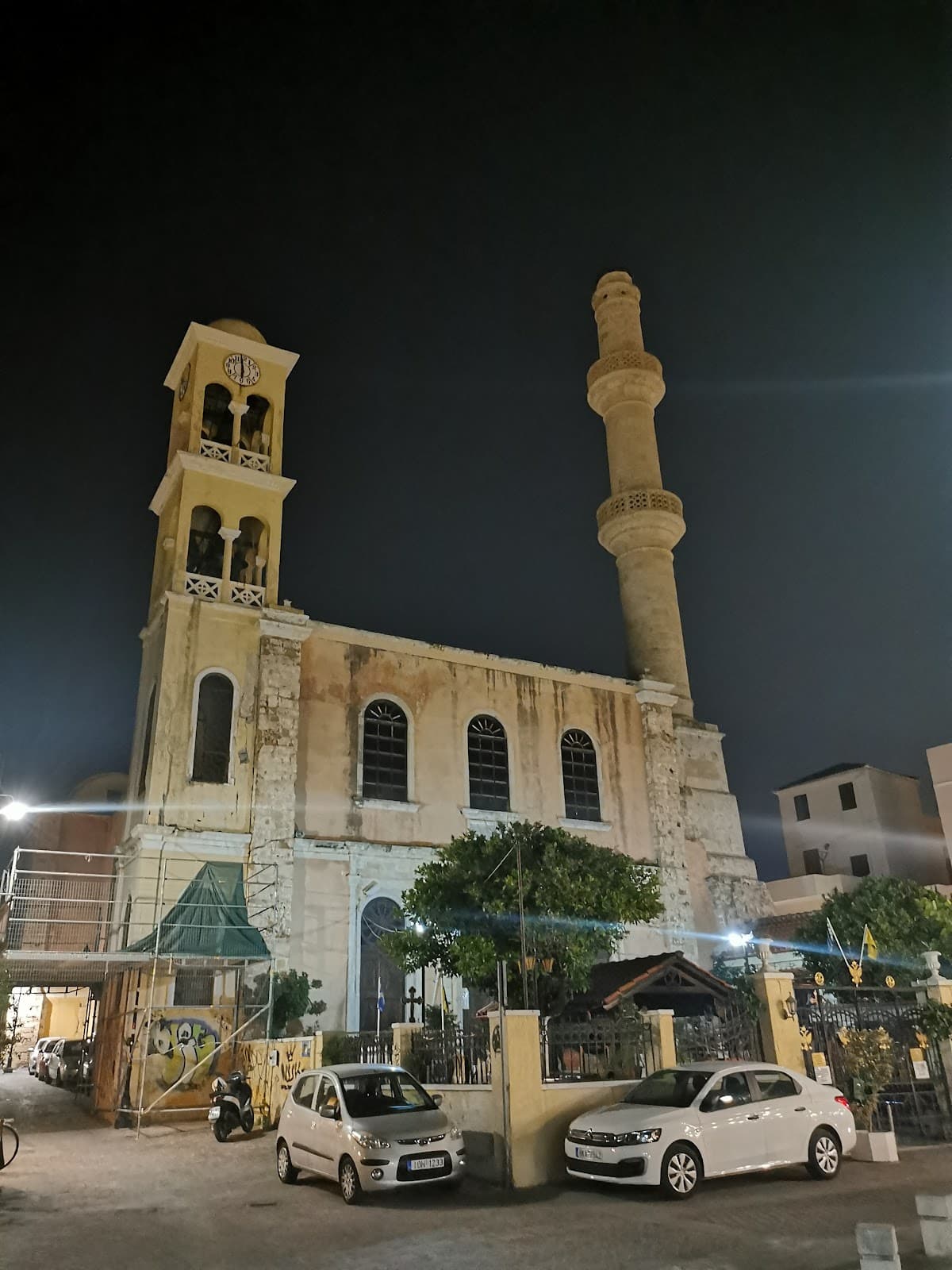
Things to Do in Chania
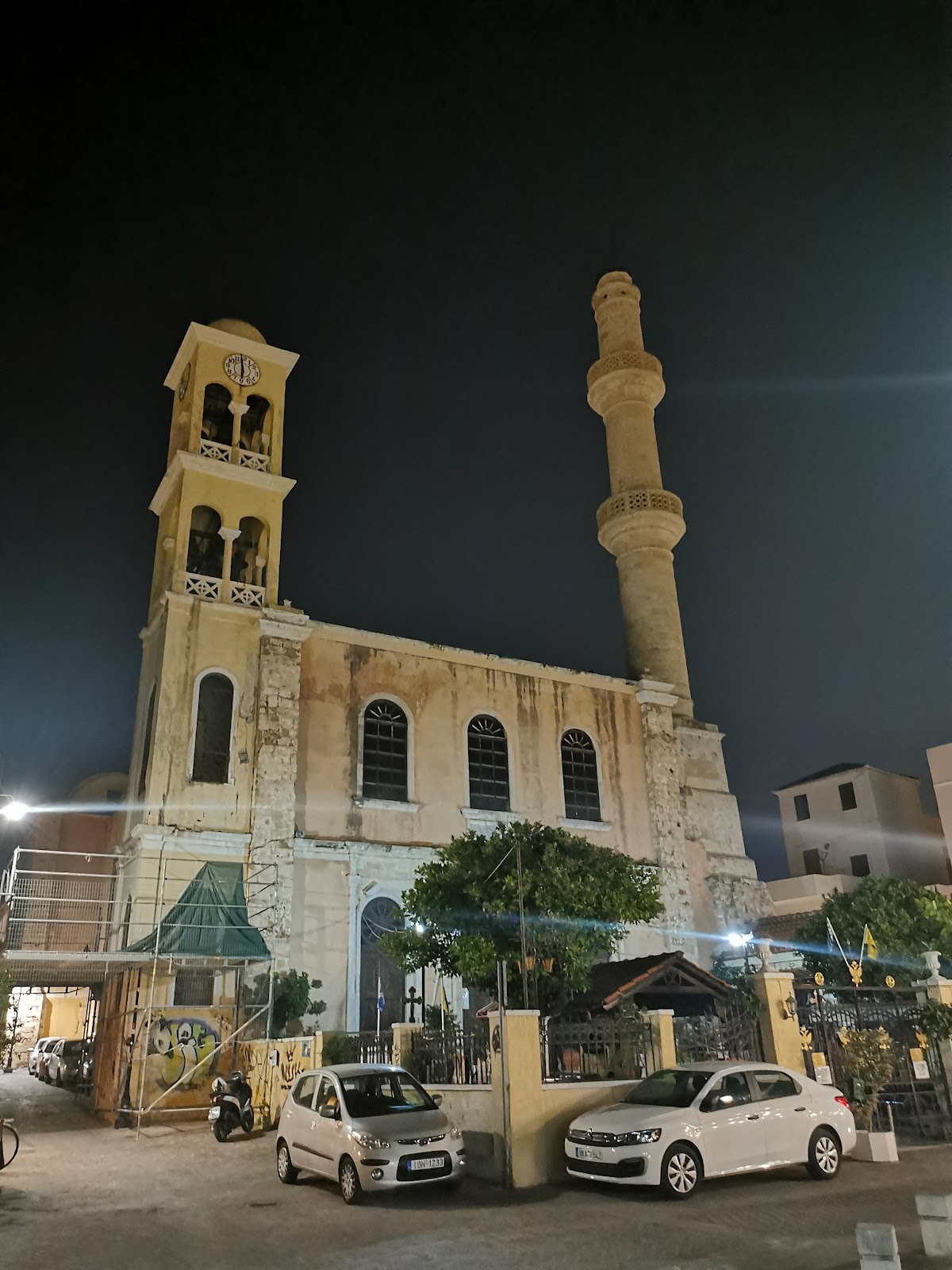
Chania Old Town
Venetian Harbor District · 180 min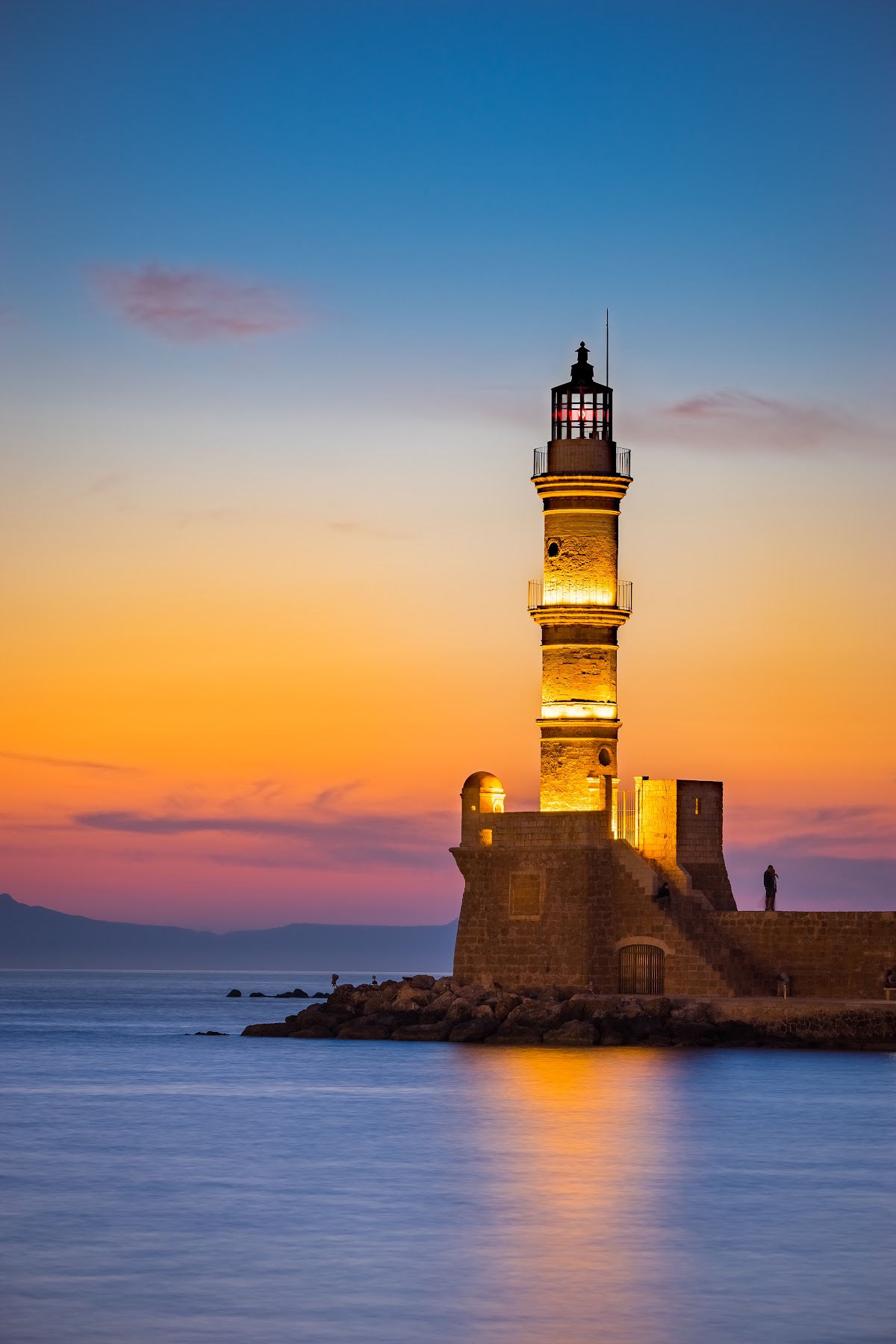
Lighthouse of Chania
Venetian Breakwater · 120 min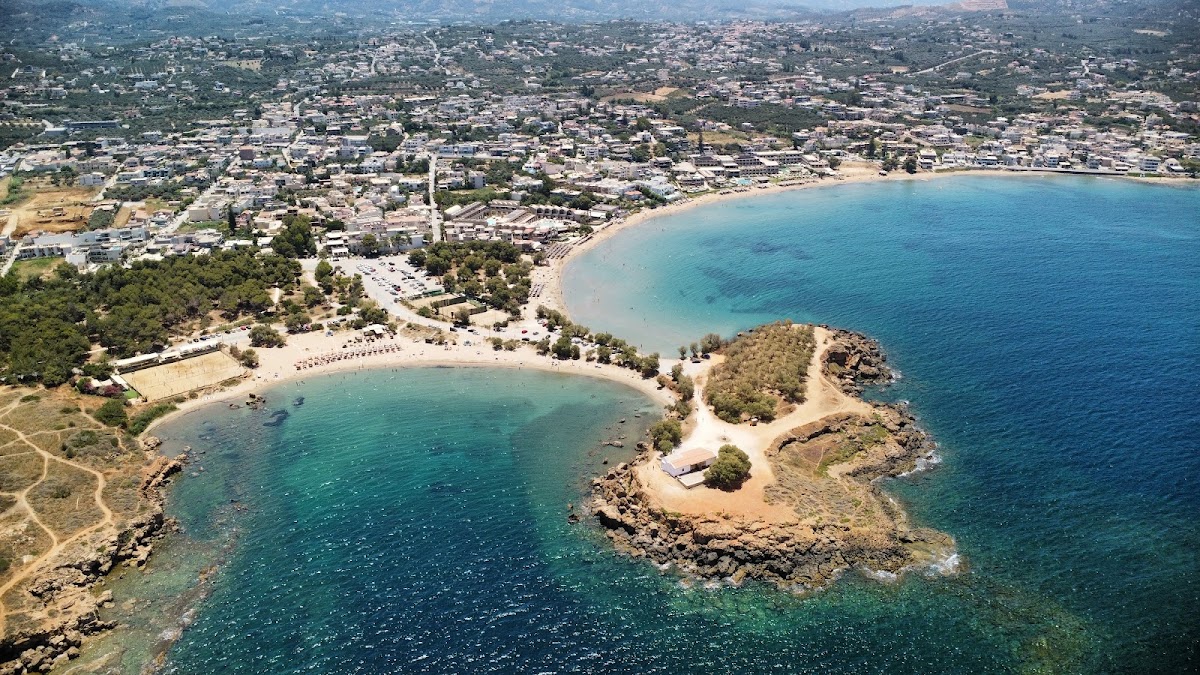
Agii Apostoli Beach
Agii Apostoli · 180 minMoney-Saving Tips
- 1.Municipal market vendors give better prices if you buy multiple items — grab olive oil, honey, and cheese together for discounts
- 2.Harbor restaurants charge premium for waterfront tables — eat the same food at inside tables for 20% less
- 3.City buses cost €1.70 per ride but day passes (€4) pay off if you're beach hopping
- 4.Lunch portions at tavernas are often enough for two people — share and order extra appetizers instead
- 5.Local kafenions serve the same coffee as fancy harbor cafes for half the price (€2 vs €4)
- 6.Buy raki directly from distilleries in mountain villages — €8-12 per bottle vs €20+ in tourist shops
- 7.Many beaches have free sections — walk past the organized areas with umbrellas for empty sand
- 8.Grocery shopping at Lidl or Sklavenitis costs 40% less than tourist mini-markets in the old town
Travel Tips
- •Download offline maps before exploring the old town — GPS gets confused in those narrow medieval streets
- •Bring reef-safe sunscreen — many beaches now ban chemical sunscreens to protect marine life
- •Pack a light jacket even in summer — evening breezes off the harbor can get chilly
- •Learn basic Greek greetings — locals appreciate the effort and service improves noticeably
- •Carry cash — many traditional tavernas and small shops don't accept cards
- •Book harbor-view restaurant tables in advance during summer — walk-ins often get interior seats
- •Wear comfortable walking shoes with good grip — those marble streets get slippery when wet
- •Bring a reusable water bottle — public fountains throughout the old town provide free refills
- •Take photos of where you parked — the old town streets all look similar and it's easy to get lost
- •Download the Chania municipal app for real-time bus schedules and route updates