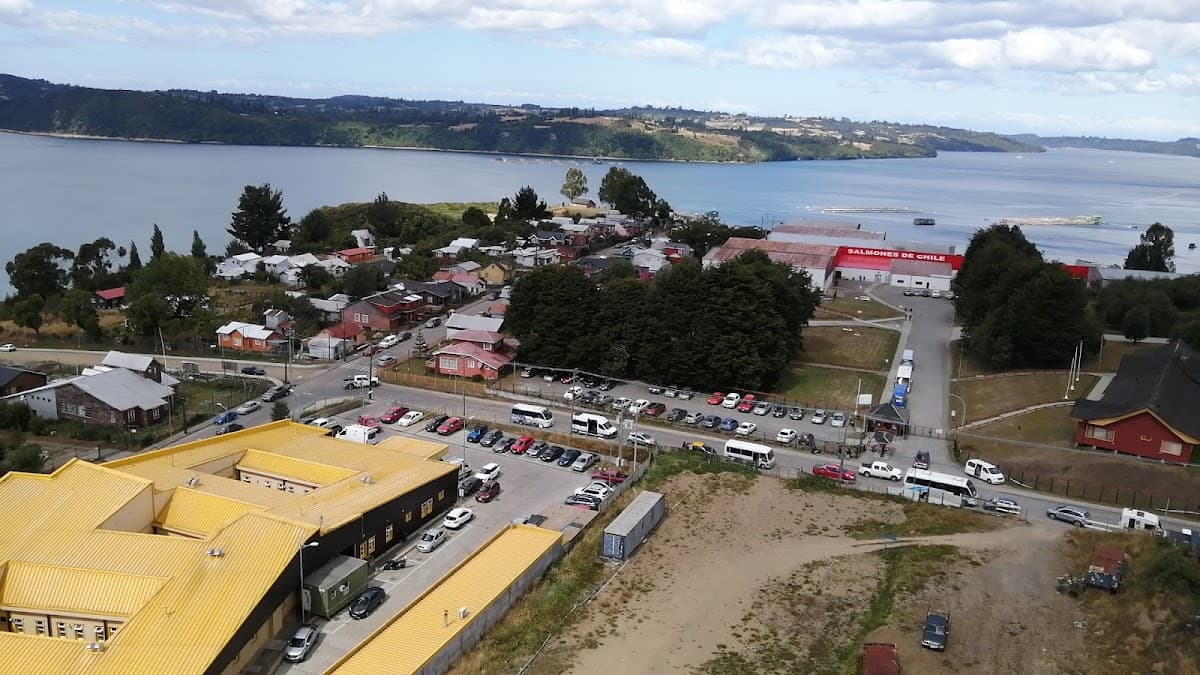
Chiloe Island
Mystical Chilean archipelago of wooden churches and folklore
Chiloe Island floats off Chile's southern coast like something from a fairy tale. This archipelago of 40 islands feels worlds apart from mainland Chile, with its stilted houses called palafitos, centuries-old wooden churches, and locals who still whisper about the Trauco — a forest dwarf who seduces women. The largest island, Isla Grande, holds most of the action, but "action" here means spotting Humboldt penguins at Puñihuil or sampling curanto, a traditional seafood stew cooked underground with hot stones. The weather stays cool and misty year-round, which only adds to the mystical atmosphere. You won't find luxury resorts or Instagram crowds here. Instead, you'll find fishing villages where Spanish conquistadors never quite erased the indigenous Huilliche culture, creating something entirely unique in South America.
Best Months
JAN · FEB · MAR · DEC
~20°C · high crowds
Culture & Context
Chiloé has been geographically isolated for most of its history, and that isolation created something genuinely distinct from the rest of Chile.
The island's culture is a fusion of Huilliche indigenous traditions (a coastal branch of the Mapuche people who were expert fishermen and farmers) and the Jesuit missionaries who arrived in 1608 and built wooden churches across the archipelago — over 150 in total, 16 of which are now UNESCO World Heritage sites. The churches were constructed without metal nails, using traditional woodjoinery techniques and local alerce and cypress timber.
Chiloé is also recognized as the birthplace of the domesticated potato, with over 200 varieties still grown locally. The island's mythology is extensive and taken seriously by locals: the Caleuche is a ghost ship said to sail the mist-shrouded channels at night; the Trauco is a forest goblin blamed for unexplained pregnancies; La Pincoya is a sea spirit whose dancing facing the ocean signals abundant fish, while facing inland means the catch will be poor. Salmon farming arrived in the late 20th century and significantly changed the island's economy and demographics, bringing both prosperity and environmental controversy.
The Chilote identity is fiercely independent — the island was actually the last Spanish holdout in South America during Chile's independence war, finally ceding in 1826, well after the mainland was free. Locals are known for warmth and hospitality, but the island runs on its own slow rhythm. Respect that.
Don't expect things to move at mainland speed.
Local Customs
The Minga is Chiloé's most distinctive social institution: when a family needs help with a major task — a harvest, building a house, or literally floating a house across the water to a new location — the whole community pitches in.
In return, the host throws a feast and a dance. If you happen to be on the island in February or March when house-moving season peaks, witnessing one is worth rearranging your schedule..
Greetings are physical. A single kiss on the right cheek is standard when meeting anyone, including strangers at social settings. Don't extend a hand and stand back — lean in..
'Once' (pronounced on-SAY, meaning eleven) is the light evening meal Chileans eat instead of dinner. Cheese, bread, ham, eggs, tea — served around 7-8pm. If you're staying with a local family, this is the social hour.
Don't skip it.. Tipping 10% in restaurants is standard and expected, not optional. In smaller towns this is often just rounded up in cash..
Chiloé's mythology is living, not decorative. Locals genuinely reference the Caleuche (ghost ship), the Trauco (a forest goblin blamed for unexpected pregnancies), and La Pincoya (a sea spirit who controls fish abundance). Take these stories seriously in conversation — treat them the way you'd treat someone's religion..
On the summer solstice (June 21), Chilotes place potatoes under their beds overnight. Peeled potatoes the next morning = a year of poverty. Skin intact = abundance.
Shoes are also thrown out the door: tip pointing out means you're leaving home; tip pointing in means you're staying. Don't laugh.. Don't rush.
The island runs on its own clock. Buses are irregular in smaller villages, ferries wait for no one, and locals will not hurry on your behalf. Plan generously and adjust your expectations accordingly..
Carry small bills (Chilean pesos) at all times. Rural villages, market stalls, and the Muelle de las Almas parking lot are cash-only. ATMs in Ancud and Castro work, but they charge foreign card fees..
Museums are closed on Mondays across Chile. Plan accordingly if you want to visit Ancud's folklore museum or Castro's Regional Museum.
Safety
Chiloé is one of the safest places in Chile for tourists.
Crime rates are low, the communities are small and tightly knit, and violent incidents involving visitors are rare. That said, basic common sense applies: don't leave gear unattended in rental cars, use ATMs in daylight in central areas, and carry a photocopy of your passport rather than the original while exploring.
The bigger risk on Chiloé is weather. The island averages rain 300+ days a year, and a sunny morning can turn into horizontal rain by afternoon without warning. Bring a proper waterproof jacket (not a cheap poncho), waterproof footwear, and layers regardless of the forecast.
Roads to remote areas like Cucao and the western coast can become muddy and slow after rain — a high-clearance vehicle helps. If heading to Muelle de las Almas, the access road after the parking area requires a 2.5km walk (5km round-trip) over terrain that gets slippery.
The US State Department currently notes a Hantavirus (Andes virus) Level 1 health advisory for the broader region — the risk is extremely low for most travelers, but avoid contact with wild rodents. Strikes occasionally affect ferry and bus routes — check local news if traveling during politically sensitive dates (May 1, September 11, October 18 historically see protests in mainland cities). On the island itself, disruptions are rare.
Getting Around
Getting there: The most direct option is flying into Mocopulli Airport (MHC) in Castro — about 2 hours from Santiago, with limited weekly flights (roughly one per week in high season, ~$85 USD one-way).
Alternatively, fly or bus to Puerto Montt on the mainland, then take a bus south 100km to Pargua, where car ferries cross the Chacao Channel to Chiloé in 30 minutes. The whole Puerto Montt-to-Castro journey by bus (including the ferry, which is included in the ticket) costs $7-10 USD and takes about 2.
5-3 hours. No reservation needed for the ferry — it's first come, first served, pay on board with card or cash. By car: Drive Route 5 South from Santiago (about 1,100km / 12 hours without stops) to Pargua, then ferry across.
Don't rent a car in one city and drop it in another — one-way fees from the mainland to Chiloé can exceed $1,000 USD. Getting around: Frequent buses run between Castro and Ancud (every 30-40 minutes, ~$2-3 USD, 1 hour). Buses to Dalcahue leave Castro terminal several times an hour (30 minutes, a few dollars).
Services to smaller villages like Cucao and Chepu are sporadic — check schedules or plan to hire a driver. For real freedom, rent a car in Castro (pricier than mainland, budget $60-80/day). The island is not huge, but roads to the western coast can be slow and muddy.
Hitchhiking is reported as difficult due to low traffic flow. Ferries connect Castro and Dalcahue to the outer islands (Quinchao, Lemuy) — check local schedules as they vary by season. Note: The Chacao Bridge is now 63% complete as of early 2026, which will eventually connect the island to the mainland by road, but it remains ferry-only for now.
Useful Phrases
Money-Saving Tips
- 1.Ferry crossings are cheap but add up — budget $15-20 per day if island hopping frequently
- 2.Eat lunch at local markets like Mercado de Castro where full meals cost $5-8 versus $15-20 at tourist restaurants
- 3.Book accommodations directly with small guesthouses to avoid booking fees — many don't use online platforms
- 4.Rent cars in Castro rather than Puerto Montt to avoid ferry fees for the vehicle
- 5.Buy groceries in Castro or Ancud — smaller villages have limited selection and higher prices
- 6.Many museums and churches charge $2-3 entrance fees that add up quickly
- 7.Penguin boat tours cost the same from all operators — around $15, so choose based on departure times
- 8.ATMs are scarce outside Castro and Ancud, so withdraw cash before exploring remote areas
Travel Tips
- •Pack waterproof gear regardless of season — weather changes rapidly and rain is common
- •Download offline maps before exploring — cell service is spotty outside main towns
- •Learn basic Spanish phrases — English is rarely spoken outside tourist hotels
- •Bring warm layers even in summer — temperatures rarely exceed 65°F
- •Book penguin tours in advance during December-January peak season
- •Carry cash — many small businesses don't accept cards
- •Check ferry schedules before making plans — weather can cause delays or cancellations
- •Respect local folklore traditions — many residents still believe in mythical creatures
- •Try curanto at local festivals for the most authentic experience
- •Visit wooden churches early in the day — they often close by 4 PM
Frequently Asked Questions
Explore Chiloe Island
BUILD YOUR
CHILOE ISLAND PLAN
Insider picks, smart timing, and a plan ready when you are.
Start Planning