Death Valley National Park
America's hottest, driest and lowest national park
Death Valley holds records you don't want to break. Hottest temperature ever recorded? 134°F right here at Furnace Creek. Lowest point in North America? Badwater Basin sits 282 feet below sea level. But here's what the numbers don't tell you: this place is absolutely stunning.
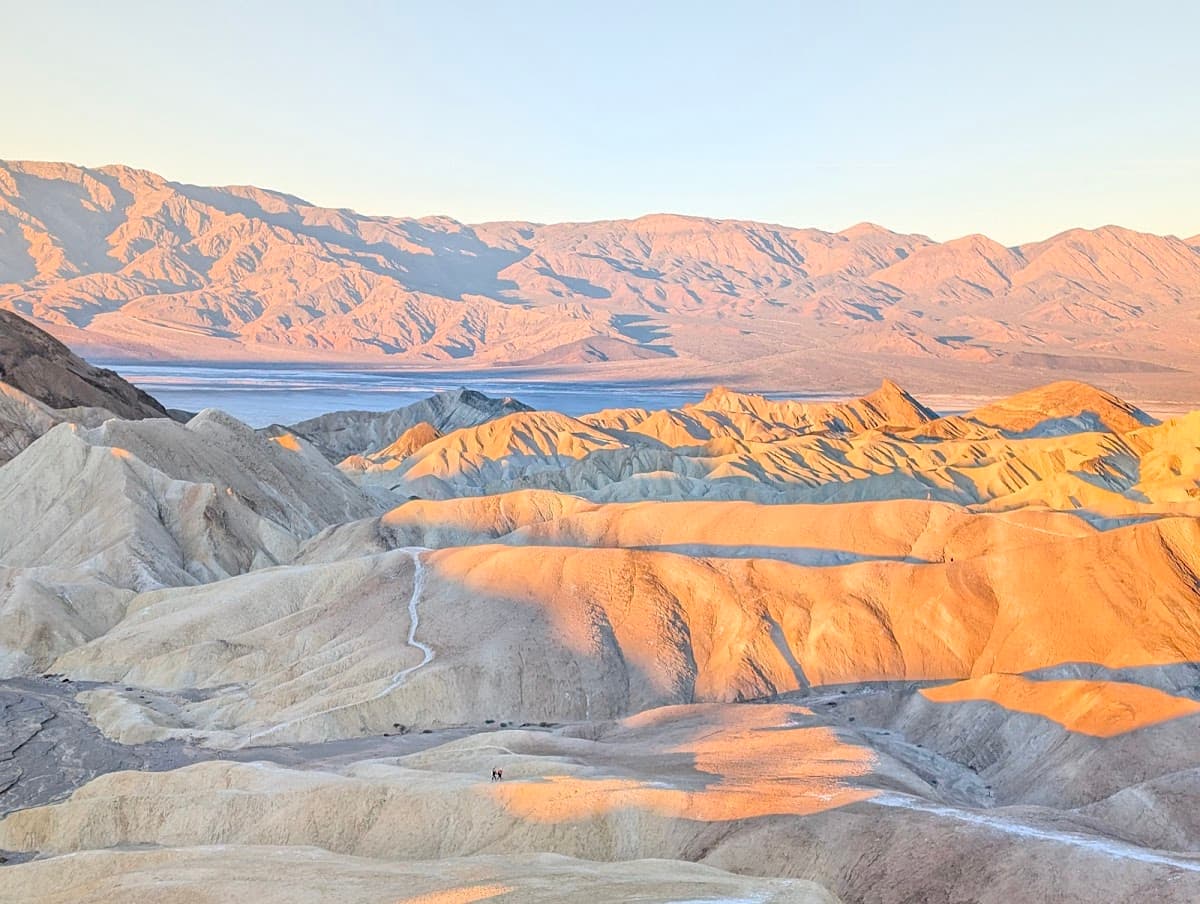
The park spans 3.4 million acres across California and Nevada, making it larger than Connecticut. You'll find salt flats that stretch to the horizon, mountains painted in impossible colors, and silence so complete it feels like another planet. And despite the name, Death Valley teems with life — desert bighorn sheep, kit foxes, and over 400 bird species call this harsh landscape home.
Look, summer temperatures regularly hit 120°F, so timing matters. Visit between November and March when daytime highs hover around 70°F. The park stays open year-round, but summer visits require serious preparation and early morning starts.
Itineraries coming soon
We're working on adding amazing itineraries for Death Valley National Park. In the meantime, try the app to create your own!
Money-Saving Tips
- 1.Visit during shoulder season (April or October) for lower accommodation rates — you'll save 30-40% compared to peak winter prices
- 2.Buy the annual Death Valley pass ($55) if you're staying more than 2 days — it pays for itself quickly
- 3.Stock up on food and water in Ridgecrest or Las Vegas before entering the park — the general stores charge premium prices
- 4.Camp instead of staying in park lodges to save hundreds — Furnace Creek Campground costs $36/night vs $200+ for hotel rooms
- 5.Fill up your gas tank outside the park — Furnace Creek gas station charges $1+ more per gallon than surrounding towns
Travel Tips
- •Start hiking before sunrise in warmer months — by 10 AM, temperatures become dangerous for outdoor activities
- •Download offline maps before entering — cell service is virtually non-existent throughout most of the park
- •Check your spare tire and bring extra coolant — the extreme heat and rough roads are hard on vehicles
- •Carry glow sticks or reflective markers when hiking — the desert landscape looks identical, and it's easy to lose your way back
- •Visit Artist's Palette Drive in late afternoon when the colored minerals in the mountains show their best hues
- •Bring cash for entrance fees — some entrance stations don't accept credit cards due to poor connectivity
Frequently Asked Questions
Explore Death Valley National Park
BUILD YOUR
DEATH VALLEY NATIONAL PARK PLAN
Insider picks, smart timing, and a plan ready when you are.
Start Planning