Essaouira
Morocco's windswept coastal gem with Atlantic charm
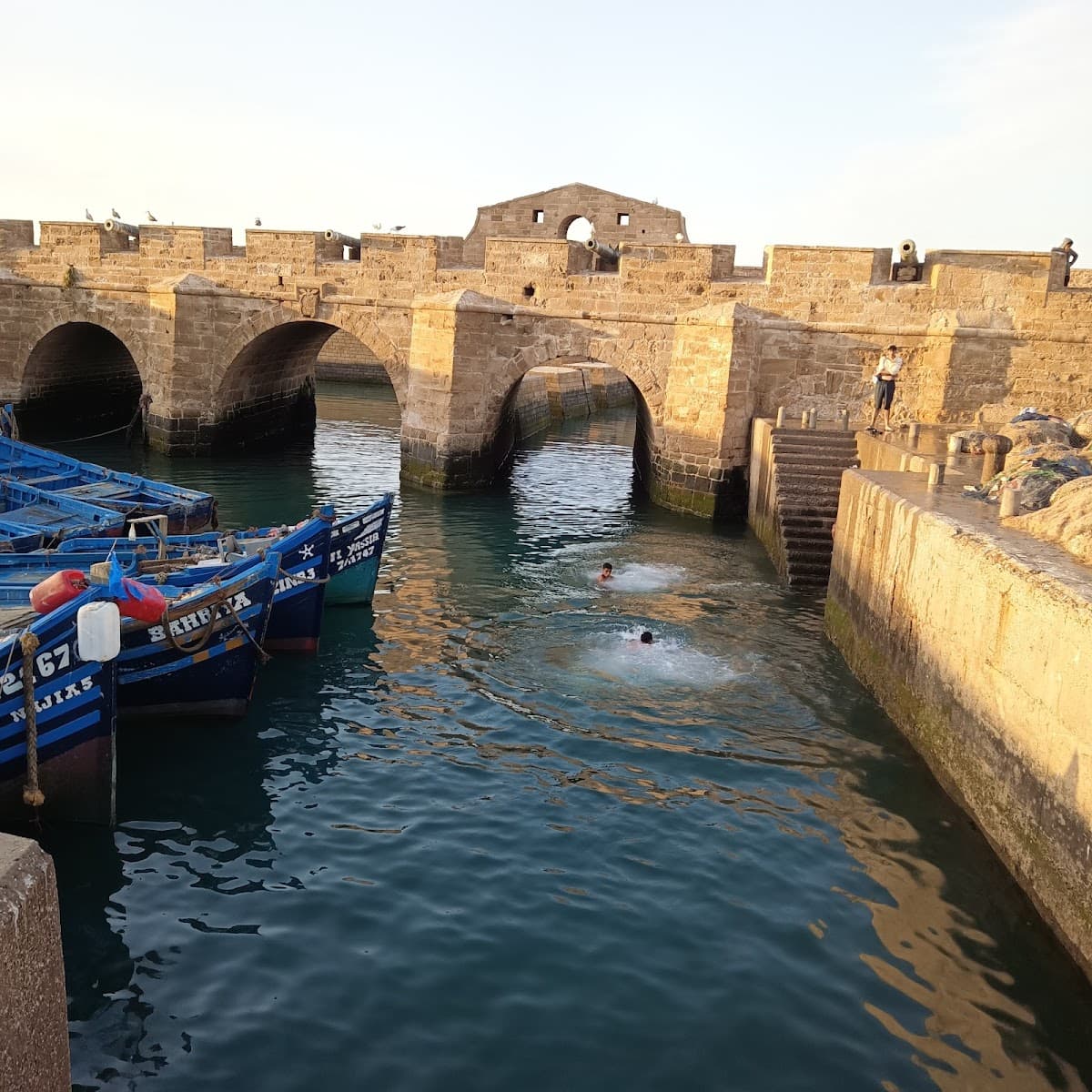
Essaouira hits differently than other Moroccan cities. The Atlantic wind keeps things cool when Marrakech is blazing. Portuguese ramparts frame a medina painted in ocean blues and whites. And the seafood? It comes straight from boats that dock right in the harbor.
This isn't another tourist-packed imperial city. Essaouira moves at its own pace. Artists sell paintings in narrow alleys. Gnawa musicians play on street corners. The smell of grilled sardines drifts from harbor-side grills.
But here's what makes it special: Essaouira feels authentic without trying. The medina UNESCO status hasn't turned it into a museum. Locals still live here, work here, argue over backgammon games in cafés. You can walk the entire medina in 20 minutes, but you'll want to spend days getting lost in it.
Best Months
APR · MAY · JUN · SEP · OCT · NOV
~24°C · high crowds
Culture & Context
ARTSY PORTUGUESE GRID
Essaouira used to be called Mogador, and that name still carries weight here. The whole city was designed by a French military engineer named Théodore Cornut in the 1760s, on orders from Sultan Sidi Mohammed Ben Abdallah. That explains why the streets run in orderly grids, unlike the chaotic medinas of Fes or Marrakech.
The Portuguese were here before the French, and before them, West African slaves brought the Gnawa musical tradition that now defines the city's soul. UNESCO recognized the medina in 2001. Artists and hippies discovered the place in the 1970s.
Jimi Hendrix came. So did Cat Stevens and Frank Zappa. They're still talking about it.
The wind never stops. Locals call Essaouira "the city of wind," and that's not poetic license — trade winds blow hard and constant off the Atlantic, keeping summers cool when inland Morocco is baking. The flip side: don't expect a lazy beach day unless you enjoy eating sand.
The city attracts French expats in serious numbers, so you'll hear French as much as Arabic or Darija in the cafés. The Jewish quarter (Mellah) once housed 18,000 Jews — about 60% of the city's population around 1950. Almost all left after Moroccan independence and the 1967 Six-Day War.
The Simon Attias synagogue still stands. The alleys are quiet now and carry a different kind of weight.
Local Customs
TEA & RIGHT HAND
Greetings are not quick transactions here. When Moroccans meet, there's a real exchange — asking about health, family, life — before anything else gets discussed. Don't rush it..
Accepting tea when it's offered is a sign of respect. Refusing it without good reason can come across as rude. If you genuinely can't drink it, a polite explanation goes a long way..
Eat with your right hand, especially if you're invited into a home. The left hand is considered unclean.. Ask before photographing people.
Many locals, especially in the Mellah and older quarters, would rather not be photographed. A 'no' is common and deserves respect without argument.. Dress modestly outside the beach.
Women will attract significantly less unwanted attention in loose-fitting clothes covering shoulders and knees. It's not mandatory by law, but it makes daily life considerably easier.. Bargaining is expected in the souk.
Starting at roughly half the quoted price and working up to 60-70% of the original is a common approach. Don't bargain if you're not actually planning to buy.. The argan cooperatives in and around Essaouira are largely run by women and support fair trade.
Buying directly from them rather than middlemen makes a genuine difference.. Coffee shops in the old medina are often male-dominated spaces. Peek inside before entering if you're a solo woman — many are welcoming, but some are clearly not set up for mixed company..
Ramadan changes everything. Restaurants close during the day, the pace shifts dramatically, and Essaouira is quieter than usual. Check dates before booking if that concerns you.
Safety
CALM BUT WATCHFUL
Essaouira is considered one of the safest cities in Morocco — calmer and less hustler-heavy than Marrakech or Fes. Residents report leaving doors unlocked. That said, petty theft does happen, especially in crowded souk areas and on the beach.
Keep your phone in a front pocket, don't flash cash, and use a closed bag when moving through markets. Avoid dark, isolated alleys in the Mellah at night. The winds can make ocean swimming genuinely dangerous — currents are strong, especially south of the medina.
Kitesurfers love it, but casual swimmers should head to Sidi Kaouki or Cape Sim for calmer water. Tap water is not reliably safe to drink. Buy bottled water or use a filter.
Unofficial "guides" will approach tourists near the medina gates and offer to show you around — they expect payment at the end, often more than agreed. A polite but firm 'La shukran' and continued walking is the right move. Always use official petit taxis.
Insist on the meter or agree on a price before getting in. Emergency numbers: Police 190, Ambulance/Fire 15. There is a 24-hour hospital in Essaouira, though serious cases go to Marrakech.
Getting Around
WALKABLE MEDINA BLISS
Getting to Essaouira is straightforward from Marrakech. CTM and Supratours run reliable buses for 80-100 MAD, taking about 3 hours. Book in advance during Gnaoua festival week — buses sell out.
The city has its own airport (Essaouira Mogador, ESU), about 14km from the medina, with connections via Casablanca. Direct flights from Europe are limited and often pricier than routing through Casablanca or Marrakech. Once in Essaouira, you mostly walk.
The medina is entirely on foot — no cars inside the historic walls. Petit taxis handle cross-town trips for 10-20 MAD and are plentiful. By law they must take you to your destination within the city.
Insist on the meter or agree on a flat price upfront. For day trips to Sidi Kaouki or Cap Sim, renting a car (from 200 MAD/day) or hiring a grand taxi gives the most flexibility. Shared grand taxis also run between towns at fixed per-person rates.
For the surf villages further south — Imsouane, Taghazout, Tamraght — a car makes much more sense than trying to piece together buses.
Useful Phrases
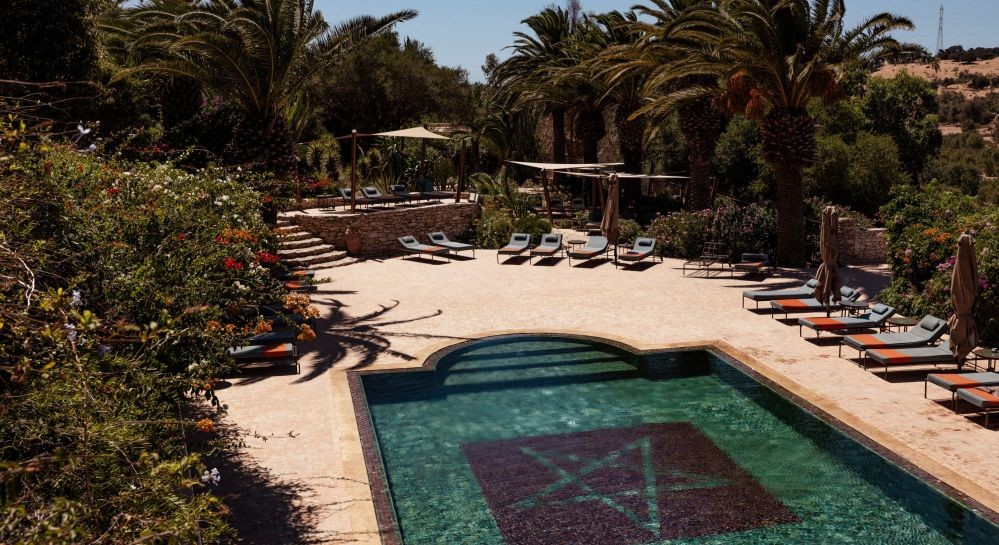
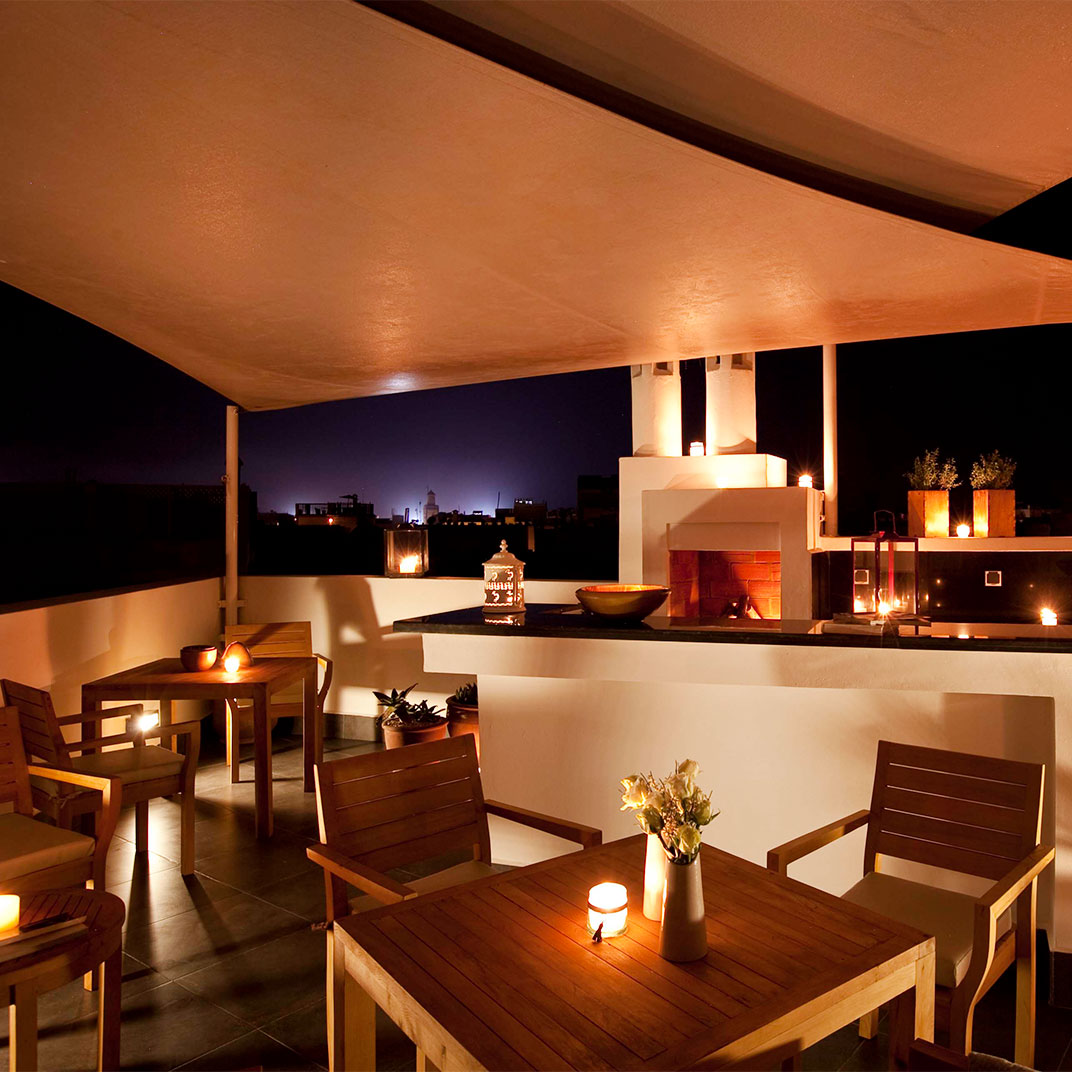
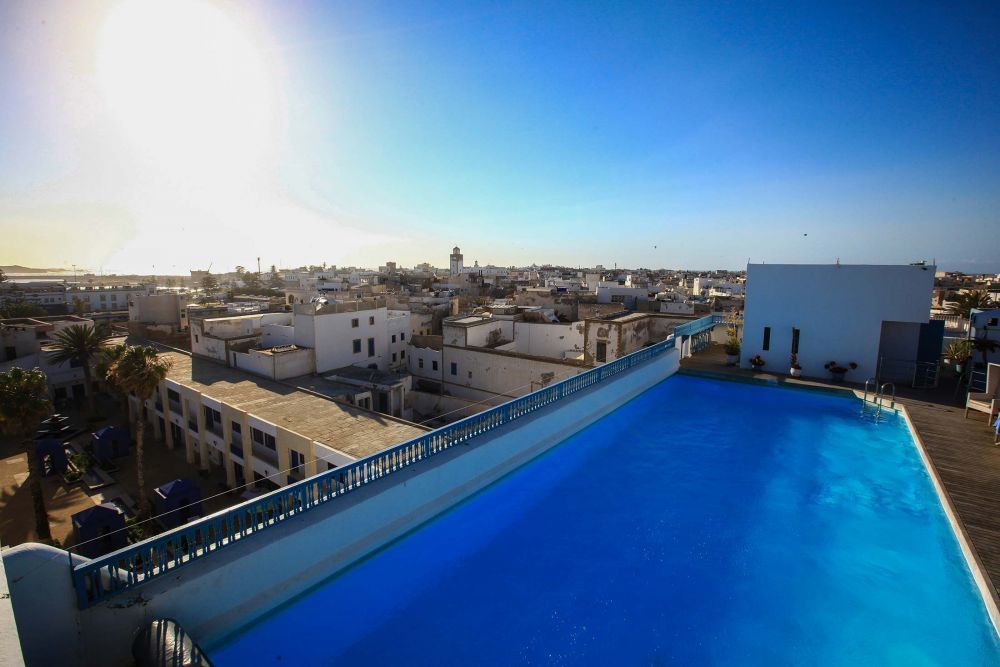
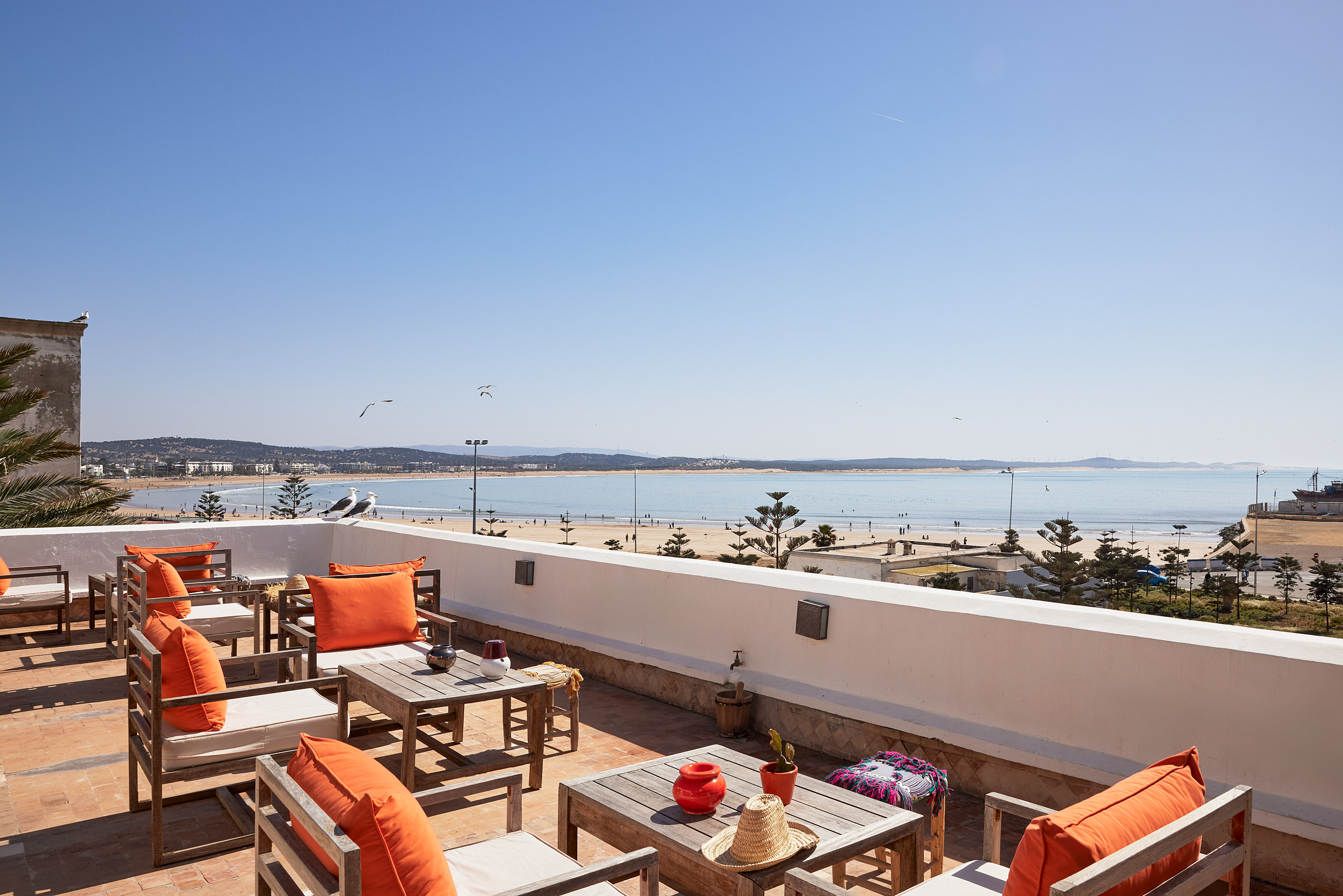
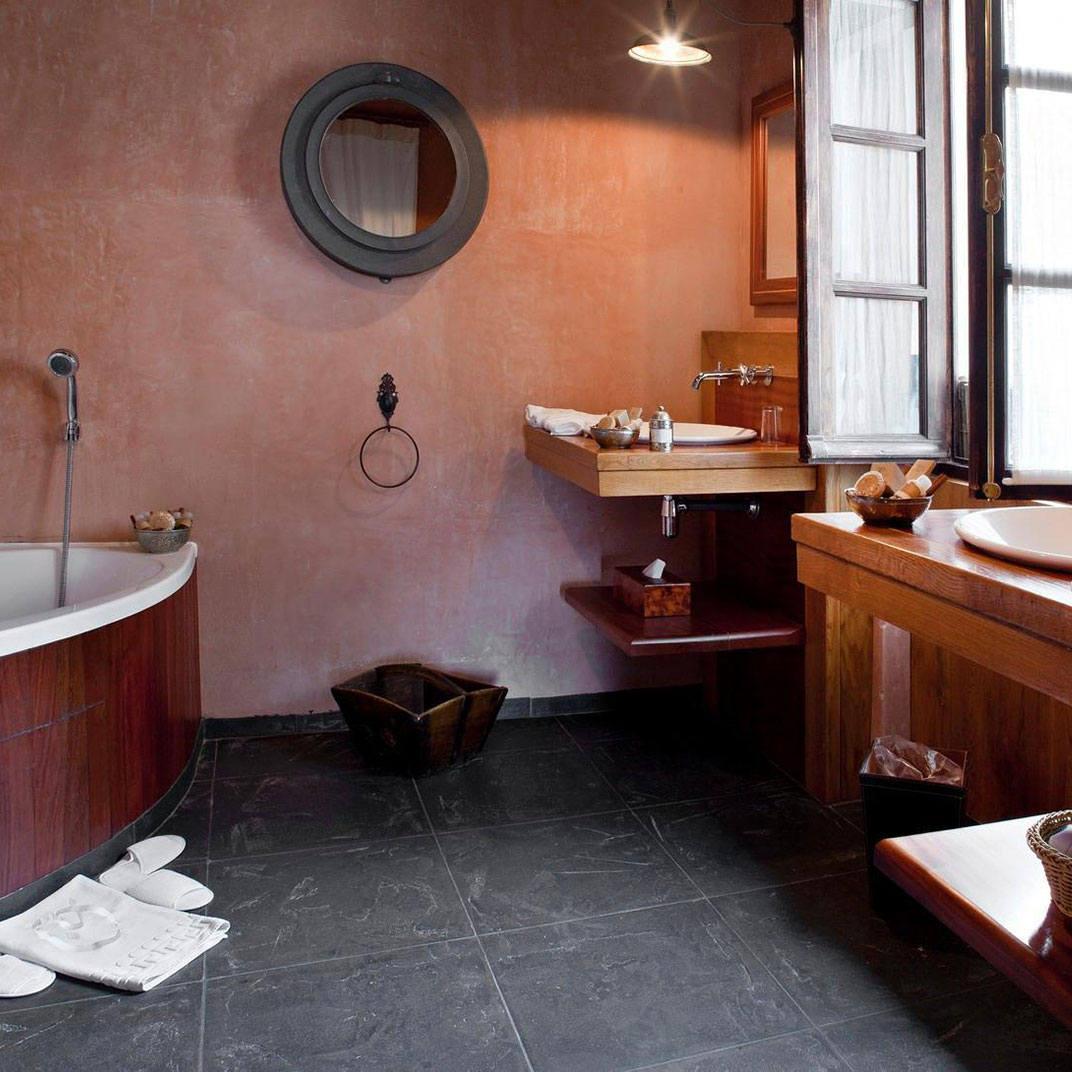
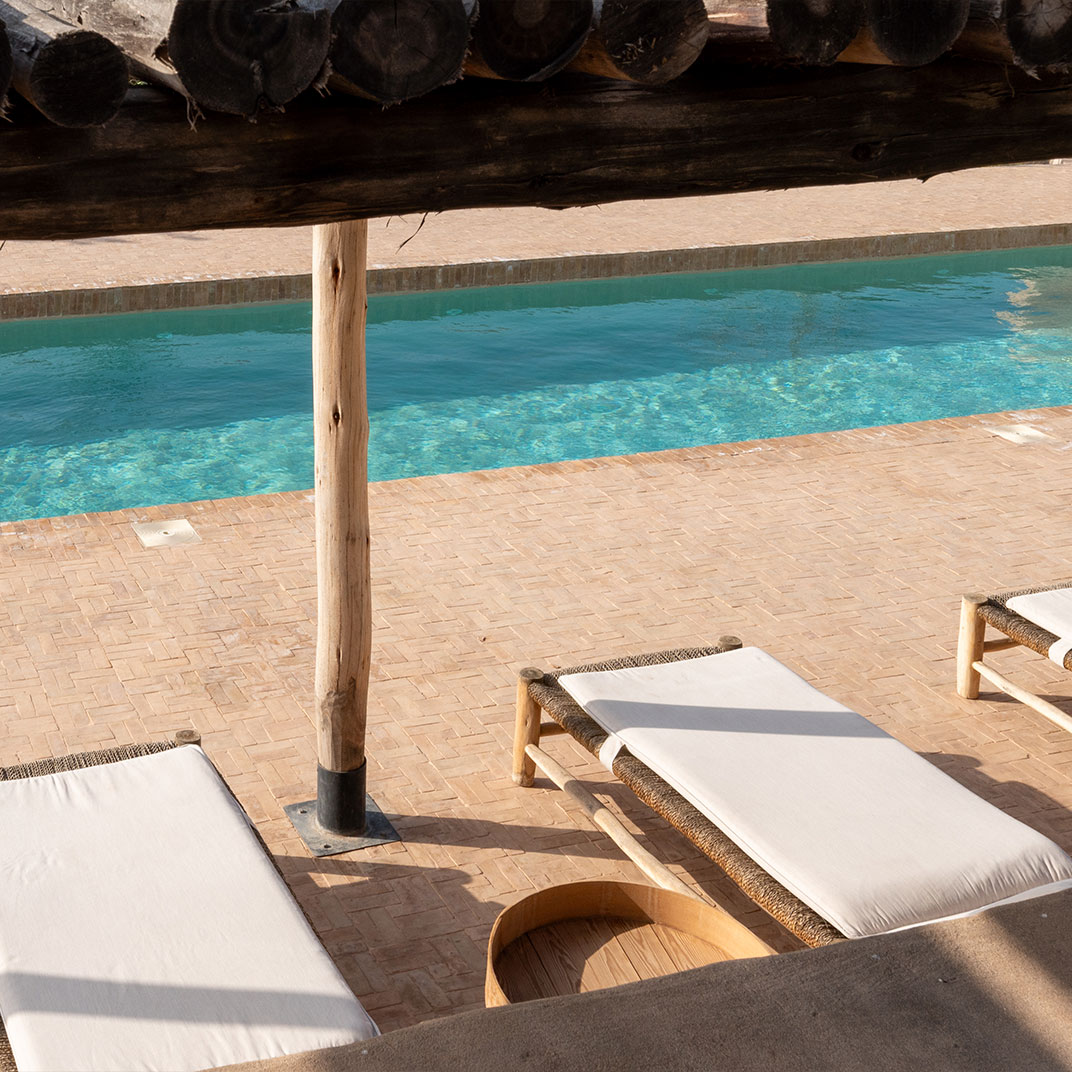
Where to Stay in Essaouira
6 recommended properties
Money-Saving Tips
- 1.Negotiate taxi fares before getting in — drivers quote tourist prices first
- 2.Eat at harbor seafood stalls instead of restaurants to cut food costs by 60%
- 3.Book riads directly rather than through booking sites to avoid commission markups
- 4.Visit during shoulder seasons (April-May, September-October) for 30% lower accommodation costs
- 5.Buy argan oil from cooperatives, not medina shops, to get authentic products at fair prices
- 6.Stock up on drinks at Marjane supermarket — riad minibar prices are inflated
- 7.Use CTM buses instead of grand taxis for intercity travel to save 200+ dirhams per trip
Travel Tips
- •Pack layers — Atlantic winds make temperatures feel 5°C cooler than forecast
- •Bring a windbreaker even in summer — the trade winds never stop
- •Download offline maps before exploring the medina — GPS signals get spotty in narrow alleys
- •Learn basic French or Arabic phrases — English isn't widely spoken outside tourist areas
- •Respect photography etiquette — ask before photographing people, especially women
- •Keep cash handy — many places don't accept cards, especially smaller restaurants and stalls
- •Book accommodations early during Gnawa Festival in June — the city fills up completely
- •Wear comfortable walking shoes — cobblestone streets are unforgiving on feet