Banja Luka
Bosnia's green city blends Austro-Hungarian elegance with Balkan soul
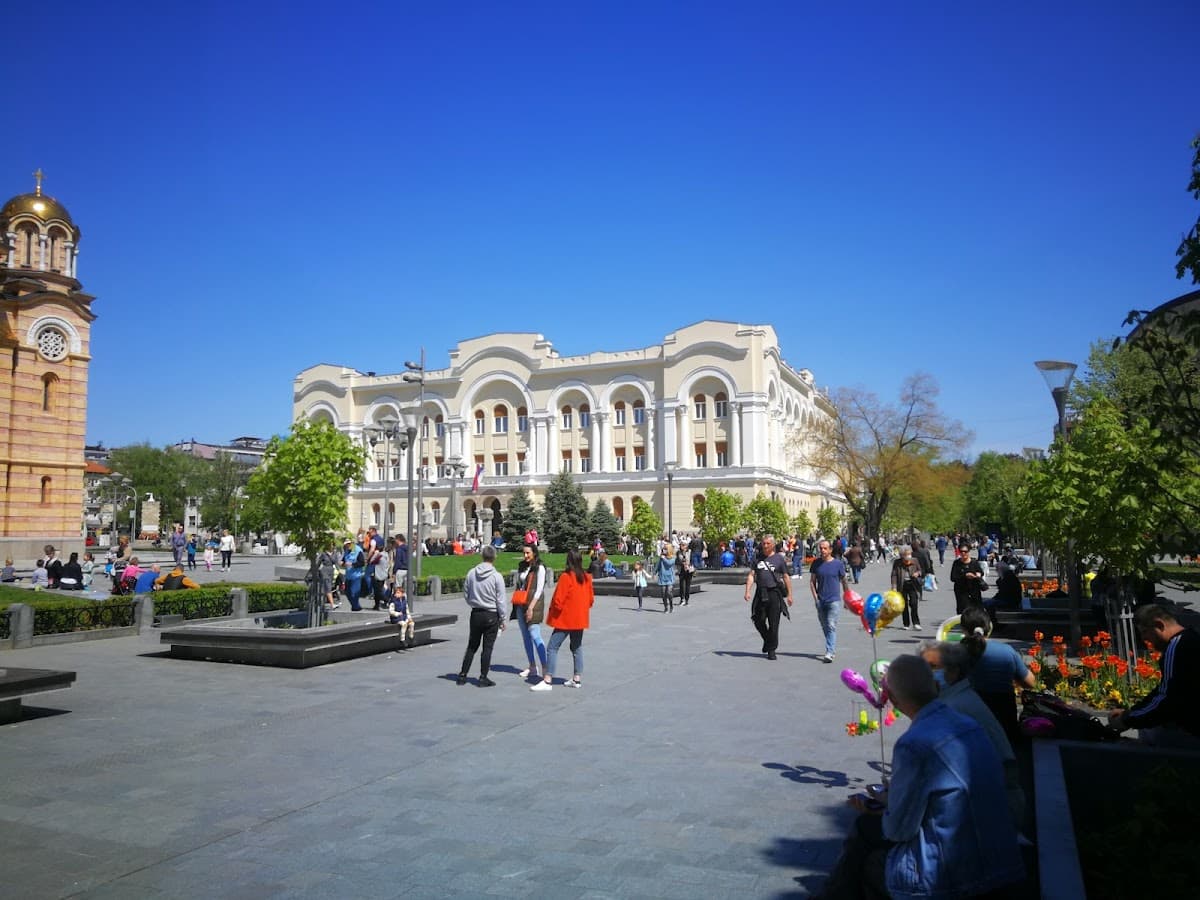
Most travelers skip Banja Luka for Sarajevo or Mostar. Big mistake. Bosnia's second city sits quietly along the Vrbas River, wrapped in parks and lined with Habsburg-era buildings that survived when so much else didn't. Here's a place where coffee costs under €2, locals still take evening strolls down Gospodska Street, and you can actually hear yourself think.
The Austro-Hungarian legacy runs deep here — deeper than in flashier Balkan capitals. Walk through the old town and you'll see why they called this the "Green City." Plane trees shade wide boulevards, Kastel Fortress overlooks the river bends, and the pace feels refreshingly unhurried. Sure, it's not as polished as Vienna or as dramatic as Dubrovnik. But that's exactly the point.
Best Months
APR – OCT
~24°C · moderate crowds
Culture & Context
SERBIAN ORTHODOX CAPITAL
Banja Luka is the administrative and political capital of Republika Srpska, the Bosnian Serb entity within Bosnia and Herzegovina. That's not a footnote — it shapes everything from the architecture to the language used on street signs (Cyrillic here, Latin in Sarajevo) to the dominant religion (Serbian Orthodox Christianity). The city sits at the confluence of the Vrbas and Vrbanja rivers in northwestern BiH, and has layers of Illyrian, Ottoman, Austro-Hungarian, and Yugoslav history sitting on top of each other.
The Ferhat Pasha Mosque, one of the finest examples of Ottoman Islamic architecture in the region, was destroyed during the 1992–95 war and rebuilt in 2016. The Cathedral of Christ the Saviour, with its bell tower built from Mesopotamian stone and domes reinforced with Siberian steel, dominates the skyline. And the Kastel Fortress on the Vrbas riverbank has been a strategic site since at least the Roman era.
Here's the thing: Banja Luka is nothing like Sarajevo, despite similar historical layers. This city is open, wide-boulevarded, and parks-heavy. It doesn't have Sarajevo's fame and gets far fewer international tourists, which means you can actually walk around without being sold anything.
Local Customs
CAFÉ CULTURE REIGNS
Café culture is not optional here — it's a social institution. Locals sit for hours over a single espresso. Don't rush it.
Ordering and immediately asking for the bill is considered rude.. Republika Srpska uses the Cyrillic alphabet more than the rest of Bosnia. Bus signs, street names, and menus may be in Cyrillic.
Learning to recognize a few key letters helps a lot, or you'll end up on the wrong bus.. When visiting the Ferhat Pasha Mosque or any religious site, cover your shoulders and knees. The mosque was destroyed during the 1990s war and rebuilt — locals feel strongly about it.
Treat it accordingly.. The 1990s conflict is recent history, not ancient history. Banja Luka is the capital of Republika Srpska, the Bosnian Serb entity, and the political context here is different from Sarajevo.
Avoid launching into opinions about the war unless you know the person well.. Coffee shops open early and close late. The kafana (traditional tavern) is where real conversations happen.
If a local invites you to one, say yes.. Tipping isn't mandatory but is appreciated. Rounding up the bill or leaving 10% is the norm.
Don't tip with coins — leave paper if you're tipping at all.. Banja Luka residents are generally proud of their city and will happily debate whether it or Sarajevo is the better place to live. Engage with this — it's usually good-natured.
Safety
VERY SAFE CITY
Banja Luka is a safe city. Around 94 out of 100 residents and visitors report feeling completely safe during the day. At night, that drops to 78 out of 100 — still good, but worth being sensible.
Avoid wandering around the Borik neighborhood alone after dark, where occasional petty crime has been reported. Scam risk is low. Theft is rare.
The usual city-travel rules apply: watch your bag in crowded festival settings, don't leave drinks unattended, and stick to lit streets late at night. No significant political tensions for tourists in 2026, though be aware that demonstrations occasionally happen around politically sensitive dates. Stay informed through local news if your visit overlaps with any commemorative events.
Getting Around
BUSES & WALKABLE
Banja Luka International Airport (IATA: BNX) sits at Mahovljani, about 25km north of the city center — 30 to 45 minutes by road. Ryanair and WizzAir fly here from Frankfurt, Milan, Belgrade, and other European cities. Smiljić Travel runs shuttle buses from the airport to downtown for a couple of euros.
Check their Facebook page for the latest timetable. The bus station (Braće Podgornika) is about 2km from the city center — inconvenient, but it has English-speaking staff, wifi in the cafés, and regular connections. Banja Luka connects to Sarajevo (5 hours), Jajce (1.
5 hours), Tuzla (5 hours), Zagreb, and Belgrade. Check Get By Bus for fares and times. Local buses cost 1.
40 USD (2.30 BAM) per ride. Taxis start at 1.
50 USD and run about 1.10 USD per km — cheap by any measure. The train station connects to Doboj and Novi Grad via Prijedor, but services are limited to a handful of trains daily.
For most intercity travel, the bus is your best bet. The city center itself is very walkable. Gospodska Street and the main riverfront areas are pedestrian-friendly and flat.
Useful Phrases
Banja Luka Itineraries
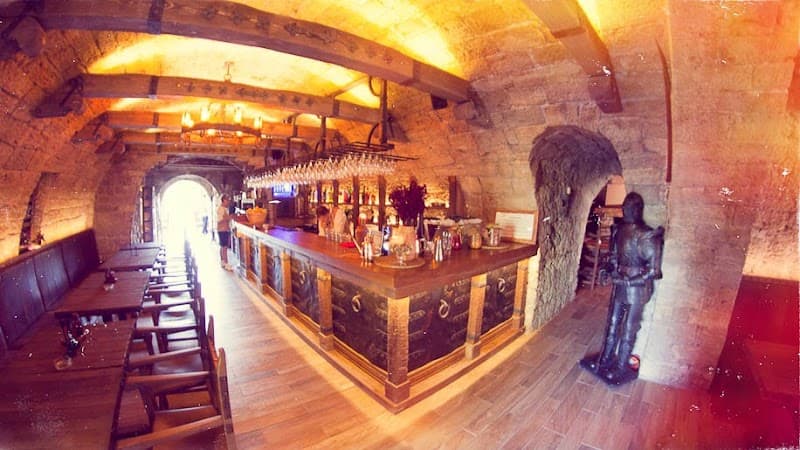
Things to Do in Banja Luka
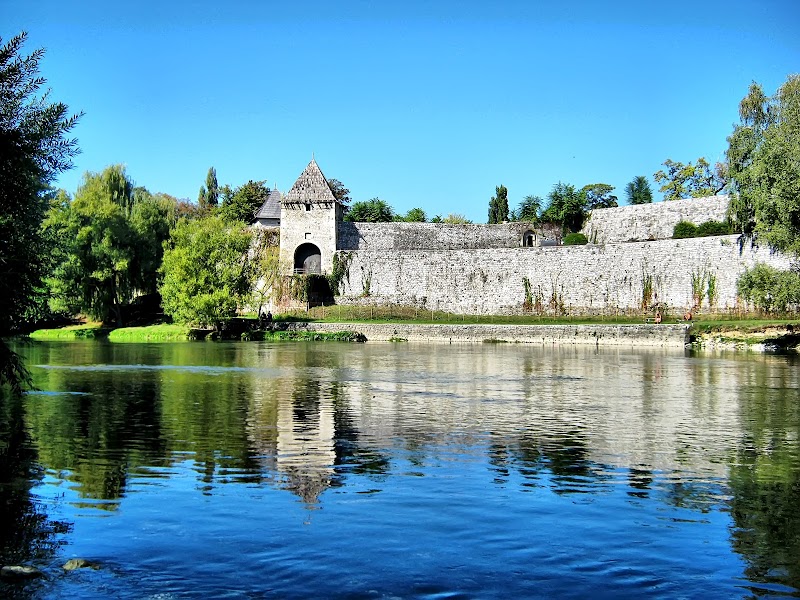
Kastel Fortress (Tvrđava Kastel)
Centar / Kastel Riverside · 90 min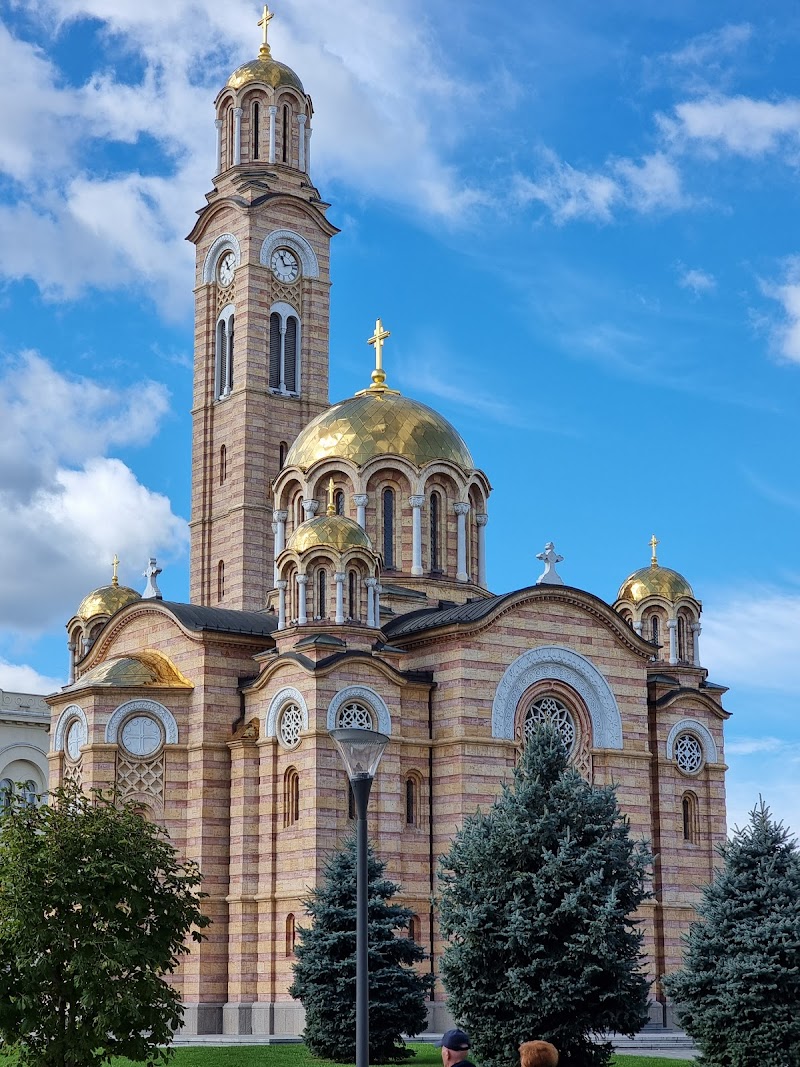
Christ the Savior Orthodox Cathedral (Hram Hrista Spasitelja)
Centar · 40 min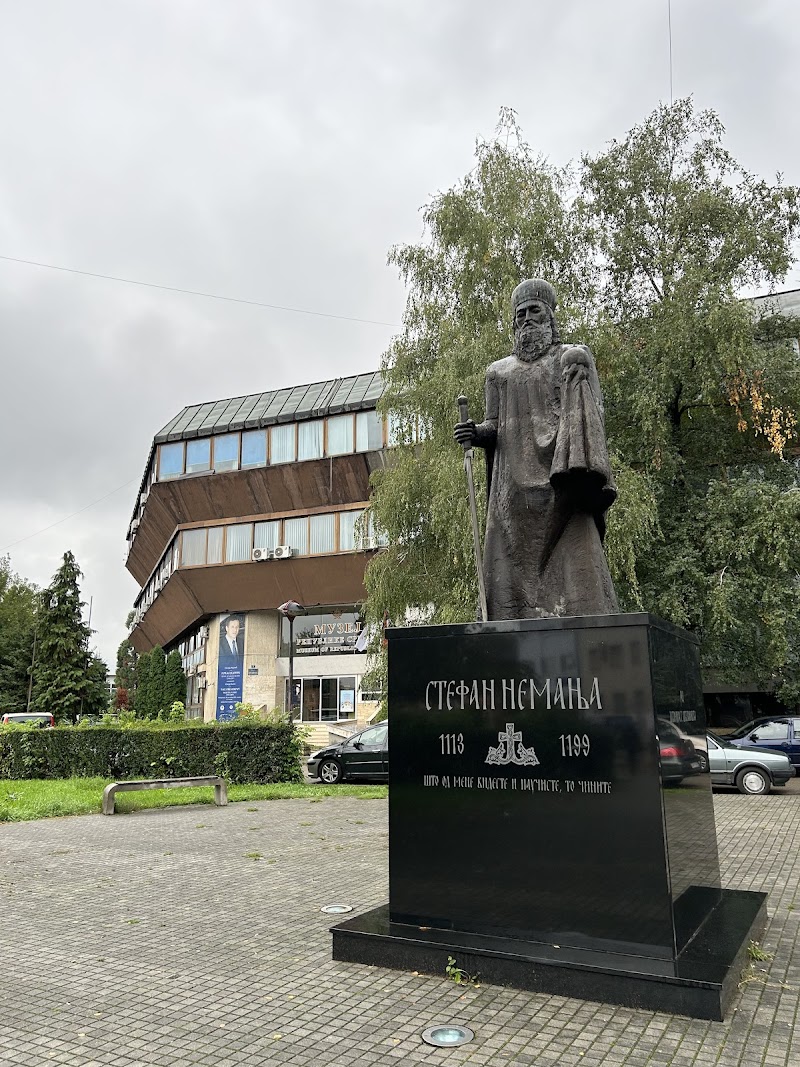
Museum of Republika Srpska (Muzej Republike Srpske)
Centar · 60 minMoney-Saving Tips
- 1.Eat at kafanas rather than hotel restaurants — you'll save 50% and get better food
- 2.Buy groceries at Konzum or Mercator supermarkets, not tourist-area shops
- 3.Take the city bus (€0.80) instead of taxis for longer distances
- 4.Book accommodations directly with smaller hotels to avoid booking fees
- 5.Drink coffee at local cafés, not hotel lobbies — €1.50 vs €4 for the same thing
- 6.Visit museums on weekdays when some offer student/senior discounts
- 7.Pack snacks for day trips — mountain restaurants charge tourist prices
Travel Tips
- •Learn basic Serbian greetings — locals appreciate the effort even if your pronunciation is terrible
- •Carry cash — many smaller restaurants and cafés don't accept cards
- •Download offline maps — cell coverage can be spotty in the mountains
- •Respect photography restrictions at religious sites and war memorials
- •Try rakija if offered, but pace yourself — it's stronger than it tastes
- •Pack comfortable walking shoes — old town streets are cobblestone
- •Check local festival calendars — events can make accommodation scarce
- •Keep restaurant receipts — some places are cash-only but still provide proper documentation