Ayia Napa
Cyprus's Premier Beach Party and Relaxation Destination
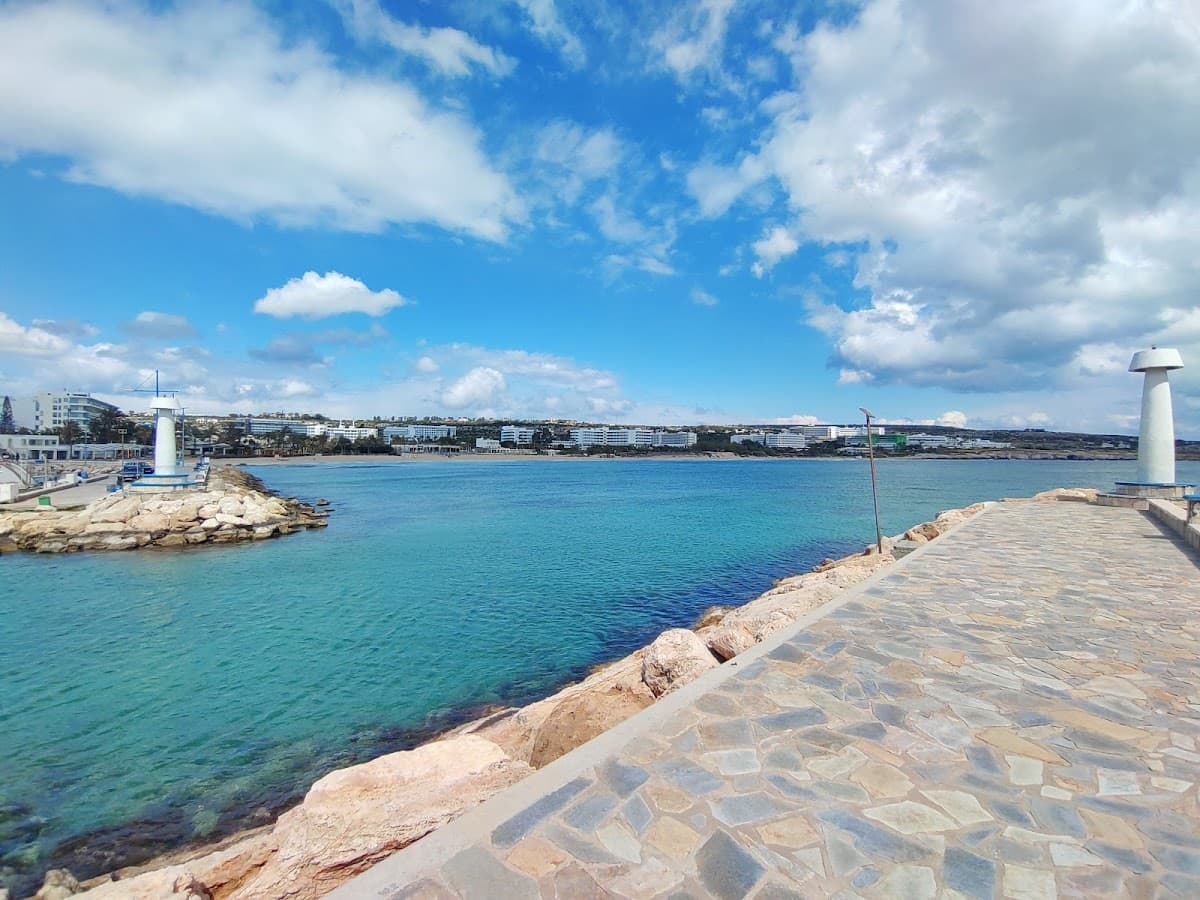
Ayia Napa isn't just another Mediterranean beach town — it's the place where sun-soaked days melt into legendary nights. This former fishing village on Cyprus's southeastern coast has evolved into Europe's answer to Ibiza, but with better beaches and friendlier prices. Sure, the party reputation precedes it, but look beyond the foam parties and you'll find crystal-clear waters, ancient monasteries, and some of the most stunning coastline in the Med. The town transforms with the seasons — wild and energetic in summer, surprisingly peaceful in the shoulder months.
Best Months
MAY – OCT
~29°C · moderate crowds
Culture & Context
MONASTERY MEETS NIGHTLIFE
Ayia Napa sits on Cyprus's southeastern coast and carries a reputation it's still partly living down. A decade or two ago it was neon shots and stag parties until sunrise. That energy hasn't disappeared, but it's mellowed.
Families and couples walk past the same clubs now. The town itself is compact and very walkable, with a 16th-century Venetian monastery sitting right next to the square that doubles as the clubbing epicenter. That contrast is genuinely Ayia Napa: ancient stone archways, 600-year-old sycamore trees, and bass thumping from the building next door.
The name actually means "Holy Forest" in Greek, which feels almost ironic given the summer chaos. But the municipality has been pushing cultural events hard, and the results are real. Cyprus is an EU member and an island of Greek-Cypriot culture, so the Greek Orthodox calendar matters here.
Easter is the biggest deal on the island, bigger than Christmas. The local pace is Mediterranean, meaning unhurried and deliberate. Showing impatience will get you nowhere and may get you cold coffee.
Local Customs
GREET FIRST, THEN TRANSACT
Greet shopkeepers before asking for anything. A simple 'Yia sou' softens the interaction immediately. Skipping the greeting feels abrupt and transactional to locals..
Dress modestly when visiting the Ayia Napa Monastery or any church. A shawl or cover-up for shoulders and knees is the baseline. The monastery is right in the town center, so pack accordingly..
Tip around 10% in restaurants and cafes. Over-tipping can feel as awkward as no tip at all.. Cypriots drive on the left, British-style.
Drivers can be assertive and horn use is conversational rather than aggressive. Roads may narrow suddenly in older areas.. Tap water is generally safe to drink.
Bottled water is everywhere, but you don't strictly need it in the town center.. Don't bring up Cypriot political history unless locals open that door first. The island's division is a sensitive and complex subject..
Cards are widely accepted, but small bakeries, village tavernas, and market stalls often prefer cash. Have some euros on hand.. Service moves at its own pace.
Build extra time into any meal. Rushing the staff won't help.. Weekends often mean extended families barbecuing at the beach.
If you get an impromptu invitation, say yes.
Safety
VERY SAFE, PETTY THEFT ONLY
Ayia Napa is genuinely safe. Cyprus has one of the lowest violent crime rates in Europe, and tourist-directed violence is virtually unheard of. The U.
S. State Department raised Cyprus to a Level 3 advisory in early 2026 due to Middle East regional tensions, but this specifically relates to northern Cyprus and the Turkish-administered areas. Southern Cyprus, including Ayia Napa, is unaffected.
Flights are normal, beaches are open, and the summer season is running as usual. The real risks are ordinary resort-town stuff. Petty theft happens in crowds and on busy beaches.
Keep bags closed, use your hotel safe, and don't leave valuables on the sand. The main nightlife risks involve excessive alcohol, occasional drink spiking (buy your own drinks, never leave them unattended), and minor scuffles. The town has a strong police presence on the main strip during season.
Unlicensed taxi drivers late at night are the most commonly reported tourist problem. Pre-book transfers. When renting jet skis, ATVs, or cars, photograph the vehicle before leaving the rental shop to avoid being charged for pre-existing damage.
Getting Around
WALKABLE TOWN, BOOK TAXIS
The town center is genuinely walkable. The monastery, main square, harbour, and most bars are all on foot from each other. For beaches like Nissi, OSEA bus routes 101 and 102 run along Nissi Avenue and connect to Protaras and WaterWorld.
A single ride costs €2 in the day and €3 at night. There is no Uber in Ayia Napa. Use Bolt or CABCY apps for taxis, or ask your hotel to arrange one.
Short rides within town run €10-15, meter starts at €4 with €1.50 per kilometer. Always confirm the price first or use the app rate.
Unlicensed taxi drivers are the single biggest source of tourist problems here, especially at night and near the airport. Book your Larnaca airport transfer in advance. The airport is 45km away, about a 45-minute drive on the A3 motorway.
A pre-booked private transfer runs €50-65. Public bus from the airport takes 1.5-2 hours with connections.
Buggies are the fun local option for exploring Cape Greco, the sea caves, and coastal roads. A 2-seater starts at €90/day and you need a valid driving licence. For reaching Nicosia, Limassol, or Paphos, rent a car.
Cyprus drives on the left.
Useful Phrases
Money-Saving Tips
- 1.Pre-drink at local bars before hitting expensive clubs — beers cost €3 at local spots vs €12 in main clubs
- 2.Shop at Papantoniou supermarket for beach snacks and drinks instead of paying resort prices
- 3.Book accommodation in May or September for half the July/August rates with same weather
- 4.Take local buses (€1.50) instead of taxis (€8+) to reach beaches during the day
- 5.Eat lunch at traditional tavernas in old town — full meze costs €18 vs €30+ at beachfront restaurants
- 6.Rent quad bikes for €25/day to explore Cape Greco instead of paying for organized tours
- 7.Buy duty-free alcohol at Larnaca Airport on arrival — clubs charge massive markups
Travel Tips
- •Bring reef-safe sunscreen — the Mediterranean sun is stronger than you think, especially reflecting off white sand
- •Download offline maps for Cape Greco hiking trails — cell service gets spotty in the national park
- •Pack earplugs if staying near the town center — the party noise continues until 6am in summer
- •Bring water shoes for rocky beach areas and sea cave exploration around Cape Greco
- •Learn basic Greek phrases — locals appreciate the effort and it helps in traditional tavernas
- •Book restaurant tables in advance during peak season — popular spots fill up quickly
- •Carry cash for small tavernas and local buses — many don't accept cards
- •Check club dress codes before heading out — some venues have strict policies about beachwear