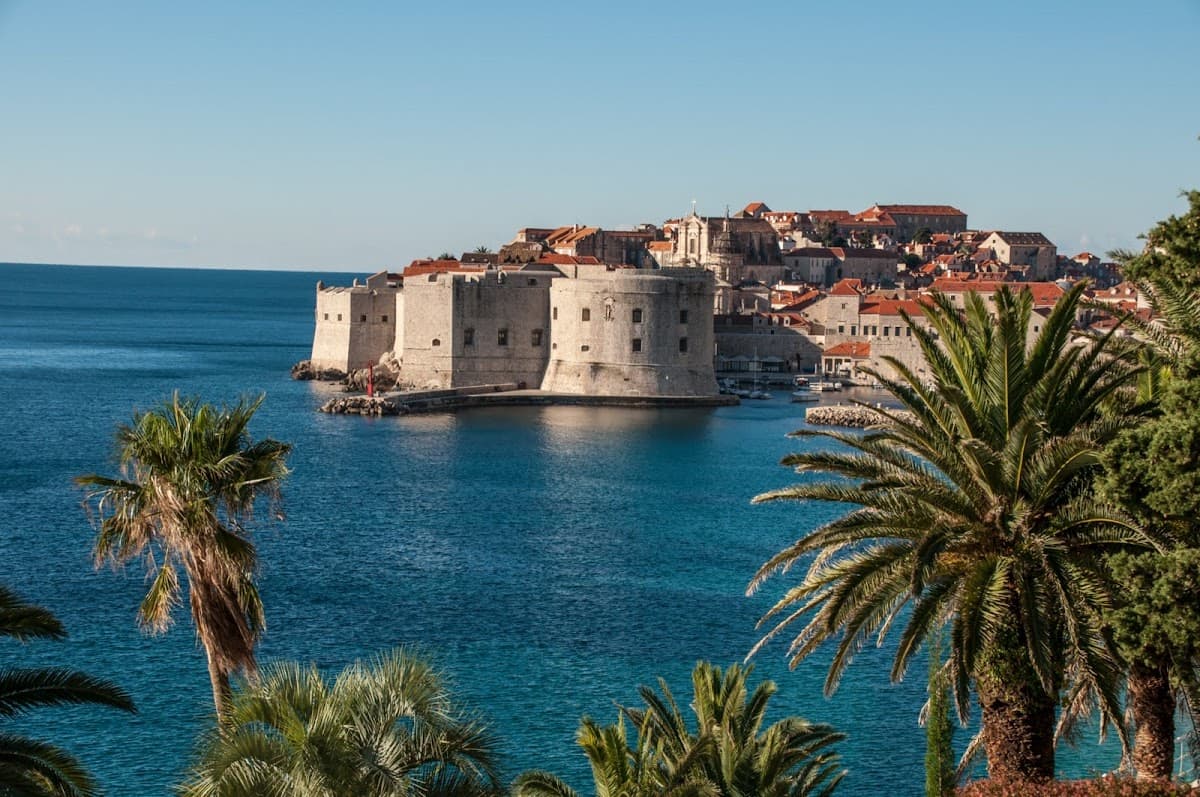
Dubrovnik Old Town
Medieval fortress city where ancient walls meet azure Adriatic
Walk through Dubrovnik Old Town and you'll understand why they call it the Pearl of the Adriatic. Those towering limestone walls have protected this medieval fortress city for over 700 years, and today they frame one of Europe's most perfectly preserved historic centers. The marble-paved Stradun gleams under the Croatian sun, leading you past Gothic palaces and Renaissance churches that somehow survived earthquakes, wars, and the test of time.
But here's what the postcards don't show you: Dubrovnik gets absolutely packed in summer. We're talking shoulder-to-shoulder crowds on those narrow stone streets. The trick is timing your visit right and knowing where to escape when the cruise ships dock. Come in late spring or early fall, and you'll have those ancient walls mostly to yourself as the sun sets over the Adriatic.
Culture & Context
INDEPENDENT REPUBLIC SPIRIT
Dubrovnik was an independent city-republic for centuries, which gives locals a fiercely independent streak that's still palpable today. The 1991-1992 shelling during Croatia's Homeland War left deep marks on the city and its people. It's not a topic to blunder into casually.
If it comes up, be respectful and follow the local's lead. Coffee here is a social ritual, not a caffeine delivery system. If someone invites you for kava, you sit, you stay, you don't take it to go.
Locals dress stylishly even for casual outings. And the Croatian thing about fish pricing — always confirm the price per kilogram before ordering whole fish at any seafood restaurant. It's required by law that every customer receives a printed receipt.
If a server skips this, you can ask. Croatian tax authorities actually require the server to ask whether you're paying cash or card before printing the bill, so don't be thrown off by that question.
Local Customs
COFFEE IS SACRED RITUAL
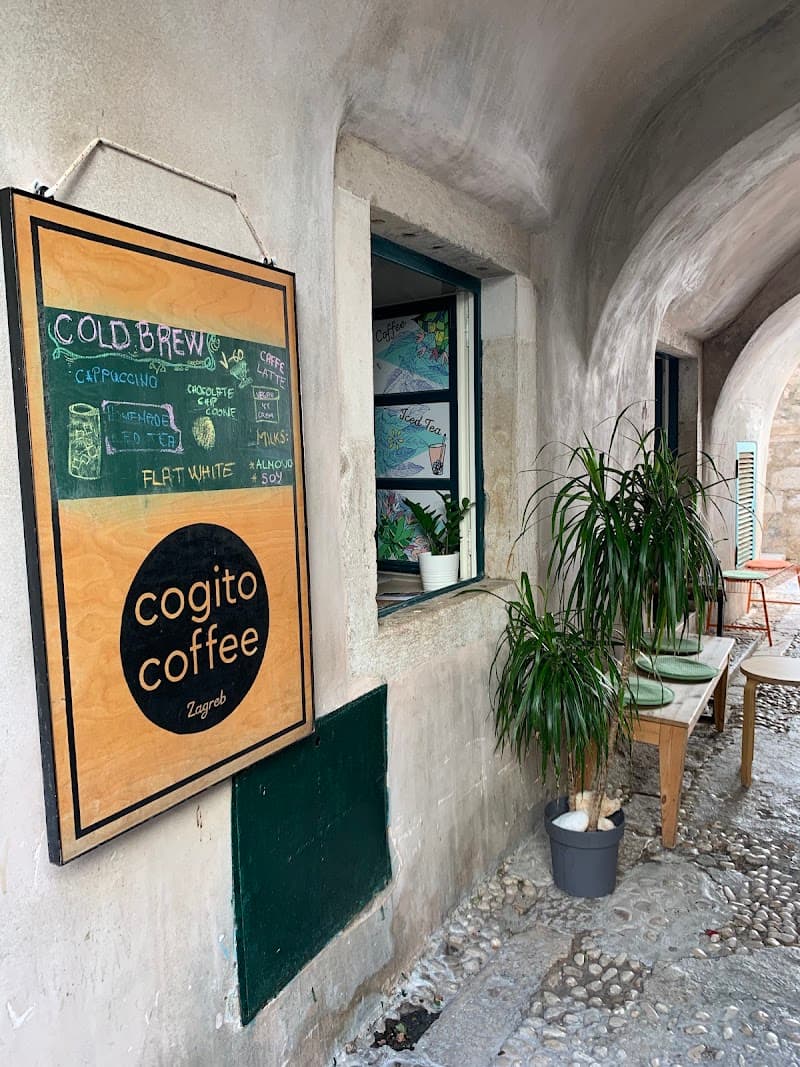
Coffee is a social event here, not a quick stop. Locals linger for an hour or more. Never take coffee to go — it's considered slightly rude and very touristy..
Tipping is not mandatory, but around 10% is appreciated at restaurants. In bars, rounding up the bill is the local norm. Always tip in cash — adding it to a card bill isn't standard practice, and Croatian tax law requires the cash/card distinction to be declared before the bill is printed..
Dress code in the Old Town: wearing swimwear or going shirtless on Stradun or in churches can result in actual fines. Pack a light cover-up if you're going between beach and town.. When entering a church, cover shoulders and remove hats.
The War Photo Ltd gallery and Homeland War museums are genuinely moving — approach them quietly and respectfully.. Handshakes are the default greeting with strangers and in formal settings. Kisses on both cheeks are for close friends and family only..
The 'jugo' wind (a warm southern wind) is an accepted cultural excuse for bad moods, fatigue, or cancelled plans. If a local blames the jugo, nod and sympathize.. Saturday Winter Mornings: free English-language walking tours depart from the tourist office by Pile Gate every Saturday at 9:30am (until late March 2026), with a folklore performance at 11:30am.
A genuinely good deal.. Buy bus tickets at Tisak kiosks before boarding — you save about €0.77 per trip versus paying the driver..
Tap water from Dubrovnik's fountains (including the large Onofrio's Fountain near Pile Gate) is completely safe to drink. There's no reason to pay €3-4 for bottled water.
Safety
VERY SAFE, WATCH PICKPOCKETS
Dubrovnik is genuinely one of the safest cities in Europe. The US State Department rates Croatia Level 1 (exercise normal precautions), and violent crime against tourists is extremely rare. That said, the Old Town during peak summer is a pickpocket's playground. The Stradun, Pile Gate, the city walls entrance queue, the cable car line, and crowded buses are the main spots to watch. Use a cross-body bag. Men should never keep wallets in back pockets. Never leave bags on chair backs or belongings on the beach while swimming.
Avoid unlicensed taxis, particularly near the ferry terminal. Use Uber, Bolt, or agree on a fare before getting in any unmarked cab. The airport-to-city shuttle is the safest and cheapest transfer option at ~€10.
The slippery limestone streets are a genuine physical hazard — the stone polishes smooth over centuries and becomes genuinely dangerous when wet. Avoid flip-flops or smooth-soled shoes, especially on the walls or steep side streets.
In July and August, the stone walls trap heat and temperatures can push past 35°C. Carry water. The Onofrio Fountain near Pile Gate provides free, safe drinking water.
The Tourist Police near Pile Gate (+385 20 443 777) are English-speaking and specifically handle tourist issues. General emergency number: 112. Ambulance: 194. Police: 192.
Getting Around
WALKABLE OLD TOWN
No trains serve Dubrovnik. Getting here means flying into Dubrovnik Airport (DBV), 18km from the city, or arriving by long-distance bus or ferry into Gruž port. The airport shuttle (Atlas bus) meets incoming flights and runs to Pile Gate for ~€10 one way. A taxi or Bolt from the airport runs €35-45 — fine if you're in a group.
Inside the city, the Libertas bus system covers everything. Buy tickets at Tisak kiosks for €1.73 (not €1.99 from the driver). The 24-hour pass costs ~€5.31 and is worth it on a full day of neighbourhood-hopping. Buses 4, 5, 6, and 7 all connect Lapad and Babin Kuk to Pile Gate. The Old Town itself is pedestrian-only — no cars, no bikes, no exceptions.
Driving to Dubrovnik from elsewhere in Croatia is a long slog through mountains. Also note: the road from Split to Dubrovnik crosses briefly into Bosnia and Herzegovina (the Neum corridor), though a new bridge (Pelješac Bridge, opened 2022) now bypasses that crossing.
Ferries from Gruž port run to Lokrum (every 30 minutes in high season, ~€27 return), and seasonal routes connect to Hvar, Korčula, and Bari, Italy. Jadrolinija operates the overnight Bari ferry (mid-April through October).
Useful Phrases
Dubrovnik Old Town Itineraries
Money-Saving Tips
- 1.Buy groceries at Konzum supermarket on Poljana Paska Miličevića – it's the closest to Old Town and prices are reasonable
- 2.Happy hour at Buža Bar runs 5-7 PM with cocktails at 8 euros instead of 12 euros – plus you get those famous cliff-side sunset views
- 3.The Dubrovnik Card costs 35 euros but includes city walls (35 euros alone), so it pays for itself if you visit any museum
- 4.Eat lunch at Taj Mahal in Lapad for authentic Bosnian food at half the price of Old Town restaurants
- 5.Take the local bus #1A to Banje Beach instead of paying 15 euros for a taxi – buses cost 2 euros and run every 15 minutes
- 6.Free walking tours meet daily at 10 AM and 6 PM at Pile Gate – tip your guide 5-10 euros instead of paying 25 euros for private tours
Travel Tips
- •Download the offline map before you go – Old Town's narrow streets confuse GPS, and data roaming gets expensive
- •Bring a refillable water bottle – Onofrio's Fountain provides free drinking water and has done so since 1438
- •Book restaurants in advance during peak season, especially Proto, Nautika, and Villa Dubrovnik – they fill up fast
- •Wear layers in shoulder season – mornings can be cool but afternoons warm up quickly, especially on the exposed city walls
- •Learn basic Croatian phrases – locals appreciate the effort, and 'Hvala' (thank you) goes a long way
- •Check the cruise ship schedule at dubrovnik-port.hr to avoid the busiest days – some days see 10,000+ cruise passengers
- •Bring cash – many small shops and restaurants don't accept cards, and ATM fees add up quickly
- •Pack comfortable walking shoes with good grip – marble streets get slippery when wet or polished by millions of feet
Frequently Asked Questions
BUILD YOUR
DUBROVNIK OLD TOWN PLAN
Insider picks, smart timing, and a plan ready when you are.
Start Planning