Malta
Mediterranean jewel where knights' history meets azure seas
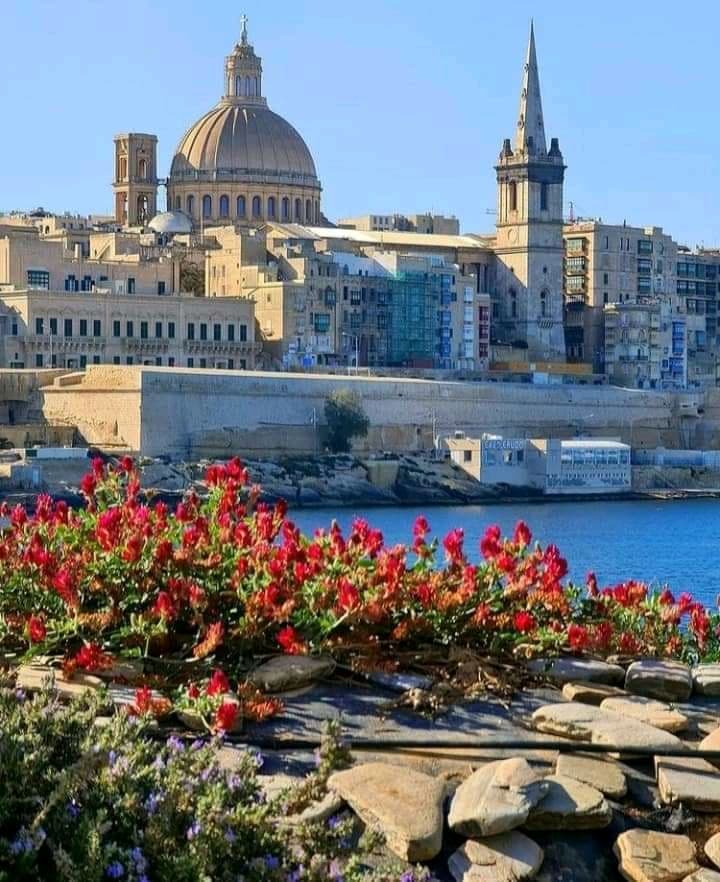
Malta punches way above its weight. This tiny Mediterranean archipelago packs 7,000 years of history into just 316 square kilometers, where Neolithic temples older than Stonehenge sit minutes from crystal-clear swimming spots. The Knights of St. John left behind a UNESCO World Heritage capital in Valletta, while fishing villages like Marsaxlokk still paint their boats in traditional blues and yellows. You can walk across the entire main island in four hours, but you'll want months to explore every hidden cove and limestone church. The locals speak English (thanks to British colonial history), the weather's reliably sunny, and the food blends Italian comfort with Middle Eastern spices. Sure, it gets crowded in summer and some beaches are rocky rather than sandy. But Malta delivers that rare combination of serious history, serious relaxation, and serious value for money.
Culture & Context
LAYERS UPON LAYERS
Malta is a tiny archipelago — 316 km², smaller than most cities — that has been fought over, colonized, and influenced by the Phoenicians, Romans, Arabs, Normans, Knights of St. John, French, and British. That layered history isn't just on museum walls; it's in the language (a unique Semitic tongue written in Latin script, blending Arabic roots with Italian and English), the architecture, the food, and the way people socialize.
The islands only gained independence in 1964. English is a co-official language, spoken fluently by almost 90% of the population, which makes Malta exceptionally easy to navigate for English-speaking visitors. Catholicism remains genuinely central to daily life rather than just ceremonial — feast days, Holy Week, and the rhythm of the village festa calendar are real community events, not tourist spectacles.
And despite its tiny size, Malta punches well above its weight culturally: it's home to Neolithic temples older than Stonehenge, a UNESCO-listed Baroque capital, and one of Europe's most active electronic music festival scenes. The contrast is part of the point.
Local Customs
FESTA SEASON, WARM LOCALS
Catholicism shapes the calendar in a real way. Over 75 village festas happen every summer, each honoring a patron saint with processions, brass bands, and fireworks. These aren't tourist performances — they're deeply local events.
Showing up and watching respectfully is entirely welcome.. Dress modestly when entering churches. Shoulders must be covered (a scarf works).
Interestingly, mini skirts are generally fine as long as shoulders are covered — this surprises many visitors. St. John's Co-Cathedral in Valletta enforces this strictly..
Tipping is not compulsory but 10% is appreciated for good service in restaurants. Check your bill for the word 'servizz' — if a service charge is already included, you're done. In cash-only pastizzerias and street food spots, rounding up is fine..
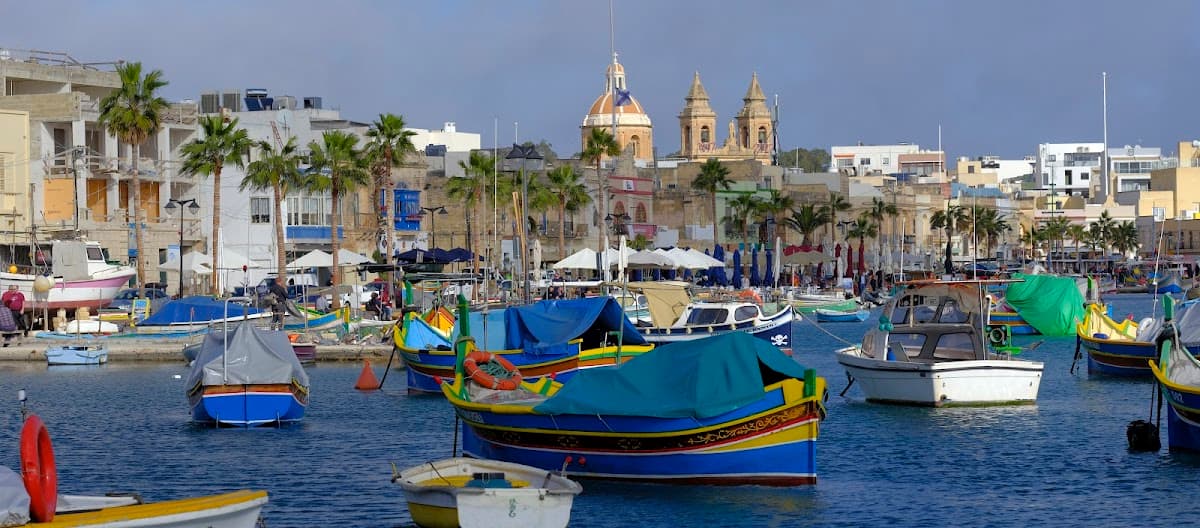
Handshakes on first meeting, kisses on both cheeks among friends and acquaintances. Maltese people are famously warm and social — don't be surprised if a stranger strikes up a full conversation about where you're from within 30 seconds.. The luzzu boats (traditional fishing boats with painted eyes on the bow) are a living symbol of Maltese culture, not just a photo prop.
Marsaxlokk fishermen still use them daily. Watching the Sunday morning fish market is one of the most authentic things you can do on the island.. Cannabis was legalized for personal home use in 2021 for Maltese residents, but smoking in public is illegal and carries fines.
Possession of up to 7g in public for personal home use is legal for residents only — tourists should treat it as illegal. The airport has excellent detection technology.. Malta drives on the left (a British colonial legacy shared with only Ireland, Cyprus, and the UK in Europe).
Driving standards are notoriously chaotic. Traffic in urban areas during rush hour is genuinely bad. Using Bolt or eCabs is significantly less stressful than renting a car for city exploration..
Restaurant culture is relaxed and Mediterranean — meals are long, social affairs. It is customary to wait for the host or for everyone to be served before starting to eat. Complimenting the food genuinely goes a long way..
Malta is consistently ranked as one of the most LGBTQ+-friendly countries in Europe, topping the ILGA-Europe rainbow index, with full legal equality and same-sex marriage. Public displays of affection in tourist and urban areas are a non-issue. Smaller inland villages are more conservative, but openly hostile behavior is rare..
The Maltese are expressive and direct conversationalists. Locals use fillers like 'mela' and 'ta' constantly in speech — don't be thrown off. They often mix Maltese, Italian, and English mid-sentence without thinking about it.
Safety
VERY SAFE, WATCH TRAFFIC
Malta consistently ranks in the top 25 safest countries in the Global Peace Index, ahead of the UK, France, and Italy. Violent crime against tourists is very rare. The main risks are petty theft (phones snatched from café tables, pickpocketing on crowded bus routes — particularly the X2, 13, 14, 15, and 16 lines between Valletta, Paceville, Sliema, and St.
Julian's), beach theft in summer (never leave belongings unattended while swimming), and overpriced taxis (use Bolt or eCabs instead). In Valletta and the Three Cities, you can walk safely even late at night. Paceville between midnight and 4am is rowdy — police presence is heavy, but it's chaotic.
Solo women: Malta is generally very safe, including walking alone at night in Sliema and Valletta. Paceville late-night warrants the usual European party-district awareness. Watch for the 'Bird Man' scam at Upper Barrakka Gardens (someone places a parrot on your shoulder then demands €10–20) and 'free' bracelet offers in tourist squares.
Statistically, the biggest actual risk in Malta is traffic — roads are in poor condition, local driving standards are genuinely poor, and accidents are common. Wear seatbelts, drive slowly and carefully, and remember to keep left. At the beach, watch for undercurrents (the Mediterranean can be unpredictable), follow flag warnings, and be cautious on slippery rocks near swimming holes.
Drug laws are strict: cannabis personal home use was legalized for residents only, but tourists face the same penalties as before. Airport security technology is advanced. Emergency services: dial 112 for police, fire, or ambulance — free from any phone.
Getting Around
BUSES & FERRIES CHEAP
Malta's public bus network (Tallinja) covers the whole island and is remarkably cheap. A single journey is €2.00 (winter) or €2.
50 (summer). The 7-day unlimited Explore Card costs €25 and is excellent value if you're riding daily. The main downside: almost all routes funnel through Valletta, making cross-island trips slow — a 15-minute car journey can take 45–60 minutes by bus with a transfer.
The Valletta–Sliema ferry runs for €2.00 each way (non-cardholders) and is far faster and more pleasant than the bus for that specific crossing. For the Gozo ferry, foot passengers board at Ċirkewwa in northern Malta — the 25-minute crossing is free for Maltese residents.
For ride-hailing, Bolt and eCabs are the standard apps — significantly more transparent than unmetered taxis. Always agree on a price before getting in a white taxi without a meter, or just use Bolt. Airport to Sliema runs roughly €20–25 by app.
Malta drives on the LEFT. Road standards are poor, driving behavior is chaotic, and parking in urban areas is a genuine challenge. Traffic during rush hour in the Sliema–Valletta corridor is notoriously bad.
For getting around Gozo, renting a car or scooter makes much more sense than relying on buses. Cycling has very limited infrastructure and is not recommended for main roads.
Useful Phrases
Explore Cities
Explore the Region
Malta Itineraries
View all
Four Adventurous Days Across Malta’s Islands
Weekend · $$$
Slow Adventures & Seaside Charm in Malta
Weekend · $$$
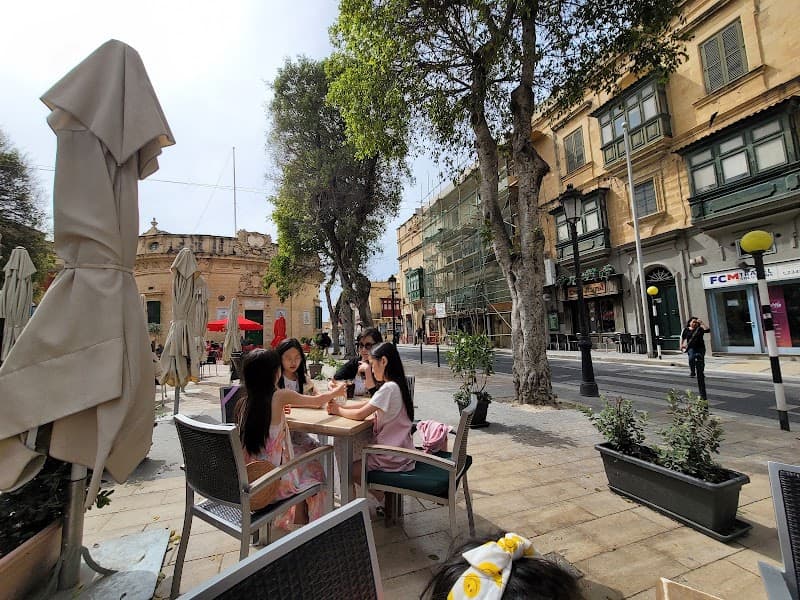
Seven Days of Gozo: Cliffs, Caves, Temples, and Budget Eats
Week · $
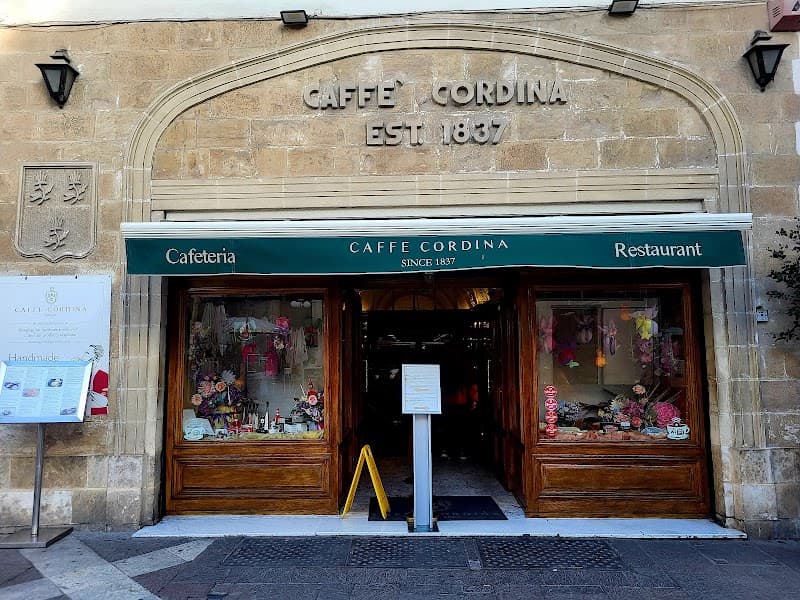
Valletta on a Shoestring: A Walkable Weekend of History and Flavor
Weekend · $
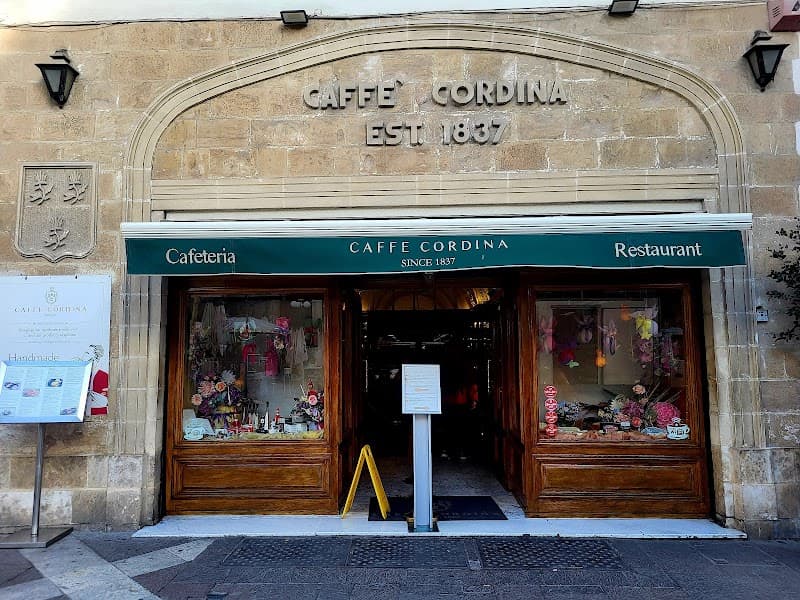
Five Balanced Days of Maltese Adventure & Coastal Charm
Weekend · $$
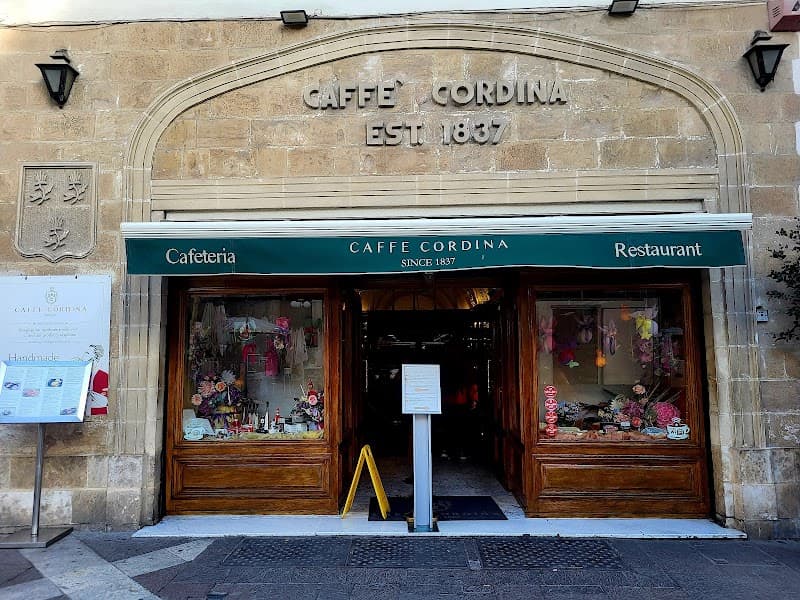
Seven Slow Days in Sunlit Valletta & Harbour Shores
Week · $$
Money-Saving Tips
- 1.Buy bus day passes for €1.50 instead of paying €2 per ride - they're valid until midnight
- 2.Eat pastizzi from local bakeries (€0.50) instead of hotel breakfast (€15+)
- 3.Visit museums on the first Sunday of each month for free entry to most Heritage Malta sites
- 4.Book ferries to Gozo online for small discounts and guaranteed spots during summer
- 5.Shop at Lidl or Pavi supermarkets rather than tourist-area convenience stores
- 6.Happy hour runs 5-7pm at most bars with 2-for-1 cocktails
- 7.Rent cars from local companies like Europcar Malta for better rates than international chains
- 8.Pack reef-safe sunscreen - it's €20+ in Malta vs €5 at home
Travel Tips
- •Download the Tallinja app for real-time bus tracking - it actually works
- •Bring water shoes for rocky beaches and sea urchin protection
- •Learn basic Maltese greetings - 'bongu' (good morning) opens doors
- •Book restaurants in Valletta ahead - many close unexpectedly for private events
- •Pack a light jacket even in summer - sea breezes can be surprisingly cool
- •Carry cash - many small businesses don't accept cards
- •Respect dress codes at churches - covered shoulders and knees required
- •Check ferry schedules to Gozo before planning day trips - they reduce frequency in winter