
Valencian Community
Spain's Mediterranean jewel of beaches, paella and vibrant culture
Spain's eastern coast holds one of Europe's best-kept secrets. The Valencian Community stretches along 500 kilometers of Mediterranean coastline, where ancient history meets modern Spanish life. Valencia city anchors this region with its futuristic City of Arts and Sciences rising from medieval streets. But venture beyond the capital and you'll find Alicante's castle-crowned beaches, Castellón's quiet fishing villages, and inland towns where paella was actually invented.
This isn't just another Spanish beach destination. The Valencian Community invented paella, perfected horchata, and somehow manages to balance 2,000 years of history with cutting-edge architecture. You can explore Roman ruins in the morning, eat authentic paella for lunch (not the tourist version), and dance until dawn in Valencia's legendary nightlife scene.
Culture & Context
PAELLA, FALLAS & PRIDE
Valencia is Spain's third-largest city and the capital of the Valencian Community, a region with its own co-official language (Valencian, a dialect of Catalan), distinct identity, and cultural pride that runs deep. This is not Barcelona — it is less self-consciously edgy and considerably more relaxed. The city sits on a Mediterranean coastline with over 300 days of sunshine a year and a food culture that gave the world paella (the original, with chicken and rabbit, not the seafood version).
Las Fallas — a UNESCO Intangible Cultural Heritage festival combining monumental street art, satirical sculpture, pyrotechnics and communal celebration — is the clearest window into how Valencians see themselves: creative, irreverent, loud, and intensely communal. The City of Arts and Sciences, designed by Santiago Calatrava and Félix Candela, represents the modern city's ambitions. The Turia Gardens — a 9km park built in a former riverbed after devastating 1957 floods — is the city's lung and social backbone.
Valencia consistently ranks among Europe's top cities for quality of life, ahead of all other Southern European cities on Numbeo's index. It has attracted a significant wave of digital nomads and expats in recent years, which has raised rents but also diversified the food scene and café culture considerably. The city is bicycle-friendly, walkable, and genuinely welcoming to outsiders who make an effort.
Local Customs
LUNCH IS SACRED
Lunch is the main meal of the day, eaten between 2pm and 4pm. Dinner rarely starts before 9pm. Turn up at a restaurant at 7pm and you may get a confused look..
The menu del día (three courses plus drink) is a working lunch institution, available Monday–Friday in most restaurants outside the tourist belt. Never skip it.. Always greet everyone when entering a small shop, bar or lift — a simple 'hola' or 'bon dia' goes a long way.
Walking in without acknowledging people reads as rude.. Tipping is not obligatory and locals rarely do it. Rounding up or leaving €1–2 for good service is appreciated but never expected..
On October 9 (Valencian Community Day), men traditionally give women a Mocadora — marzipan sweets wrapped in a handkerchief. It is the Valencian Valentine's Day.. The Tribunal de les Aigues (Water Tribunal) has met every Thursday at noon at the Puerta de los Apóstoles of Valencia Cathedral for over a thousand years to settle irrigation disputes.
It is UNESCO-listed and completely free to observe.. The mascletà during Las Fallas (daily at 2pm in Plaza del Ayuntamiento, March 1–19) is not just fireworks — it is a percussive gunpowder symphony felt in your chest. Locals take it very seriously.
Do not talk through it.. Valencian and Spanish are both official languages. Street signs, menus and official communications may be in either or both.
Making an effort with even basic Valencian phrases earns instant goodwill — locals are genuinely delighted when foreigners try.. Outdoor alcohol consumption is restricted — drinking in the street is banned except at registered café and bar terraces. Follow local signals on this..
Watch for the terrace supplement (about 10%) that some restaurants add for outdoor seating. It is legal but often not clearly advertised. Check before you sit outside.
Safety
WATCH YOUR POCKETS
Valencia scores a safety index of 68.9 and crime index of 31.1 on Numbeo (2026) — solidly safe by global and European standards.
The US State Department rates Spain Level 2 (exercise normal caution), and Valencia is considered safer than many comparably sized cities worldwide. Streets stay active late into the evening, which naturally increases safety. The main risks are: pickpocketing and distraction-based scams in crowded tourist areas (Mercado Central, El Carmen, the metro), fake-police scams (real Spanish police never ask to inspect your wallet on the street), and the 'spilled condiment' scam in the old town and market areas.
Keep bags in front of you in crowds, use a cross-body bag, and split your valuables. Solo female travelers generally report feeling safe in central areas at night. Avoid isolated streets in El Carmen late at night if alone.
Use licensed taxis or ride-hailing apps (Uber and Cabify operate here) after midnight rather than unlicensed drivers. Valencia's historic centre, Plaza de la Virgen area, the City of Arts and Sciences complex, and Turia Gardens are all very safe zones. Tap water is safe to drink by EU standards but heavily chlorinated — locals often use filters.
Note: Valencia's coast is prone to severe autumn storms and flash flooding (the region experienced catastrophic flooding in late 2024). Always check AEMET weather warnings, especially September through November. Emergency number: 112.
Getting Around
METRO & BIKE
Valencia has a fully integrated public transport network covering metro (Metrovalencia — 6 lines), trams (4 lines), EMT city buses (red, 43 urban lines), and Metrobus (yellow metropolitan buses). One SUMA card covers all modes. Single ticket Zone A (city centre): €1.
50. Bus single from driver: €2.00.
The Tourist Card is worth it if you plan to move around: 24h €15, 48h €20, 72h €25 — includes unlimited metro, bus, tram (zones AB including airport) plus free entry to 14 municipal museums. Metro lines 3 and 5 connect Valencia Airport (VLC) to the city centre in about 20 minutes, with trains every 15–20 minutes. Daytime metro runs 4am–11:30pm weekdays, 5am–12:30am weekends.
Night buses (búho) run until 2am weekdays and 3:30am weekends. The Valenbisi bike-share system costs €13 for a weekly pass plus a €3 card fee — great for the Turia Gardens route to the City of Arts and Sciences. Many central areas (El Carmen, historic centre) are best explored on foot.
Bus 25 from the centre reaches Albufera Natural Park in around 40 minutes. Metro bus 150 from Terminal T1 Level 0 connects the airport to the centre in about 45 minutes as an alternative to the metro. Old magnetic tickets are being phased out entirely by end of 2026 — get the SUMA card.
Failing to validate your ticket carries fines over €100.
Useful Phrases
Explore Cities
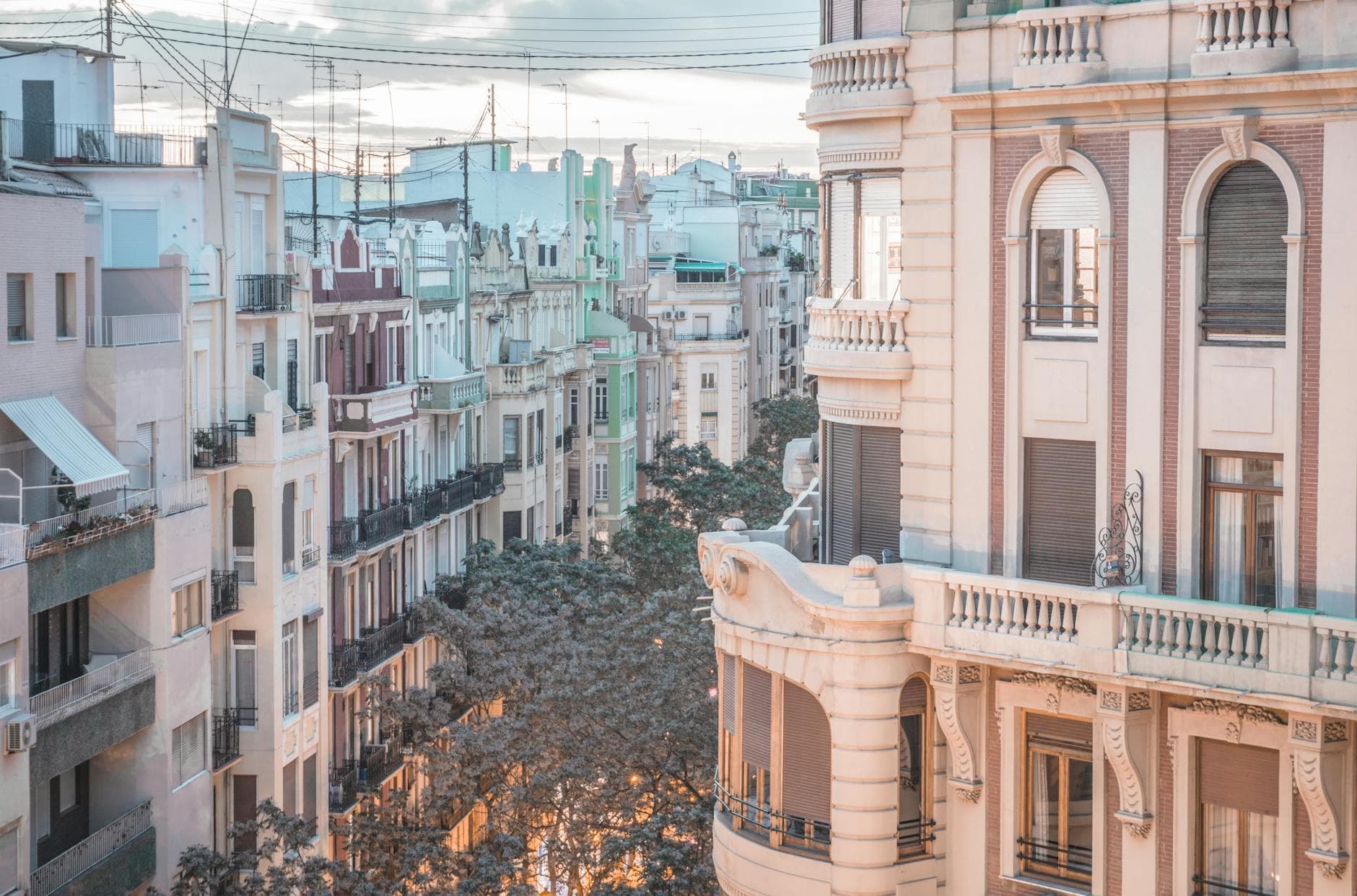
Explore the Region
Valencian Community Itineraries

Money-Saving Tips
- 1.Valencia's Central Market sells fresh produce at half the price of supermarkets - buy oranges for €1/kg versus €3/kg in stores
- 2.Many museums offer free entry on Sunday mornings - Valencia's IVAM contemporary art museum is free until 2 PM
- 3.Beach parking costs €1-2 per hour, but residential streets 5 minutes inland offer free parking with short walks
- 4.Lunch menus (menú del día) at local restaurants cost €12-15 and include 3 courses plus drink - tourist areas charge €25+ for the same
- 5.Buy train tickets online through Renfe app for 20% discounts on advance bookings
- 6.Municipal swimming pools cost €3-4 entry versus €15+ at beach clubs, and many have Olympic-size pools
- 7.Supermarket chains like Mercadona offer quality Spanish wine for €2-3 per bottle - restaurant markups can be 300%
- 8.Valencia's bike-sharing system Valenbisi costs €13.43 per week with 30 minutes free per trip
Travel Tips
- •Learn basic Spanish greetings - English isn't widely spoken outside Valencia city center and major beach resorts
- •Restaurants close between 4-8 PM - plan lunch before 3:30 PM or wait until evening service starts
- •Bring reef-safe sunscreen - many beaches now ban chemical sunscreens that damage marine ecosystems
- •Download offline maps before exploring - mobile coverage can be spotty in mountain areas and some coastal towns
- •Pack layers for spring and fall - Mediterranean weather can swing 15°C between morning and afternoon
- •Book accommodations early for Las Fallas festival (March) - the city fills up and prices triple
- •Carry cash for small restaurants and bars - many don't accept cards for purchases under €10
- •Respect siesta time (2-5 PM) - shops close and streets empty, but it's perfect for beach time or museum visits
Frequently Asked Questions
BUILD YOUR
VALENCIAN COMMUNITY PLAN
Insider picks, smart timing, and a plan ready when you are.
Start Planning