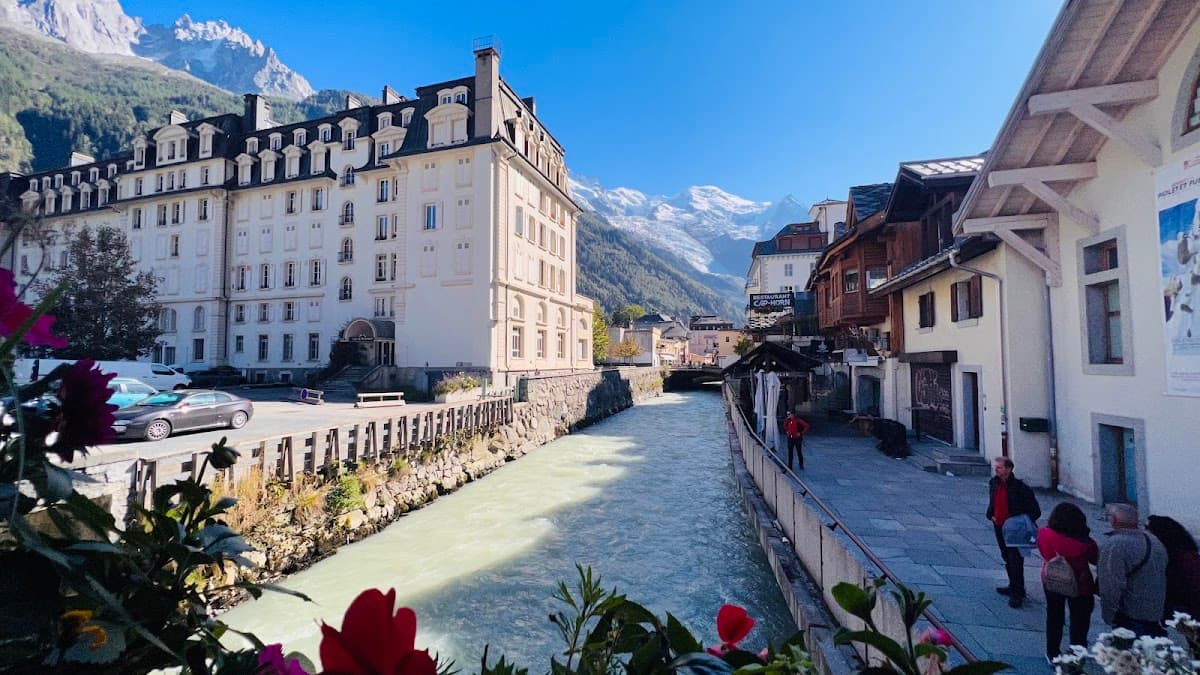
Chamonix
Alpine adventure capital beneath Mont Blanc's towering peaks
Look, Chamonix isn't just another ski resort. This is where extreme skiing was born, where the first Winter Olympics happened, and where Mont Blanc looms over everything like nature's own skyscraper. The town sits at 1,035 meters in the French Alps, but the skiing stretches up to 3,842 meters on the Aiguille du Midi. Here's the thing about Chamonix – it's not for beginners pretending they can handle black runs. This place rewards the bold and humbles the cocky. But if you can handle the terrain, you'll find some of the most legendary skiing on the planet, plus a town that knows how to celebrate after a big day on the mountain.
Best Months
JAN · FEB · MAR · JUN · JUL · AUG · SEP · DEC
~12°C · high crowds
Culture & Context
ALPINISM MEETS TOURISM
Chamonix sits at 1,035m in the Haute-Savoie department, pinned against the French side of the Mont Blanc massif where France, Italy, and Switzerland converge. It hosted the first Winter Olympics in 1924 and has been a magnet for alpinists since two young English aristocrats visited in 1741 and subsequently published accounts that triggered the original wave of mountain tourism. The valley is divided into 16 communes and hamlets, not a purpose-built resort, which gives it genuine texture — real boulangeries, local politics, a Savoyard food culture built around Reblochon cheese and mountain charcuterie.
The dominant language is French, though the service industry is heavily multilingual because roughly 60% of UTMB runners alone are foreign nationals, and the overall tourism base is deeply international. There is a permanent tension between Chamonix's identity as a serious mountaineering and alpinism hub (the guides' company is the oldest in the world) and its increasing profile as an international ski-and-après resort destination. Locals are proud of the former and occasionally weary of the latter.
The glacier situation is visibly changing: the Mer de Glace has retreated dramatically and continues to do so, and this is a topic locals take seriously. Don't treat it as just a photo backdrop.
Local Customs
BONJOUR ALWAYS, GUIDES REQUIRED
Always greet shopkeepers and restaurant staff with 'Bonjour' when entering and 'Au revoir' when leaving. This applies to tiny mountain cafés and five-star hotels equally. Skipping it creates immediate friction..
Use 'vous' (formal you) with everyone until they invite you to switch to 'tu'. Staff, guides, and strangers you just met are all 'vous' territory. Among friends or at parties, you might hear 'On peut se tutoyer?
' as an invitation to go informal.. La bise — the cheek greeting — is common between acquaintances. Don't initiate it; follow the local's lead.
If you're unsure, a warm smile and a handshake is always acceptable. The number of kisses varies by region: around Chamonix, two is standard.. Service charge is included in restaurant bills in France.
Small extra coins are appreciated but a 20% American-style tip will confuse staff. Leave a few euros for excellent service and don't overthink it.. The French take bread seriously.
It goes directly on the tablecloth, not on a side plate. Tear pieces by hand rather than cutting. And never place bread upside down — it's considered bad luck by older locals..
Dining pace is slower by design. Don't flag down a waiter to rush the bill unless you're genuinely in a hurry. The meal is the event, not a transaction..
Off-piste skiing in Chamonix requires a qualified guide. The terrain is genuinely serious — avalanche risk is real, crevasses are real, and the mountain does not forgive improvisation. Going out with someone who just seems confident is not enough..
During UTMB week (late August), the entire valley runs on race time. Roads close, buses reroute, and central Chamonix becomes a controlled corridor. Book accommodation early (12+ months out) and accept that minimum stays of 5–7 nights are non-negotiable at most properties..
The Aiguille du Midi cable car queues can be very long during peak summer months. Book timed tickets online in advance through the Compagnie du Mont-Blanc website. Showing up at 11am in July expecting a walk-on ticket is optimistic..
Weather changes fast at altitude. The tourist office blackboard near Place du Triangle is genuinely updated daily with conditions and lift closures. Check it before heading up the mountain.
Safety
MOUNTAINS DEMAND RESPECT
Crime is genuinely low in Chamonix. Petty pickpocketing can occur during peak event weeks when the town is packed, so keep valuables out of sight in crowds around the finish line area during UTMB. The real safety concerns are mountain-specific.
Going off-piste without a qualified local guide is the main risk for skiers and snowboarders — avalanche terrain is serious and the crevasse risk on glaciated routes is not theoretical. Always check local avalanche bulletins before heading into the backcountry. Rock falls and landslides are also real hazards on summer trails; stick to marked paths during and after heavy rain.
The Aiguille du Midi cable car operates at 3,842m — altitude sickness can affect visitors who come straight from sea level, especially if they're rushing around and exerting themselves. Drink water, ascend gradually, and don't ignore headaches or nausea. The cable car also closes when winds exceed safe operating limits, which happens without much warning.
Always have a backup plan for your mountain day. For emergencies: French emergency number is 15 (SAMU medical), 17 (police), 18 (fire/rescue), or the single European number 112. Mountain rescue is handled by the PGHM (Peloton de Gendarmerie de Haute Montagne) — experienced, fast, and free at point of rescue, though your travel insurance still needs to cover it.
Getting Around
TRAIN & GUEST CARD
Geneva Airport is the main gateway, around 1 hour away by shuttle or taxi along the A40 Autoroute Blanche. Shared shuttles run regularly and cost significantly less than private taxis. From Paris, the TGV from Gare de Lyon reaches Saint-Gervais-les-Bains, where you transfer onto the Mont Blanc Express — a narrow-gauge train that runs hourly through the valley stopping at Chamonix and continuing to Martigny in Switzerland.
The Mont Blanc Express is the backbone of valley transport and is free between Servoz and Vallorcine if you have a Carte d'Hôte from your accommodation. Get this guest card from your hotel or chalet host on arrival — it also unlocks the valley bus network at no cost. The bus system covers the whole valley but runs on complicated schedules; pick up a timetable from the tourist office on Place du Triangle de l'Amitié.
Free navette (shuttle) buses run every 15 minutes during major festivals. Driving in the valley is possible but parking in central Chamonix during peak season is genuinely painful. Underground car parks exist but come with fees.
During events like the Mont-Blanc Marathon or UTMB, entire road sections close. Winter driving requires either snow tyres or chains between late November and early April — this is enforced in France, not advisory. Taxis are available outside the main train station but often disappear after the last train around 20:00.
Book in advance and agree on the price upfront.
Useful Phrases
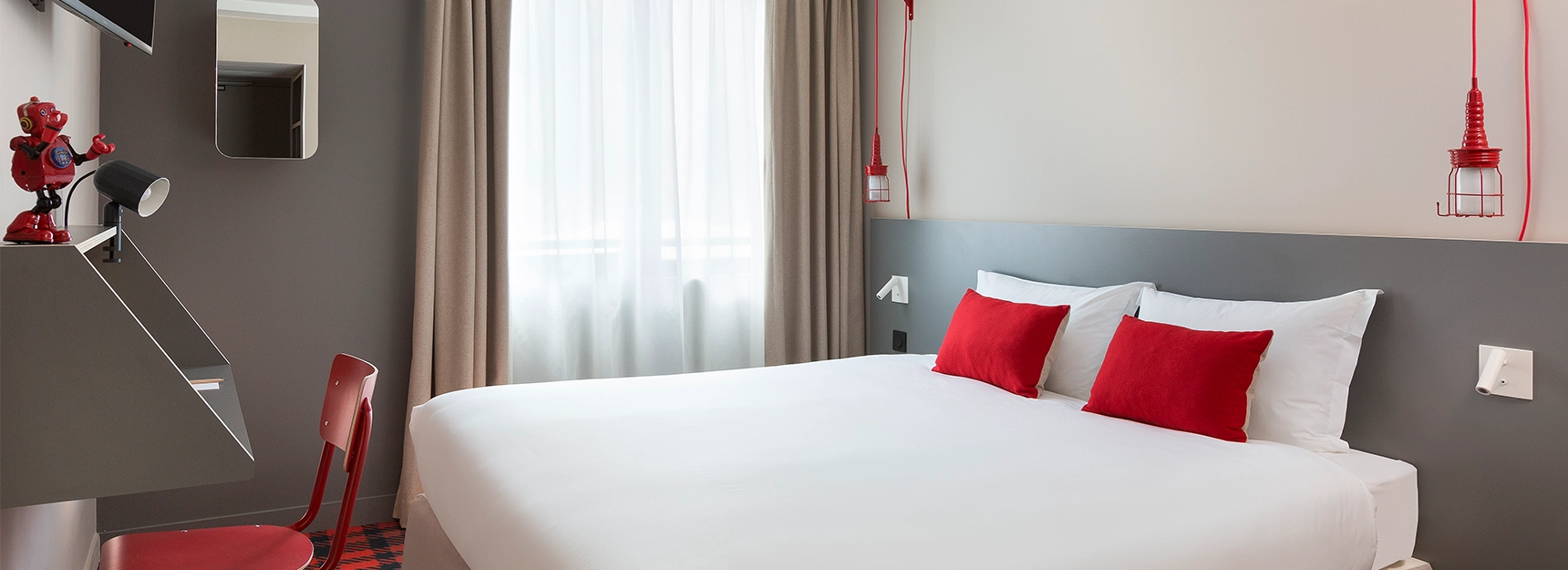
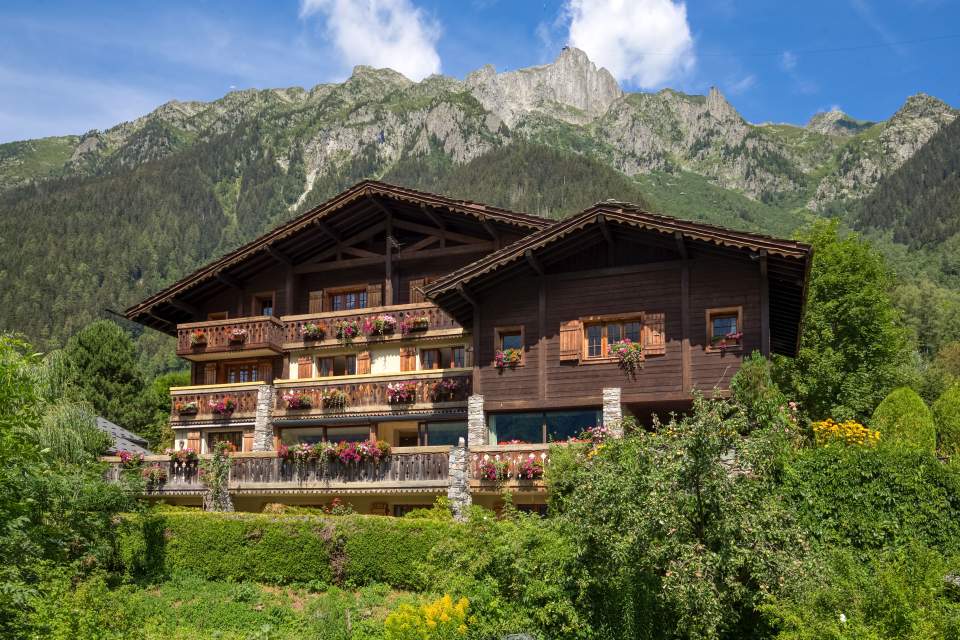
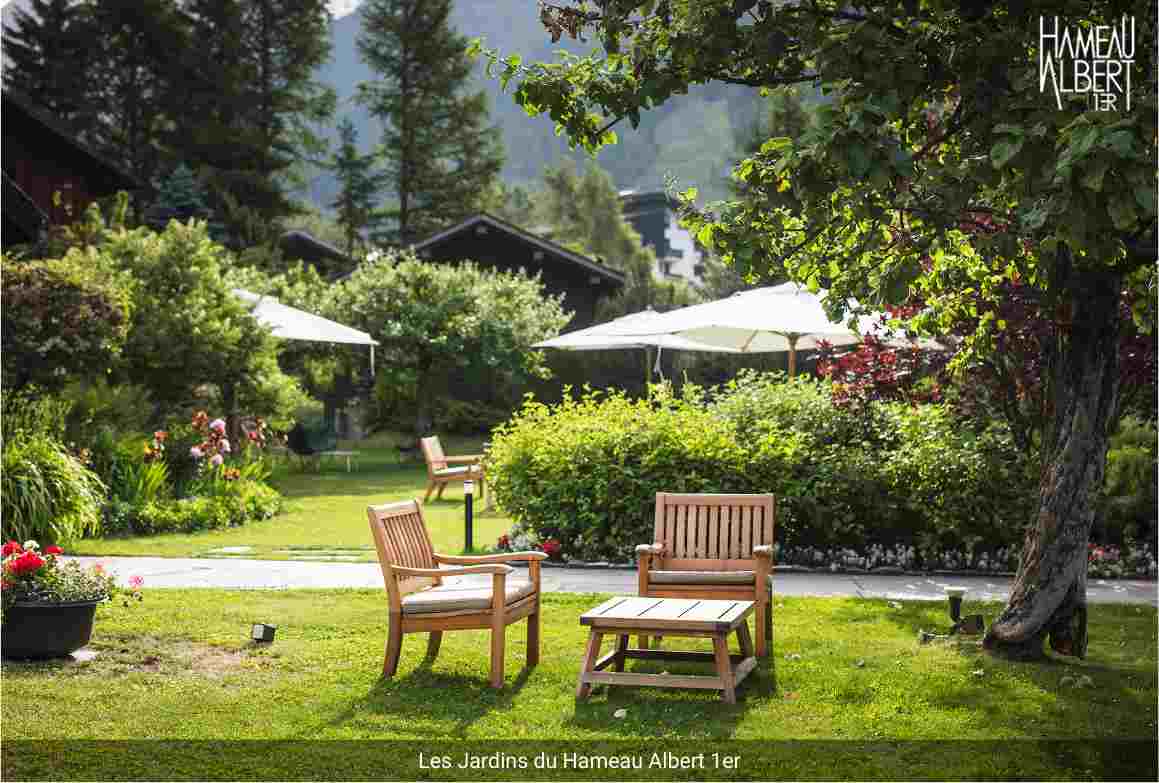
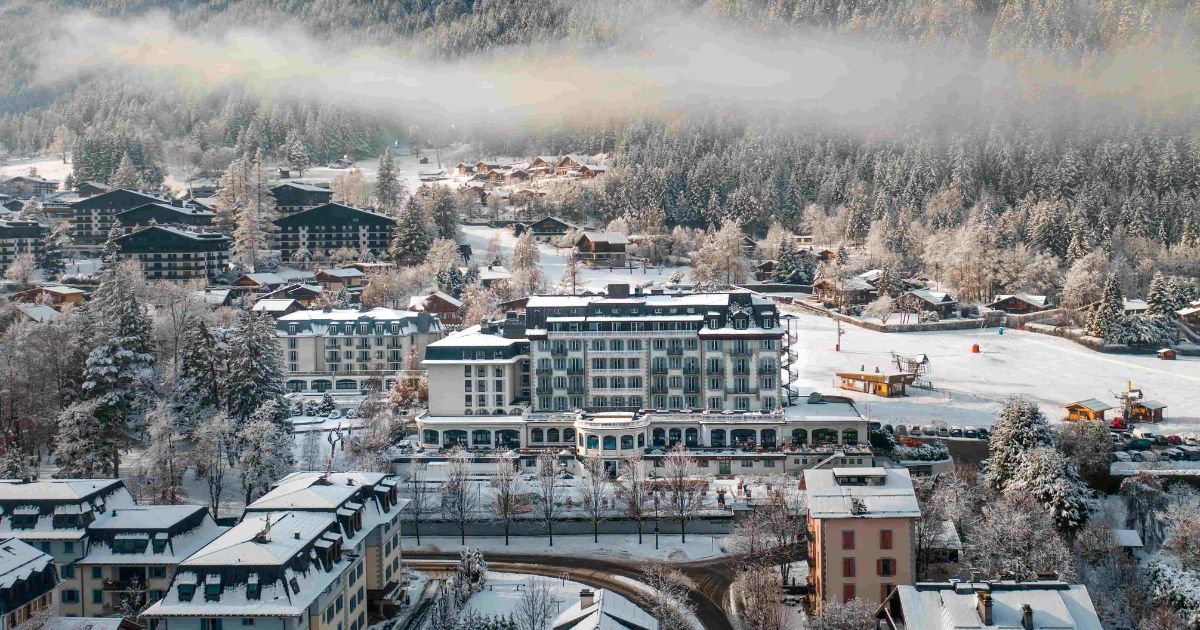
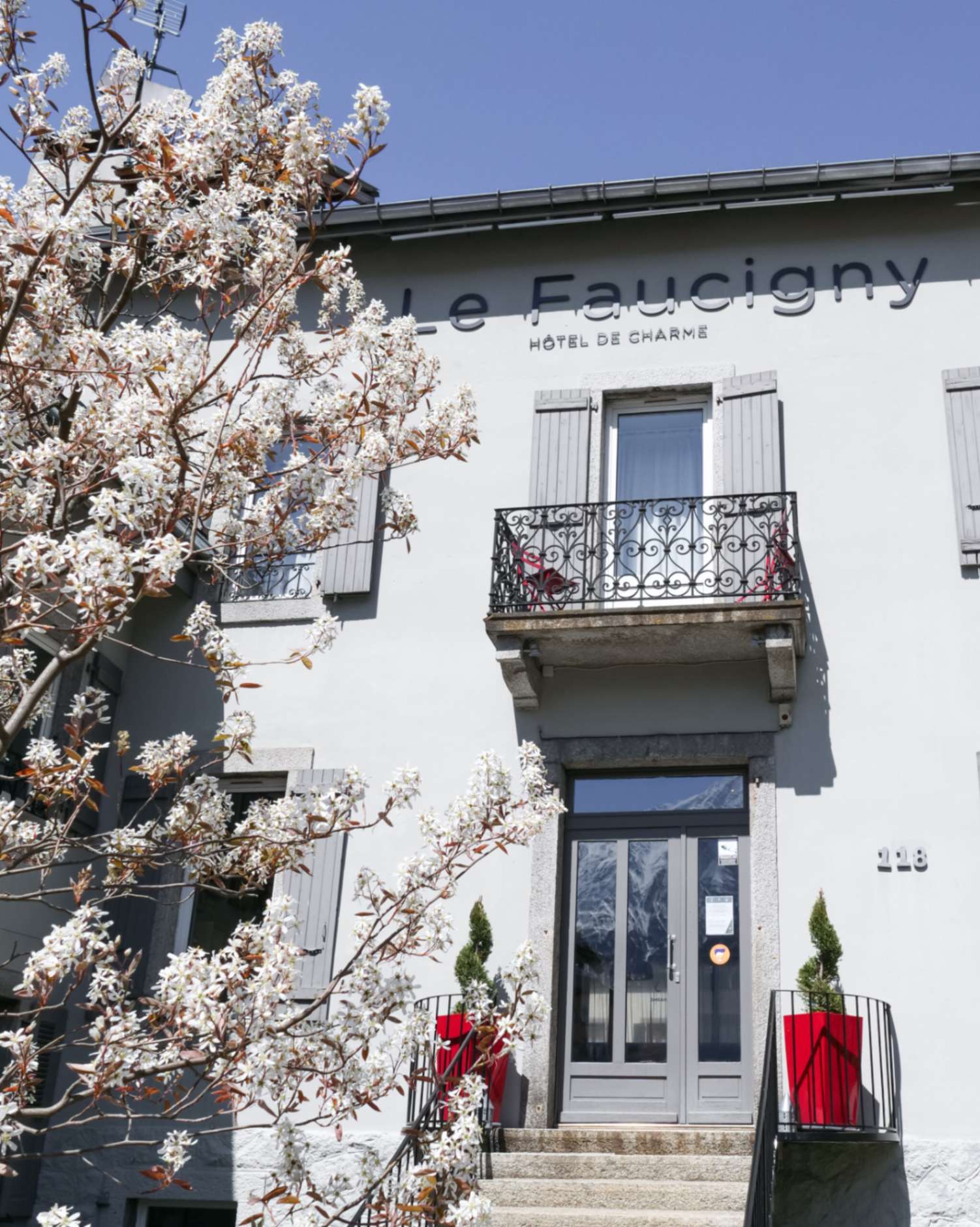
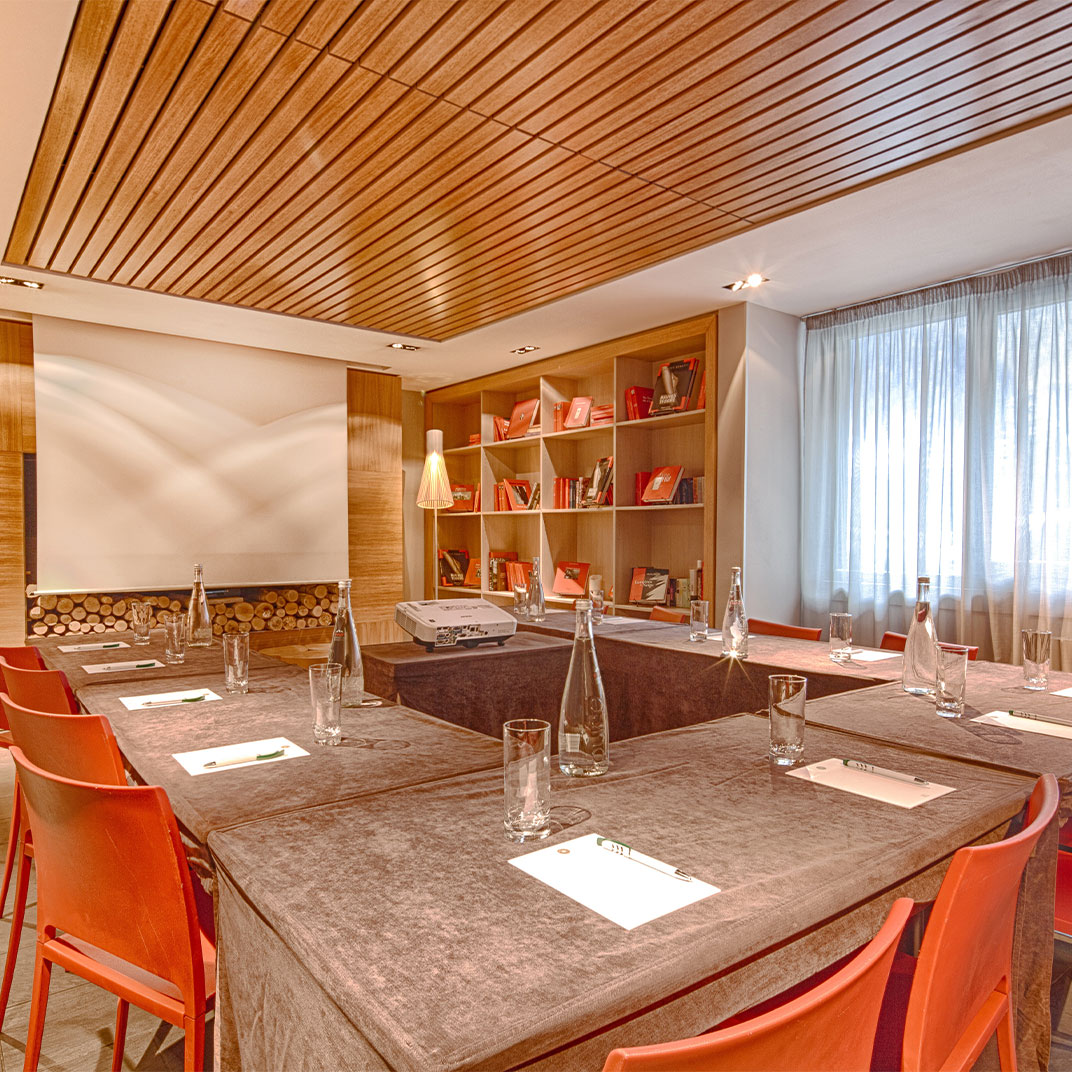
Where to Stay in Chamonix
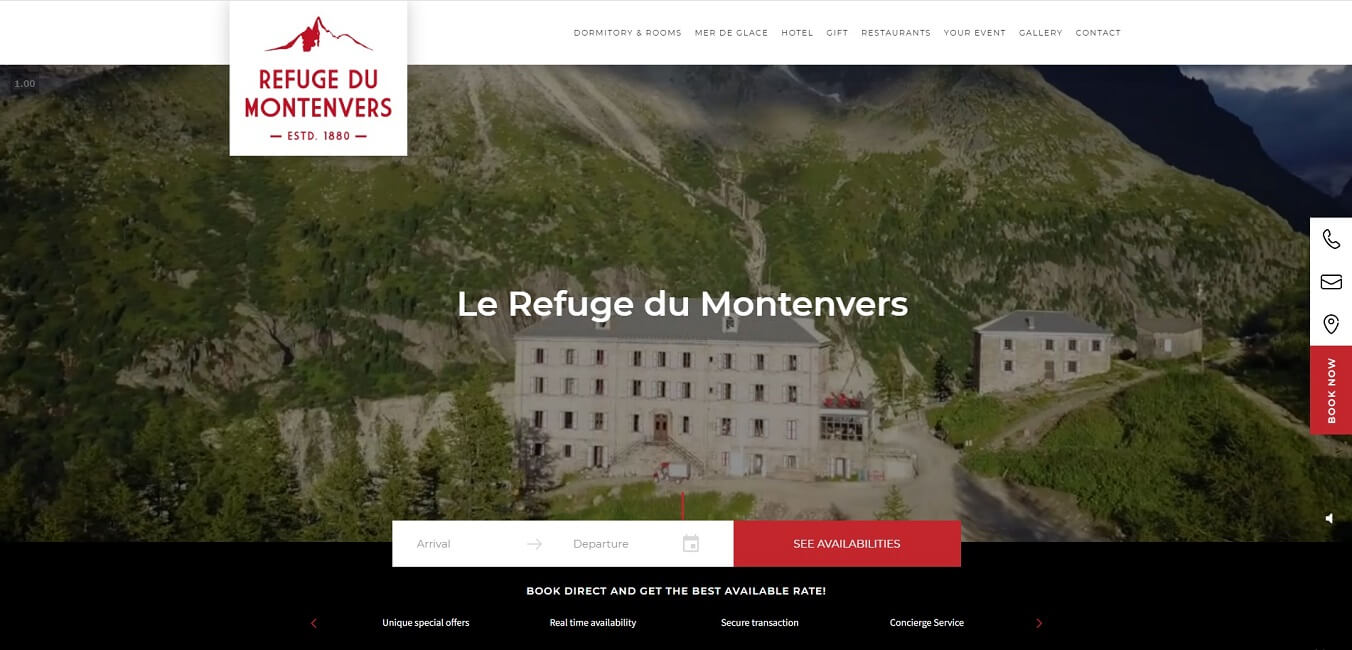
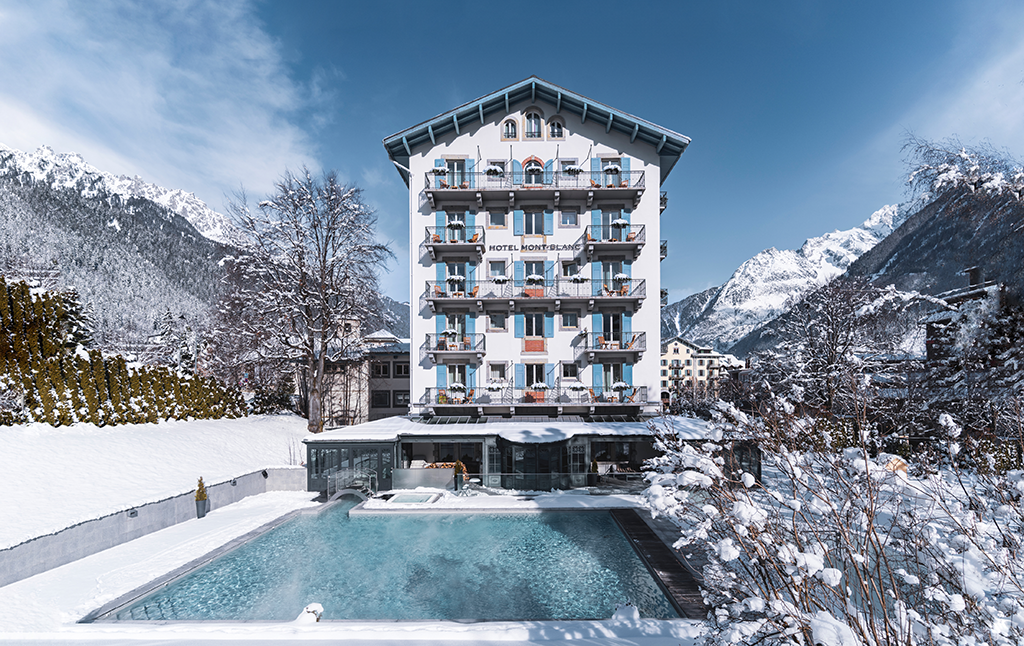
9 recommended properties
Money-Saving Tips
- 1.Buy lift passes online in advance for 10-15% discounts, especially for multi-day passes
- 2.Eat lunch at mountain huts instead of resort restaurants – expect €15 vs €25 for similar meals
- 3.Stay in Les Praz or Argentière instead of Chamonix center to save €100+ per night on hotels
- 4.Take the free shuttle buses between ski areas instead of paying for parking (€25/day in town)
- 5.Buy groceries at Carrefour or Super U instead of resort shops – prices are 40% lower
- 6.Book accommodation for shoulder season (early December or late March) for half the peak prices
- 7.Consider apartment rentals with kitchens for stays longer than 3 nights to save on dining
- 8.Skip the expensive Aiguille du Midi if you're not skiing Vallée Blanche – the views aren't worth €74 for sightseeing alone
Travel Tips
- •Hire a guide for off-piste skiing – the terrain is serious and avalanche risk is real
- •Bring proper alpine skiing equipment; rental shops charge €45/day for high-end gear
- •Download the Chamonix app for real-time lift status and weather updates
- •Book restaurants in advance during peak season – popular spots fill up by noon
- •Carry cash – many mountain huts and smaller bars don't accept cards
- •Pack altitude sickness medication if you're sensitive – some lifts reach 3,800+ meters
- •Learn basic French phrases – English isn't as common as other Alpine resorts
- •Check lift schedules carefully – some close for lunch and weather conditions change quickly
- •Bring sunglasses and sunscreen – UV exposure at altitude is intense even on cloudy days
- •Consider travel insurance that covers off-piste skiing and helicopter rescue