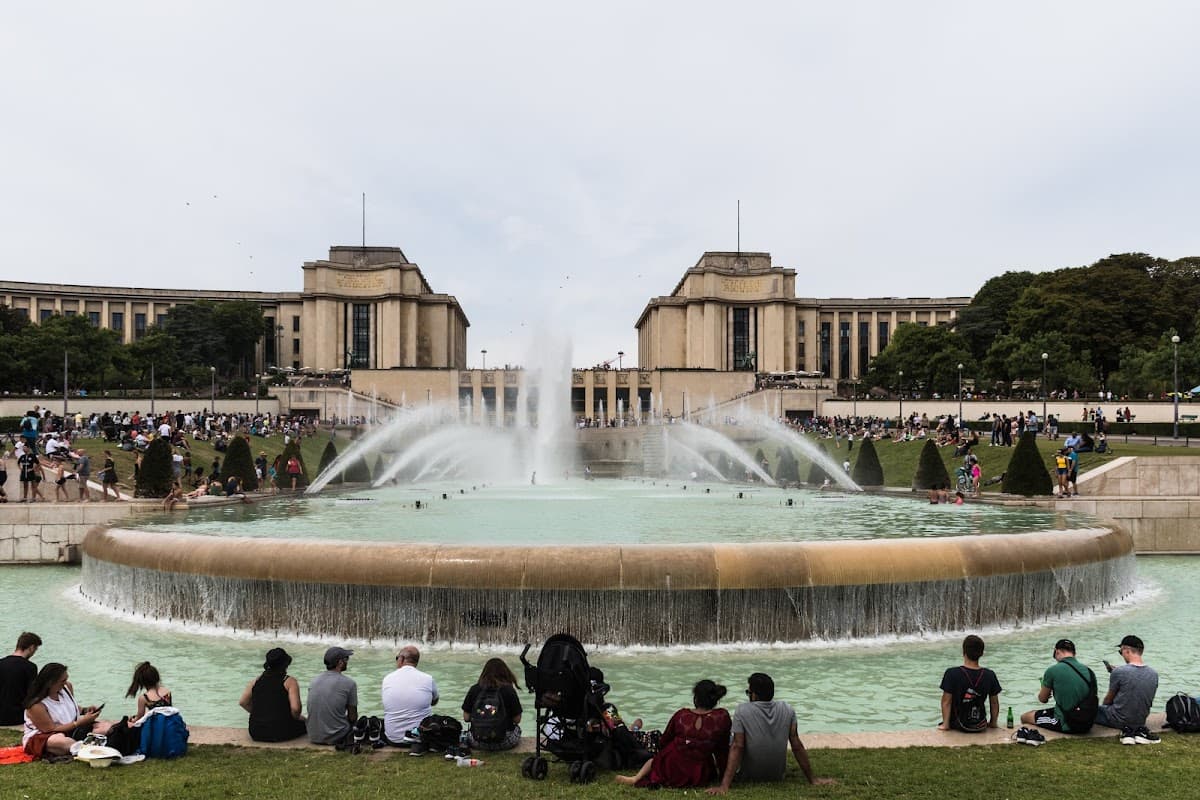
Paris & Île-de-France
French capital region blending urban sophistication with royal heritage
Paris hits different than anywhere else on earth. Sure, you've seen the Eiffel Tower a thousand times on Instagram, but standing underneath it at sunset while someone plays accordion nearby? That's when you get it. This isn't just a city — it's a feeling wrapped in cobblestones and café culture.
The Île-de-France region gives you the full French experience. Royal châteaux an hour outside the city. Monet's garden in Giverny. Disneyland Paris for the kids. But honestly? You could spend weeks just wandering Paris neighborhoods and never get bored.
Look, Paris can be expensive and the locals have a reputation for being... particular. But here's what they don't tell you: Parisians respect effort. Try a "bonjour" before launching into English. Queue properly. Don't wear flip-flops to dinner. Do that, and you'll find a city that rewards curiosity with some of the best food, art, and people-watching on the planet.
Best Months
APR · MAY · JUN · SEP · OCT
~19°C · high crowds
Culture & Context
FORMALITY THEN WARMTH
Paris is a city that rewards people who slow down and pay attention. It's not rude, it's just on a different frequency. The whole interaction style here is built on formal politeness first — then warmth comes after, not before.
Parisians genuinely believe their city is one of the greatest on earth, and honestly, they're not wrong. The flip side is that they expect you to make a small effort. Say bonjour, speak softly, sit with your coffee instead of gulping it on the go.
That's it. You'll get a completely different experience than the tourist who charges in speaking loudly and assumes everyone speaks English. Food is taken seriously here in a way that's hard to explain until you've sat through a proper three-course weekday lunch.
The bill doesn't come until you ask because leaving is your decision, not theirs. Service is included by law (service compris has been mandatory since 1985), so tipping is optional — round up or leave €1–2 for good café service, €5–20 for a great restaurant meal. Art, fashion, design, and intellectual discourse are embedded into everyday life.
There are free open-air cinemas in summer, jazz concerts in churches, and massive contemporary art events that transform entire neighborhoods overnight. The downside? Crowds at the main attractions are relentless.
The Louvre queues in peak season can push 90 minutes. The Eiffel Tower area is a pickpocket magnet. And some service workers — particularly at tourist-facing spots — can be brusque if they've had a long day of bad-mannered visitors.
Don't take it personally and don't escalate. It almost always smooths out.
Local Customs
SAY BONJOUR FIRST
Always say 'bonjour' when entering any shop, café, bakery, or small business — before asking for anything. This single habit changes how people respond to you more than anything else. Switch to 'bonsoir' after around 5pm..
The waiter will not bring your bill unprompted. That's intentional — they're not ignoring you, they're giving you the table for as long as you want it. When you're ready, catch their eye and say 'l'addition s'il vous plaît.
'. Tipping is not required. A 15% service charge has been legally included in all prices since 1985.
Rounding up to the nearest euro for a coffee is fine; leaving €5–15 for an excellent restaurant meal is generous and appreciated.. Speak quietly in restaurants, on the metro, and in most indoor public spaces. Parisians notice loud conversations in a way that's hard to miss — and not in a good way..
Coffee at the bar (au comptoir) costs less than coffee at a table. Standard practice for locals grabbing an espresso on the way somewhere.. Don't touch produce at outdoor markets unless there's a self-service section with bags available.
Many vendors prefer to select items for you.. Many shops are closed or have reduced hours on Sundays. Stock up on groceries or essentials Saturday evening if you need them for the next day..
Bread is served with meals but not with butter, and it's not meant as a starter — it comes alongside the food. Don't ask for butter unless you want a puzzled look.. At a dinner table or during apéro at someone's home, serve others before yourself.
A small thing that French hosts notice.. Dress with some intention. Paris is a fashionable city but the Parisian style is more about looking put-together than expensive — simple, clean, not overly casual.
Shorts and flip-flops in nice restaurants will get you treated accordingly.
Safety
WATCH YOUR BELONGINGS
Paris is safe. But it leads Europe in pickpocketing targeting tourists, and that's not an exaggeration. The U.
S. Embassy reports roughly 2,000 American passport thefts per year in Paris alone. The risk is not violence — it's distraction and sleight of hand.
The highest-risk zones are the Eiffel Tower queues (up to 90-minute waits where you're stationary and distracted), the Sacré-Cœur steps (bracelet scammers grab your wrist and demand €10–20 per bracelet — walk away fast and firmly, do not negotiate), the Louvre courtyard, Metro Lines 1 and 6, and the RER B from CDG airport. Three specific scams to know cold: (1) the petition scam — groups approach with clipboards asking you to sign for a charity, an accomplice goes through your bag while you're reading. Just say 'non' and keep moving.
(2) The gold ring — someone 'finds' a ring near you and tries to give it as a gift, then demands money. Walk away. (3) Fake Eiffel Tower ticket sellers near the queue — only buy tickets at tour-eiffel.
fr. Practical habits that work: wear your bag across your chest and in front in crowds, never leave your phone on a café table, don't use your phone near metro doors (grab-and-run is common), keep no more than €50–60 cash in your wallet, and cover the ATM keypad when entering your PIN. Areas that require extra attention at night: around Gare du Nord and Gare de l'Est (fine during the day, grittier after dark), Porte de la Chapelle and Porte d'Aubervilliers in the northern 18th/19th, and the northern suburbs of Seine-Saint-Denis.
If something is stolen, go to the nearest commissariat (police station) and file a report — you'll need it for insurance claims. Emergency: 17 (police), 112 (general emergency). U.
S. Embassy: 2 Avenue Gabriel. British Embassy: 35 rue du Faubourg Saint-Honoré.
Getting Around
METRO & RER CARDS
Paris Metro has 16 color-coded lines and over 300 stations — it covers virtually the entire city and runs from around 5:30am to 1:15am on weekdays, until around 2:15am on Friday and Saturday nights. Paper tickets are gone. Load a Navigo Easy card (€2 for the card) with single rides at €2.
55 each, or skip the card entirely and use the Bonjour RATP app on your phone — tap your phone at the turnstile like a card. The Navigo day pass costs €12.30 (good for unlimited rides from first use until midnight that day).
The weekly Navigo pass is €32.40 but runs strictly Monday to Sunday, so arriving on a Thursday wastes most of it. For stays of four or more days that align with Mon–Sun, it's excellent value.
From CDG airport, the RER B regional train is the right choice — flat rate of €14, stops at Gare du Nord (25 min), Châtelet–Les Halles (28 min), and Saint-Michel–Notre-Dame (30 min). Note: airport trips require a separate 'Paris Region ↔ Airports' ticket, not a standard metro ticket. From Orly, take Metro Line 14 (new extension, replaces the old OrlyBus).
Bus/tram tickets (€2.05) are separate from metro tickets — you can't transfer between the two systems on one ticket without a new validation. Night buses (Noctilien) run 12:30am–5:30am across the city when the metro is closed.
For day trips: Versailles is on the RER C (Line 5 zone), Disneyland Paris on RER A. Both are covered by the weekly Navigo pass. The taxi fixed fare from CDG is €53 to the Left Bank and €60 to the Right Bank — insist on these and refuse bogus surcharges.
Ride-hailing apps (Uber, Bolt) are widely available and often more transparent on pricing. Grand Paris Express Line 18 opens in October 2026 for the southern suburbs — won't affect central Paris navigation. New MF19 trains with air conditioning are rolling out on Lines 3 and 10 by December 2026.
Useful Phrases
Money-Saving Tips
- 1.Museum passes save money only if you're hitting 3+ major sites. The €78 Paris Museum Pass covers 60+ attractions but skip the lines are often worth more than the savings.
- 2.Happy hour (5-8 PM) cuts wine prices in half at most bars. Look for '5 à 7' signs in windows.
- 3.Lunch menus (menu du jour) cost 30-40% less than dinner at the same restaurants. Many top bistros offer €25-35 lunch deals.
- 4.Supermarket wine starts at €3-5 and rivals restaurant bottles that cost €40. Monoprix and Franprix have decent selections.
- 5.Free museum days happen first Sunday mornings monthly (varies by museum). Crowds are intense but admission is €0.
- 6.Picnics save serious money. Grab supplies at covered markets like Marché Saint-Germain rather than tourist-trap delis near monuments.
Travel Tips
- •Learn basic French greetings. 'Bonjour madame/monsieur' before asking questions in English gets you much better service.
- •Restaurant reservations are essential for dinner, even at casual bistros. Call the same day around 2-4 PM when they're prepping.
- •Dress codes matter more than other cities. No shorts in nice restaurants, no flip-flops anywhere except pools. Parisians notice.
- •Tipping is included in bills (service compris) but round up €1-2 for good service at cafés and bistros.
- •Pharmacies (green cross signs) sell better skincare than duty-free and can help with minor health issues. Many pharmacists speak English.
- •Sunday closures are real. Most shops and many restaurants close. Plan museum visits or park walks for Sundays.
- •Strike days (grève) shut down public transport with little warning. Download multiple transport apps and have backup plans.
Frequently Asked Questions
Explore Paris & Île-de-France
BUILD YOUR
PARIS & ÎLE-DE-FRANCE PLAN
Insider picks, smart timing, and a plan ready when you are.
Start Planning