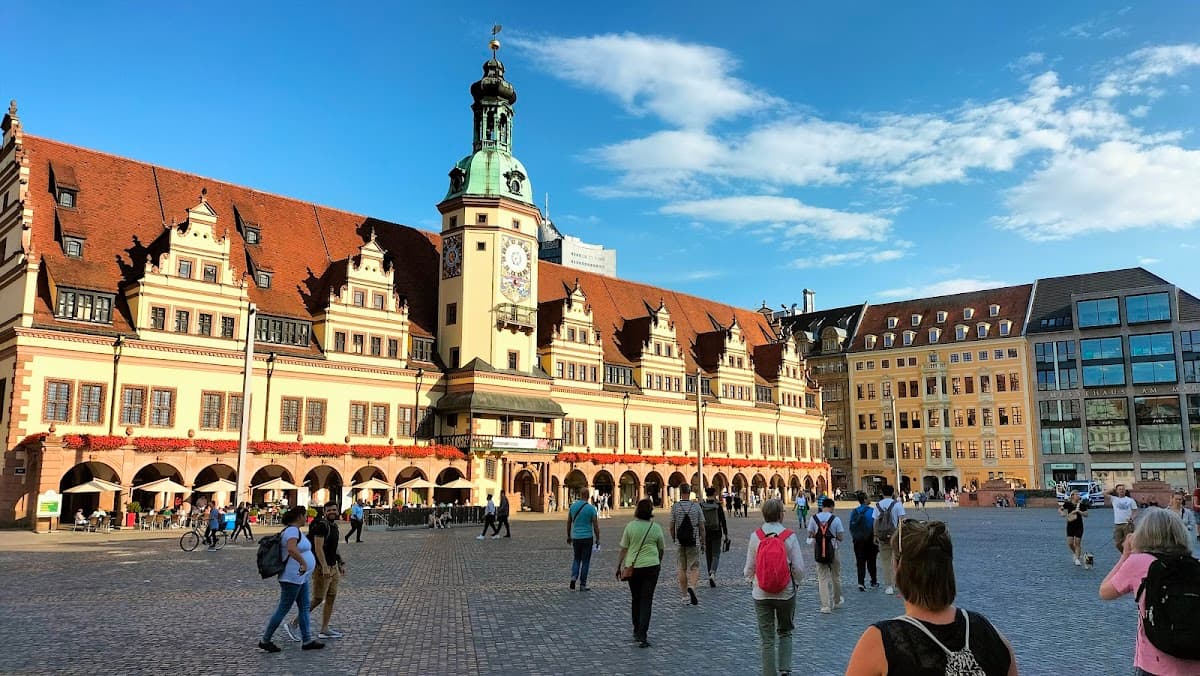
Leipzig
Musical heritage meets revolutionary spirit in eastern Germany
Leipzig doesn't shout for attention like Berlin or Munich. But this eastern German city has stories that shaped history and music that changed the world. Bach composed here. The peaceful revolution that brought down the Berlin Wall started in Leipzig's churches. Today, students fill the cobblestone streets around Germany's second-oldest university, keeping the city young while honoring its past. You'll find world-class opera for the price of a movie ticket and beer gardens where professors debate philosophy until dawn. Here's the thing about Leipzig — it rewards the curious traveler who looks beyond the obvious.
Best Months
MAY – SEP
~21°C · high crowds
Culture & Context
BACH MEETS REVOLUTION
Leipzig carries two identities that don't always sit comfortably together. It's where Bach spent his most productive years and is buried (St. Thomas Church), and it's where the Peaceful Revolution of 1989 took shape — Monday demonstrations at St.
Nicholas Church that helped bring down the Berlin Wall. Those aren't just tourist talking points; locals reference them with genuine pride. The city was part of East Germany until reunification, and that history still shapes the place.
Wages remain lower than western German equivalents, the alternative political scene in Connewitz is partly a response to that economic tension, and there's a visible far-right presence that occasionally surfaces in public discourse. Leipzig is also called 'Klein Paris' (Little Paris) for its historic trade fair culture and the grand merchant arcades that survived the war. The Gewandhaus Orchestra is one of the world's oldest and most respected, and the Opera House on Augustusplatz is genuinely world-class.
The city has grown fast since reunification — population up, rents rising, creative migrants from Berlin moving in — but it hasn't lost its edge yet.
Local Customs
STAMP YOUR TICKET ALWAYS
Validate your tram or bus ticket BEFORE boarding or immediately upon getting on. There are small orange/yellow stamping machines at stops and inside vehicles. Plain-clothes inspectors do checks, and the fine is €60.
No grace period, no sympathy.. Shops are largely closed on Sundays. Plan your grocery runs for Saturday.
Some bakeries open Sunday mornings, but that's about it.. Tipping is not as aggressive as in the US. Round up or leave 5-10% at restaurants.
You tell the server the total you want to pay when they bring the bill — don't leave cash on the table and walk out.. Carry cash. Leipzig has improved on card acceptance, but smaller cafés, market stalls, and some bars still operate cash-only.
ATMs (called Geldautomaten) are easy to find.. The Pfand (deposit) system means you pay a small deposit on bottles and cans. Return them at any supermarket machine for your money back.
Locals take this seriously.. Cycling is a primary mode of transport, especially in Plagwitz and Connewitz. Watch where you walk — bike lanes aren't always clearly marked and cyclists move fast..
During WGT weekend in May, the city is visually transformed. The gothic festival crowd is welcomed and respected by locals. Don't stare or mock attendees — the community is passionate and the city takes pride in hosting it..
Football match days involving RB Leipzig can make the area around the stadium rowdy and public transport chaotic. Check the Bundesliga schedule before arriving.
Safety
MOSTLY SAFE, WATCH PICKPOCKETS
Leipzig is a genuinely safe city by European standards. Violent crime is rare. The main things to watch for are pickpockets at busy spots — Leipzig Hauptbahnhof, Augustusplatz, and the Market Square are the usual hunting grounds.
Keep your bag in front of you on crowded trams. Eisenbahnstraße has visible drug activity and a rougher atmosphere, but vendors are not typically aggressive toward tourists; it's just uncomfortable for some visitors. Avoid dark alleys and unlit streets at night as a general rule, same as any city.
Football match days near the Red Bull Arena can get rowdy — RB Leipzig fans are passionate and the area fills up fast on game days. The large park areas (Clara-Zetkin-Park, Auenwald) are lovely during the day but poorly lit at night — stick to the main paths. Leipzig has a notable far-right political presence that occasionally manifests in public demonstrations, particularly on the political fringes.
Connewitz, by contrast, has a strong counter-culture and activist presence. These two scenes don't typically affect tourists, but it's worth knowing the context.
Getting Around
TRAM NETWORK, VALIDATE TICKETS
Leipzig's tram network runs 13 lines across 218 km. It's the backbone of getting around. The system is run by LVB (Leipziger Verkehrsbetriebe) and integrated into the wider MDV regional network, meaning one ticket covers trams, buses, and S-Bahn.
Zone 110 covers the entire city; most visitors never need to leave it. A single ride costs €2.90-3.
20. A 24-hour day ticket runs €6.50-7.
00. But here's the thing: if you're staying more than two days, the Leipzig Card is worth pricing out — it includes unlimited Zone 110 transit plus discounts of up to 50% on museum entries. Download the LeipzigMOVE app for real-time schedules, route planning, and digital tickets.
Alternatively, use DB Navigator for regional connections. Always validate your ticket in the orange/yellow stamping machine. Tram inspectors are plainclothes and frequent.
The fine for riding without a validated ticket is €60, no exceptions. One real downside: summer construction season (May–October) frequently disrupts tram lines without much warning. The S5 and S5X connect Leipzig/Halle Airport to the city center; single ticket costs €5.
10. Leipzig Hauptbahnhof (one of Europe's largest terminal stations) has fast rail connections to Berlin (under 90 minutes), Dresden, Frankfurt, and Hamburg.
Useful Phrases
Leipzig Itineraries
View all
Leafy Leipzig: 7 Days of Green, Grit, and Galleries
Week · $$$
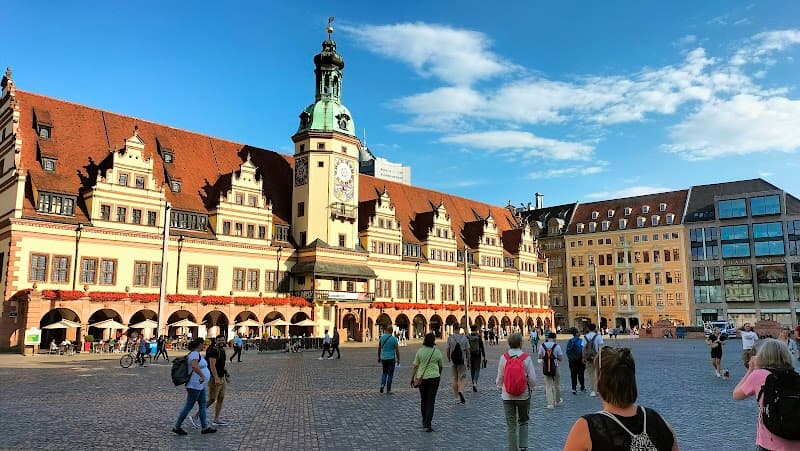
Leafy Leipzig: Canal Paths, Wild Parks & Creative Quarters
Weekend · $$$
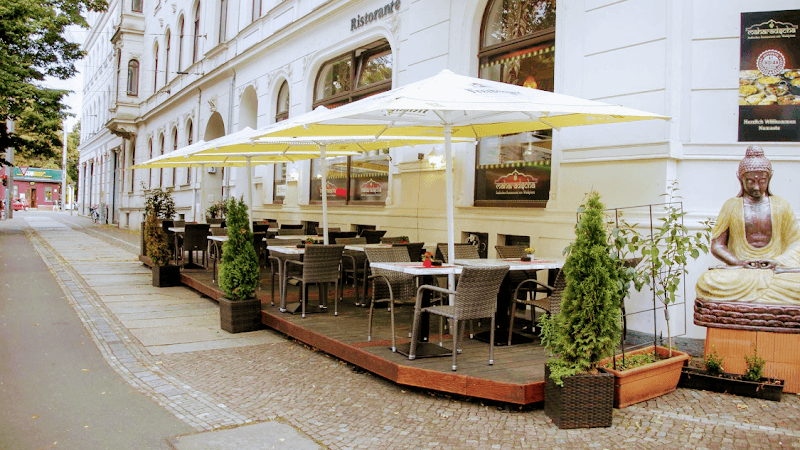
7 Romantic, Green Days in Artistic Leipzig
Week · $$$
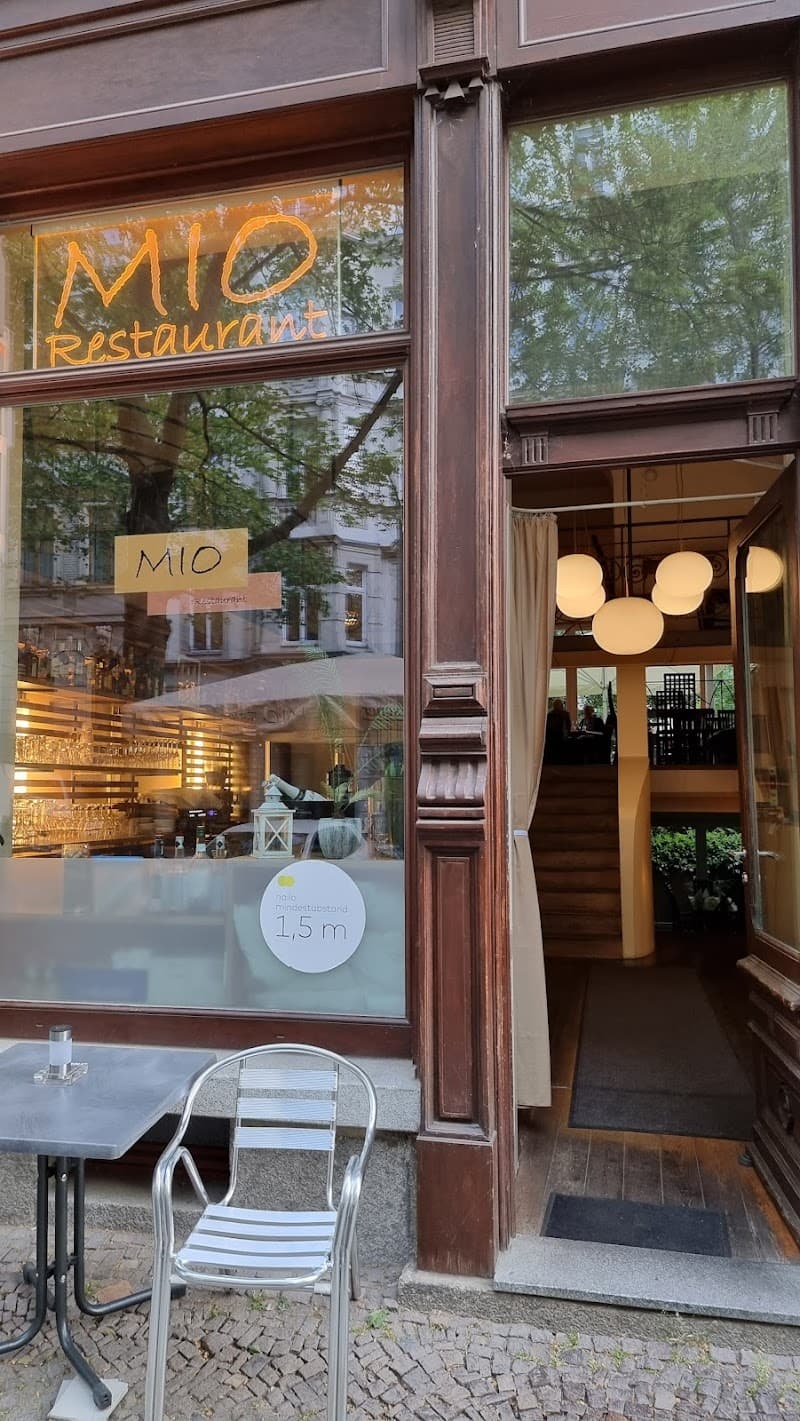
Leafy Leipzig Love: A 3-Day Urban-Jungle Escape
Weekend · $$$
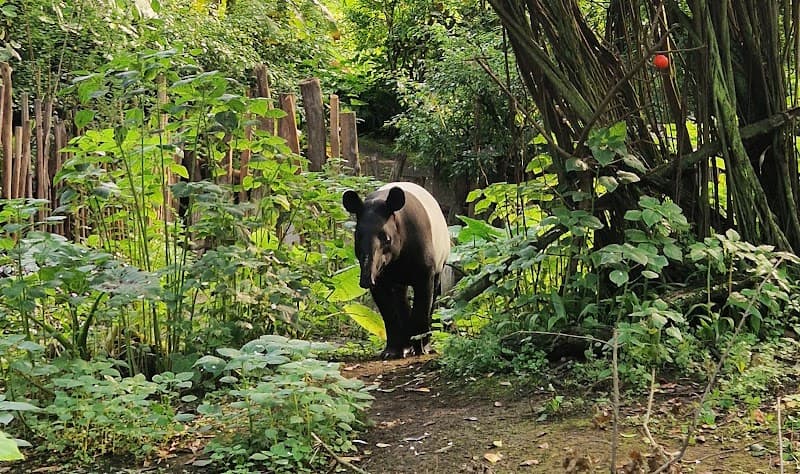
Leipzig Family Jungle: Green Adventures & City Fun
Week · $$$
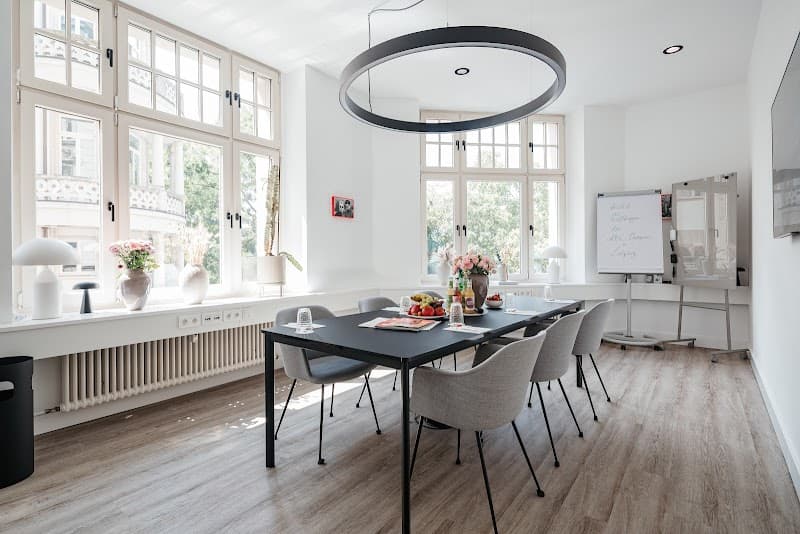
Leipzig Jungle Vibes: A Playful Family Weekend
Weekend · $$$
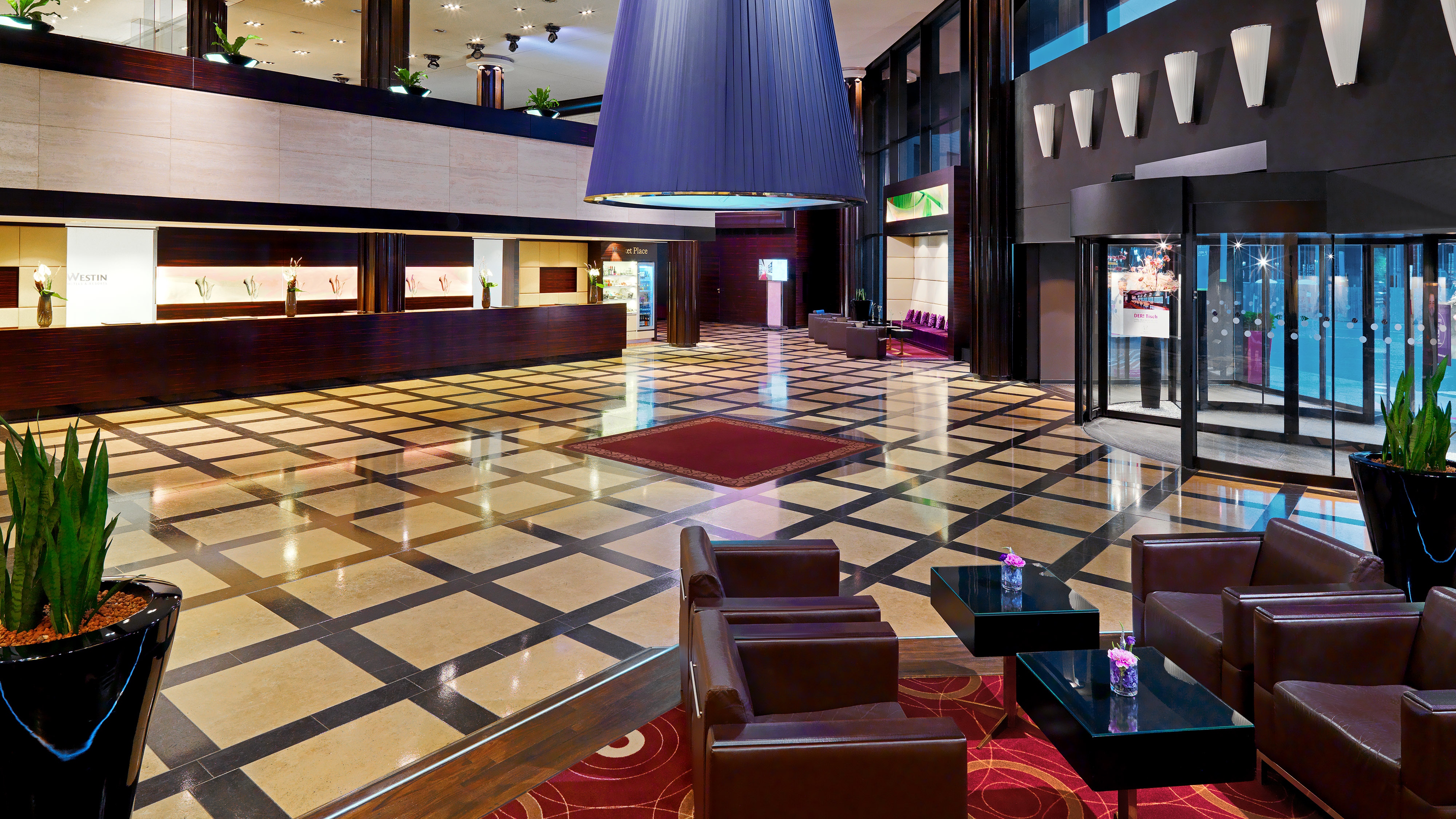
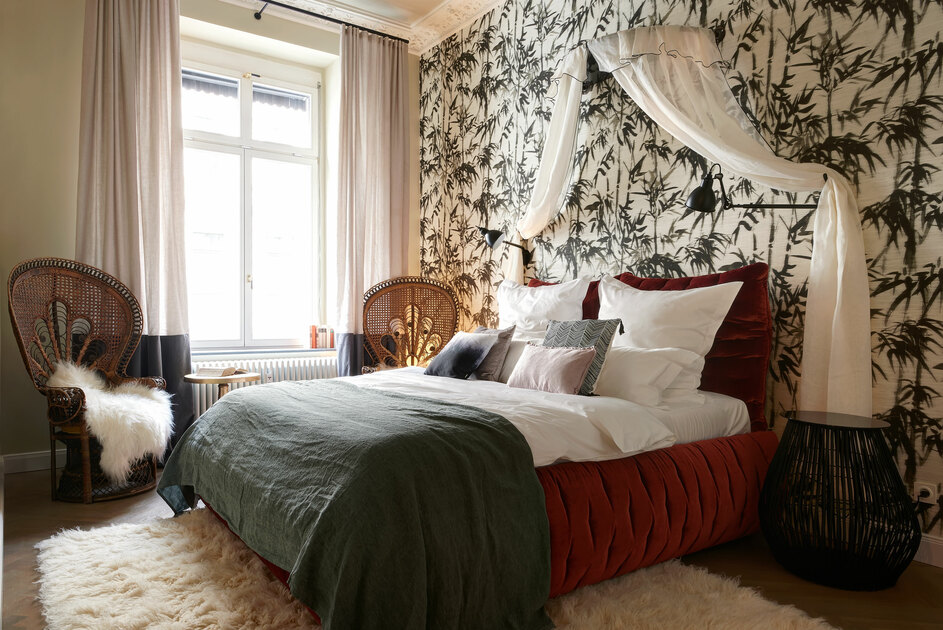
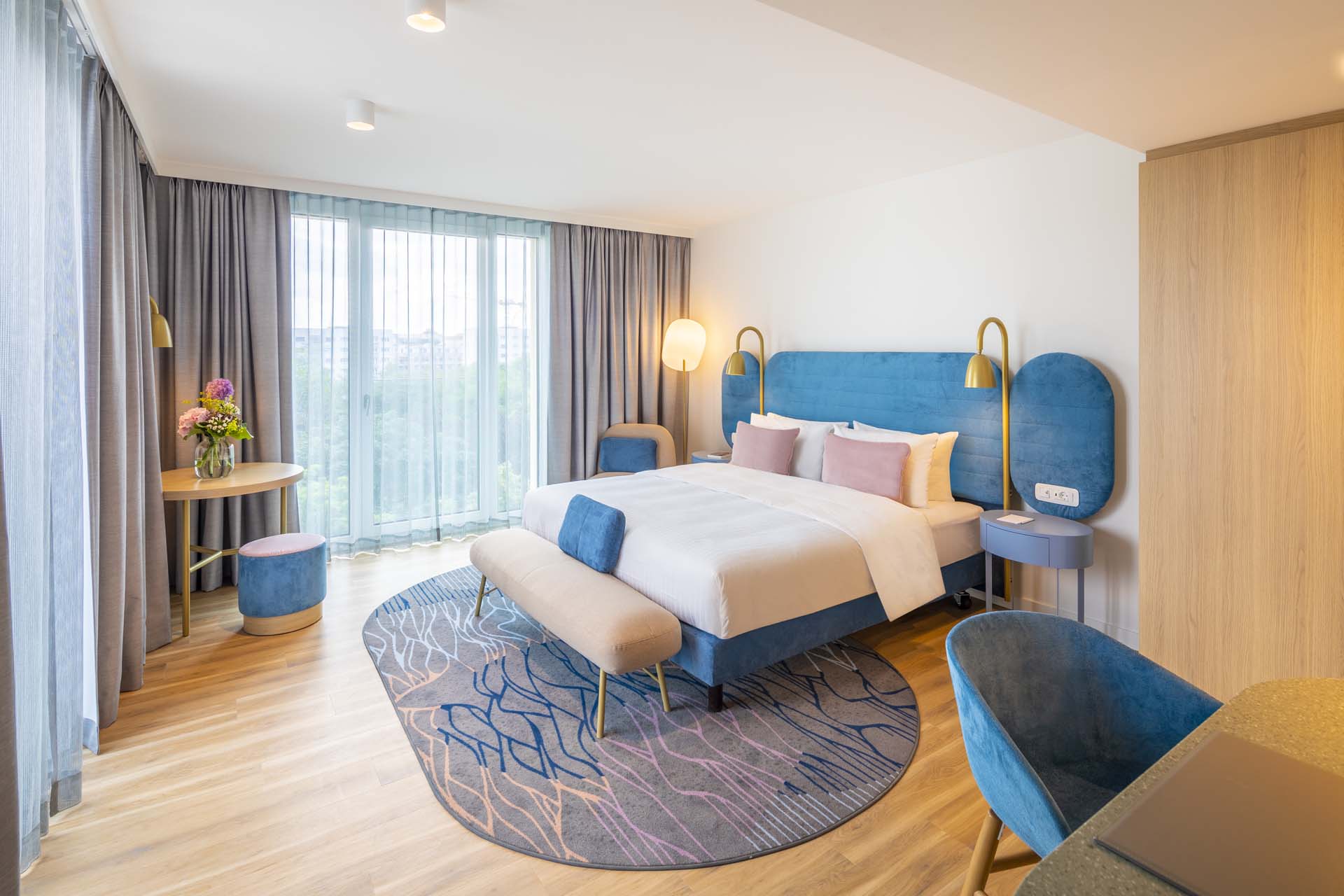
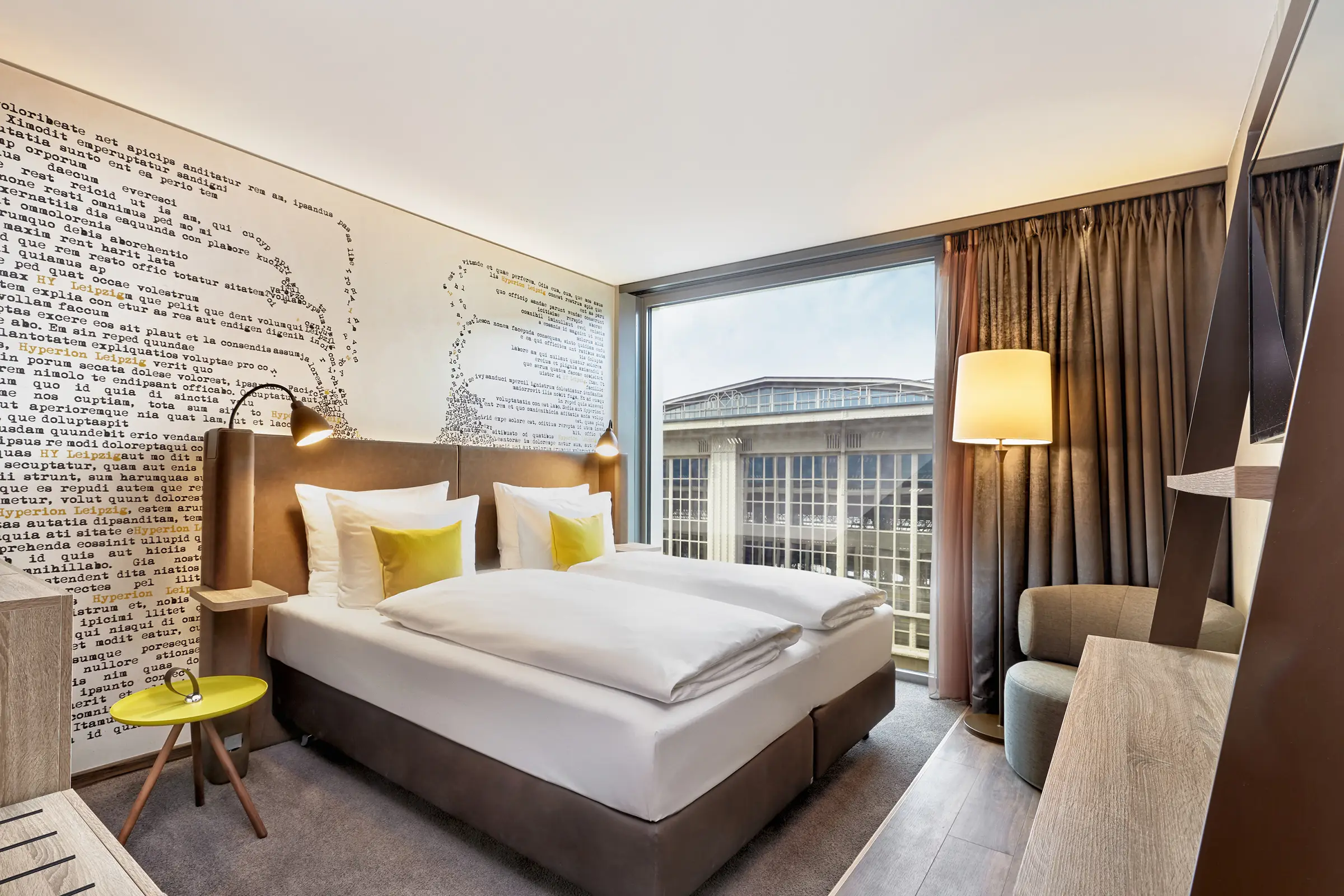
Where to Stay in Leipzig
5 recommended properties
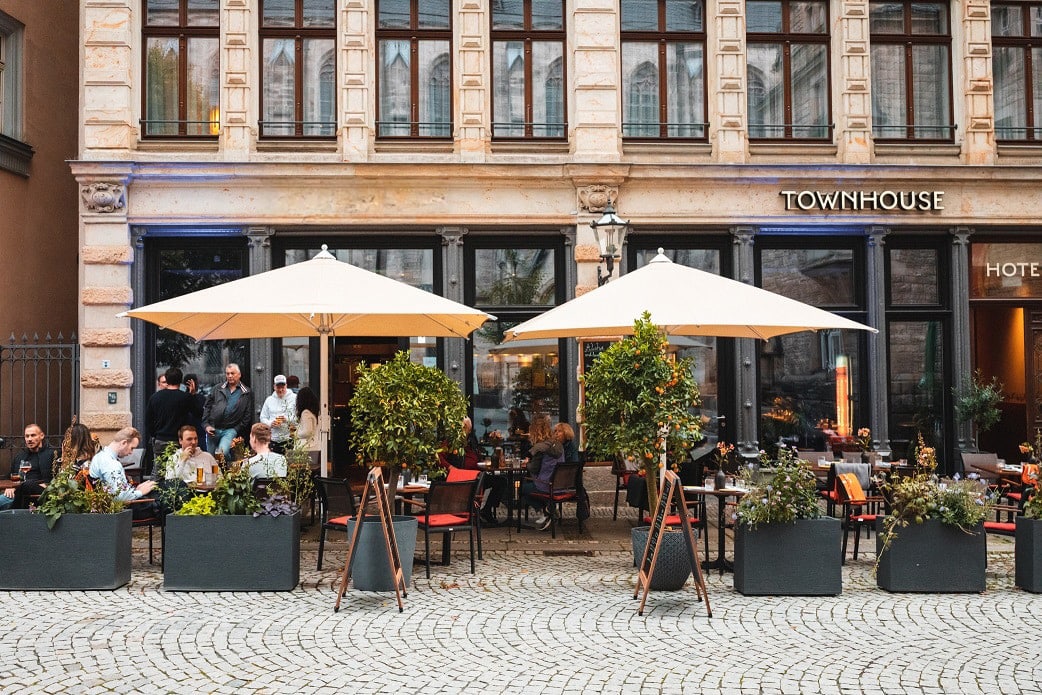
Things to Do in Leipzig
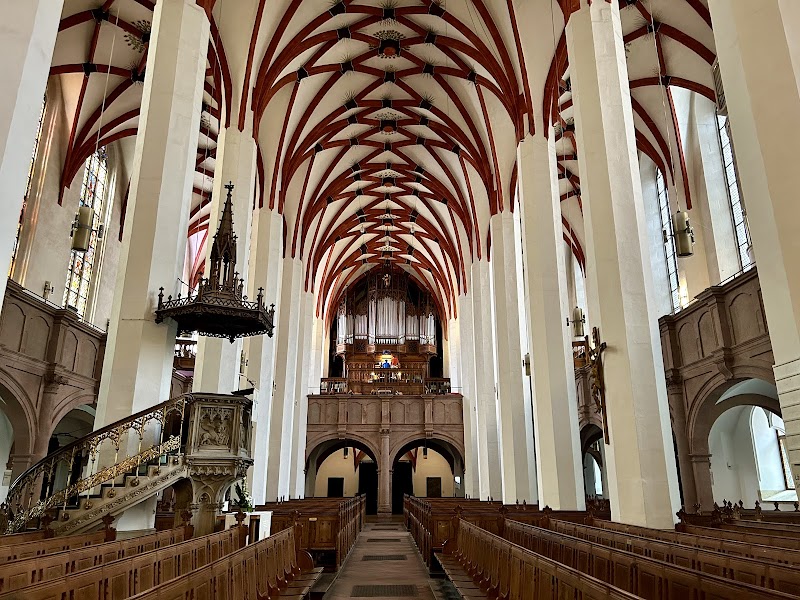
St. Thomas Church (Thomaskirche)
Zentrum (Altstadt) · 60 min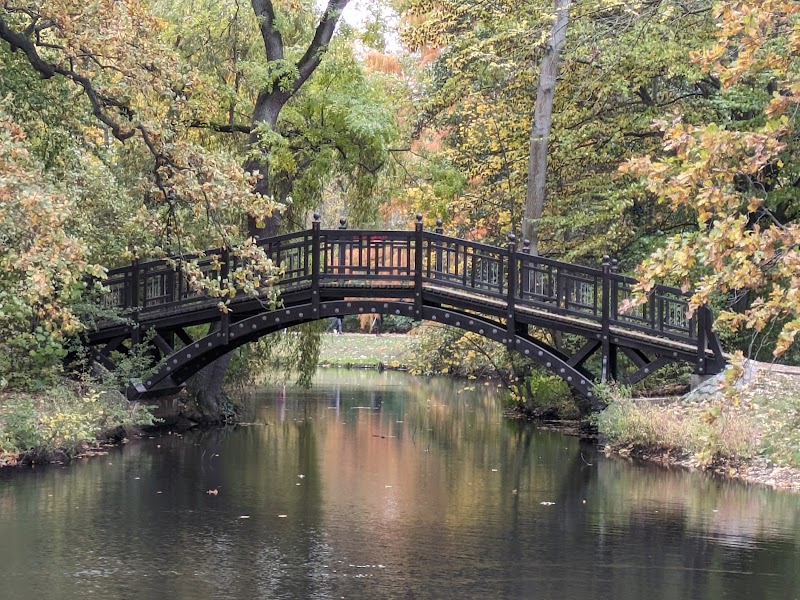
Clara-Zetkin Park & Johannapark Walk
Zentrum-Süd / Musikviertel · 60 min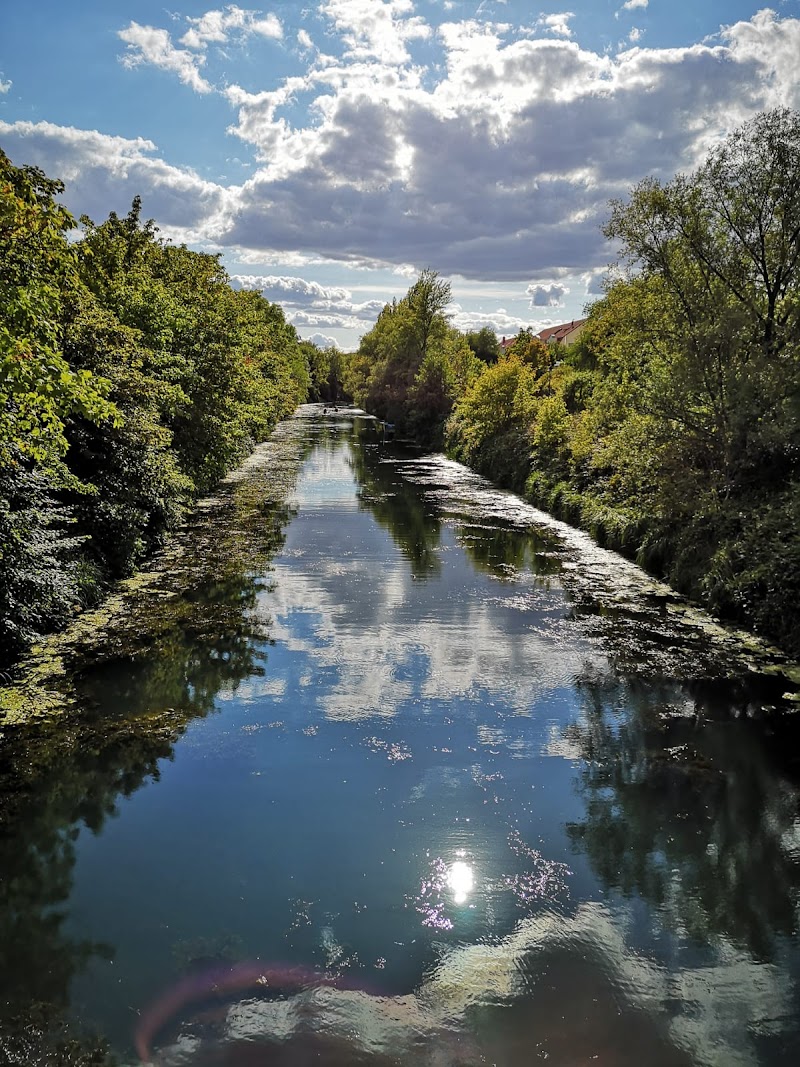
Karl-Heine-Kanal Promenade
Plagwitz · 120 minMoney-Saving Tips
- 1.Buy a Leipzig Card for €12.50 (1 day) or €19.50 (3 days) - includes public transport and museum discounts
- 2.Many churches offer free organ concerts - check St. Thomas and St. Nicholas schedules
- 3.University cafeterias (Mensas) serve filling meals for €3-5, open to everyone
- 4.Happy hour at most bars runs 5-7 PM with €3-4 beers
- 5.Free walking tours meet daily at 11 AM from Markt square - tip your guide €5-10
- 6.Grocery shopping at Netto or Penny saves 40% compared to tourist-area shops
- 7.Many museums offer free entry on first Thursday of each month
Travel Tips
- •Download the LVB app for real-time tram schedules and mobile tickets
- •Learn basic German greetings - English isn't as common as in western German cities
- •Carry cash - many smaller restaurants and bars don't accept cards
- •Book Bach festival tickets 3 months in advance - they sell out quickly
- •Pack layers even in summer - temperatures can drop 15°C between day and night
- •Avoid driving in the city center - parking costs €2 per hour and spaces are scarce
- •Try Gose beer - this local sour wheat beer is unique to Leipzig and surrounding region