Lucerne
Swiss Alpine Beauty Reflected in Crystal Waters
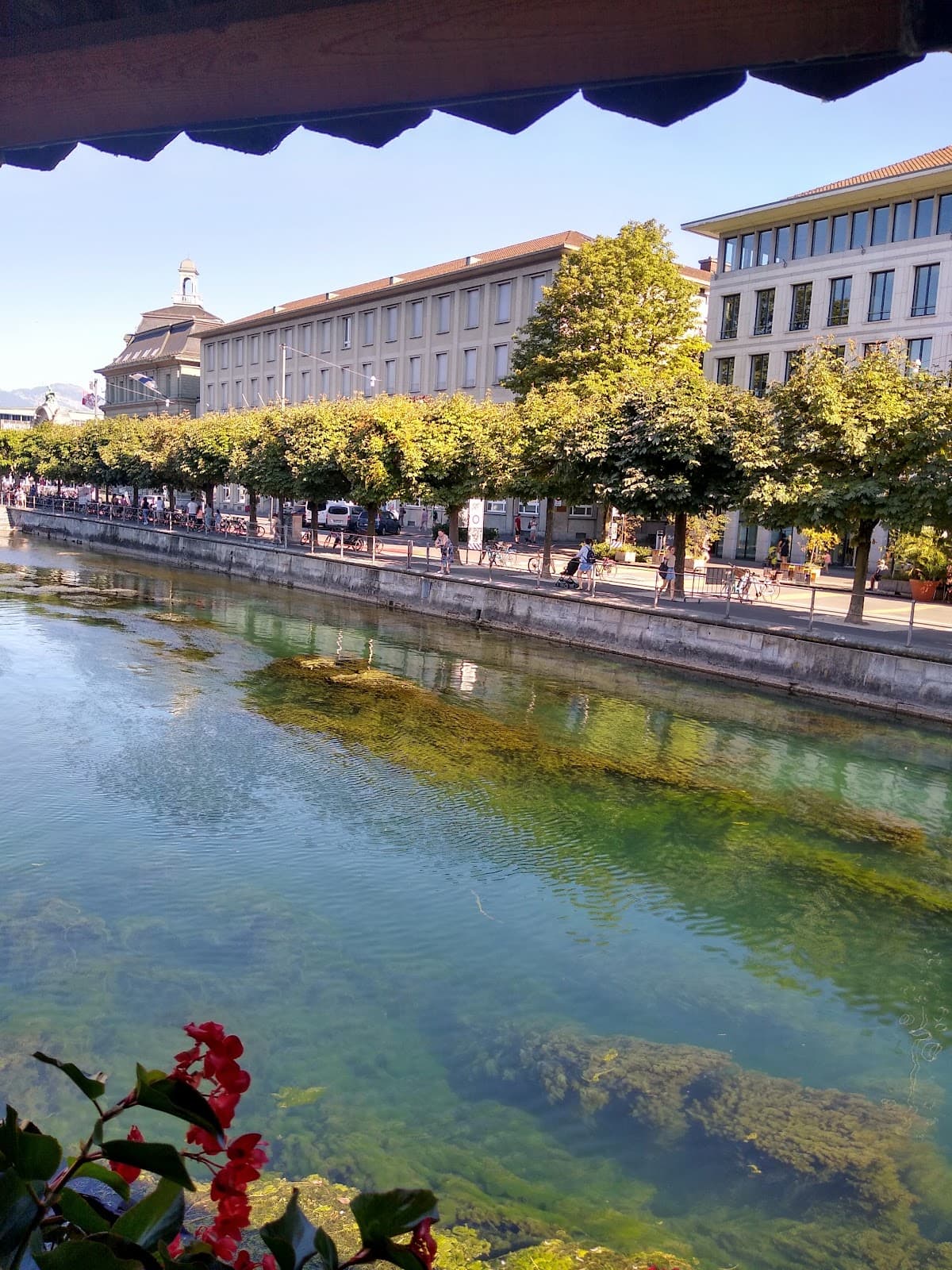
Lucerne sits at the edge of Lake Lucerne like a postcard come to life. The Reuss River cuts through the old town, past the famous Chapel Bridge with its painted panels telling stories from centuries past. Mount Pilatus looms overhead, snow-capped even in summer, while the Kapellbrücke reflects in the crystal-clear water below.
This isn't just another pretty Swiss city. Lucerne packs serious punch in a compact space. You can walk the medieval walls in the morning, take a cogwheel train up a mountain by lunch, and catch a symphony at the KKL concert hall by evening. The old town feels frozen in time, but step into the modern districts and you'll find cutting-edge architecture and world-class museums.
Here's what makes Lucerne special: it's Switzerland without the pretense. Sure, it's expensive, but locals still wave from their balconies. The lake steamers run like clockwork, the chocolate shops smell like heaven, and every view looks like it belongs on a Swiss franc note.
Best Months
MAY – SEP
~22°C · high crowds
Culture & Context
POSTCARD PERFECT CROWDS
Lucerne sits where the Reuss River drains out of Lake Lucerne, and it has known it was photogenic since at least the 13th century. The city is German-speaking Swiss (Luzern locally), capital of Canton Lucerne, with around 82,000 people in the city proper. That's small.
You can walk the entire Old Town in under 20 minutes. But the tourist density in summer is absolutely brutal — this is one of the most visited cities in Switzerland per capita, and the streets around Chapel Bridge reflect that. Expect bus-loads of day-trippers, queues at the Lion Monument, and CHF 8 espressos on the waterfront.
The upside? The infrastructure is immaculate, the trains run like clockwork, and the mountains are genuinely, objectively spectacular. The local identity is Central Swiss — more conservative than Zurich, more Catholic than Basel, and fiercely proud of Fasnacht (the February carnival), which locals take extremely seriously.
English is spoken everywhere in tourist zones, but locals switch happily into Swiss German amongst themselves. Note: Swiss German is not German. Germans struggle to understand it.
It's a distinct spoken dialect, warm-sounding and rhythmic, with French loanwords scattered throughout.
Local Customs
GRÜEZI & PUNCTUALITY MATTER
Quiet hours run from 10pm to 7am on weekdays and all day Sunday. This is enforced in residential buildings and apartment hotels. Keep noise down — neighbors will knock, and Swiss noise complaints are not casual..
Service is included in restaurant bills by law. Tipping is optional, not expected. Rounding up the bill or leaving a franc or two is appreciated for good service; anything more is unnecessary..
Say Grüezi when you walk into a shop. Even if you say nothing else in Swiss German, this simple greeting shifts the interaction noticeably. Locals working in tourist areas have seen enough people storm in without acknowledging them..
Prices are fixed everywhere — markets, shops, watch boutiques. Bargaining is not a thing in Switzerland and attempting it will get you a polite but icy response.. Swiss punctuality is real.
If you've made a reservation, show up on time. If you're meeting a local contact, being five minutes late without notice is genuinely considered disrespectful.. Tap water is completely safe and some of the best in the world.
The 200+ public fountains around Lucerne all dispense drinkable water (unless signed otherwise). Paying CHF 5–8 for bottled water at a restaurant is avoidable — just ask for tap.. Don't buy watches near the Lion Monument.
Tour guides are often paid commissions to steer groups to certain watch shops where prices are inflated. If you're serious about buying a Swiss watch, do your research first and walk in independently.. Sundays are genuinely quiet.
Most shops close. Some restaurants close. Plan grocery shopping for Saturday and don't expect a lively commercial scene on Sunday mornings.
Safety
WATCH CHAPEL BRIDGE PICKPOCKETS
Lucerne is genuinely one of the safest cities in Europe. Violent crime targeting tourists is extremely rare. Walk anywhere at night without real concern. But petty theft is a real and growing issue, particularly around the Chapel Bridge area, the train station, and the lake promenades during peak season (June–September). Organized pickpocket teams have been documented operating specifically on the narrow wooden Chapel Bridge itself — one person stops to look at the painted panels overhead, forcing a crowd bump, while a second person works pockets from behind. Stay aware on that bridge specifically.
Train station areas across Switzerland see the most theft activity. Don't put a bag down at the station concourse while you look at the departures board.
Specific tourist trap warnings: souvenir shops immediately around the Lion Monument on Denkmalstrasse charge significantly inflated prices (sometimes 40% more than shops just a few streets away). Some watch retailers near tourist sites pay commissions to tour guides who funnel visitors — research watches independently and walk in without a guide's referral.
Currency exchange offices near the train station often have hidden fees. Stick to bank ATMs or use a card. And bottled water at lakeside cafes can run CHF 5–8 — use the public fountains instead.
Mountain safety is a separate consideration. Weather at Pilatus and Rigi changes fast, even in summer. Bring layers regardless of the forecast in the valley. Swiss hiking trails are color-coded: yellow markers are suitable for anyone in decent walking shoes; white-red-white markers involve some exposure and require sure footing. Don't underestimate Swiss mountain terrain.
Getting Around
TRAINS & MOUNTAIN PASSES
Getting to Lucerne is easy. Zurich Airport (ZRH) is the main gateway — trains run every 30 minutes directly to Luzern Bahnhof, taking about 1 hour and costing around CHF 30 ($37). From Zurich city center, it's 47 minutes by express train. Interlaken is 2 hours away via the scenic Luzern-Interlaken Express, which runs hourly and needs no advance seat reservation. Bern is around 1.5 hours.
Once you're in Lucerne, the main train station (Luzern Bahnhof) sits right next to the Old Town, the lake, and the boat docks. You can walk to Chapel Bridge in under 5 minutes from the platform. The compact city is entirely walkable for central sightseeing.
For getting around: check in at your hotel first and collect the free Lucerne Visitor Card — it covers unlimited buses and trams within Zone 10 (the city area) for your entire stay. The SBB Mobile app is the essential tool for real-time schedules and ticket purchase across all Swiss transport.
Key bus lines: Routes 6, 8, and 24 connect the center to outer neighborhoods. The Swiss Museum of Transport is reachable via Routes 6 and 8 (about 15 minutes from the station).
For mountain excursions: the Lucerne Travel Pass (formerly Tell Pass, officially rebranded April 2026) covers unlimited use of trains, buses, boats, AND mountain railways including Pilatus, Rigi, Stanserhorn, and Titlis. It's valid year-round from 2026 with the same pricing regardless of season — a change from the old Tell Pass system. Available for 3, 4, 5, or 10 consecutive days.
Honest warning: mountain transport is expensive individually. The Pilatus Golden Round Trip (boat + cogwheel train + cable car) costs CHF 119.50 at full price. A single day trip can easily exceed CHF 80–100 per person. Calculate whether a travel pass makes financial sense before buying one.
Useful Phrases
Lucerne Itineraries
View all
Mountain Adventures & Medieval Charm in Lucerne
Weekend · $$$
Lucerne Old Town and Lakeside Family Day
Weekend · $$$
Lucerne Wild & Serene: Lakes, Peaks and Hidden Paths
Week · $$$
Romantic Lucerne: Lakes, Peaks and Forest Hideaways
Week · $$$
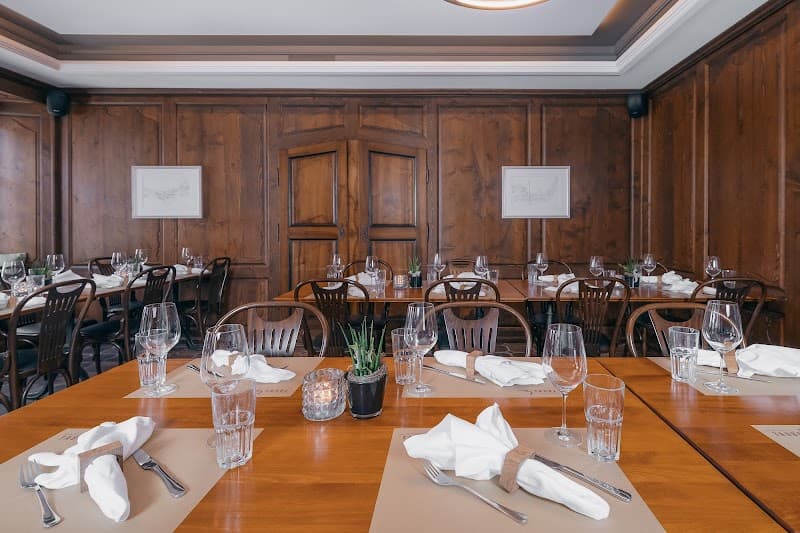
Lucerne for Two: Lakeside Romance, Peaks, and Old Town Calm
Weekend · $$$

7 Jungle-Wild Days Around Lake Lucerne
Week · $$$
Things to Do in Lucerne
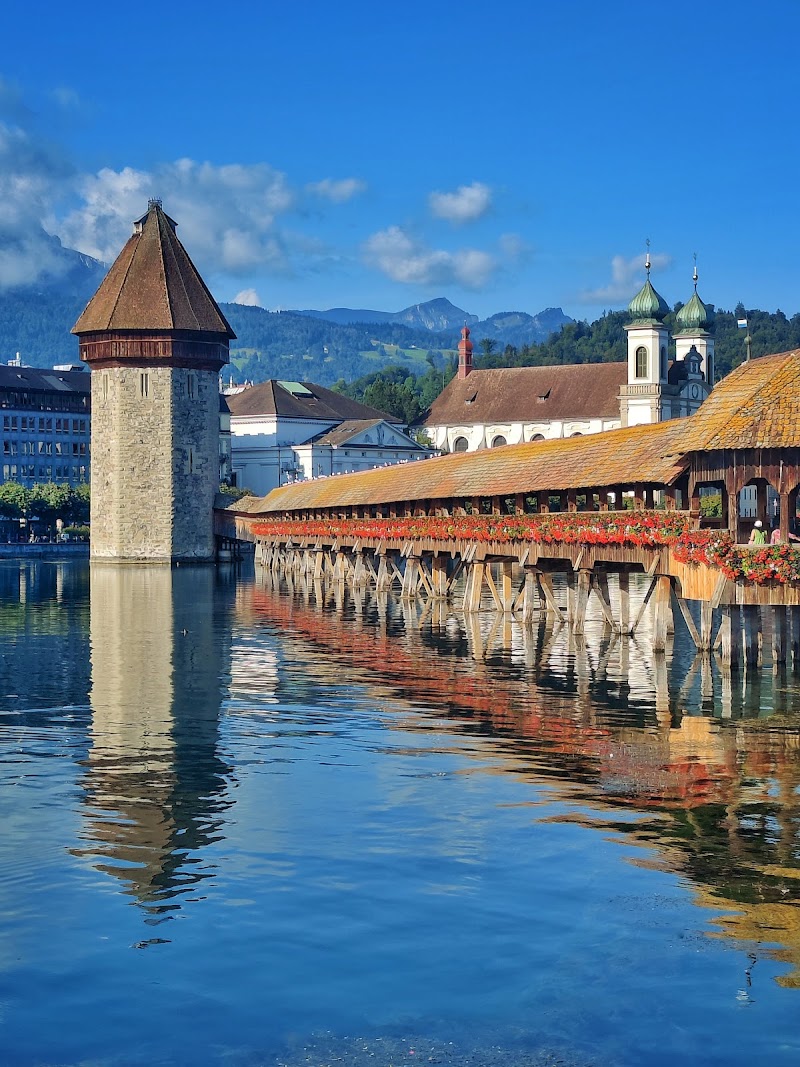
Chapel Bridge (Kapellbrücke) & Reuss Riverside Walk
Altstadt · 60 min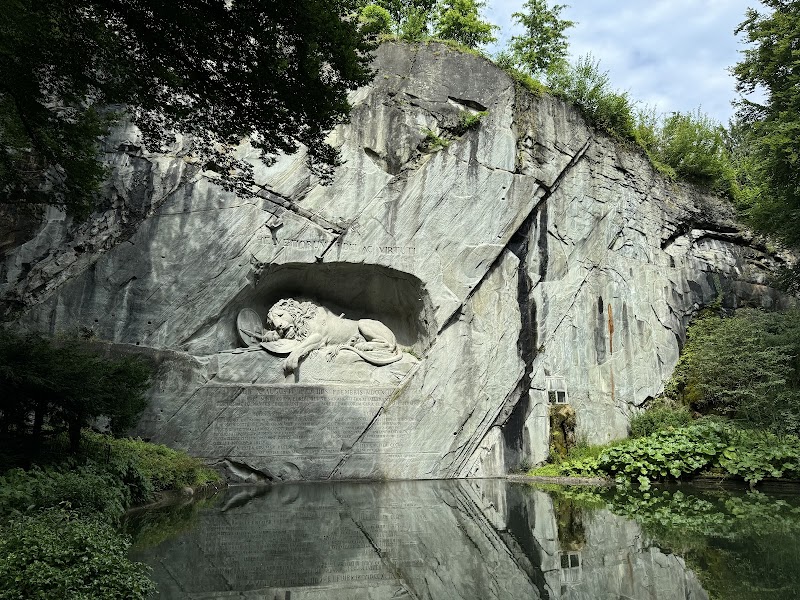
Lion Monument (Löwendenkmal) & Glacier Garden Park
Lowenplatz · 90 min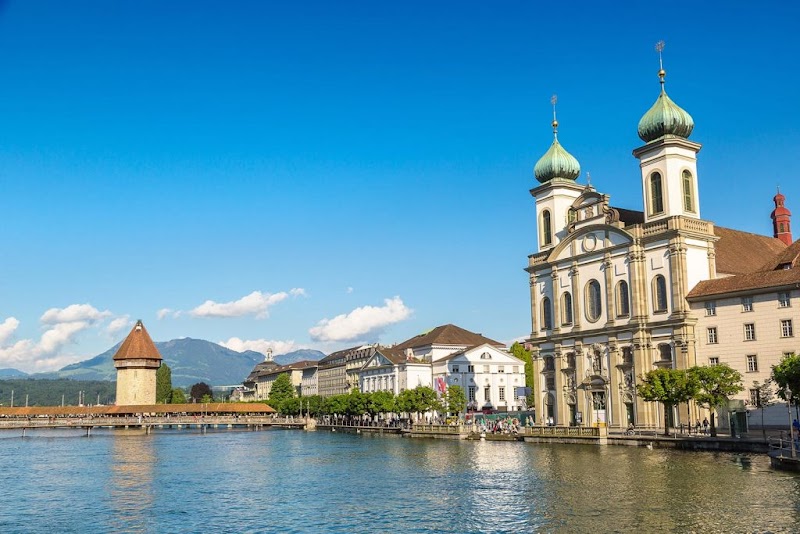
Lucerne Old Town & Chapel Bridge Walk
Lucerne Old Town · 120 minMoney-Saving Tips
- 1.Buy a Swiss Travel Pass if visiting multiple cities – it covers trains, boats, and mountain lifts around Lucerne
- 2.Eat lunch at department store restaurants like Manor or Migros for Swiss quality at local prices
- 3.Book mountain excursions online in advance for 10-15% discounts over walk-up prices
- 4.Stay in nearby towns like Weggis or Vitznau and commute by boat – hotels cost 40% less
- 5.Visit museums after 4 PM for reduced entry fees at participating attractions
- 6.Pack snacks for mountain trips – summit restaurants charge 25 CHF for basic sandwiches
Travel Tips
- •Download the SBB Mobile app for real-time train and boat schedules – it works offline too
- •Carry a reusable water bottle – public fountains throughout the city provide free Alpine spring water
- •Book Chapel Bridge photos early morning or late afternoon to avoid cruise ship crowds
- •Wear layers even in summer – mountain weather changes fast and lake breezes cool things down
- •Learn basic German greetings – locals appreciate the effort even though most speak English
- •Check concert schedules at KKL when booking your trip – world-class performances sell out months ahead