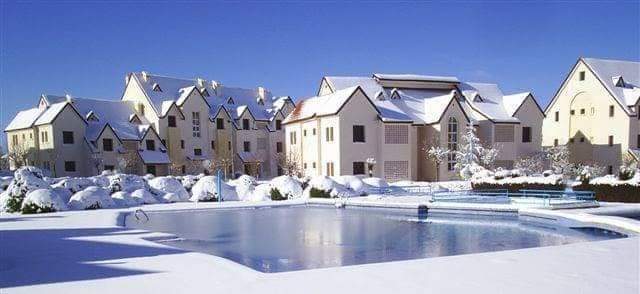
Fès-Meknès
Morocco's Imperial Heart of Ancient Craftsmanship
Here's what nobody tells you about Fès-Meknès: it's not just another Moroccan destination. This region holds the soul of imperial Morocco, where leather tanners still work plots their grandfathers worked and metalworkers hammer copper the same way they did 800 years ago.
The medina of Fès el-Bali isn't some tourist reconstruction — it's a living, breathing medieval city where donkeys still carry goods through alleys so narrow you can touch both walls. And Meknès? It's the imperial city that tourists skip, which means you get Versailles-level palaces without the crowds.
But here's the thing: this isn't easy travel. You'll get lost in the medina. The smells from the tanneries will hit you like a wall. Your bargaining skills will be tested at every turn. And that's exactly what makes it extraordinary.
Culture & Context
MEDIEVAL INTENSITY UNCHANGED
Fès is Morocco's spiritual and intellectual heartland. It's the oldest of the country's four imperial cities, home to Al-Qarawiyyin University (founded in 857 AD, the world's oldest continuously operating university), and the Chouara Tannery, which has been dyeing leather since the 11th century. The medina, known as Fes el-Bali, is a UNESCO World Heritage Site and one of the largest car-free urban zones on the planet.
No motorbikes threading past you here. Just donkeys, handcarts, and a labyrinth of roughly 9,000 alleys that haven't fundamentally changed since the medieval period. Look, it's not a comfortable city.
It's intense, occasionally overwhelming, and the scam density is real. But that friction is also part of why it stays with you long after Marrakech has faded. The medina is a living city, not a set piece.
Artisans still work in dedicated guild streets: copper on one block, leather on the next, textiles after that. Morocco's relationship with Islam shapes daily life here more visibly than in Casablanca or the beach towns. Five calls to prayer per day echo off the ancient walls.
Ramadan changes everything. Religious tourism is significant, drawing pilgrims from across West Africa to shrines like the Zawiya of Moulay Idris II. Fès rewards slowness and patience, and punishes anyone who treats it like a two-hour photo stop.
Local Customs
RIGHT HAND, MODEST DRESS
Dress modestly throughout the medina. Cover shoulders and knees regardless of the heat. Loose, light fabrics are practical and respectful.
A headscarf isn't required for women unless entering specific religious spaces, but having one handy is useful.. Greetings matter a lot here. Moroccans exchange pleasantries at length before getting to business.
Rushing past this is considered rude. Even a simple 'Salam' before asking a question changes the entire interaction.. Use your right hand for eating, passing items, and greeting.
The left hand is traditionally considered unclean. This applies at communal meals and in market transactions.. Bargaining is standard in the souks.
Start at roughly half the asking price and go from there. Approaching it with good humor and a smile works far better than aggression. Once you agree on a price and pick something up, you're committing to buy..
Tipping is expected and relied upon. About 10% at sit-down restaurants. Tip museum attendants 3-5 MAD.
Always tip your licensed guide separately from the tour price, typically 50-100 MAD per day depending on the experience.. Ask before photographing people. A gesture toward your camera with a questioning look usually works.
Some people will say no. Respect it and move on.. Public displays of affection are considered inappropriate.
Keep physical contact private.. During Ramadan, avoid eating, drinking, or smoking in public during daylight hours. Most tourist-oriented restaurants maintain limited service, but it's a meaningful cultural gesture to be discreet.
Safety
SCAMS REQUIRE FIRMNESS
Fès is generally safe, and major tourist areas have visible police presence. But you need to know a few specific things before you wander in. The most common scam is strangers approaching you in the medina to say the street you're heading down is 'closed' or 'finished' — it isn't.
This happens constantly, sometimes 20 times a day according to visitors. The goal is to redirect you somewhere they earn a commission. A firm, friendly "La shukran" (no thank you) and keep walking.
If you genuinely need directions, ask older residents or go into a shop. After dark, stick to well-lit main routes through the medina. The narrow alleys are poorly lit and navigation without a guide gets genuinely disorienting.
GPS drops out frequently. Solo women travelers report catcalling and occasional harassment in the medina, which is worth knowing upfront. Dressing modestly reduces (but does not eliminate) unwanted attention.
Call the police on 190 from a mobile if something serious happens. For anything medical, Ville Nouvelle has clinics and pharmacies with more English-speaking staff than the old city. Keep small bills (10-20 MAD denominations) for tipping and small purchases — vendors rarely have change for 200 MAD notes.
Getting Around
ALLEYS ON FOOT ONLY
Fès-Saïss Airport (FEZ) sits about 12 miles south of the city. Grand taxis from the airport to the medina run around 150-200 MAD (roughly $15-18), but confirm the price before you get in. Don't accept the first number.
There are daily train connections (ONCF) linking Fès to Casablanca, Rabat, and Marrakech. Book on the ONCF website in advance. CTM buses cover intercity routes for slightly less, and they're comfortable enough.
Inside the city, petits taxis (small blue cars) cost 10-30 MAD for most medina-adjacent journeys. Always ask for the meter. Ride-hailing apps like inDrive are growing in Moroccan cities and give you more price transparency.
Here's the real issue: once you're inside Fes el-Bali itself, there are no vehicles. Everything is on foot. GPS regularly fails inside the medina because the alleys are too narrow and dense for satellite accuracy.
A square street sign means a main road; a hexagonal one means a dead-end. Hire a licensed guide for at least your first day (around $45-60 for a full day) rather than accepting help from strangers who approach you offering directions. Those informal offers rarely end well.
Useful Phrases
Explore Cities
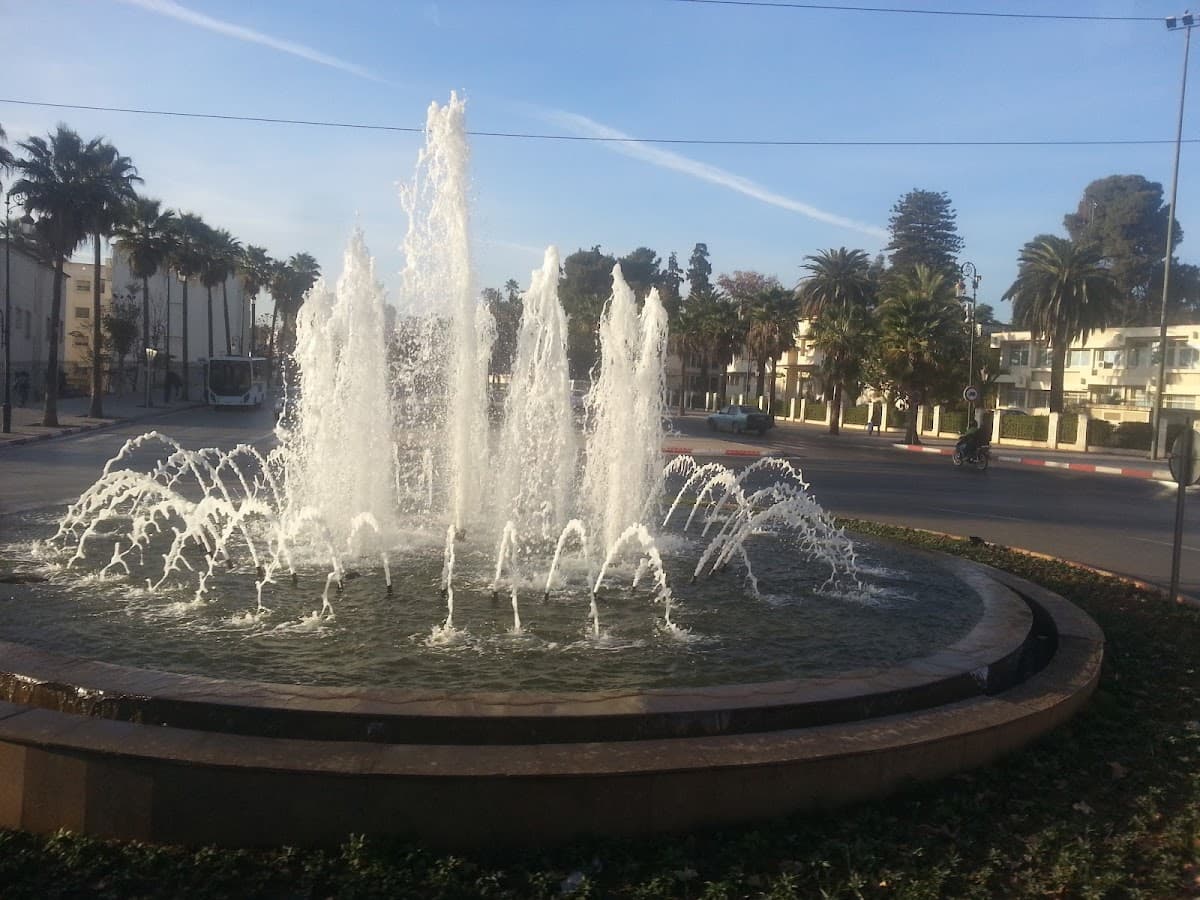
Explore the Region
Money-Saving Tips
- 1.Bargain hard in the souks — start at 30% of the asking price and work up slowly
- 2.Eat where locals eat — street stalls cost 15-25 MAD vs 150+ MAD at tourist restaurants
- 3.Stay in the medina riads during shoulder season (March-May, October-November) for 40% savings
- 4.Take grands taxis between cities instead of private transfers — 25 MAD vs 300+ MAD
- 5.Buy spices at Souk el Attarine in bulk rather than pre-packaged tourist versions
- 6.Visit hammams in local neighborhoods — 50 MAD vs 300+ MAD at hotel spas
- 7.Hire guides through your riad rather than at tourist gates to avoid inflated prices
Travel Tips
- •Learn basic French or Arabic phrases — English isn't widely spoken outside hotels
- •Carry small bills (20 and 50 MAD notes) for tips, taxis, and street purchases
- •Download offline maps before entering the medina — GPS signals disappear in the narrow alleys
- •Dress modestly, especially in religious areas — cover shoulders and knees minimum
- •Bring a small flashlight for exploring darker parts of the medina and souks
- •Keep your passport with you — some riads and attractions require ID for entry
- •Pack comfortable walking shoes with good grip — medina stones get slippery when wet
- •Respect photography rules — always ask before photographing people, especially women
- •Stay hydrated but avoid tap water — bottled water costs 5-8 MAD everywhere