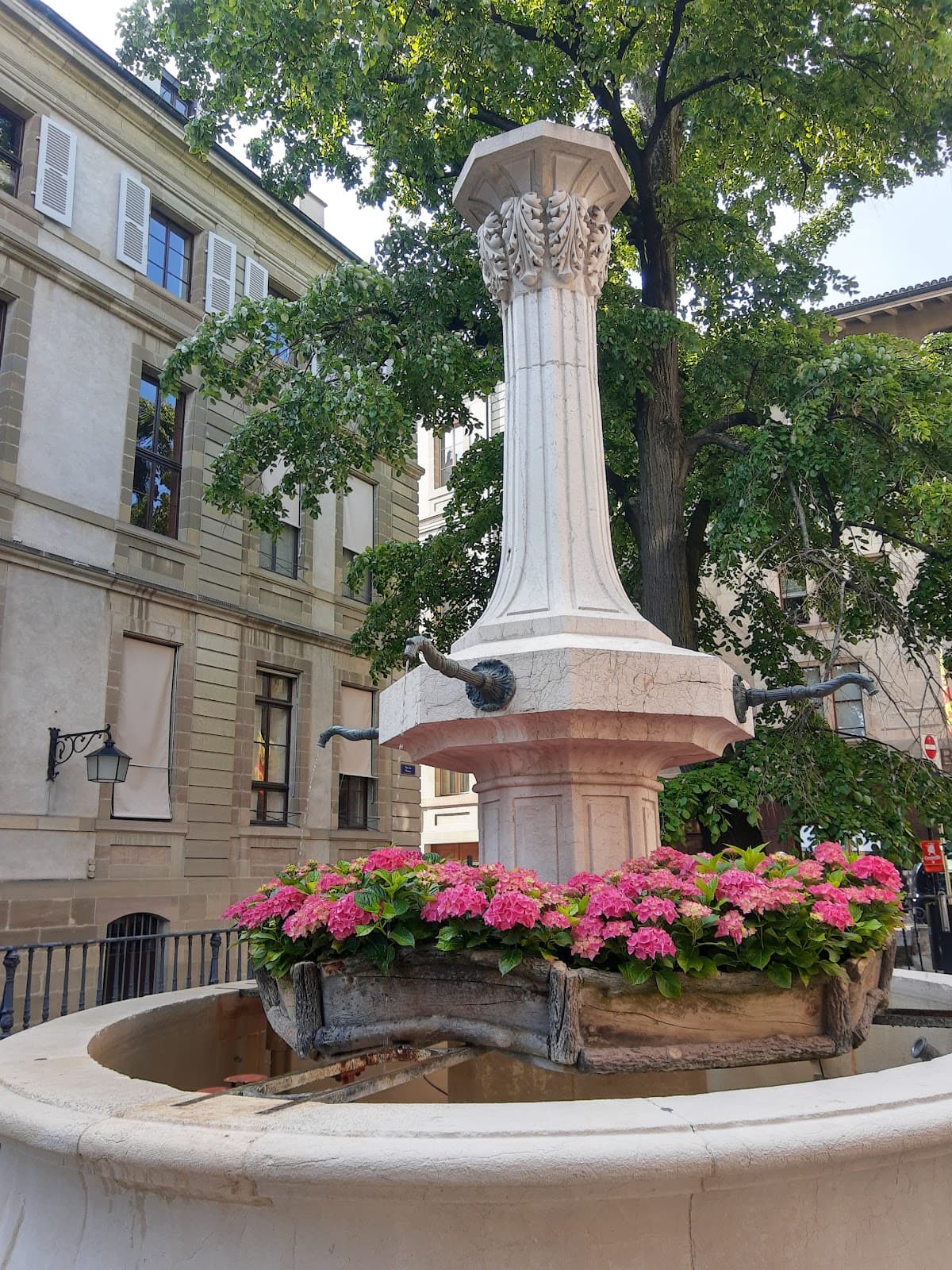
Geneva
International diplomacy meets Alpine lake luxury
Geneva sits at the southern tip of Lake Geneva like a perfectly positioned chess piece. This isn't your typical Swiss city of cowbells and chalets — it's where diplomats close billion-dollar deals over lunch and luxury watches tick in shop windows that cost more than most people's cars. The lake stretches endlessly toward the Alps, creating a backdrop that makes even jaded international travelers stop mid-conversation. But here's what travel guides won't tell you: Geneva can feel sterile if you don't know where to look. The magic happens in the details — the Saturday morning market at Plainpalais, the wine bars tucked behind Place du Bourg-de-Four, the moment when Mont Blanc appears through the clouds across the water.
Best Months
APR – OCT
~21°C · moderate crowds
Culture & Context
CAPITAL OF PEACE
Geneva sits at the western tip of Lake Geneva where the Rhône exits, bordered by the Alps and Jura mountains. French is the language here, not German. It's home to the UN's European headquarters (Palais des Nations), the Red Cross, and the WTO, which makes the city feel less like a typical Swiss town and more like a small version of New York.
About 28% of the population are foreign nationals. Locals are polite but reserved. Don't mistake quiet for unfriendly.
The city earned its "Capital of Peace" nickname honestly, and there's a certain quiet confidence running through everything here. Dinner at a restaurant with live music is considered extravagant by locals, not typical. Most residents shop at Migros or Coop and eat at home.
And yes, it genuinely is one of the most expensive cities on the planet. That's not a travel blog exaggeration.
Local Customs
BONJOUR IS MANDATORY
Always say 'Bonjour' when entering a shop and 'Merci, au revoir' when leaving, even if you buy nothing. It's a cultural ritual, not optional politeness.. Service charges are included in all restaurant bills.
Tipping is not expected. Rounding up a franc or two is appreciated, but nobody will chase you down if you don't.. Sunday is very quiet.
Most shops are closed. Plan your groceries and activities around this, or you'll be staring at closed shutters.. Speak softly.
Genevans are not fans of loud public behavior. Keep your voice down on trams and in restaurants.. Punctuality is taken seriously.
If you have a reservation or a tour time, show up on time. Swiss clocks aren't just decorative.. Cross-border shopping in France (Annemasse is the closest town) saves 20-30% on groceries.
Locals do it regularly, especially for wine.. Smoking indoors is banned. Designated outdoor smoking areas exist but are strictly observed..
Validate your tram or bus ticket BEFORE boarding. Inspectors check without warning and fines double if you refuse to pay on the spot.
Safety
WATCH CORNAVIN CROWDS
Geneva is one of the safer major cities in Europe. Numbeo's crime index gives it a Safety Index of 70.5 — that's genuinely good for an international city of this size.
Violent crime against tourists is statistically near zero. The realistic concern is pickpocketing, particularly around Cornavin train station, the Jardin Anglais, the lakefront promenade, and Les Paquis at night. Organized theft groups target distracted tourists at busy transit hubs.
Keep your bag in front of you at Cornavin and on crowded trams. The bonneteau (shell and pea) game is illegal but still appears occasionally — walk past it. There's also a white van speaker scam where sellers use aggressive pitches for cheap audio goods.
Don't engage. ATM skimming has been reported in some areas. Use ATMs inside bank branches where possible.
The US State Department rates Switzerland Level 1 (lowest risk). Women travelers rate Geneva very safely at 4.6/5.
Emergency numbers: 117 for police, 144 for ambulance, 118 for fire.
Getting Around
FREE CARD BEATS ALL
The best move if you're staying in a hotel, hostel, or campsite in Geneva: claim your free Geneva Transport Card at check-in. It covers unlimited travel on all TPG trams, buses, trolleybuses, local trains, and the yellow lake taxis (Mouettes Genevoises) for your entire stay. This is not a small perk in a city where a single ticket costs CHF 3.
Buses and trams run from 6am to midnight daily. The network covers the whole city and even crosses into neighboring France. At Geneva Airport, there's a free 80-minute transit ticket available from the TPG vending machine near baggage claim — use it for the 10-minute train ride to Cornavin station downtown.
Download the TPG app for real-time schedules and route planning (Google Maps also works well). For CERN, take Tram 18 directly from the city center. A 24-hour pass costs CHF 10 if you don't have the free card.
Taxis exist but are genuinely expensive. Walking is the best option across most of the central city. The Léman Express regional train connects 45 stations across Geneva and neighboring France for cross-border day trips.
Useful Phrases
Geneva Itineraries
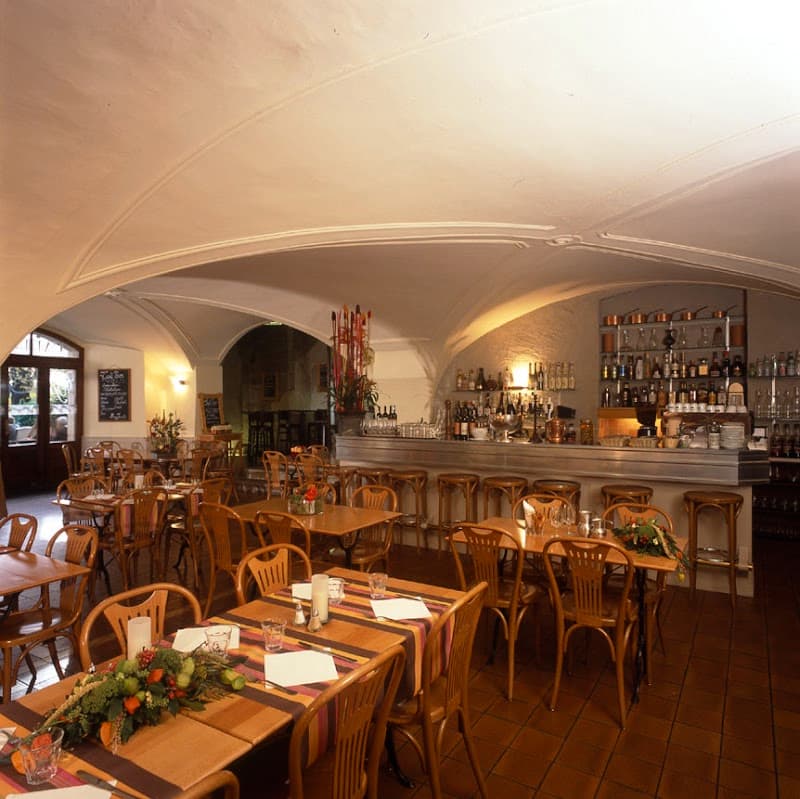
Elegant Geneva: Lakeside Romance, Art, and Wine
Weekend · $$$
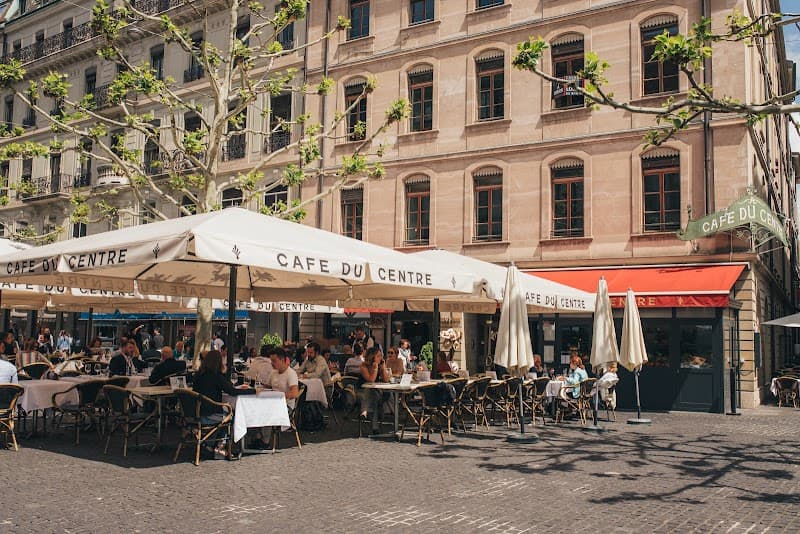
Slow Geneva Day: Lakeside Views, Old Town Charms
Weekend · $$
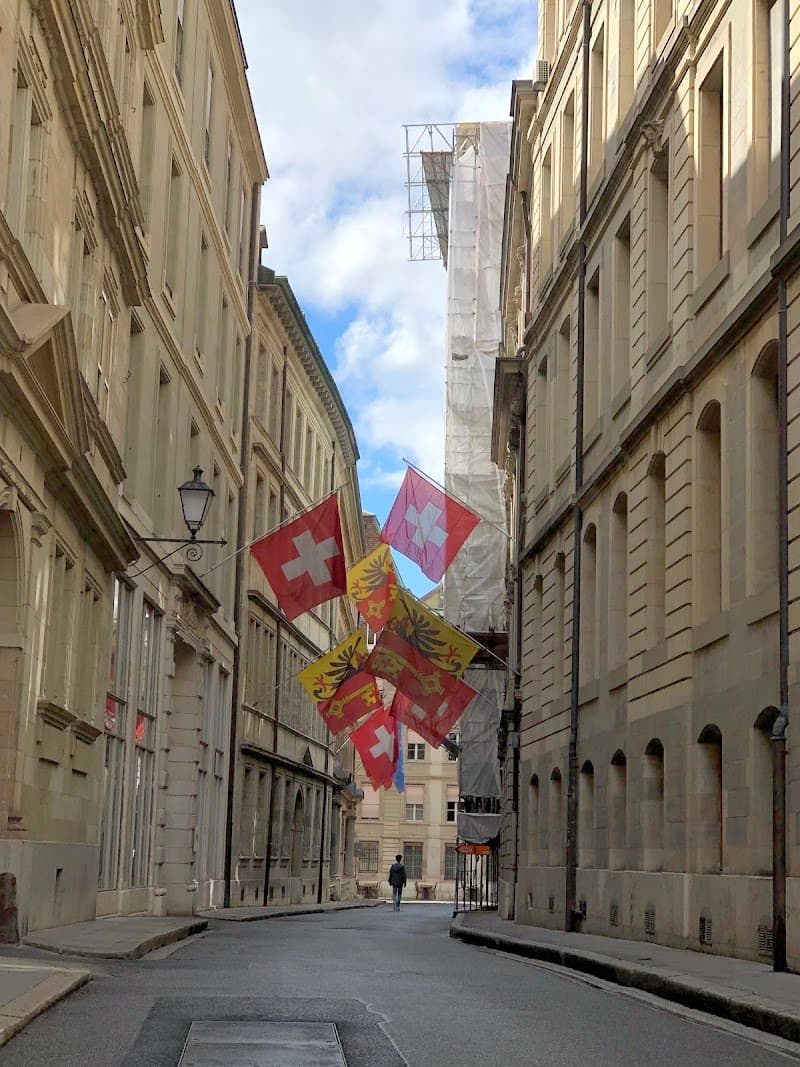
Geneva in Two Days: Old Town, Lake Views, and Tasteful Swiss Finds
Weekend · $$$

7 Packed Days in Geneva: Lakeside Adventures & Old-World Charm
Week · $$
Geneva Romance: Old Town, Lake Views & Hidden Gems
Weekend · $$

Romantic Week in Geneva: Lakeside Love & Alpine Charm
Week · $$
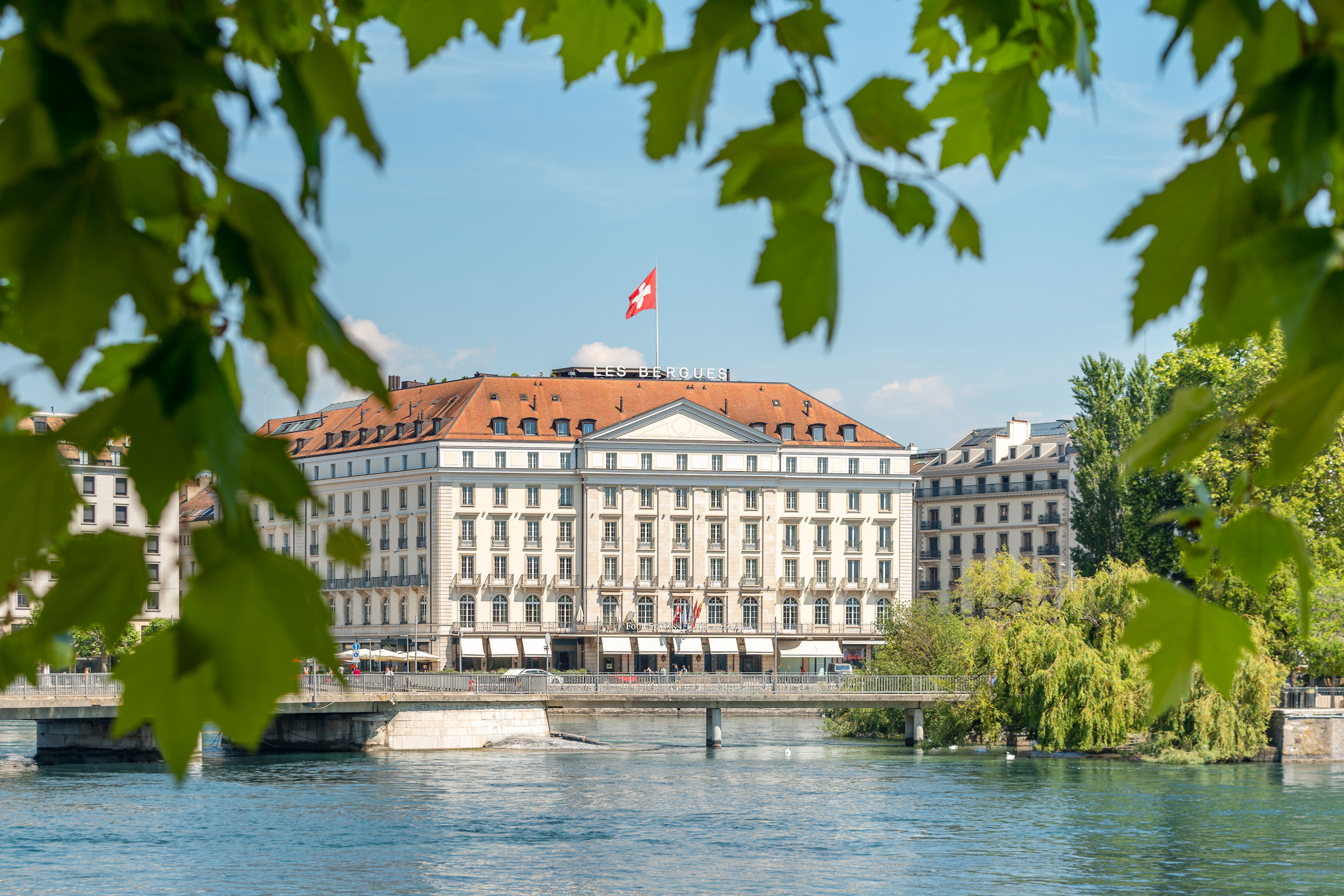
Where to Stay in Geneva
9 recommended properties
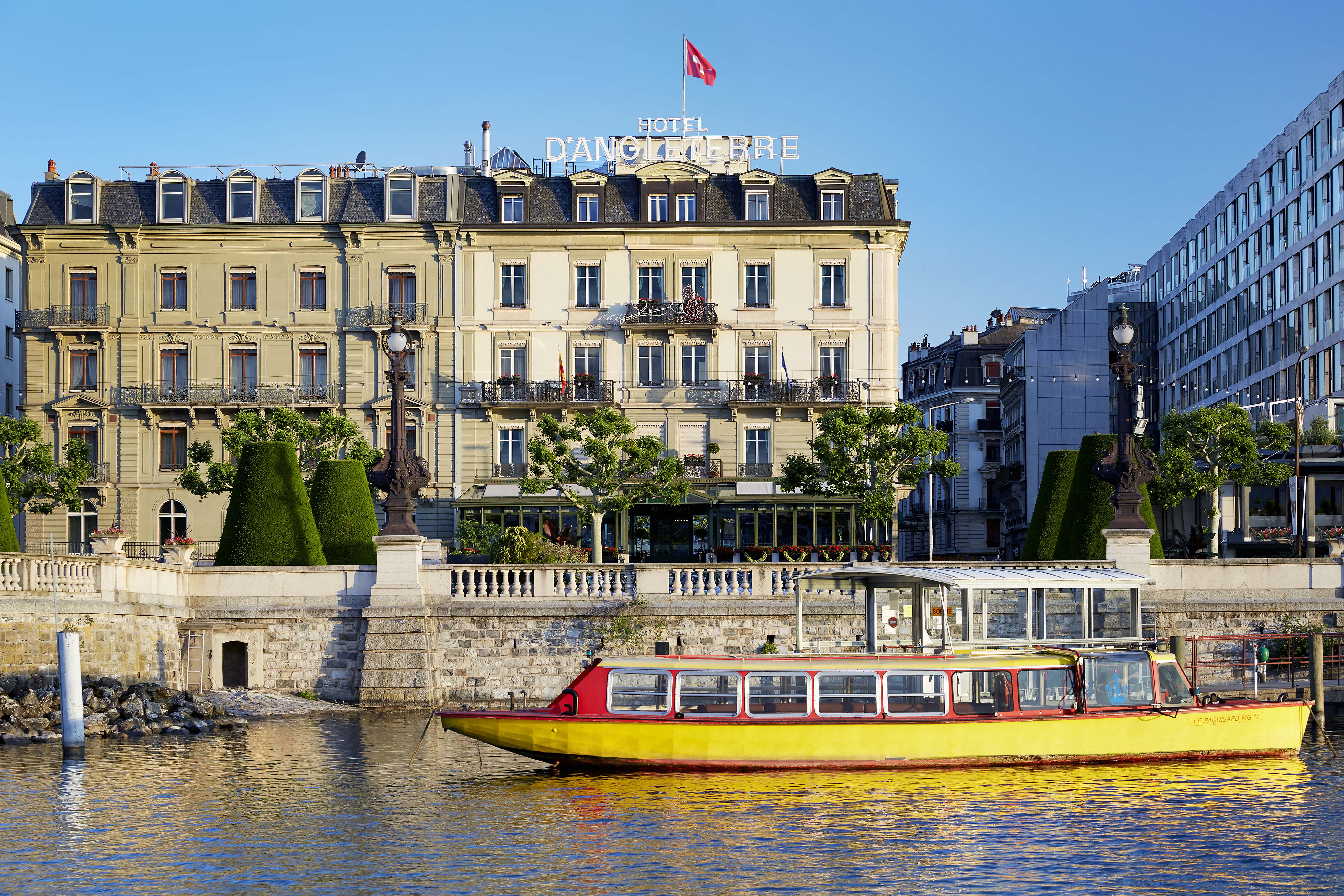
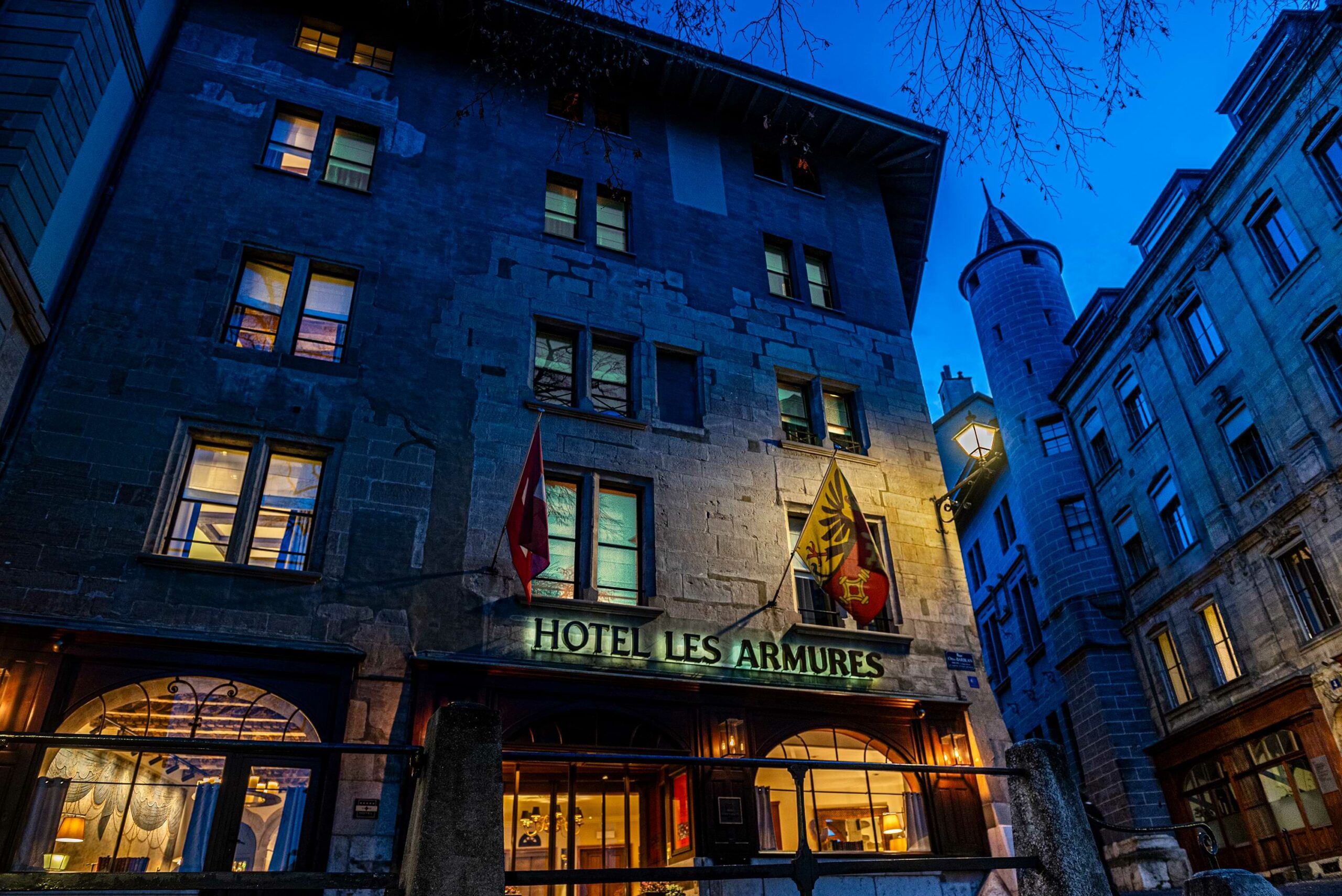
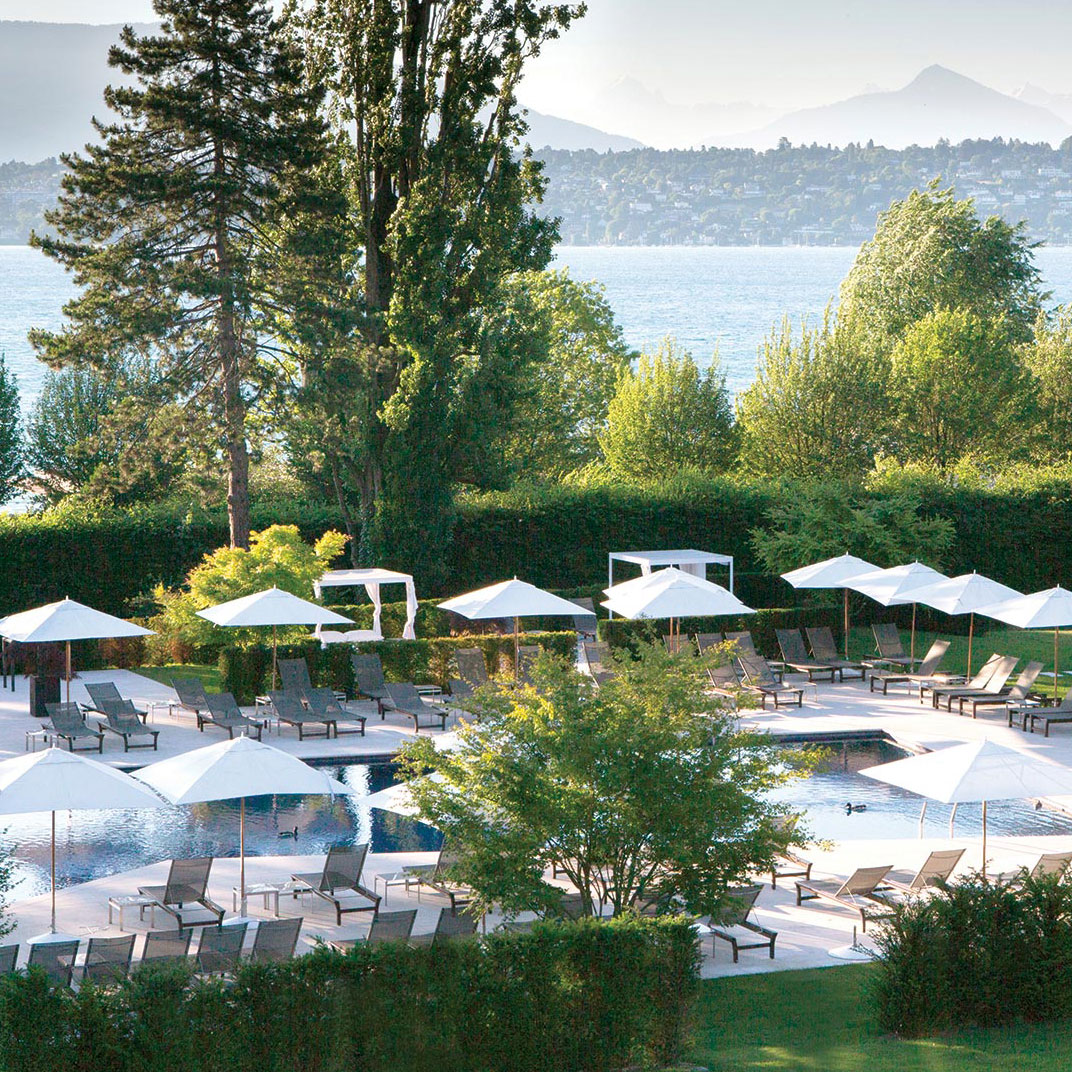
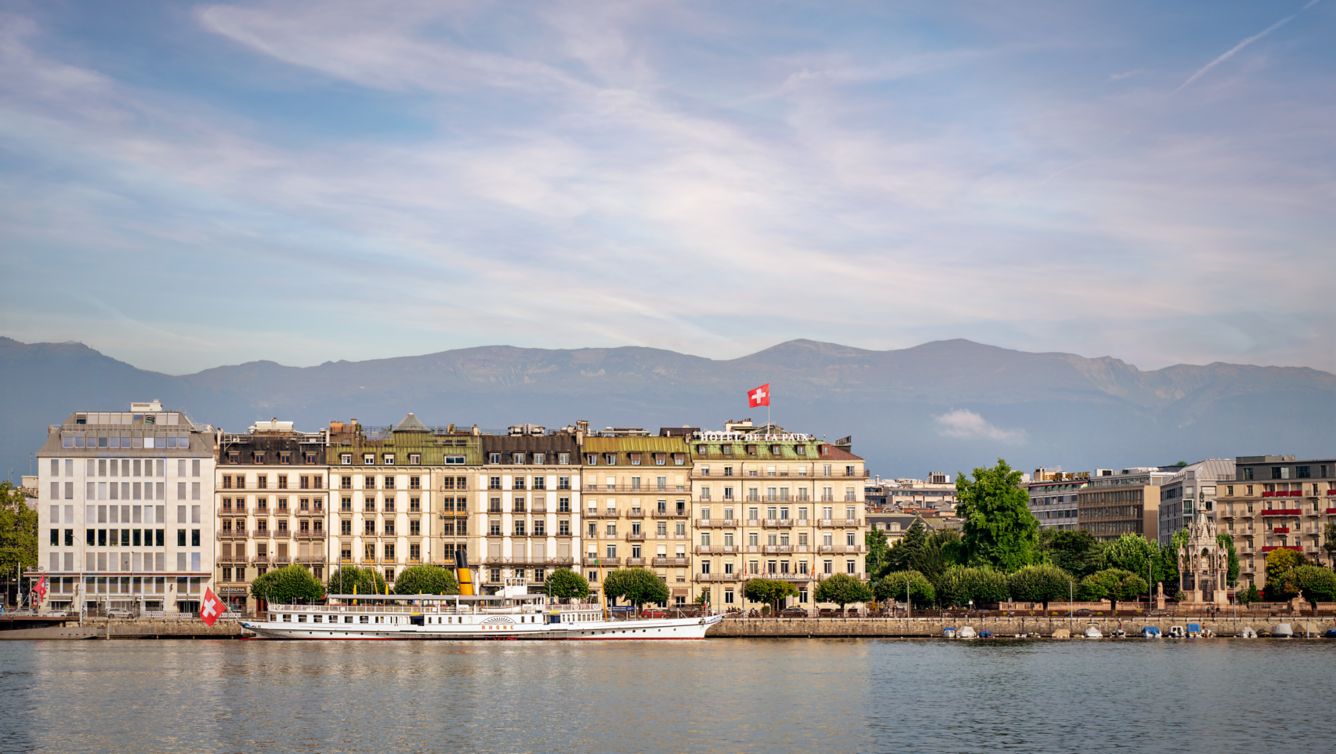
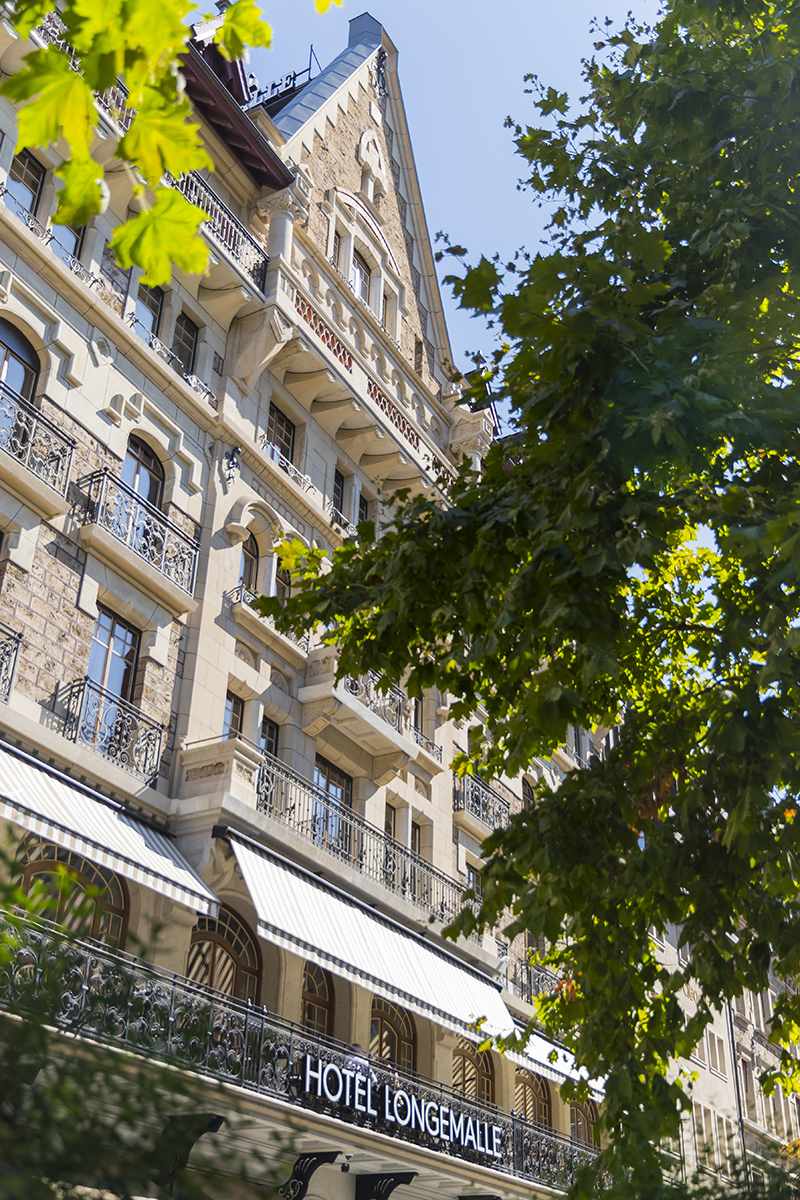
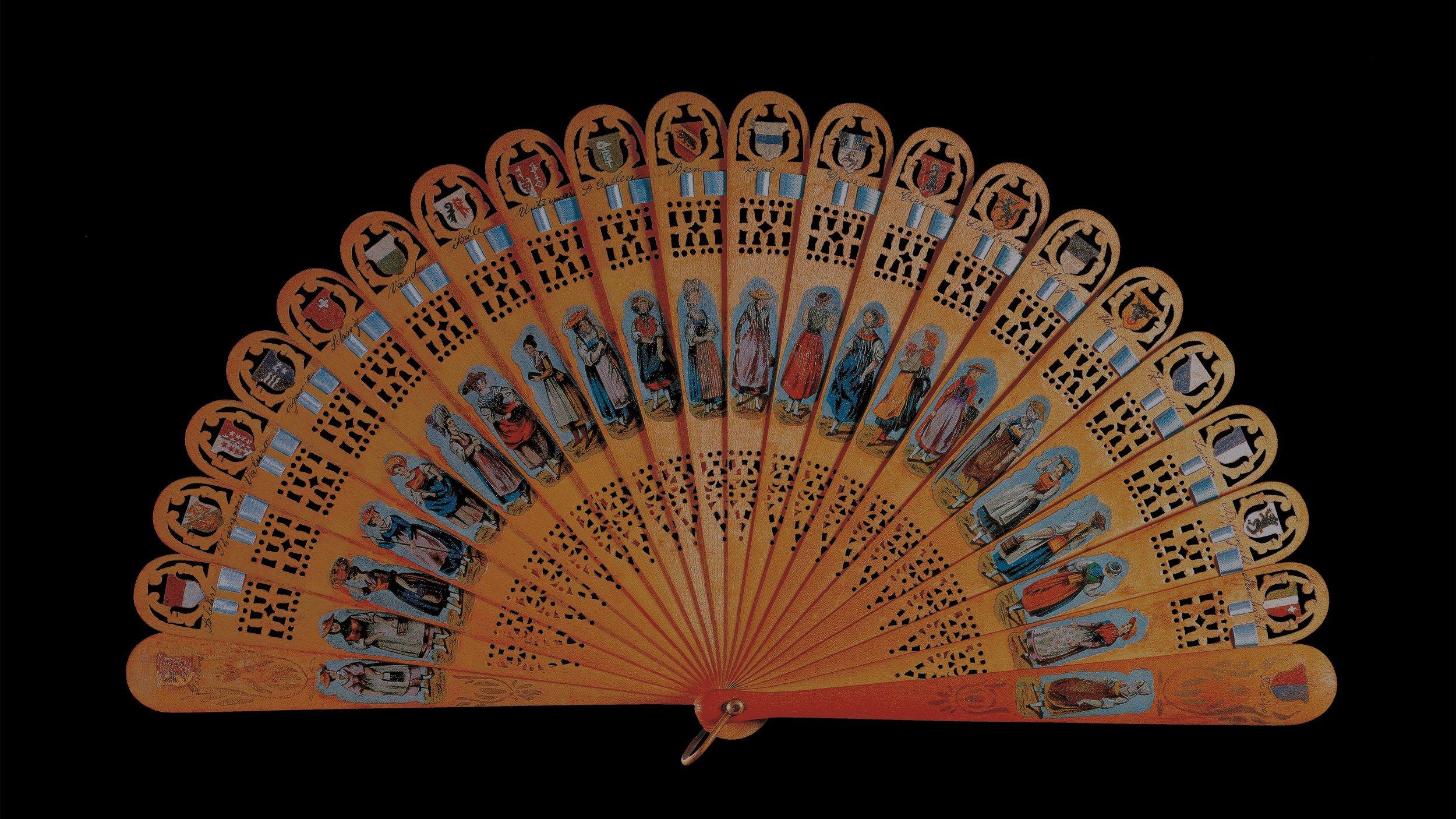
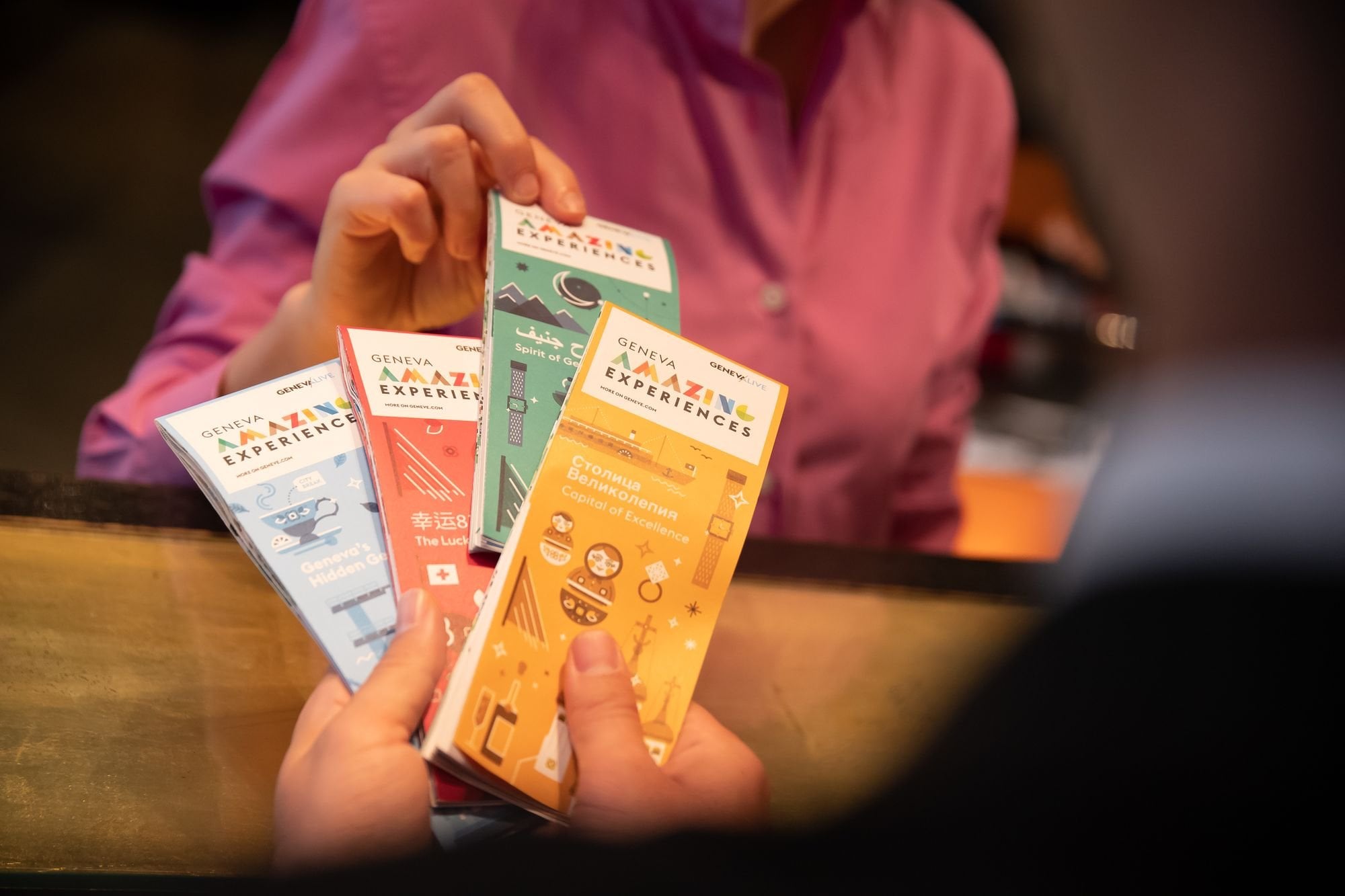
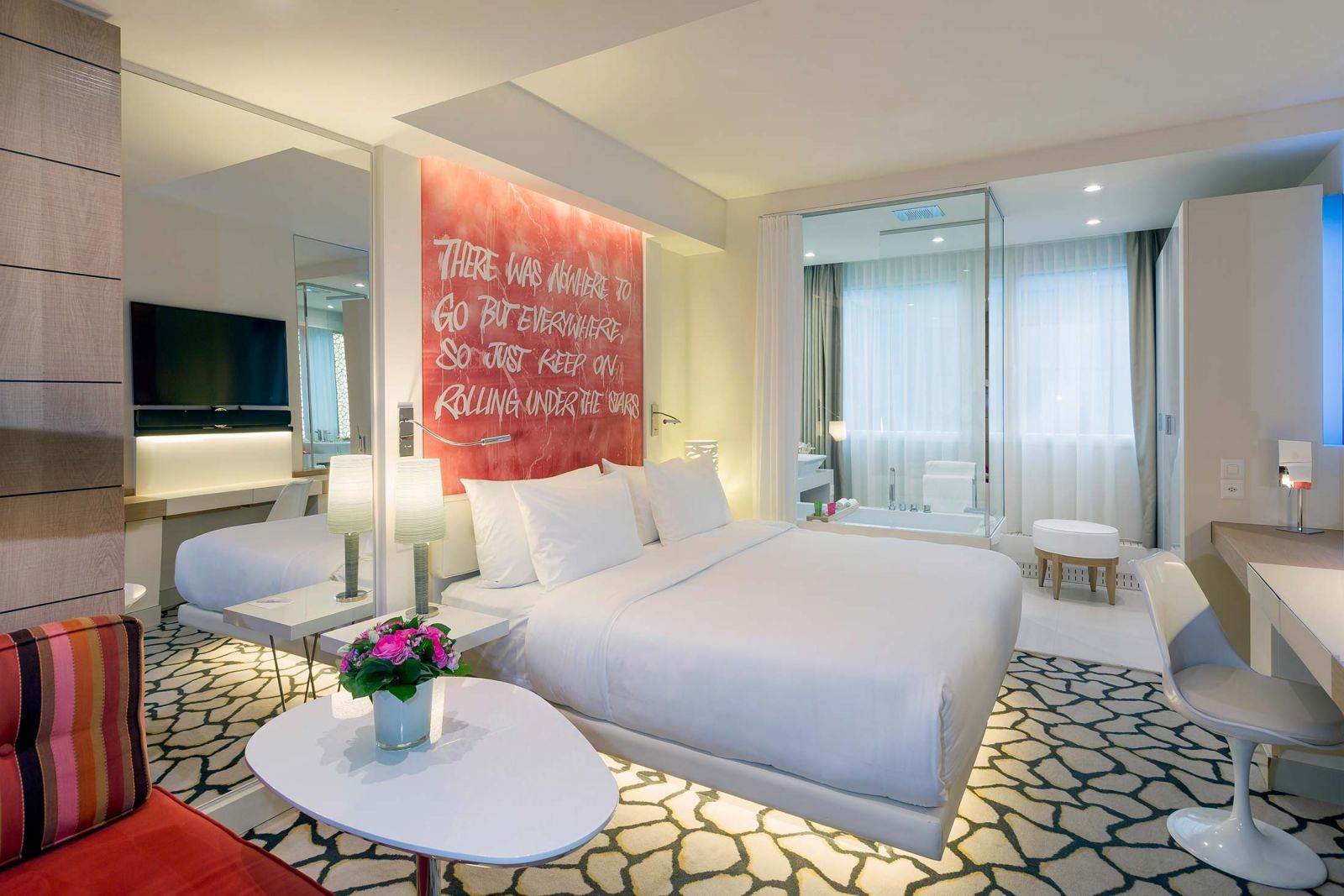
Things to Do in Geneva
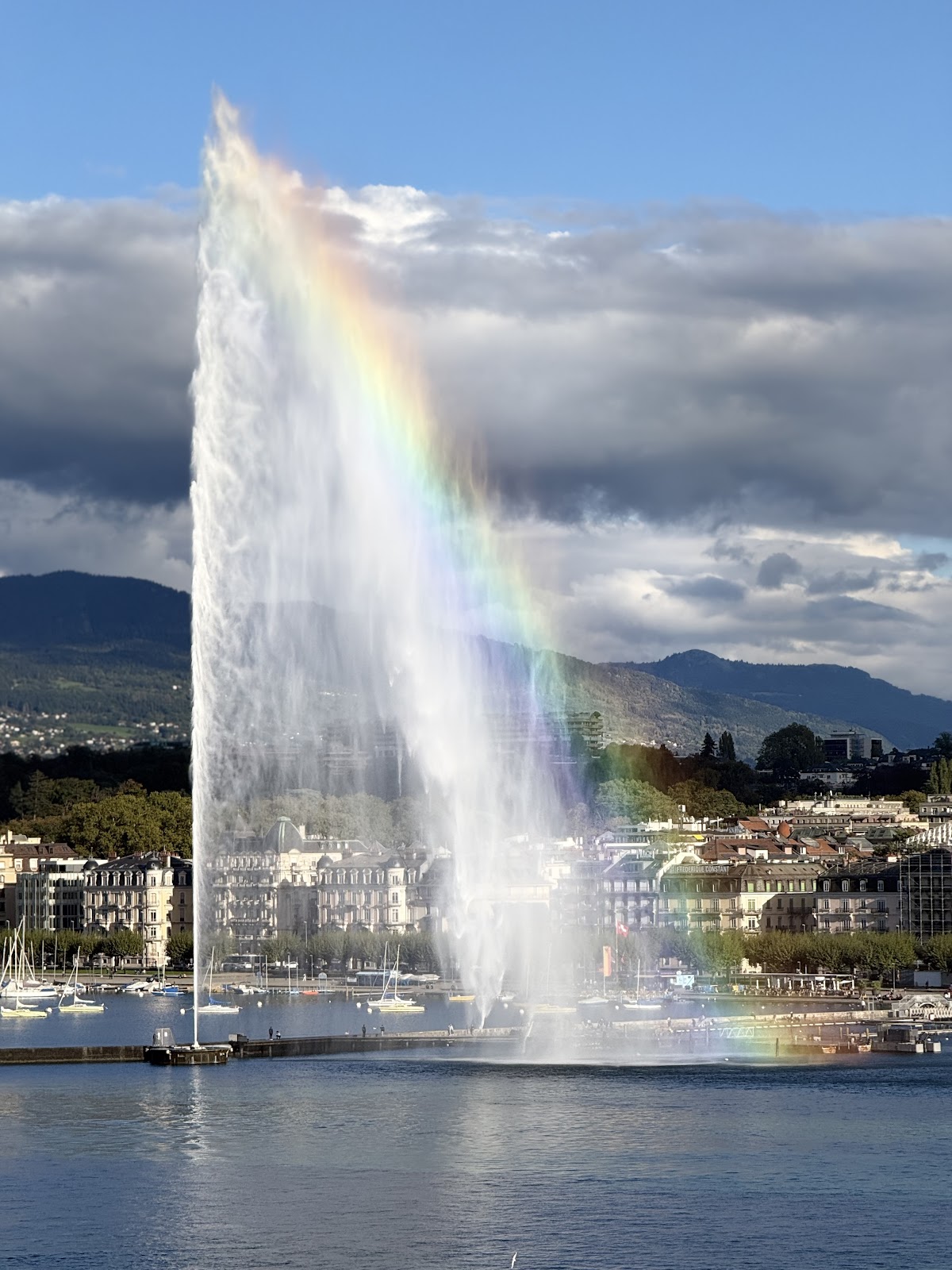
Jet d'Eau
Lakefront · 60 min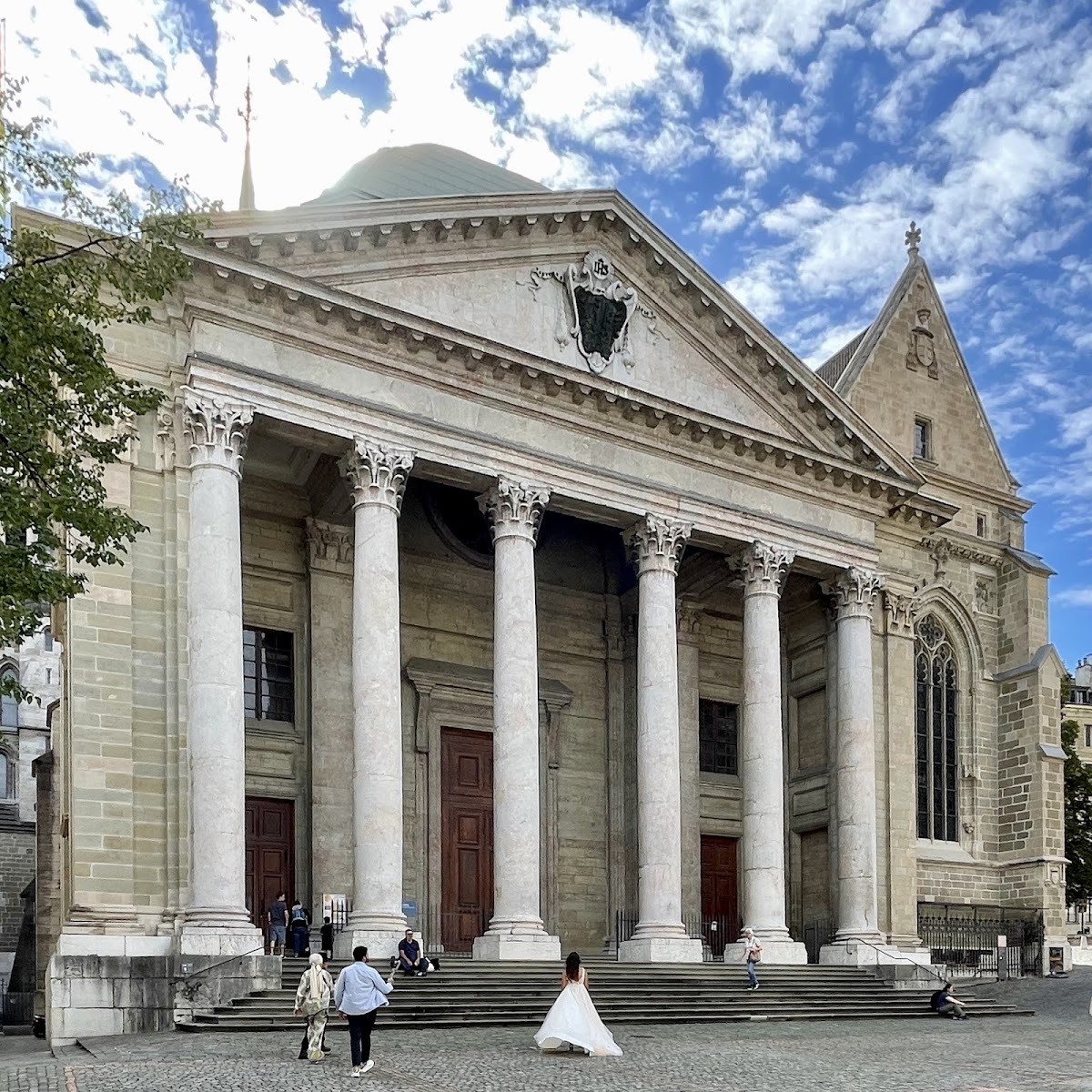
Cathédrale Saint Pierre
Vieille Ville · 90 min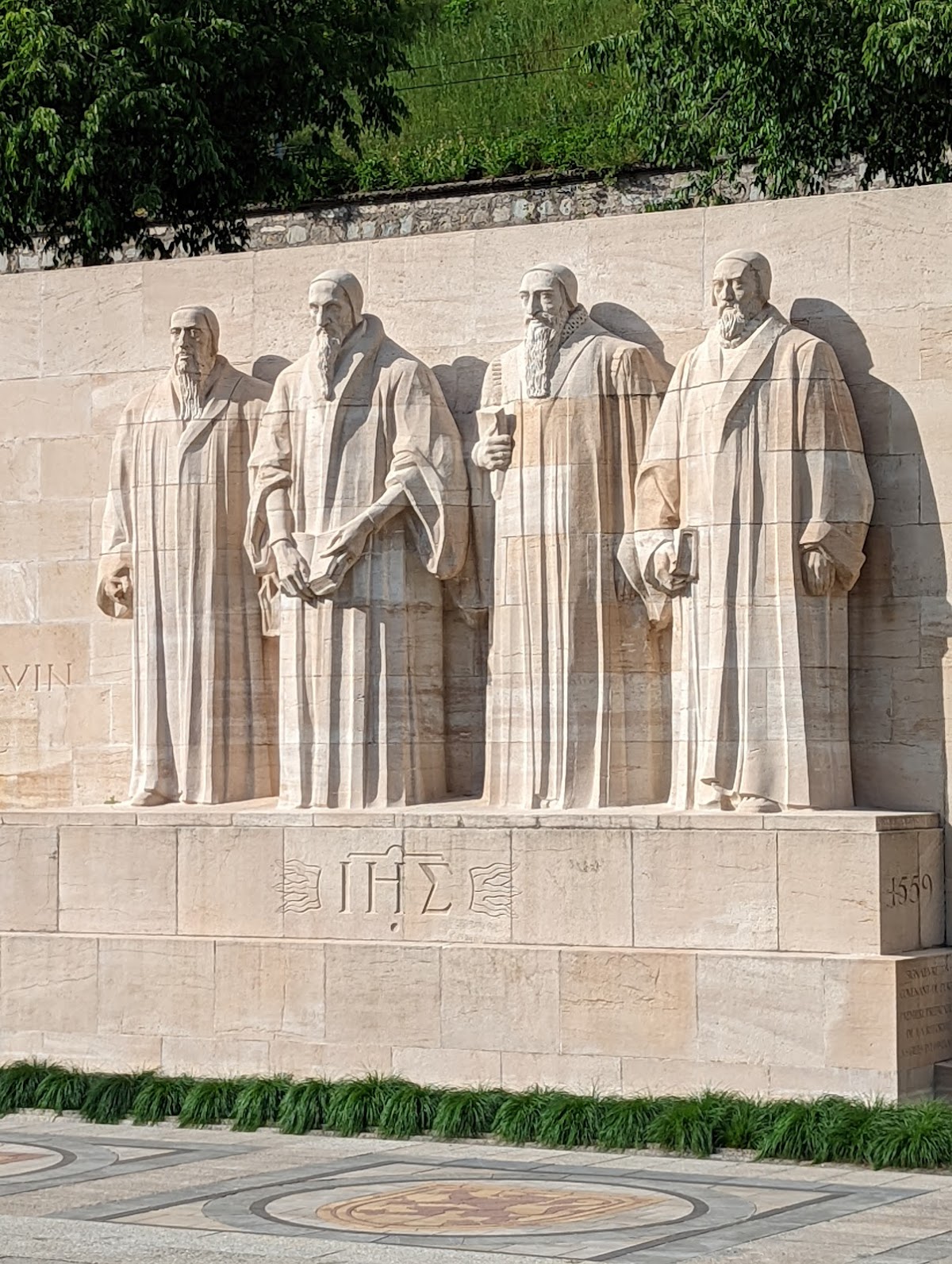
Reformation Wall
Vieille Ville · 45 minMoney-Saving Tips
- 1.Hotel rates drop 30-40% in winter months — November through March offers the best deals
- 2.Free transport cards from your hotel save 8-12 CHF daily on trams and buses
- 3.Supermarket picnics cost 15-20 CHF versus 50+ CHF restaurant meals — Coop and Migros have great prepared foods
- 4.Museum Pass (25 CHF) covers 60+ attractions and pays for itself after 3 visits
- 5.Happy hour at hotel bars (5-7pm) cuts cocktail prices from 18 CHF to 12 CHF
- 6.Lake swimming is free — public beaches at Genève-Plage and Bains des Pâquis cost nothing
- 7.Wednesday and Saturday markets offer local cheese and wine at better prices than tourist shops
- 8.Train day passes to nearby cities cost less than individual tickets — 25 CHF for unlimited regional travel
Travel Tips
- •Download the Geneva Transport app — real-time arrivals and mobile tickets make getting around effortless
- •Book restaurant reservations 2-3 days ahead, especially for dinner — Geneva dining scene is smaller than you'd expect
- •Carry a light jacket even in summer — lake breezes can drop temperatures 10 degrees after sunset
- •Learn basic French greetings — English works everywhere but locals appreciate the effort
- •Tipping isn't expected but rounding up bills shows appreciation — service charges are included
- •Swiss plugs are unique — bring the right adapter or buy one at the airport for 15 CHF
- •Banks close at 4:30pm and stay shut weekends — plan cash needs accordingly
- •Sunday shopping is limited — most stores close except tourist areas and train stations
- •Lake water is drinkable and clean — bring a water bottle to refill at public fountains
- •Hotel check-in starts at 3pm sharp — early arrivals can store luggage but rooms won't be ready