Île Sainte-Marie
Madagascar's Pirate Island Paradise
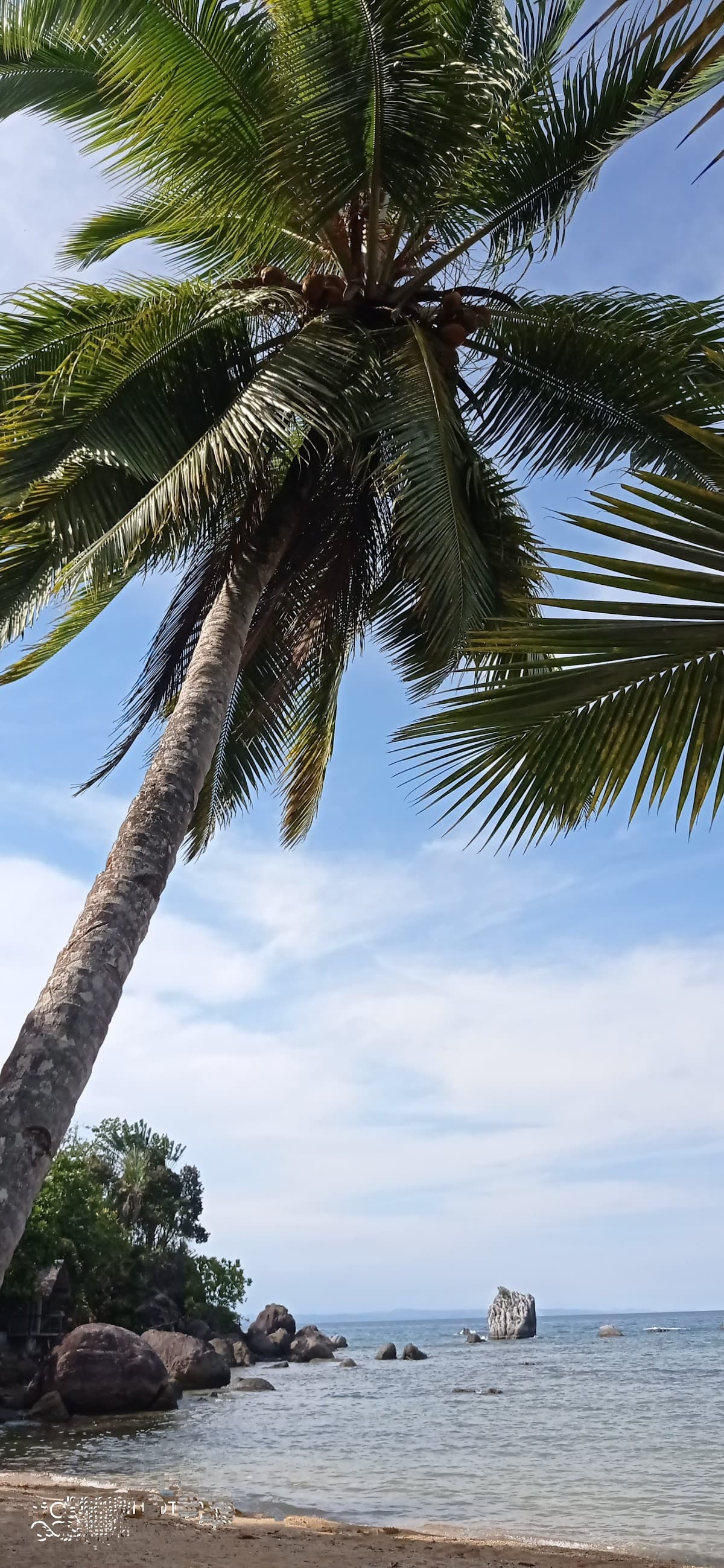
Forget everything you know about tropical islands. Île Sainte-Marie isn't your typical palm-fringed postcard destination – it's Madagascar's legendary pirate stronghold turned peaceful paradise. This 60-kilometer sliver of land off Madagascar's east coast once harbored some of history's most notorious buccaneers, including the infamous Captain Kidd. Today, their legacy lives on in crumbling tombstones and whispered legends, while pristine beaches and crystal-clear waters offer a completely different kind of treasure hunt. The locals call it Nosy Boraha, and with just 30,000 residents spread across fishing villages and coconut groves, it feels like stepping into a world where time moves at island pace. Here's the thing – you won't find cruise ship crowds or resort chains here. Instead, you'll discover empty beaches, genuine Malagasy hospitality, and the kind of authentic island experience that's becoming harder to find.
Best Months
APR – NOV
Culture & Context
PIRATE REPUBLIC REBORN
Île Sainte-Marie (officially Nosy Boraha in Malagasy) is a 60km-long sliver of island off Madagascar's northeast coast, and it carries more history per square kilometer than almost anywhere in the Indian Ocean. From roughly 1685 to the 1720s, it was the operational HQ of Indian Ocean piracy. William Kidd, Olivier Levasseur (La Buse), Thomas Tew, Henry Every — they all anchored here.
The island's sheltered bays made it perfect for ship repairs and resupply, and at its peak, an estimated 1,000 pirates called it home. Today the population of around 30,000 is predominantly Betsimisaraka — the result of centuries of mixed marriages between settlers, French colonists, and, yes, pirates. Catholicism is the main religion, and the island holds the oldest Catholic church in Madagascar, built in 1857 in Ambodifotatra.
The altar was reportedly a gift from Empress Eugénie, wife of Napoleon III. French colonial legacy runs through the culture and language. Most residents speak Malagasy first, French second, and English almost not at all outside of tourist-facing hotels.
The local dialect of Malagasy has its own flavor distinct from the highland Merina variety. Ancestral traditions — especially the system of fady (local taboos) — are alive and taken seriously, even on an island that welcomes tourists.
Local Customs
FADY RULES SACRED
Fady are ancestral taboos that vary by village and even by family. On Île Sainte-Marie specifically, certain sacred sites like the three coral islands near the coast are fady to visit on Tuesdays and Thursdays — show up on the wrong day and you'll be turned away. Ask your guesthouse before heading anywhere off the beaten path..
Never point at a grave or sacred site with your index finger. Use an open hand or nod your head in that direction. This applies at the Pirate Cemetery too, even though it's a tourist site..
Always ask before photographing people, especially in fishing villages. Some locals believe photography can interfere with a person's spirit. A smile and a quick 'azafady?
' (may I?) goes a long way, and a small tip is sometimes expected.. Accept food or gifts with both hands.
If someone offers you something to eat — even if you're not hungry — take at least a small portion. Refusing outright reads as rude.. Madagascar runs on cash.
Ariary only. Some upscale hotels accept Visa cards, but restaurants, markets, scooter rentals, and pirogues are cash only. Old-timers may still quote prices in Malagasy Francs (FMG), which are 5x the Ariary.
Always clarify which currency is being quoted.. Bargaining is expected at markets in Ambodifotatra. Do it with a smile.
Aggressive haggling over small amounts (a few hundred Ariary) doesn't read well — you're the one with the plane ticket.. Dress modestly when walking through villages or attending any local ceremony. Beach attire stays on the beach.
Covering up when you're off the sand is a basic courtesy that locals notice and appreciate.
Safety
EVACUATE OR ENDURE
Île Sainte-Marie is generally safe for tourists, but a few things are worth knowing. Medical facilities on the island are minimal — there's a small infirmary in Ambodifotatra that handles minor injuries and basic illness. Anything more serious requires evacuation to Tamatave (Toamasina) or Antananarivo.
Travel insurance with emergency medical evacuation coverage is not optional here. Petty theft happens in tourist areas, particularly in the port zone around Ambodifotatra. Keep valuables out of sight and don't leave anything unattended on the beach.
Police checkpoints operate throughout Madagascar — carry your passport and visa at all times. Travelers have occasionally reported harassment or requests for informal payments at these stops; stay calm, show your documents, and don't offer anything proactively. On the road: scooter accidents are a real risk given the condition of the roads and the state of many rental bikes.
Check your bike before you leave and never ride after dark — the roads have no lighting and potholes that appear without warning. Cyclone risk runs December through mid-April. Some hotels close during this period and accessing the island can become impossible for days at a stretch.
Getting Around
SCOOTER & PIROGUE
One road runs roughly north-south along the west coast. It's paved in parts, potholed everywhere else, and turns into a dirt track toward the north. Renting a scooter is the standard move — budget around 40,000 Ariary per day (roughly $9 USD) from rental shops near the port in Ambodifotatra.
If you're staying for a week or more, negotiate down to 25,000 Ar/day. Enduro bikes go for about 60,000 Ar/day for rougher terrain. Check the brakes before you commit — quality varies wildly.
Helmets are legally required. Tuk-tuks and taxis operate around Ambodifotatra for shorter hops. To reach Île aux Nattes, drive south to the tip of the island and take a pirogue — 5,000 Ariary per person each way, a 2-minute crossing.
To get to the island itself: the fastest option is the 45-minute domestic flight from Antananarivo with Air Madagascar or Tsaradia (around €170 one-way). Flights cancel and reschedule without much notice — build buffer days into your itinerary. The alternative is the ferry from Soanierana-Ivongo on the mainland, which takes 1.
5 to 4 hours depending on conditions and the boat. In rough weather, this crossing is genuinely unpleasant. Flying is worth the price for most people.
Useful Phrases
Money-Saving Tips
- 1.Bring cash in Malagasy Ariary – ATMs are scarce and card acceptance is limited outside upscale lodges
- 2.Negotiate taxi and boat prices upfront, especially for day trips to Île aux Nattes
- 3.Buy snorkeling gear in Antananarivo if you plan multiple water activities – rental costs add up quickly
- 4.Stock up on supplies in Ambodifotatra town before heading to remote areas where prices double
- 5.Book accommodation directly with lodges to avoid online booking fees that can add 15-20% to your bill
Travel Tips
- •Pack reef-safe sunscreen – the tropical sun is intense and coral protection is important
- •Bring a waterproof bag for boat trips between islands and beach hopping
- •Download offline maps before arriving – internet connectivity is spotty outside main areas
- •Pack insect repellent for evening dining and early morning activities
- •Learn basic French phrases – it's more widely spoken than English outside tourist areas
- •Bring a headlamp or flashlight – power outages are common and street lighting is minimal
Frequently Asked Questions
Explore Île Sainte-Marie
BUILD YOUR
ÎLE SAINTE-MARIE PLAN
Insider picks, smart timing, and a plan ready when you are.
Start Planning