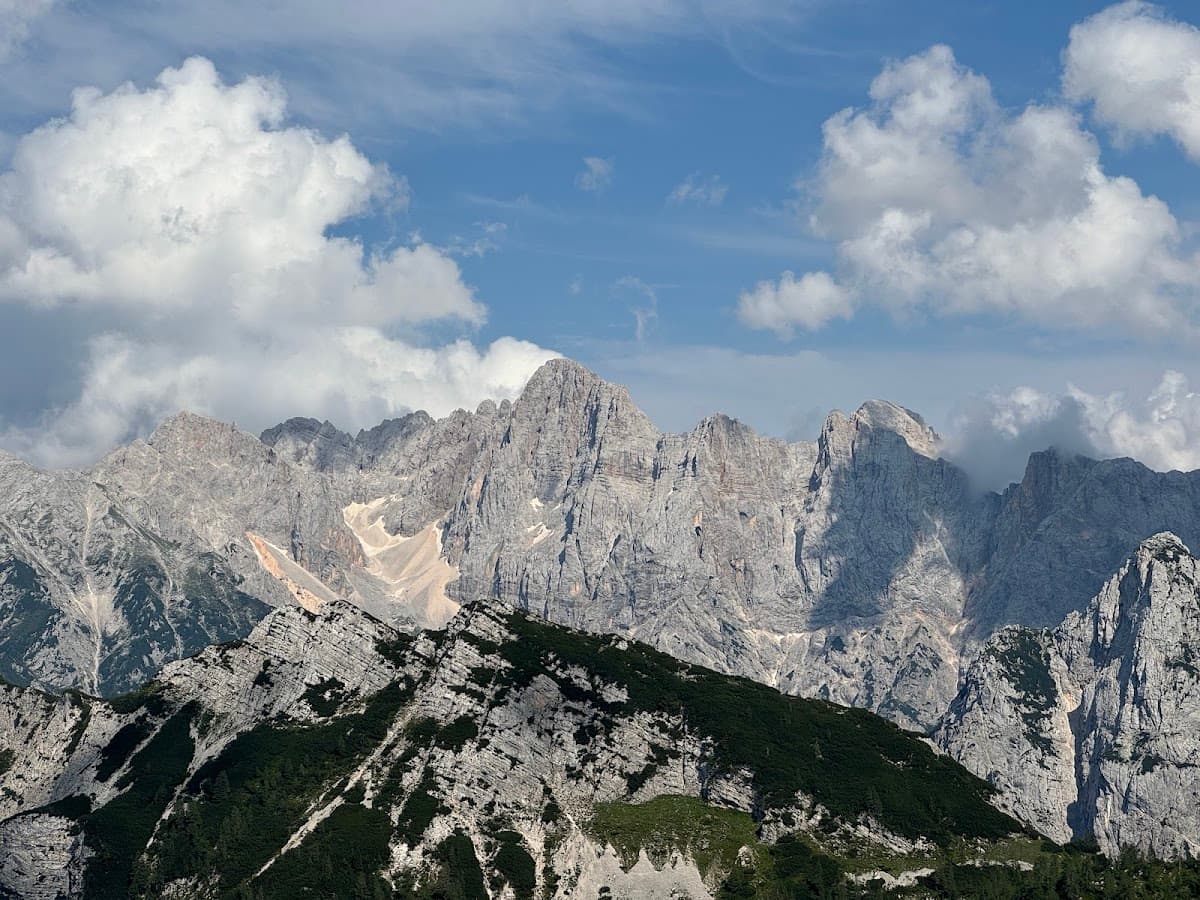
Julian Alps
Slovenia's dramatic peaks offering pristine alpine adventures and emerald valleys
The Julian Alps rise from Slovenia like a secret Europe forgot to tell you about. These limestone giants cradle emerald lakes, hide pristine valleys, and offer mountain adventures without the Alpine crowds. Lake Bled gets the Instagram fame, but venture deeper into Triglav National Park and you'll find trails that feel like your own private mountain kingdom. The peaks here don't mess around - they're sharp, dramatic, and absolutely stunning. But here's what makes the Julian Alps special: you can hike all morning, then sit down to incredible local food in a valley village where the server probably grew up on these very slopes.
Itineraries coming soon
We're working on adding amazing itineraries for Julian Alps. In the meantime, try the app to create your own!
Money-Saving Tips
- 1.Mountain huts cost €15-25 per night and include breakfast - much cheaper than valley hotels
- 2.Buy groceries in larger towns like Kranjska Gora before heading into remote areas where prices jump
- 3.Many trails are free, but Triglav National Park charges €7 for parking at popular trailheads
- 4.Rent gear in Ljubljana before arriving - mountain towns charge premium prices for equipment
- 5.Local buses cost under €5 between major towns, much cheaper than taxis or private transfers
- 6.Restaurant portions are huge - consider sharing mains and ordering extra sides instead
- 7.Wild camping is prohibited in the national park, but designated camping areas cost only €8-12 per person
Travel Tips
- •Download offline maps - cell service disappears quickly once you leave valley floors
- •Pack layers even in summer - weather changes dramatically with altitude
- •Book mountain huts well in advance for July-August, they fill up completely
- •Learn basic Slovenian greetings - locals appreciate the effort, especially in smaller villages
- •Carry cash - many mountain huts and small restaurants don't accept cards
- •Start hikes early to avoid afternoon thunderstorms, especially on exposed ridges
- •Check weather conditions before attempting higher peaks - conditions change rapidly
- •Bring a headlamp even for day hikes - some trails involve short tunnel sections
- •Water from mountain streams is generally safe to drink, but bring purification tablets as backup
- •Respect wildlife - brown bears live in these mountains, though encounters are extremely rare