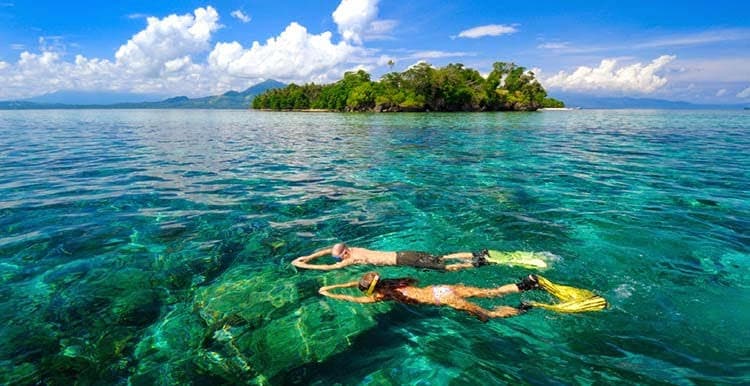
Karimunjawa
Pristine coral reefs and tropical paradise near Java
Look, most people rush straight to Bali and miss Indonesia's best-kept secret entirely. The Karimunjawa Islands sit just 90 kilometers north of Java's coast, but they feel like another world entirely. Twenty-seven small islands scattered across the Java Sea, with only five inhabited and the rest left to sea turtles and monitor lizards.
Here's what makes this place special: the coral reefs here are some of Indonesia's healthiest. The water runs so clear you can see tropical fish from your boat before you even jump in. And unlike Bali's crowded beaches, you'll find stretches of white sand where your footprints might be the only ones all day.
But Karimunjawa isn't for everyone. Getting here takes effort – think overnight ferries or tiny propeller planes. The infrastructure is basic, WiFi spotty, and your biggest dining decision will be grilled fish or fried rice. If you need luxury resorts and nightlife, this isn't your spot. If you want to swim with sea turtles in water so blue it hurts your eyes, pack your bags.
Best Months
APR – OCT
~33°C · moderate crowds
Culture & Context
SEVEN TRIBES, ONE ISLAND
Karimunjawa is home to at least seven ethnic groups: Javanese, Madurese, Bugis, Mandar, Buton, Bajo, and Malay. The Bugis community in Batulawang village on Kemujan Island maintains its distinct identity most visibly, with traditional stilt houses lining the Telaga intersection near Telaga Mosque. Most of the archipelago has drifted toward Javanese language and customs over generations, though Bugis families still speak their mother tongue at home.
The islands are predominantly Muslim. That shapes daily life in practical ways. Friday prayers matter, and modest dress at local beaches and in the town is expected and appreciated.
The sacred Dewadaru tree is considered to have spiritual significance by many locals and its wood is not taken lightly. The Barikan Kubro ceremony, started in 2015, brings all six tribes together at village junctions with offerings of tumpeng rice and seafood to ward off misfortune and foster unity. It's not a tourist performance — it's a real community ritual.
Locals are warm and curious about foreign visitors, though English is rarely spoken outside of tour operators and hotel staff. A few words in Javanese or Bahasa Indonesia go a long way.
Local Customs
MUSLIM COURTESY MATTERS
The islands are predominantly Muslim. Dress modestly when visiting the town, local beaches, and any village area. A sarong over swimwear costs nothing and earns real goodwill..
The salim gesture — where a younger person touches the back of an elder's hand lightly to their forehead — is a standard respectful greeting. If an elder extends their hand, mirror the gesture.. Gotong royong is the community principle of mutual cooperation.
Don't be surprised if locals include strangers in shared meals, tasks, or conversations without expecting anything back. Participate when invited.. At the Menjangan Besar shark conservation area, no touching the sharks.
The guides enforce this. Interacting with baby blacktip reef sharks is genuinely special, but the no-contact rule exists for good reasons.. The Barikan Kubro ritual at village intersections involves food offerings and prayers from multiple ethnic communities.
If you encounter it, watch respectfully from a distance unless actively invited closer.. Friday midday prayers mean the town quiets down noticeably around 11:30 AM. Plan your scooter ride or lunch run around it..
Seafood at the alun-alun night market is fresh and local. Pointing and gesturing works fine for ordering. Asking 'berapa harga?
' (how much?) before committing to a plate is smart — prices aren't always posted.
Safety
RESPECT THE WAVES
The biggest practical risk in Karimunjawa isn't crime — it's the sea. Ferries cancel or reschedule when waves get rough, especially December through February. The December 31, 2014 incident where roughly 500 tourists were stranded for three days (waves hit 3.
5 meters, ATMs ran out of cash) is the cautionary tale locals still tell. Always build at least one buffer day into your itinerary before onward travel. Check wave forecasts at the Indonesian weather service (BMKG) — search 'Prakiraan Tinggi Gelombang' for the Java Sea section.
The fast boat crossing can get choppy. Bring motion sickness tablets if you're prone. VIP seating on the Express Bahari is worth the extra IDR 30,000 — the standard class gets loud and crowded on peak days.
Cash is critical. ATMs on the island are limited and run dry during peak holidays. Bring enough rupiah from Jepara or Semarang.
Card payments are not widely accepted at warungs, local boats, or smaller guesthouses. The water and marine activities are generally safe. The national park has conservation rules in place — no anchoring on coral, no touching marine life.
Abide by these. The currents around the outer islands can be strong for inexperienced swimmers, so go with a guide for snorkeling outside the main island. Dress modestly away from the beach.
The community is predominantly Muslim and respectful behavior is noticed and appreciated. There are no clubs, and the only bar scene is at Cumibar lounge. This is not a party island.
Getting Around
FERRY FIRST, SCOOTER SECOND
Everything starts with getting to Jepara. From Semarang, it's about 2 hours by road. From Yogyakarta, budget 5–6 hours by minivan or shared car — most Yogyakarta guesthouses can book overnight transport that drops you at Pelabuhan Kartini by dawn in time for an 8 or 9 AM ferry.
From Jakarta, it's a 12-hour direct bus to Jepara or a 4–7 hour train to Semarang followed by a bus connection to the port. At the harbor, two ferry choices: Express Bahari fast boat (2.5 hours, IDR 200,000 standard / IDR 230,000 VIP) and Siginjai slow ferry (5 hours, IDR 92,500 economy / IDR 150,000 VIP).
The fast boat runs Monday, Tuesday, Friday, and Saturday from Jepara at roughly 9 AM. The slow ferry runs Monday, Wednesday, Thursday, Friday, and Saturday at roughly 7 AM. Be at the pier at least an hour before departure.
The Express Bahari app blocks foreign credit cards — use karimunjawaboratticket.com or have your hotel buy tickets on your behalf. On the island, scooters rent for IDR 100,000 per day from multiple points near the harbor.
There's no public bus or taxi system. Tour packages typically include shared boat transport for island-hopping. For the return trip, confirm your ferry schedule with your accommodation a day ahead — departure times change without much notice and the coast guard has final say based on wave height.
Useful Phrases
Money-Saving Tips
- 1.Bring cash – ATMs are unreliable and most places don't accept cards. The one working ATM in town often runs out of money on weekends.
- 2.Negotiate boat prices directly with captains at the harbor instead of booking through your hotel. You can save 30-40% with some friendly bargaining.
- 3.Share boat costs with other travelers. Post in backpacker Facebook groups or ask your guesthouse to connect you with others heading to the same islands.
- 4.Eat at local warungs instead of hotel restaurants. A meal at a family-run place costs 20,000-35,000 rupiah versus 80,000+ at tourist-focused spots.
- 5.Book accommodation directly rather than through booking sites. Many places offer cash discounts of 10-15% for direct bookings.
- 6.Stock up on snacks and drinks in Semarang before taking the ferry. Everything costs 2-3x more on the islands.
- 7.Rent snorkeling gear in town (25,000 rupiah per day) instead of paying tour operators who charge 50,000 rupiah for basic equipment.
Travel Tips
- •Pack reef-safe sunscreen – the coral here is too precious to damage with chemicals. Local shops don't sell it, so bring your own.
- •Bring a waterproof phone case and dry bag. You'll be in and out of boats all day, and unexpected rain showers are common.
- •Download offline maps before arriving. Cell coverage is spotty, and WiFi at most accommodations barely loads WhatsApp messages.
- •Pack a good flashlight or headlamp. Power outages happen regularly, and walking around town at night without light is treacherous.
- •Bring seasickness medication if you're prone to motion sickness. The ferry ride from Semarang can be rough, especially during shoulder seasons.
- •Learn basic Indonesian phrases. English is limited outside of main tourist areas, and locals appreciate any effort to speak their language.
- •Respect local customs – this is a conservative Muslim community. Cover up when walking through town, especially women visiting mosques or local markets.
- •Be flexible with your schedule. Weather, boat availability, and local events can change plans quickly. Build extra days into your itinerary.
- •Bring a reusable water bottle and purification tablets. Plastic waste is a real problem here, and tap water isn't safe to drink.