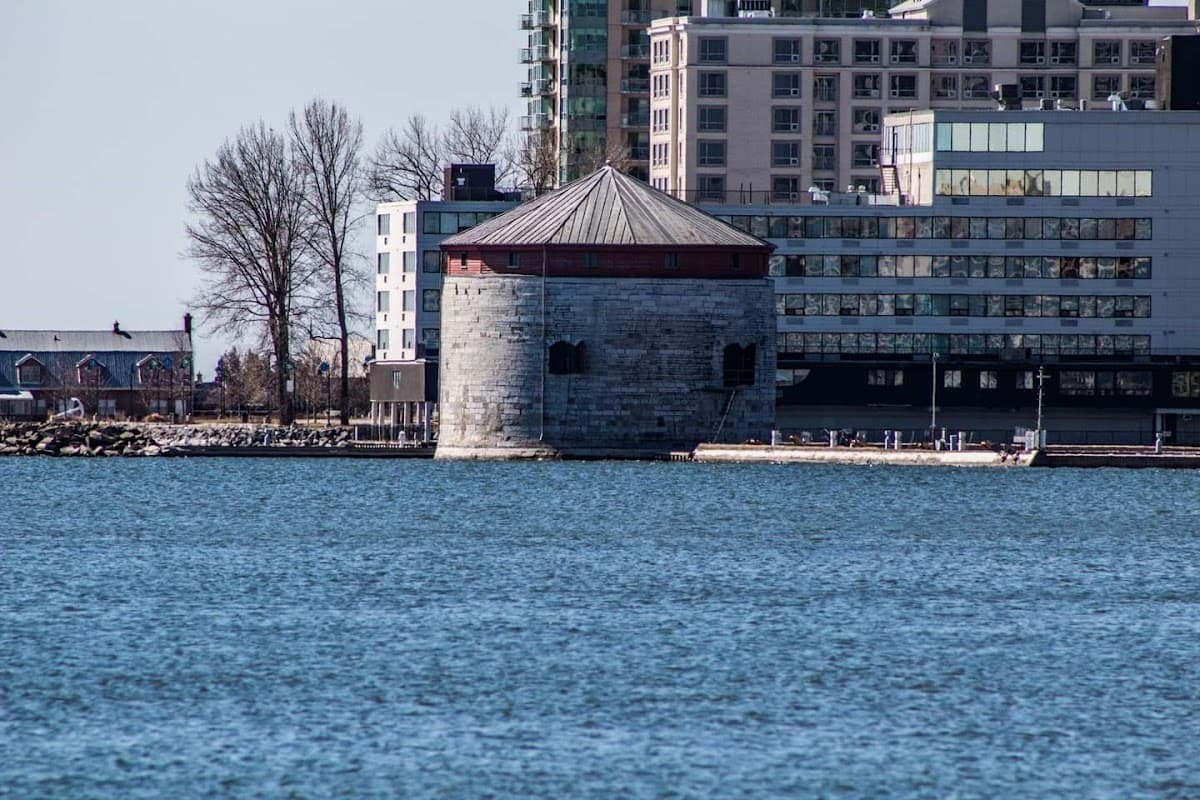
Kingston
Reggae birthplace where music legends and culture collide
Kingston isn't your typical Caribbean postcard. This is Jamaica's beating heart - raw, real, and absolutely electric. Bob Marley's ghost still haunts the studios of Hope Road. Street art explodes across downtown walls. And when the sun sets, the sound systems fire up across the city.
Sure, you won't find pristine beaches here. Kingston is about culture, not coastlines. It's where reggae was born, where dancehall rules the night, and where every corner tells a story. The Blue Mountains loom overhead while the Caribbean Sea stretches endlessly south.
Most tourists skip Kingston for Montego Bay or Negril. Their loss. This city rewards the curious traveler with experiences you simply can't get anywhere else. Just come prepared for the intensity - Kingston doesn't do anything halfway.
Best Months
JAN · FEB · MAR · APR · DEC
~29°C · high crowds
Culture & Context
REGGAE HEARTBEAT UNFILTERED
Kingston is the birthplace of reggae and dancehall — two of the most globally influential music genres ever created. That's not marketing copy, it's just the truth. The city's relationship with music is structural, not decorative. Sound system culture, recording studios, and live performances are woven into the fabric of daily life. You can catch roots reggae live most nights of the week in downtown clubs.
The city splits hard between Uptown and Downtown — a divide that's as much social class as geography. Downtown is where government offices, historic markets, and the original port sit, alongside the inner-city communities that generate most of the crime statistics. Uptown (New Kingston, Cherry Gardens, Norbrook) is where Jamaica's professional and diplomatic class lives. The gap between these two worlds is jarring and real.
The Bob Marley Museum on Hope Road, Trench Town Culture Yard (Marley's childhood neighborhood), the National Gallery of Jamaica (oldest and largest public art gallery in the Anglophone Caribbean), and the University of the West Indies campus give Kingston genuine intellectual and cultural depth that resort towns simply don't have.
English is Jamaica's official language, but Jamaican Patois (Creole) dominates everyday conversation. It's rooted in West African languages blended with English, Spanish, Portuguese, and Arawak influences. You don't need it — every tourist area has English speakers — but knowing even a few phrases transforms how locals receive you. Since 2024, Patois-integrated walking tours around Devon House and the Bob Marley Museum have surged in popularity.
Kingston is also home to a significant Rastafarian community. The culture, philosophy, and music of Rastafari have global reach, but it's important not to reduce all of Jamaican identity to this one thread. Jamaica is complex, modern, politically active, and often contradictory — which is what makes it so compelling.
Local Customs
PATOIS RESPECT UPTOWN RULES
Always ask permission before photographing locals up close — especially vendors, children, or people at cultural or ceremonial sites. Pointing a camera without asking is considered disrespectful.. Wearing camouflage clothing is illegal in Jamaica for civilians.
This includes shirts, shorts, hats, bags, and even children's clothing. Customs officers will flag it and it's not worth the hassle.. LGBTQ+ travelers should exercise discretion in public.
Jamaican society is largely conservative on this issue, and same-sex male intimacy remains on the books as illegal. The underground scene exists, mainly in Kingston, but public displays of affection between same-sex couples attract unwanted attention.. Never resist a robbery.
If someone demands your phone or wallet, hand it over. Locals and every travel advisory echo the same thing: possessions aren't worth your life.. Greet people first.
Walking into a shop or approaching a vendor without saying 'Wah Gwaan' or at least 'Good morning/afternoon' comes across as rude. Jamaicans appreciate the acknowledgment.. Don't assume all Jamaicans are Rastafarian or bring up marijuana stereotypes.
The culture is far more complex and layered. Many Jamaicans find the reduction of their identity to Bob Marley and ganja pretty tired.. Haggling is acceptable at markets like Coronation Market, but do it politely and with a smile — aggressive bargaining doesn't land well..
Only use taxis from hotels or the JUTA (Jamaica Union of Travellers Association) system — they carry red license plates. Never flag down unmarked cars, no matter how convincing the driver seems.. When driving from Norman Manley International Airport into Kingston, take South Camp Road (the Hummingbird Route) — not Mountain View Avenue, where robberies have been reported..
Jamaican time is a real thing. 'Mi soon come' is not a precise commitment. Plan accordingly, especially for informal arrangements..
Dress modestly outside tourist and upmarket areas. Kingston is an urban working capital, not a beach resort. Swimwear belongs at the pool, not on Hope Road.
Safety
UPTOWN SAFE DOWNTOWN CAREFUL
Jamaica is a US Level 2 (Exercise Increased Caution) destination as of January 2026, after being briefly elevated to Level 3 following Hurricane Melissa in late 2025. The recovery has been swift. Most tourist infrastructure is fully operational.
The honest picture: Kingston has a high homicide rate concentrated in specific inner-city neighborhoods — Tivoli Gardens, Trench Town, West Kingston, Arnett Gardens, Denham Town, August Town, and the broader downtown area south of Mountain View Ave. These are off-limits, full stop. There's zero tourist reason to be there.
Where visitors actually go — New Kingston, Hope Road, Liguanea, Half Way Tree, Port Royal — is a very different story. Most travelers move through these areas without incident when they follow common-sense rules.
Key safety rules: Use Uber (it works well in Kingston) or hotel-arranged taxis. Never flag down unmarked vehicles. Avoid walking alone at night anywhere, even in safer uptown areas. Use indoor ATMs inside banks — not street machines. Keep phones, jewelry, and cameras low-profile. Don't leave drinks unattended in bars.
Emergency numbers: Police 119 | Ambulance/Fire 110 | U.S. Embassy Kingston: +1-876-702-6000.
Hurricane season runs June–November. Kingston's south coast location means it gets less rain than the north coast, but always monitor forecasts during this period.
Getting Around
ROUTE TAXIS & TAXIS
Getting around Kingston requires planning — there's no metro or train. Here are your options:
JUTC buses cover the city on fixed routes. Adult fare starts at J$120 (under $1 USD). Cheap and authentic, but overcrowded and not recommended for tourists after dark.
Route taxis are shared Toyota Corollas running fixed routes — the true local experience. Pay J$100–200 ($0.65–1.30 USD) per ride. Half Way Tree is the main transport hub for route taxis island-wide. Crowded but efficient during the day.
Licensed taxis (red license plates, PPV prefix) are safer for tourists. Fares within Kingston run J$500–2,000 ($3–13 USD). Always agree on the fare before getting in.
Uber works well in New Kingston and is probably the easiest option for visitors. Use it especially at night.
Knutsford Express is the gold standard for intercity travel — air-conditioned coaches with reliable schedules. Kingston to Montego Bay costs about $16 USD (2,500 JMD).
From the airport: Norman Manley International Airport sits on the Palisadoes peninsula, about 25–30 minutes from New Kingston in light traffic. Take South Camp Road (Hummingbird Route) — not Mountain View Avenue. A private transfer runs around $48 USD one-way.
Car rental is possible (Budget and Avis operate in Kingston) but driving in the city is genuinely chaotic — rush hour on Washington Boulevard and Half Way Tree can add 30–60 minutes. Drive on the left. If you get lost, stop and ask rather than wandering into unfamiliar areas.
Useful Phrases
Kingston Itineraries
View all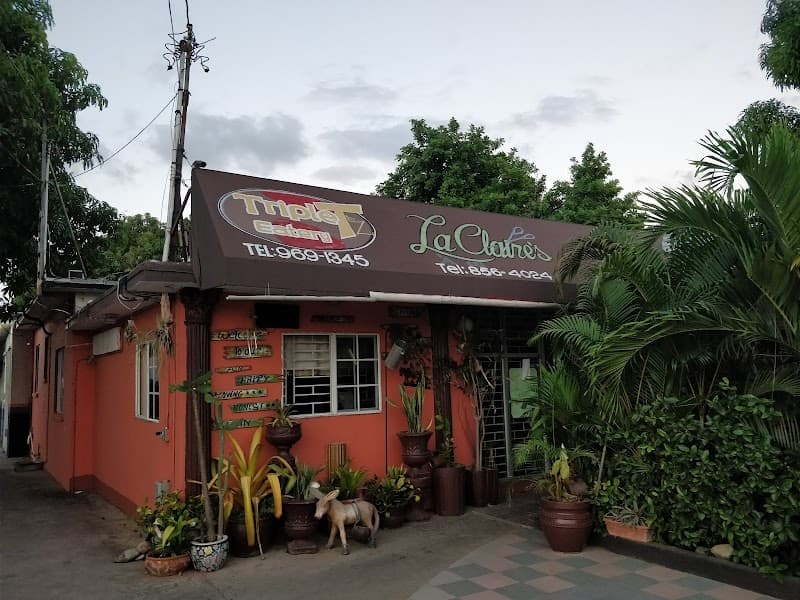
7 Days in Kingston: Business Base with Cultural Flavor
Week · $$$
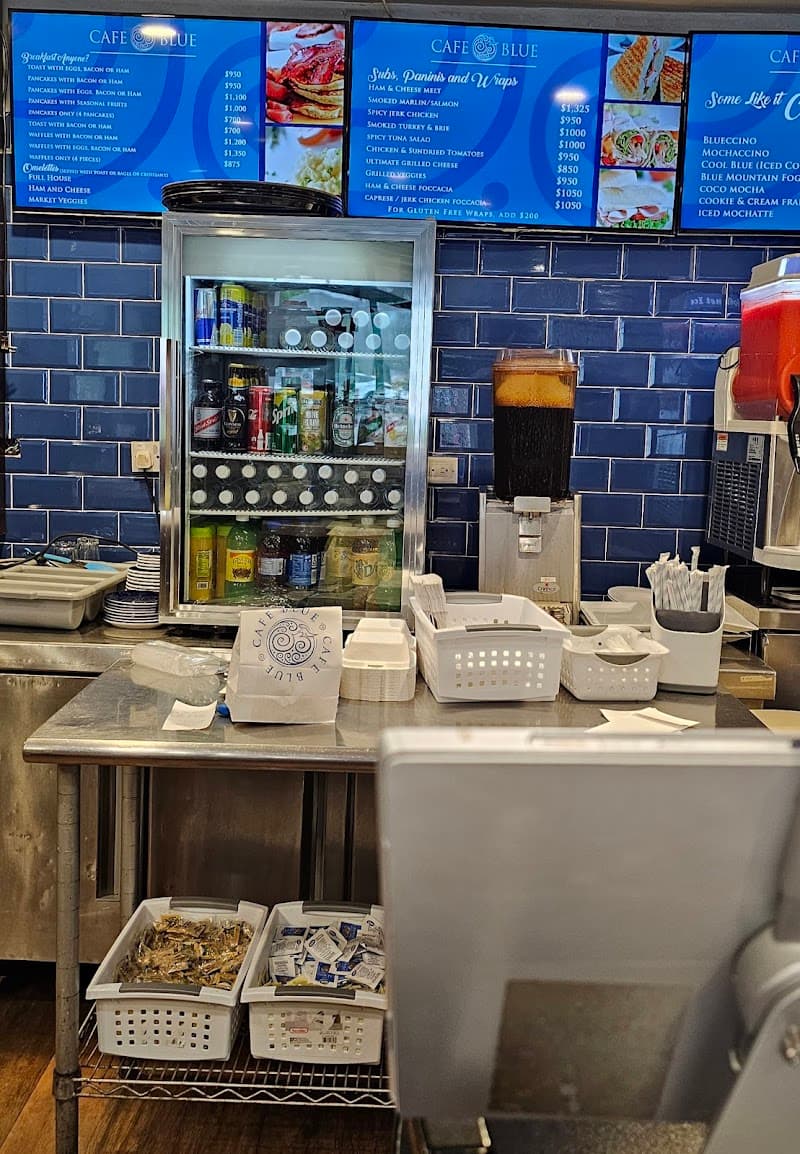
One Day in Kingston: Business, Beach & Culture Blend
Weekend · $$$
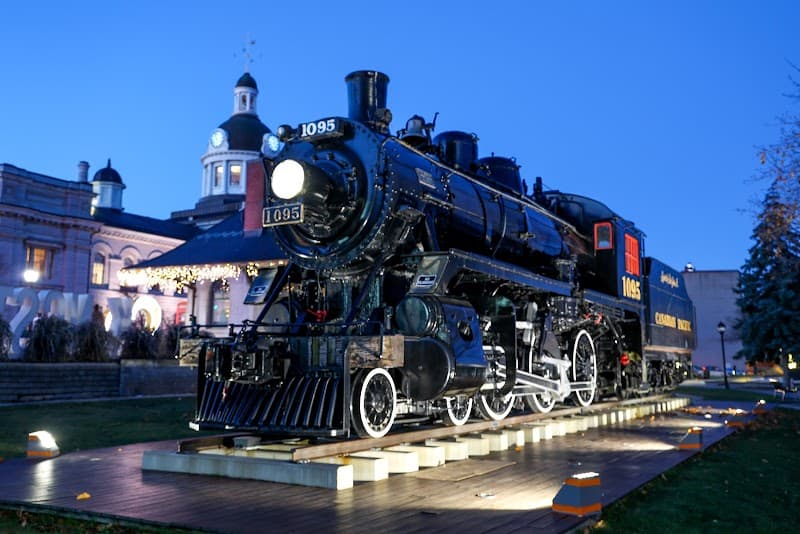
Kingston Jungle Vibes: 7-Day Solo Exploration
Week · $$$
Jungle Vibes & Heritage Streets in Kingston, New York
Weekend · $$$
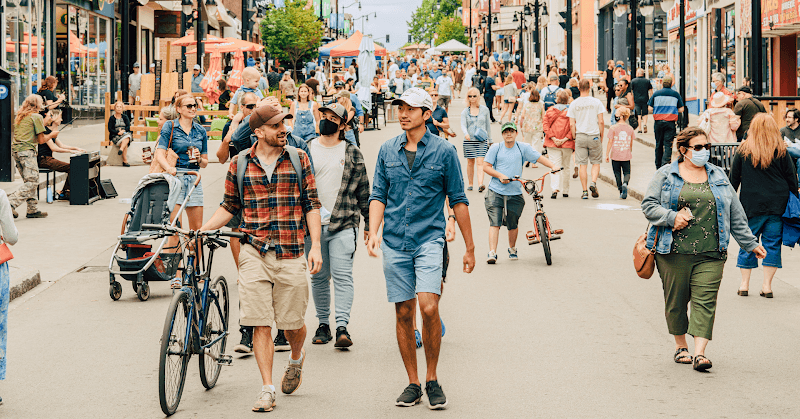
Jungle Romance in Kingston: City, Hills & Hidden Greens
Week · $$$
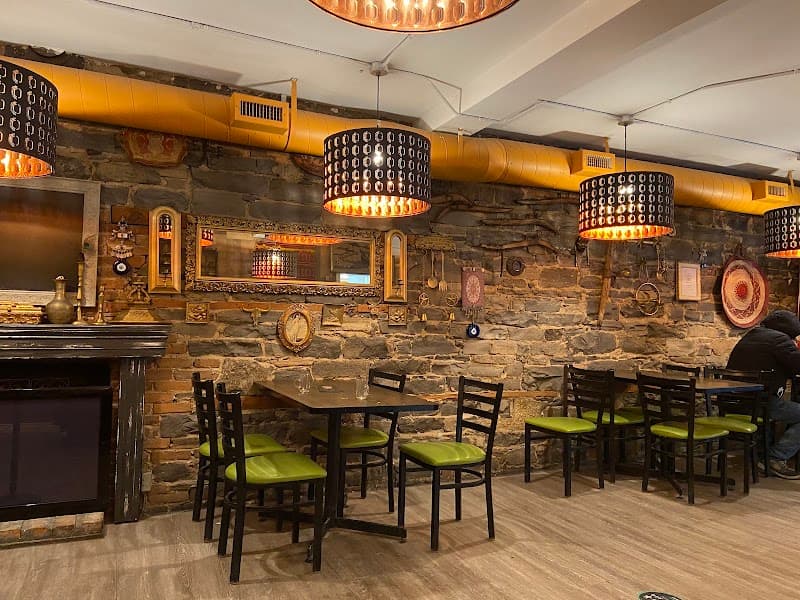
Romantic Weekend in Kingston: Waterfront, Forest & Old Stone
Weekend · $$$
Things to Do in Kingston
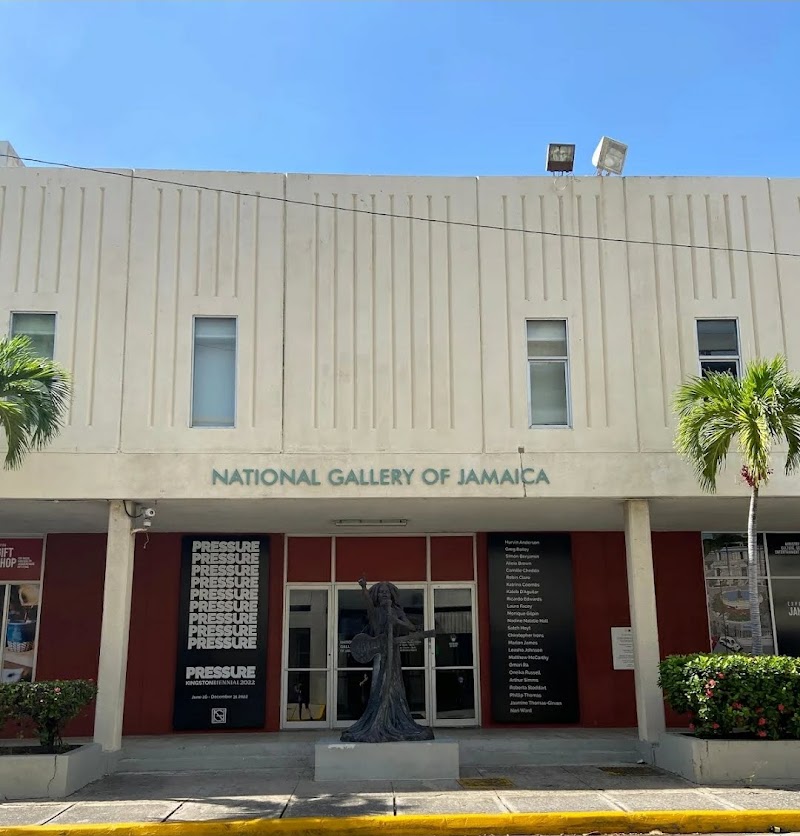
National Gallery of Jamaica (Uptown satellite / art museum option)
Liguanea / Hope Road · 90 min
Springer Market Square & Kingston City Hall
Downtown / Market Square · 60 min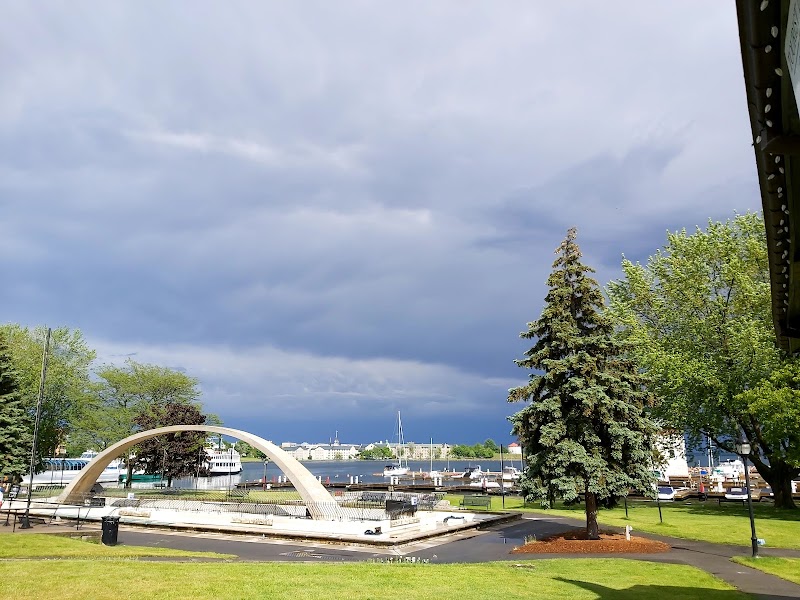
Confederation Park & Waterfront Walk
Downtown Waterfront · 90 minMoney-Saving Tips
- 1.Street food costs J$200-500 per meal - way cheaper than hotel restaurants charging J$2,000+ for similar dishes
- 2.Route taxis run J$150-300 vs official taxis at J$2,000-4,000 - learn the routes to save serious cash
- 3.Many attractions like Devon House grounds and downtown markets are free to explore
- 4.Local rum bars sell drinks for J$300-500 vs hotel bars charging J$1,500+ for cocktails
- 5.Guesthouses in Uptown cost J$8,000-12,000/night vs New Kingston hotels at J$20,000+
- 6.Buy Red Stripe from corner shops (J$200) instead of tourist spots (J$600+)
Travel Tips
- •Never flash expensive jewelry or electronics in downtown Kingston - keep valuables hidden
- •Learn basic patois phrases - locals appreciate the effort and it opens doors
- •Always negotiate taxi fares upfront - agree on price before getting in
- •Carry small bills (J$500, J$1000 notes) - vendors rarely have change for large denominations
- •Download offline maps - cell service can be spotty in the Blue Mountains
- •Pack rain gear year-round - afternoon showers happen even in 'dry' season
- •Respect Rastafarian culture - ask before photographing people with dreadlocks
- •Stay hydrated - the combination of heat, humidity, and altitude changes is draining