Lhasa
Sacred Tibetan Capital at the Roof of the World
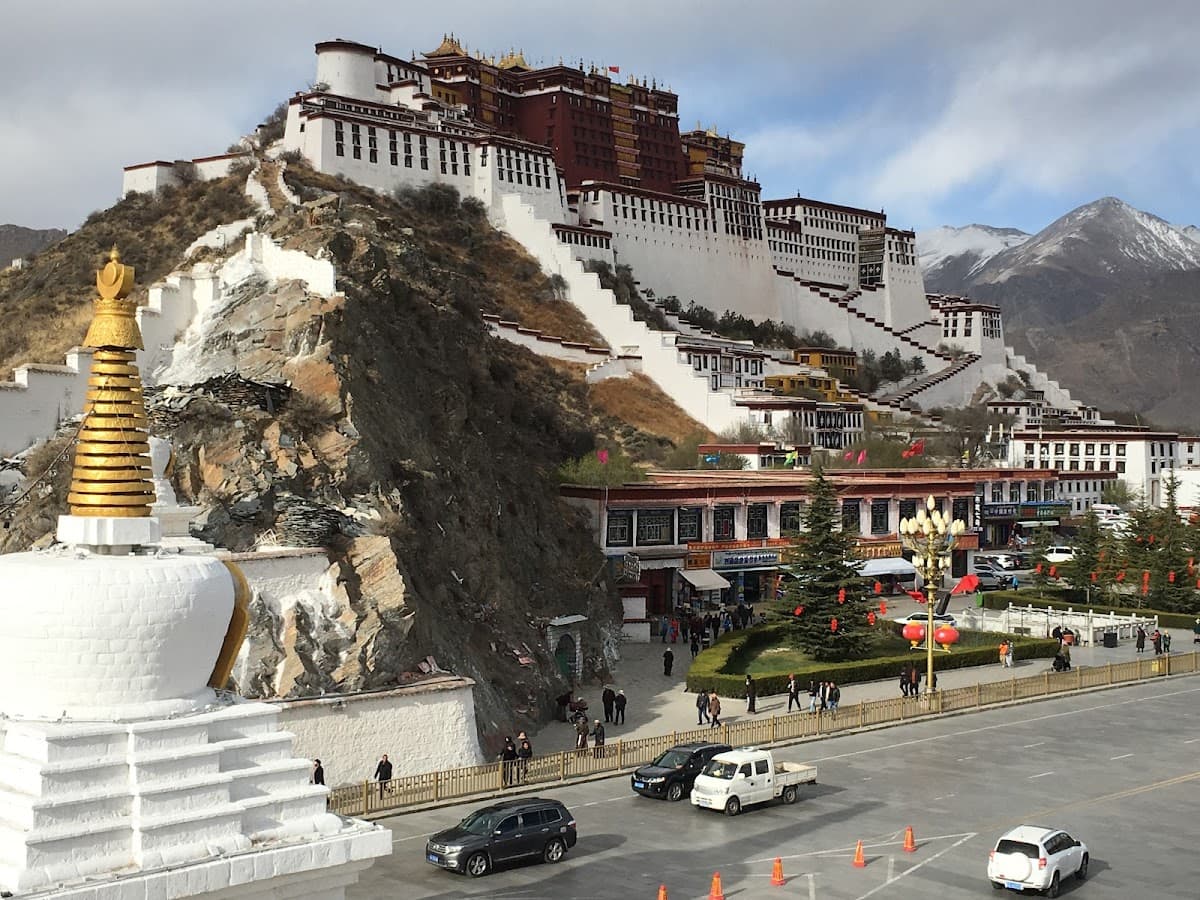
At 12,000 feet above sea level, Lhasa hits you like a spiritual freight train wrapped in thin mountain air. This is Tibet's sacred capital, where maroon-robed monks spin prayer wheels outside thousand-year-old temples and the Potala Palace towers over the valley like a fortress built for gods. But here's the thing about Lhasa — it's not just a museum piece. Real people live here, selling yak butter tea from street carts and arguing politics in Mandarin and Tibetan on Barkhor Street. The altitude will leave you gasping, the permits are a bureaucratic nightmare, and the Chinese government watches everything. Yet somehow, when you see pilgrims prostrating themselves across hundreds of miles to reach the Jokhang Temple, none of that matters. This is one of the last places on Earth that feels genuinely otherworldly.
Best Months
MAY – SEP
~21°C · high crowds
Culture & Context
LIVING BUDDHISM TRADITION
Tibet sits at the center of one of the world's most intact living Buddhist traditions. Everything in Lhasa — the architecture, the daily routines, the market economics — orbits around Tibetan Buddhism. Pilgrims walk the Barkhor kora circuit every single morning, not as a tourist activity, but as a daily prayer practice that predates almost any building you'll see on your trip.
This isn't a museum culture. People live it. 2026 is the Tibetan Year of the Horse, which holds special spiritual significance — particularly for the Mount Kailash pilgrimage, where a single circumambulation is considered to generate the merit of 13 normal circuits.
Expect elevated religious intensity throughout the year. The political context matters too. Tibet is administered as an autonomous region of China, and there is visible security infrastructure, especially around Potala Square and Barkhor.
Your guide will handle permit checkpoint logistics; just have your documents accessible. Photography of military or security infrastructure is never a good idea. Tibetan culture is warm and hospitable toward visitors who show basic respect.
And even a single word of Tibetan — 'Tashi Delek' — signals genuine interest and gets an immediate, genuine response.
Local Customs
CLOCKWISE SACRED SPACE
Always walk clockwise around temple kora circuits, prayer wheels, stupas, and any sacred structure. Going counter-clockwise is not just rude — it actively disrupts the spiritual practice of everyone around you.. Don't touch prayer wheels, offering bowls, or religious items on altars.
Looking closely is fine; handling is not.. Ask before photographing monks or pilgrims in the middle of prayer. A nod and smile usually gets you a yes.
Shoving a phone in someone's face while they're prostrating is exactly as intrusive as it sounds.. The Potala Palace has strict photography rules inside the halls. No photos inside, period.
Outdoors is fine.. Photography of Tibetan costumes is popular and there are actual shops along Barkhor Street where you can rent traditional dress for portrait shots — a much better approach than ambushing strangers.. Dress modestly in temples.
Shorts and sleeveless tops are disrespectful inside religious sites. Lhasa is chilly most of the year anyway, so this rarely conflicts with comfort.. Presenting a white silk scarf (khata) to hosts or monks is a traditional gesture of good wishes.
Your tour agency will usually brief you on this, but it helps to know it's a standard part of Tibetan etiquette.. In 2026, this is the Year of the Horse, considered especially sacred in Tibetan Buddhism. Pilgrimage activity — especially to Mount Kailash — will be significantly higher than normal years.
Expect heavier crowds at all religious sites.. Avoid the animal photo trap at scenic spots. People with Tibetan mastiffs or baby yaks will approach you for photos — always clarify if a fee is involved before posing, as the charges (10–20 CNY per shot) are non-negotiable once the photo is taken.
Safety
ALTITUDE IS THE RISK
Look, Lhasa is genuinely safe from a crime perspective. Petty theft at Barkhor Street is the main thing to watch — standard bag awareness, nothing unusual. The real risk is altitude.
Lhasa sits at 3,650 meters, where oxygen availability is only about 65% of sea level. Most first-time arrivals get at least some symptoms in the first 24–48 hours: headache, poor sleep, fatigue, nausea. This is completely normal.
The protocol: rest your first full day, drink a lot of water (not alcohol — skip it for the first few days entirely), eat light, and do not exercise hard. Many hotels have in-room diffuse oxygen systems. If symptoms escalate to difficulty breathing at rest or severe coordination problems, that's a medical emergency — descend or seek care immediately.
Acetazolamide (Diamox) is commonly used preventively; consult your doctor before travel. Don't shower on your first day in Tibet (this is serious local advice — the increased circulation in an enclosed low-oxygen space is genuinely problematic). Children under 12 and adults over 70 need extra caution and ideally a doctor's sign-off before booking.
Use SPF 50+ sunscreen; the UV intensity at high altitude is genuinely severe. Weather changes fast — pack warm layers even in summer, and waterproofs from July through September. Get travel insurance that explicitly covers altitude sickness and emergency evacuation, because outside Lhasa, medical facilities are basic.
Getting Around
TAXIS & PEDICABS
Lhasa has no metro. Getting around is by taxi, city bus, pedicab, bicycle, or your tour vehicle. Taxis are blue and white with a sign on the roof — flag one anywhere in the city center.
Most rides within the city cost around 10 CNY flat. Negotiate before you get in if the driver suggests anything different. The Didi app (China's Uber equivalent) works in Lhasa and is useful if you want metered, cashless rides without language barriers — download it before you arrive.
City buses run 6:30–21:00 and cost 1–2 CNY, but routes are labeled in Chinese and Tibetan only, with no English. Bus 4 goes to Sera Monastery. Bus 91 connects the city center to the Railway Station.
Pedicabs (electric three-wheelers) are 3–7 CNY for rides in the old town neighborhoods — fun, slow, and good for the narrow lanes near Barkhor, but they have a reputation for overcharging tourists. Agree on a price before you sit down. Bicycles rent from hostels around Barkhor Street for 20 CNY/day (ordinary) or 30 CNY/day (mountain bike).
At 3,650 meters you'll feel every hill, so acclimatize before attempting anything ambitious. The airport (Lhasa Gonggar International) sits 60 km south of the city. The shuttle bus costs 35 CNY and drops near major hotels.
A taxi runs about 150 CNY. Foreign visitors cannot use public transport to leave Lhasa for day trips to sites like Yamdrok Lake — those require a licensed guide and vehicle booked through your registered agency.
Useful Phrases
Explore Districts
Explore the Region
Where to Stay in Lhasa
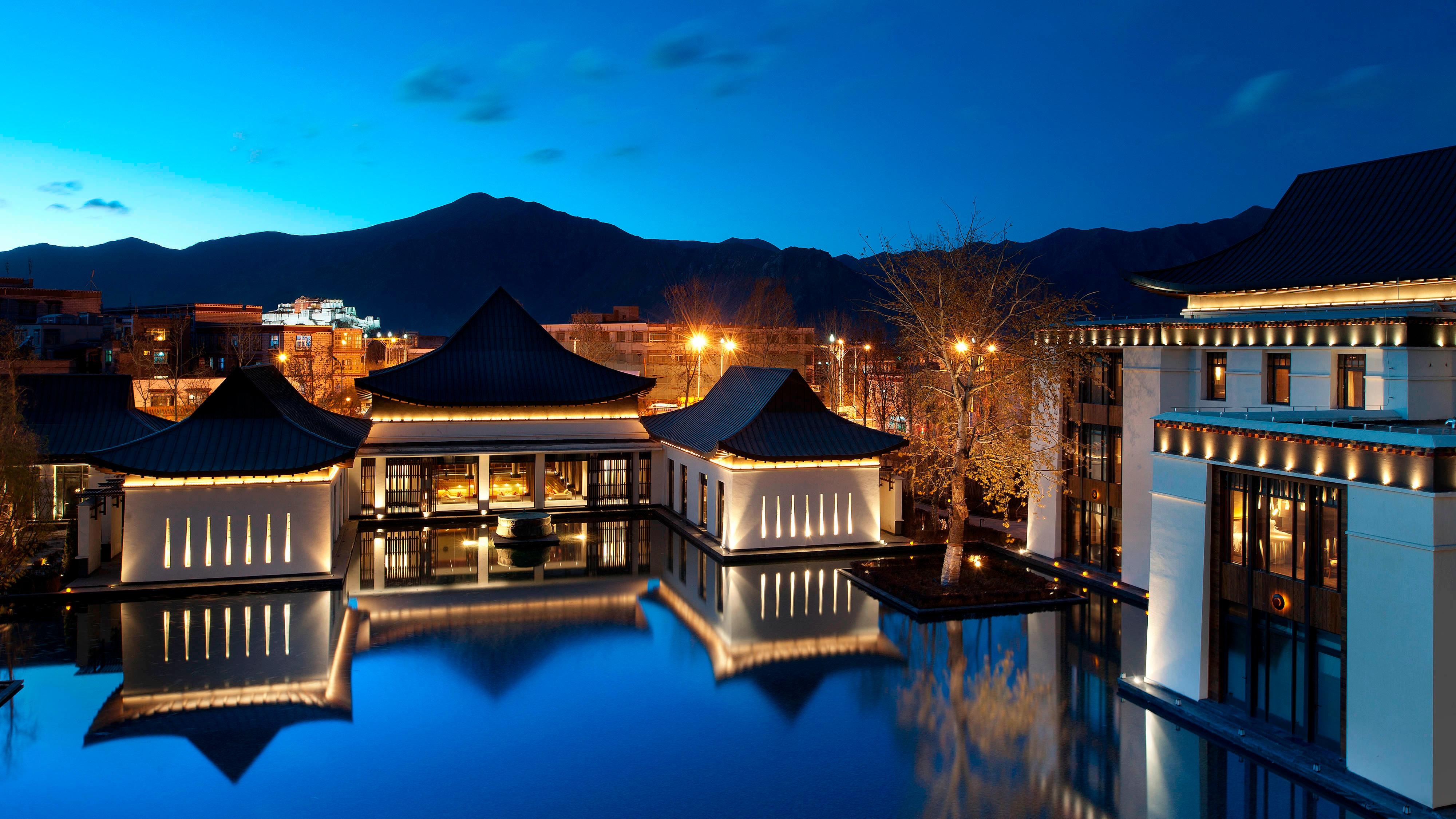
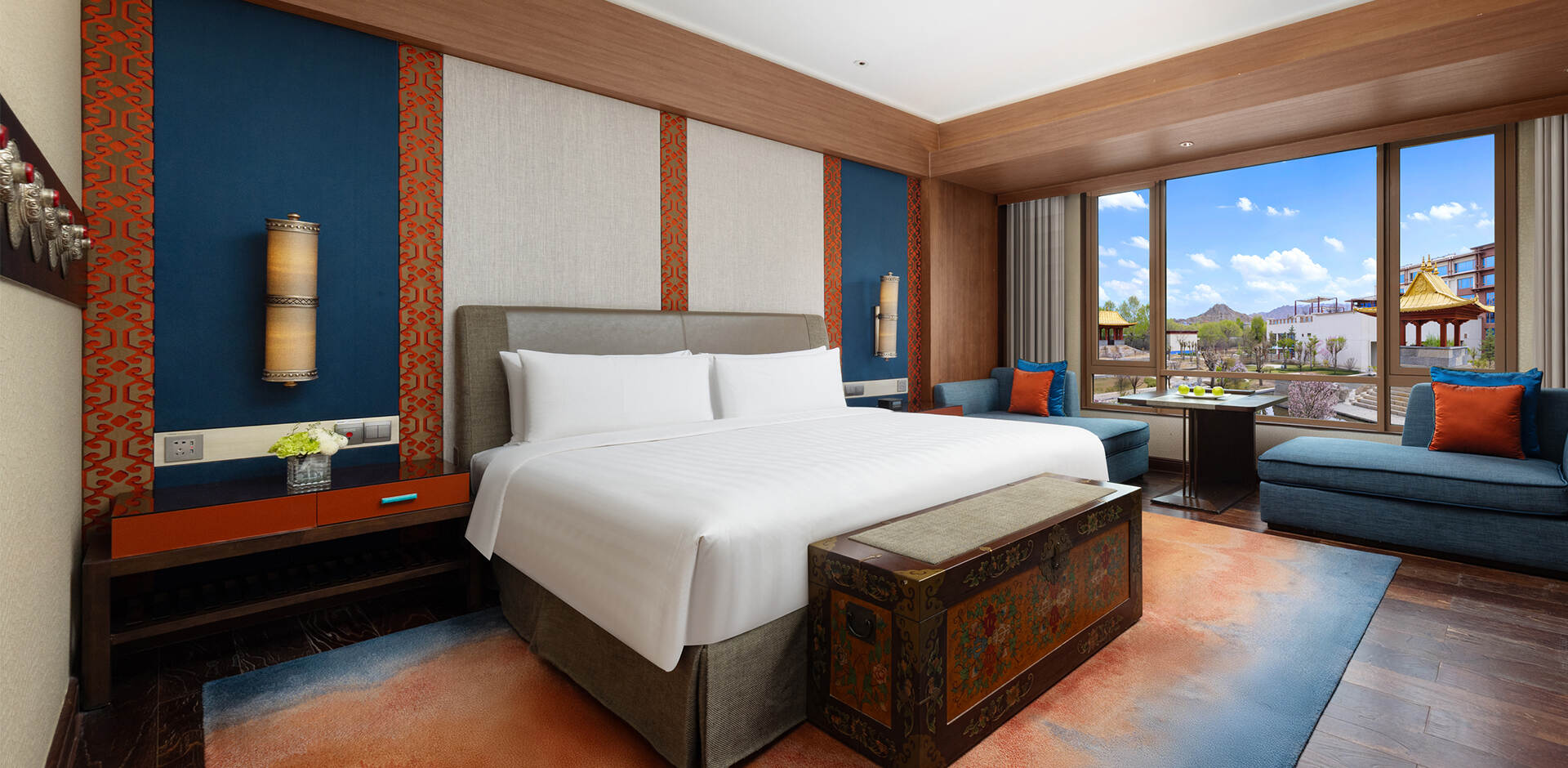
2 recommended properties
Money-Saving Tips
- 1.Bring cash — ATMs are scarce and credit cards rarely work outside major hotels
- 2.Budget 300-500 yuan per day for mid-range travel including food, transport, and accommodation
- 3.Tibet Travel Permits cost 50 yuan but require booking through registered tour agencies
- 4.Altitude sickness medication costs 80 yuan at Lhasa pharmacies vs 200+ yuan if you buy it abroad
- 5.Hiring private guides runs 400-600 yuan per day but splits costs if you're in a group
- 6.Hotel prices double during summer peak season — book early or visit shoulder months
Travel Tips
- •Arrive 2-3 days before any major activities to acclimatize to the 12,000-foot elevation
- •Pack layers — temperatures swing 20°C between day and night even in summer
- •Download offline maps before arriving — Google Maps doesn't work and local alternatives are in Chinese
- •Respect photography rules at monasteries — many areas prohibit cameras entirely
- •Learn basic Tibetan greetings — locals appreciate the effort even if you butcher the pronunciation
- •Carry tissues everywhere — the dry air and altitude make noses run constantly