Lima Food Scene
South America's Culinary Capital and Gastronomic Revolution
Lima has quietly become one of the world's great food cities. While everyone was looking at Tokyo and Copenhagen, Peru's capital was busy revolutionizing South American cuisine. Now it's home to multiple restaurants on the World's 50 Best list, including Central and Maido. But here's what makes Lima special: the incredible diversity. You'll find everything from $3 anticuchos on street corners to $200 tasting menus that redefine what Peruvian food can be. The city sits between the Pacific Ocean and the Andes, giving chefs access to ingredients most of the world has never heard of. Add in influences from Japanese, Chinese, and Italian immigrants, and you get a food scene that's both deeply rooted and completely innovative.
Culture & Context
GASTRONOMIC CAPITAL RULES
Lima is a city of nearly 10 million people sitting on a desert coast. The Pacific is right there, but you can't always see it through the garúa, the coastal fog that rolls in from June through November and turns the sky a flat gray. Locals call it "cielo color panza de burro" (sky the color of a donkey's belly).
It's not as romantic as it sounds. But from December through March, the sun comes out and the beaches get busy. Food is a genuine point of national pride here.
Lima calls itself the Gastronomic Capital of Latin America, and it's not wrong. Ceviche is a lunch dish, not dinner. Order it at midday when the fish is freshest.
The Nikkei (Japanese-Peruvian) food scene is also world-class. Spanish is essential — outside tourist areas, English gets you nowhere fast. And here's the practical truth: if vendors detect you don't speak Spanish, prices tend to go up.
Even a few words of jerga (Peruvian slang) changes the dynamic entirely. Traffic in Lima is genuinely brutal. The city ranked 7th globally for slowest average travel times in 2024 — plan 90–120 minutes of buffer for any airport connection.
Local Customs
CEVICHE AT LUNCH ONLY
Ceviche is a lunch dish. Order it before 3pm when the fish is fresh. Ordering ceviche at dinner is a tourist tell..
Look for signs that say 'menú' on small local restaurants. You get soup, entrée, and a drink for 10–20 soles. Locals eat at these places daily..
Greet business contacts with a firm handshake and eye contact. Among friends, especially women, it's a kiss on the right cheek.. Tipping is not mandatory and carries no social guilt here.
At restaurants, check the bill first — if 'servicio 10%' is listed, you've already tipped. If not, leaving 5–10% in cash is generous and appreciated. Locals rarely tip above that even at fine dining..
Don't use your phone while standing on the sidewalk. Step into a café or shop entrance first. Phone-snatching is one of the most common tourist incidents in Lima..
Use Uber or Cabify, not street taxis. If you must use a street taxi, agree on the price in soles before getting in — never assume. Express kidnapping (being forced to ATMs) has been linked to unlicensed cabs..
Don't drink the tap water. It's treated but causes stomach issues for visitors not accustomed to it. Bottled water is cheap and everywhere..
Watch for the 'Brindis' scam in the Centro Histórico: a friendly local invites you for a drink to 'practice English' and then disappears before an enormous bill arrives.. When a local in traditional dress with a llama invites you to take a photo, a small payment is expected. Ask about the cost beforehand to avoid awkwardness..
Bargaining is expected at markets, but do it with a smile. Rural family-run spots sometimes refuse tips entirely — don't push it.
Safety
BIG CITY AWARENESS REQUIRED
Lima is manageable, but it asks you to pay attention. The U.S.
State Department rates Peru at Level 2 (Exercise Increased Caution), citing petty theft, muggings, and occasional violent incidents. The UK FCDO specifically flags street crime in Miraflores and Barranco — including at ATMs. In early 2026, a state of emergency was in effect for Lima and Callao, meaning heavier security presence on streets.
For most visitors in the main tourist districts, Lima feels more "big city aware" than outright dangerous. Practical rules: Use Uber or Cabify exclusively. Street taxis, especially at the airport, have been linked to express kidnappings where accomplices force victims to ATMs.
Never hail a taxi at the airport kerbside — use the official taxi counter inside the terminal or the Airport Express Lima bus to Miraflores. Don't use your phone standing on the sidewalk. Motorbike thieves snatch through open windows in traffic.
Step into a shop or café to check maps. Keep to lit streets in Barranco after dark. The Centro Histórico is great by day and requires more care after 8pm.
Avoid Callao outside the port/airport area and La Victoria at night. Emergency numbers: Police 105, Ambulance 106, Fire 116. Don't drink tap water — get bottled.
Watch the Brindis scam in the Centro Histórico (friendly stranger invites you for drinks, leaves you with a huge bill). At ATMs, use indoor machines during business hours and never accept help from strangers. Carry a photo copy of your passport rather than the original when exploring.
Getting Around
BRUTAL TRAFFIC, UBER ESSENTIAL
Lima traffic is legitimately bad. The city ranked 7th globally in 2024 for slowest average travel time per 10 km (33 minutes 12 seconds). Build 90–120 minutes of buffer for airport connections.
Getting from the airport (Jorge Chávez, in Callao) to Miraflores: the Airport Express Lima bus is the recommended low-stress option — direct service with Wi-Fi and luggage space, drops you at several Miraflores stops including near Larcomar and Parque Kennedy. The official green taxi counter inside the terminal charges a fixed ~S/86 ($25) to Miraflores — fine, but confirm it's fixed before getting in. For getting around the city, Uber and Cabify are the standard tools for tourists.
Safe, trackable, no negotiation needed. Rides between Miraflores and Barranco run S/10–20 ($3–5) and take 10–20 minutes depending on traffic. The Metropolitano BRT (bus rapid transit) is the most efficient way to beat traffic for S/3.
24 ($0.93) per ride — requires a reusable smart card (S/5.05 / $1.
45 to buy). Look for buses marked LARCO–SCHELL–MIRAFLORES from downtown; WILSON/TACNA heads back to the center; CHORILLOS/HUAYLAS heads toward Barranco. Combi minibuses are cheap and locals use them, but routes are shouted out the window, fares are collected mid-ride, and they're crowded and confusing for first-timers.
Between Miraflores and Barranco, the malecón is walkable in 30–45 minutes if you're up for it. One last thing: many Lima taxi drivers — especially newer arrivals from the highlands — genuinely don't know the city. If you use a registered phone app, you avoid the navigational lottery entirely.
Useful Phrases
Lima Food Scene Itineraries
View all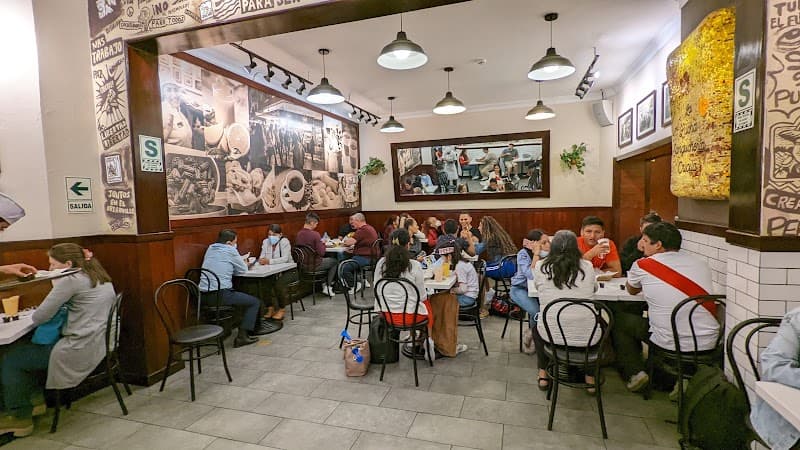
7 Days Eating Your Way Through Wild Lima
Week · $$$
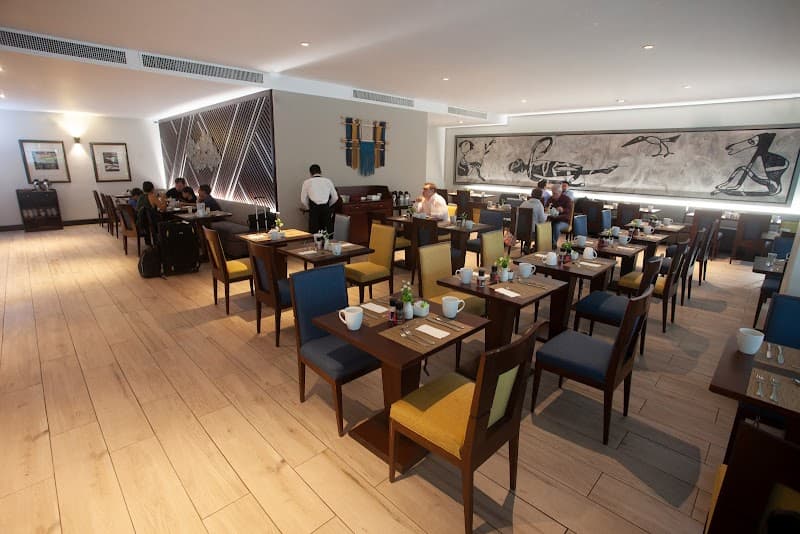
Lima’s Green Side: A Halal-Friendly Foodie Weekend
Weekend · $$$

Lima Food Scene: Romantic Coastal Flavors and Jungle-Wild Charm
Week · $$$

Lima Jungle Bites: A Romantic Weekend Food Escape
Weekend · $$$
Lima with Kids: A Jungle-Wild Food Adventure
Week · $$$
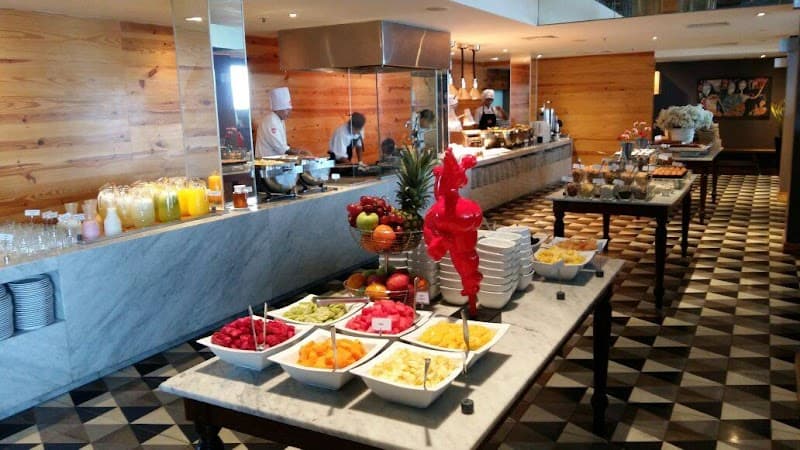
Lima Jungle Bites: A Family Foodie Weekend
Weekend · $$$
Things to Do in Lima Food Scene
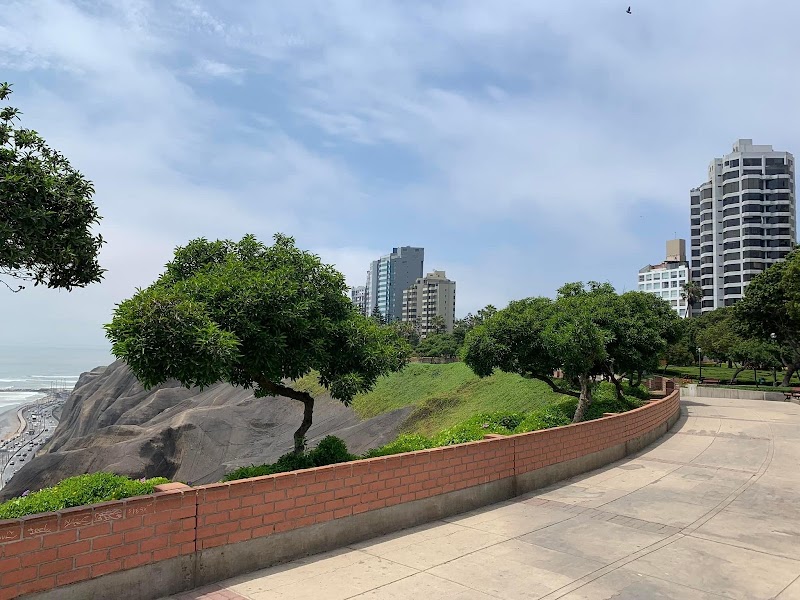
Malecón de Miraflores Coastal Walk
Miraflores · 120 min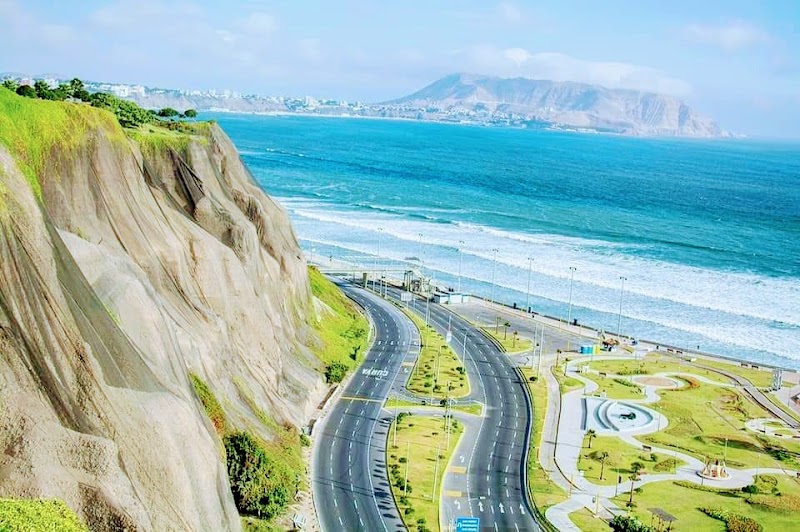
Paragliding Over the Costa Verde
Miraflores · 60 min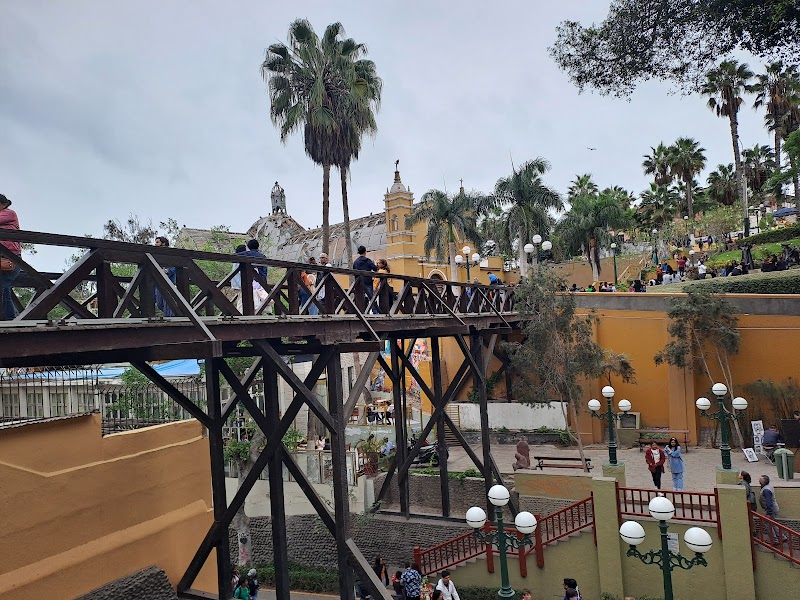
Bajada de Baños & Puente de los Suspiros
Barranco · 60 minMoney-Saving Tips
- 1.Lunch menus (menú del día) at high-end restaurants cost 50-70% less than dinner - same kitchen, smaller portions
- 2.Street food anticuchos cost 3-5 soles per skewer, but buy from carts with long local lines
- 3.Mercado de Surquillo has restaurant-quality ceviche for 25-35 soles vs 60-80 soles in Miraflores
- 4.Many top restaurants offer bar seating with à la carte options instead of expensive tasting menus
- 5.Pisco sours at hotel bars cost 35-45 soles, but local bars in Barranco charge 15-20 soles
- 6.Food tours cost 200-300 soles per person, but hiring a local guide privately costs about the same for 2-4 people
Travel Tips
- •Make reservations at Central, Lima, and Maido at least 2 months ahead - they book up fast
- •Eat your biggest meal at lunch when restaurants offer better value and lighter crowds
- •Always ask for the check (la cuenta) - servers won't bring it automatically
- •Try causa limeña and papa rellena from street vendors - they're Lima specialties most tourists miss
- •Download the Rappi app for food delivery from restaurants that don't normally deliver
- •Bring cash - many street food vendors and small restaurants don't accept cards
- •Ask locals about their favorite cevichería - every neighborhood has a hidden gem
- •Don't drink tap water, but ice in restaurants is generally safe in tourist areas
Frequently Asked Questions
Explore Lima Food Scene
BUILD YOUR
LIMA FOOD SCENE PLAN
Insider picks, smart timing, and a plan ready when you are.
Start Planning