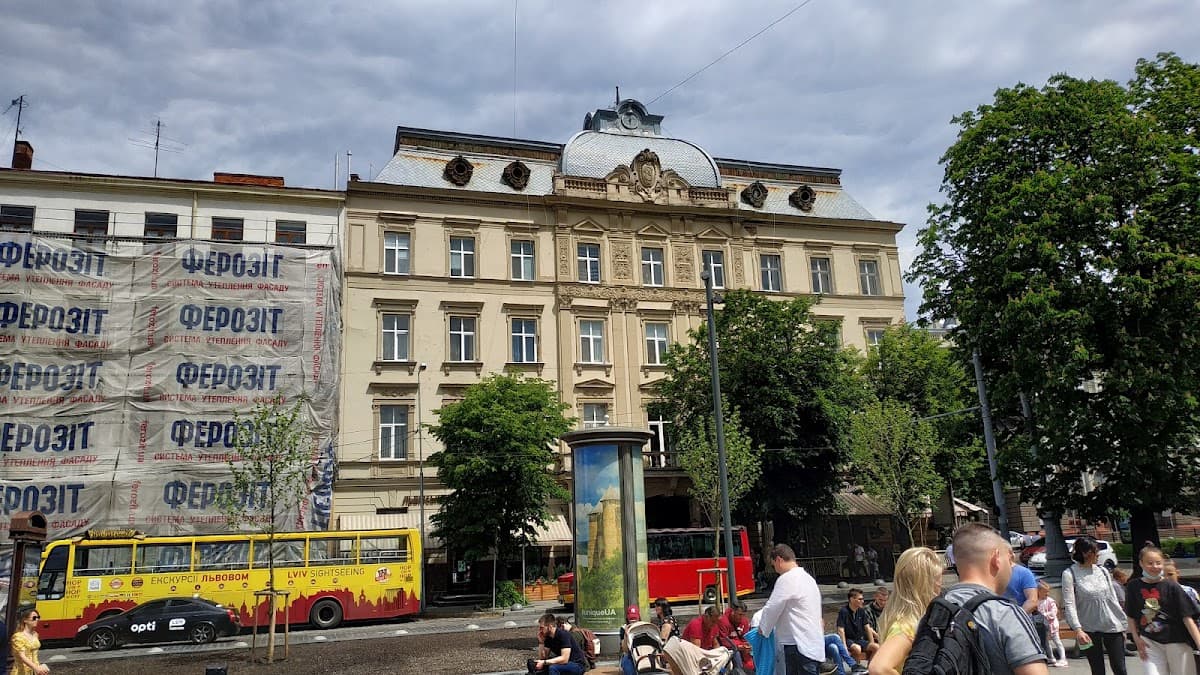
Lviv
Ukraine's cultural jewel with cobblestone charm and coffee
Lviv feels like stepping into a fairy tale that somehow survived centuries of tumult. This western Ukrainian city wraps you in cobblestone streets, Gothic spires, and the intoxicating aroma of freshly roasted coffee beans. Here's what makes it special: Lviv invented the croissant, claims to have Europe's best coffee culture, and maintains an old-world charm that puts Prague to shame—all at prices that won't demolish your budget.
The UNESCO-listed Old Town centers around Market Square, where pastel-colored townhouses lean into each other like old friends sharing secrets. But Lviv isn't stuck in the past. Street art covers Soviet-era buildings, craft breweries occupy former monasteries, and young Ukrainians have transformed this into one of Europe's most dynamic cultural hubs. You can explore 900-year-old churches in the morning and catch experimental theater at night.
Best Months
MAY – SEP
~22°C · peak crowds
Culture & Context
UKRAINIAN IDENTITY BURNS LOUD
Lviv spent centuries under Habsburg rule and the city's architecture argues with itself in the best way — Gothic spires alongside Baroque facades, a 14th-century Armenian cathedral sharing a street with a coffeehouse that's been roasting beans since 1829. This is where Ukrainian national identity burns loudest. Russian is a distinct minority language here; don't assume it's interchangeable with Ukrainian.
Speaking even a few words of Ukrainian earns you a genuine, immediate warmth from locals. The coffee ritual is real and central to daily life — tiny porcelain cups arrive almost unbidden at café tables. And look, this is also a wartime city.
You may encounter soldier burials in public spaces. Locals near air-raid sirens sometimes appear unfazed, but that's years of acclimatization. As a visitor, take every siren seriously regardless of what people around you are doing.
A 10% tip in restaurants is standard and appreciated. Don't photograph military infrastructure, checkpoints, or anti-aircraft positions — confiscation is immediate and that's the least of your problems.
Local Customs
SPEAK UKRAINIAN, NOT RUSSIAN
Greet shop owners and café staff when you enter — a 'Dobryi den!' as you walk in goes a long way. Silence reads as rude..
Don't speak Russian to locals. Even if they understand it, the political weight of that choice is significant in 2026. Ukrainian or English is always the right call..
When an air raid siren sounds, move to the nearest basement or marked shelter within about 90 seconds. Don't wait to see what locals do — some are desensitized after years of war. Cafes and shops typically have shelters and will guide you down..
Curfew runs 23:00–05:00 (confirmed as of April 2026). Police checkpoints on streets like Horodotska scan passports after 22:30. Being outside without ID risks a fine or a night spent at a police station..
Carry hryvnia cash, especially for markets, trams (marshrutkas), and smaller museums. Bank ATMs are reliable; street kiosks are not.. At Krakivsky market and similar spots, vendors may quote higher prices to obvious foreigners.
Knowing 'Duzhe doroho' (too expensive) in Ukrainian helps.. A toast in Ukraine is 'Bud'mo!' — wishing the person health and long life.
Use it and watch the table warm up immediately.. Remove your hat indoors and offer your seat to elderly passengers on public transport. Both are noticed and appreciated.
Safety
WARTIME CITY, TAKE SIRENS SERIOUSLY
This is a wartime destination. The US State Department maintains a Level 4 'Do Not Travel' advisory for all of Ukraine. The UK Foreign Office and Australian DFAT hold similar warnings. Lviv sits about 1,000 km from the active front line and is the safest major city in Ukraine, but that does not mean safe in any absolute sense. Missile and drone strikes have occurred in the western regions. Air raid sirens activate multiple times daily across western Ukraine — download the 'Повітряна тривога' (Air Alert) app before you arrive and learn where the nearest shelter is from your accommodation.
Curfew: 23:00–05:00 as of April 2026 (verify this before traveling as it changes). Being outside without ID during curfew risks a fine or detention. Always carry your passport. Do not photograph military infrastructure, checkpoints, or soldiers. Petty theft exists around the Old Town, train station, and crowded trams — standard anti-theft habits apply. Tap water is treated but locals boil it or drink bottled; stick to bottled for drinking. Get travel insurance that explicitly covers war-risk medical expenses — standard policies typically do not cover Ukraine. The city adapts well: businesses have generators for blackouts, shelters are marked and accessible, and locals are practiced at managing the routine of wartime life. But entering is a personal decision that requires honest risk assessment.
Useful Phrases
Money-Saving Tips
- 1.Eat lunch at milk bars (bar mleczny) for $3-4 meals instead of tourist restaurants
- 2.Buy groceries at ATB or Silpo supermarkets - much cheaper than corner shops
- 3.Take marshrutkas (minibuses) for $0.30 instead of taxis for short distances
- 4.Many churches and museums offer free admission on certain weekdays
- 5.Coffee costs half the price at local chains like Aroma Kava vs tourist cafes
- 6.Stay in private apartments through local sites rather than international booking platforms
- 7.Market Square restaurants charge 30% more - eat one block away for better prices
- 8.Buy train tickets in advance online for discounts up to 40%
Travel Tips
- •Download offline maps - WiFi can be spotty in the Old Town's thick-walled buildings
- •Learn basic Ukrainian phrases - locals appreciate the effort more than Russian
- •Carry cash - many small cafes and shops don't accept cards
- •Pack layers - weather changes quickly, especially in spring and fall
- •Book restaurants in advance during summer - popular spots fill up fast
- •Wear comfortable walking shoes with good grip for cobblestone streets
- •Keep your passport handy - some museums and attractions require ID
- •Try to visit churches during non-service hours to avoid disrupting worship
- •Download translation apps - English isn't widely spoken outside tourist areas