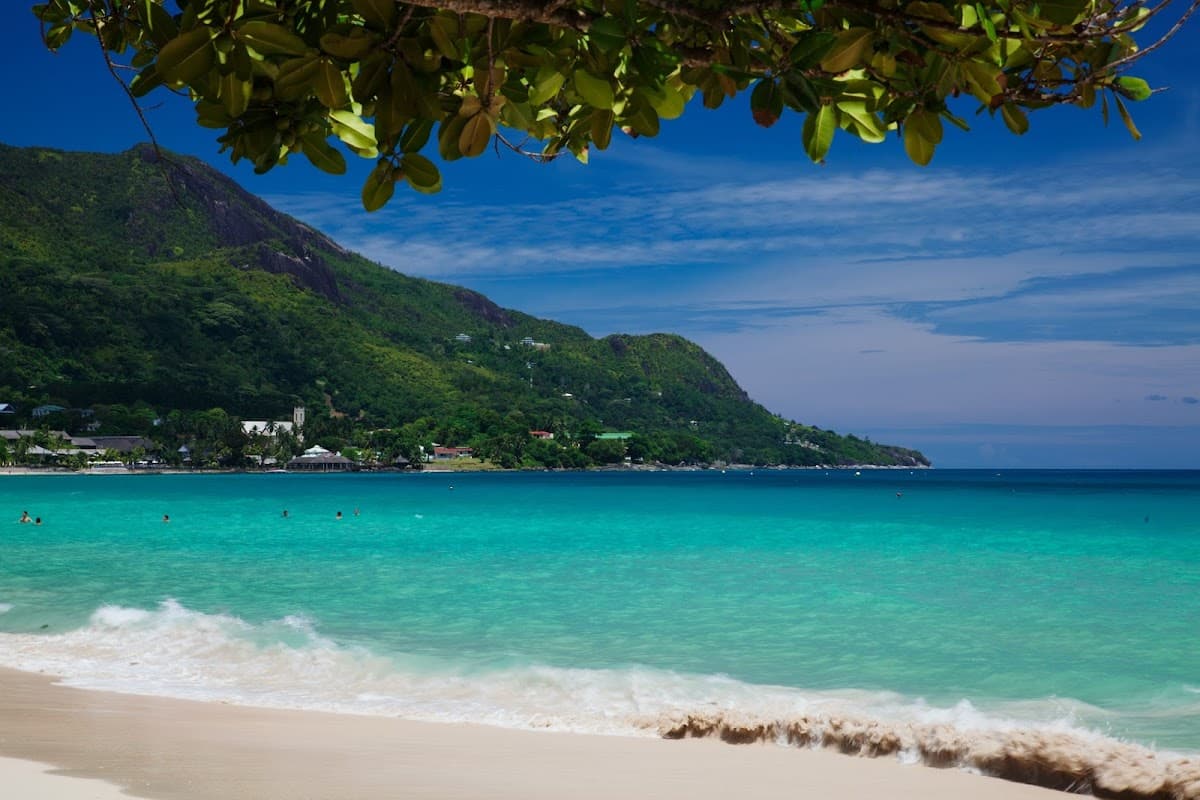
Mahé
Seychelles' main island blends luxury with tropical paradise
Mahé isn't just another tropical island. It's where granite boulders the size of houses frame beaches so perfect they look photoshopped. The main island of the Seychelles delivers luxury without the pretense — you'll find world-class resorts next to local Creole joints serving curry that'll make you sweat in the best way. Here's the thing: Mahé manages to feel both exclusive and accessible. Sure, you can drop serious money at Constance Ephelia or Four Seasons, but you can also grab a beer at Bazar Labrin for less than $3. The island's only 27 kilometers long, so you're never more than 20 minutes from a different world entirely.
Best Months
APR · MAY · OCT · NOV
~28°C · high crowds
Culture & Context
SMALLEST CAPITAL, ISLAND PULSE
Mahé is the largest island in the Seychelles, home to the capital Victoria and roughly 70,000 people — about 90% of the entire country's population packed onto one granite-boulder-studded island. Victoria is technically the world's smallest capital city by population, with only about 25,000 residents and just two traffic lights. No neon signs.
No parking garages. The pace is deliberate. Three official languages exist here — Seychellois Creole (called Kreol or Seselwa), French, and English — but most people default to Kreol for daily conversation.
English is solid in tourist areas, so you won't struggle. The culture is a genuine mix of African, French, and Indian influences, all filtered through centuries of island isolation. That shows up in the food (octopus curry with coconut), the music (Sega and Moutya rhythms), and the easygoing rhythm of daily life.
People are warm but not performative about it. Patience is respected. Rushing someone is not.
Local Customs
ISLAND PACE RULES
Greet people properly — a 'Bonzour' in the morning or 'Bonswar' in the evening goes a long way. Locals notice and appreciate the effort, even if your pronunciation is off.. Bring Seychellois Rupees (SCR) for local market stalls and beach vendors.
Many smaller operators and food trucks don't take euros or cards, and those that do give you a bad rate.. A service charge of 5-10% is often added directly to the bill at restaurants — check before tipping extra.. Loud, impatient behavior reads as rude here.
The pace is island pace. Build in extra time for everything.. Dress is casual everywhere — shorts and t-shirts are fine in most restaurants, even decent ones.
Only high-end resort dining might call for something slightly smarter.. Beaches are all public in Seychelles, regardless of which resort is sitting behind them. You can park yourself anywhere along the shoreline..
Hiking trails on Mahé are often poorly marked. The US State Department flags this explicitly — many hikers get lost. Download offline maps and tell someone your route before heading out..
Petty crime including bag snatching is on the rise, particularly around ATMs and tourist areas. Keep bags close in Victoria and don't flash expensive gear unnecessarily.
Safety
WATCH YOUR BELONGINGS
Mahé is generally safe and the US State Department lists it at normal precaution levels. But there are specific things worth knowing. Petty crime — bag snatching and pickpocketing — is rising, particularly around ATMs in Victoria and tourist-heavy areas like Beau Vallon.
Don't withdraw cash at night if you can help it. Hiking trails are notoriously poorly marked, and the terrain can be genuinely tricky in the interior. Many hikers get lost on Mahé — download offline maps (Maps.
me or AllTrails) and tell your guesthouse where you're heading. Mahé has the country's main hospital, which makes it the safest island for medical care. If you're island-hopping to Praslin or La Digue, know that serious injuries require evacuation back to Mahé.
Make sure your travel insurance includes medical evacuation coverage. For emergencies, the Seychelles Coast Guard line is 4290900. Tap water on Mahé is technically safe but has a strong chlorine taste — most travelers opt for bottled or hotel-filtered water.
Getting Around
BUSES AND TAXIS
The cheapest way to get around is the public bus run by the SPTC. A single fare across the whole island costs SCR 7, which is about $0.50.
Buses run from early morning through early evening, with the main hub at the bus station in Victoria. Beau Vallon is only 3 miles from Victoria and buses connect them regularly. Taxis have no meters, full stop.
Agree on the fare before you get in — fares are zone-based and government-set. From the airport to central Victoria runs SCR 250-300 (about $17-21). To Beau Vallon from the airport it's roughly SCR 500-600 ($35-42).
Car rental runs $55-80/day for a standard vehicle, and it's the best way to explore properly. All driving is on the left. The roads are narrow, steep, and winding in the mountain interior — GPS sometimes suggests routes that aren't actually passable, so verify before you commit.
Inter-island travel uses the Cat Cocos catamaran (Mahé to Praslin: about $70 one-way, roughly 60 minutes) or a 15-minute Air Seychelles domestic flight ($60-100 one-way). Book ferries at least 3 months ahead in high season — last-minute prices jump significantly.
Useful Phrases
Money-Saving Tips
- 1.Buy groceries at STC hypermarket in Victoria instead of resort shops — prices are 60% lower for basics like water and snacks
- 2.Book ferry tickets to other islands online in advance for 10% discounts, especially during peak season
- 3.Eat lunch at local takeaways rather than hotel restaurants — authentic Creole meals cost $8 vs $25 at resorts
- 4.Rent snorkeling gear from local shops in Beau Vallon for $10/day instead of hotel rates at $25/day
- 5.Use SPTC buses for short trips around Victoria — routes cost under $1 vs $15+ taxi rides
- 6.Stock up on Seybrew beer at local shops for $2 instead of paying $8-12 at resort bars
Travel Tips
- •Pack reef-safe sunscreen — many local shops don't carry it and resort prices are inflated
- •Download offline maps before arriving — cell coverage gets spotty in the mountains and remote beaches
- •Bring a waterproof phone case — unexpected rain showers happen year-round, especially in the interior
- •Reserve dinner tables at popular restaurants like Marie Antoinette by 3 PM — they fill up quickly
- •Keep small bills handy for market vendors and taxi drivers who rarely have change for large notes
- •Check ferry schedules the night before island hopping — rough seas can cancel services with little notice