
Makassar
Sulawesi's gateway city blends maritime heritage with modernity
Most travelers rush through Makassar on their way to Tana Toraja or the Spice Islands. Big mistake. This port city on Sulawesi's southwest coast rewards those who linger with some of Indonesia's best street food, a fascinating maritime history, and zero tourist crowds. The Bugis people have been sailing these waters for centuries, and their seafaring culture still defines the city today. You'll find traditional pinisi schooners sharing the harbor with container ships, while the old Dutch fort stands guard over it all. And the sunsets? They're legendary.
Best Months
APR – SEP
~33°C · moderate crowds
Culture & Context
SPICE ROUTE LEGACY
Makassar is the capital of South Sulawesi and the largest city in eastern Indonesia, with roots going back to the 16th century as a major Spice Route trading port. The city is predominantly Muslim, and Islam shapes the rhythm of daily life here. Five calls to prayer ring out daily from countless mosques, including the stunning 99-dome Masjid Amirul Mukminin floating mosque at Losari.
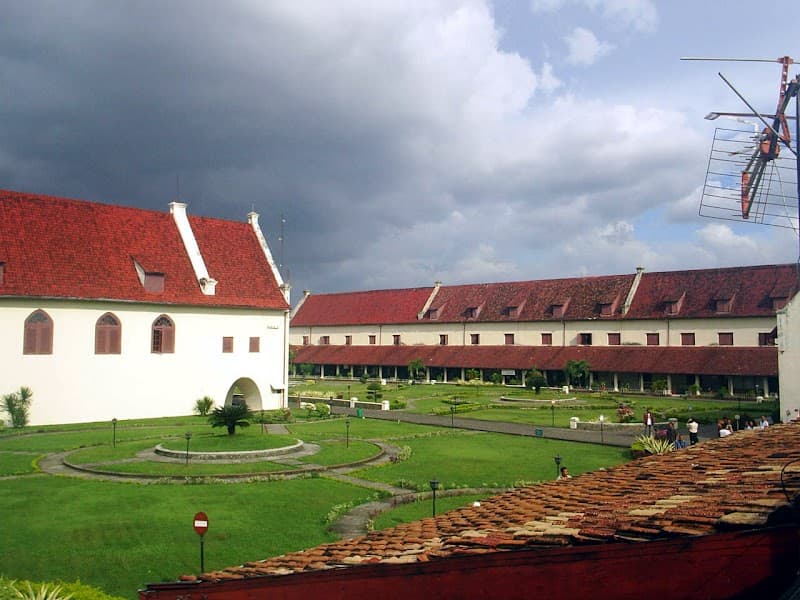
The population is a mix of Makassarese and Buginese peoples. The Buginese are famous throughout Southeast Asia as traders and seafarers, and Makassar was once a port so open that Portuguese, Spanish, English, Dutch, Chinese, and Indian traders all competed for access. Fort Rotterdam, built in the 17th century, stands as a direct reminder of Dutch colonial dominance after the VOC defeated the Gowa Sultanate in 1669.
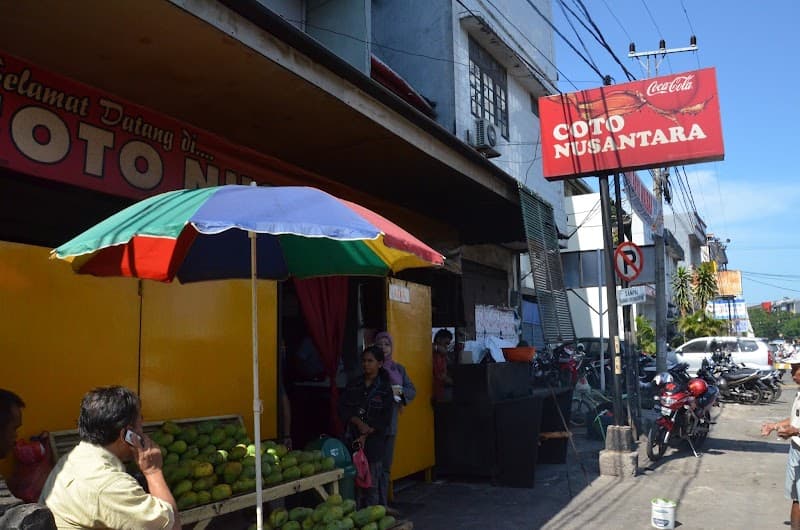
The city also has a fascinatingly progressive social dimension: the Buginese people recognize five genders, a tradition predating modern debates on the topic by centuries. Food is deeply tied to identity here. Coto Makassar (a slow-cooked beef soup), Pallubasa, Konro ribs, and grilled seafood aren't just dishes.
They're sources of civic pride. The city's full name is officially Makassar, though older maps and some locals still use Ujung Pandang, the name it held from 1971 to 1999.
Local Customs
MODEST DRESS REQUIRED
Islam shapes daily life — dress modestly, especially around mosques and markets. Cover shoulders and knees. Women may want a light scarf handy..
Remove shoes before entering mosques and many homes. If you see a pile of shoes at a door, that's your cue.. The call to prayer happens five times a day.
Warungs and shops sometimes close briefly during prayer times, especially on Fridays around midday.. Bargaining is expected at markets like Pasar Sentral and Pasar Butung, but not at fixed-price shops or malls. Starting at about 50-60% of the asking price is normal..
Eating with the right hand is customary. The left hand is considered unclean in Islamic tradition.. Public displays of affection are frowned upon.
LGBTQ+ travelers should be especially cautious, as conservative attitudes prevail and there are real legal and social risks.. Receiving or giving items with two hands, or with the right hand, shows respect — especially when dealing with elders or officials.. Don't point at people or objects with your index finger.
Use your thumb or an open hand gesture instead.. Avoid eating, drinking, or smoking in front of fasting Muslims during Ramadan daylight hours. It's not illegal but considered disrespectful..
Haggling with tour operators and freelance drivers near Fort Rotterdam is common. Always agree on a price before getting in an unmarked vehicle.
Safety
WATCH YOUR BELONGINGS
Makassar is broadly safe for tourists, but it's not without issues. Petty theft — phone snatching, pickpocketing at Pasar Sentral and crowded waterfront areas — does happen. Keep phones in front pockets and use crossbody bags, not backpacks on busy streets.
At night, stick to Losari, Panakkukang, and hotel districts rather than wandering into unfamiliar residential neighborhoods. Use Grab or Gojek exclusively. Don't flag down unmarked vehicles or accept unsolicited transport offers near Fort Rotterdam — overcharging tourists in unmetered taxis is a persistent problem.
Australia's Smartraveller specifically notes a terrorist threat history in Makassar, including past attacks at places of worship. Stay aware near mosques during significant Islamic dates. This is not a reason to avoid the city, but it's worth knowing.
Traffic is genuinely dangerous. Motorbikes run red lights constantly, and pedestrian crossings are largely theoretical. Look both ways twice.
Daily power and water outages occur in some neighborhoods. This is normal — not a hotel failing. Tap water is not potable anywhere.
Drink bottled or filtered water throughout, and be selective with ice at street stalls. Recommended vaccinations include typhoid, Hepatitis A, and routine vaccines. Have travel insurance that covers evacuation to Singapore or Jakarta for serious medical needs, as local hospital quality varies.
Getting Around
GRAB & GOJEK
Sultan Hasanuddin International Airport is about 30 km from the city center — roughly 45-60 minutes by car (longer in traffic). Use Grab or Gojek from the airport; don't negotiate with drivers who approach you at arrivals. In the city, Grab and Gojek handle both motorcycle (ojek) and car options.
Motorcycles are faster and cheaper (around IDR 10,000-20,000 for short trips); cars are more comfortable and cost IDR 25,000-60,000 depending on distance. Pete-pete (local orange minivans) are the cheapest option and run fixed routes, but the system isn't tourist-friendly without local knowledge. Trans Mamminasata, Makassar's newer air-conditioned bus network, has limited but growing routes.
A single fare costs around IDR 5,000. Becak (bicycle rickshaws) are still around and useful for short hops in traffic-dense areas — agree on a price before you go. To reach Rammang-Rammang or Leang-Leang cave paintings, hire a private driver for the day (around IDR 350,000-500,000) or book a tour.
There's no reliable public transport to these sites. For island day trips to Samalona or Kodingareng Keke, boats depart from the pier in front of Fort Rotterdam. Boat charter prices vary; expect to negotiate.
Useful Phrases
Makassar Itineraries
View all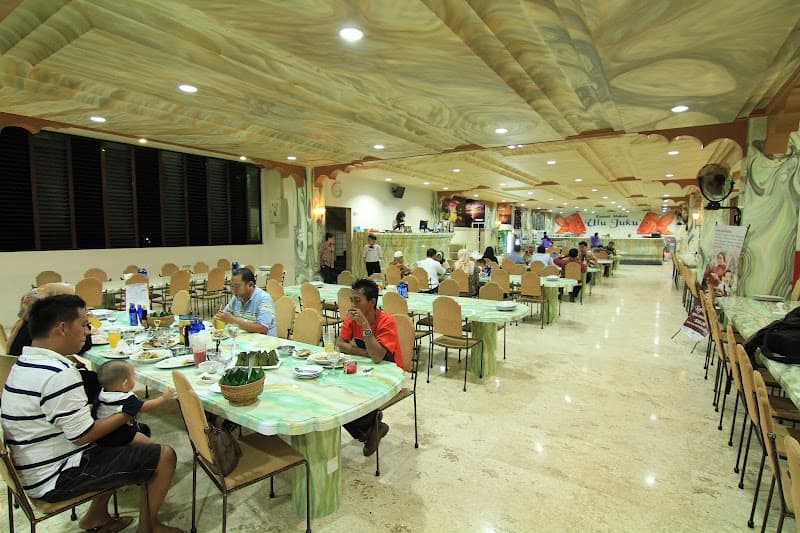
Karst, Coast & Kampung: 7 Days in Wild Makassar
Week · $$$
Makassar Wild Coasts & Jungle City Weekend Escape
Weekend · $$$
Romantic Makassar & Karst Jungles: 7-Day Escape
Week · $$$
Wild Green Weekender in Makassar for Two
Weekend · $$$
Sulawesi Family Escape: Jungles, Karsts & Tropical Seas
Week · $$$
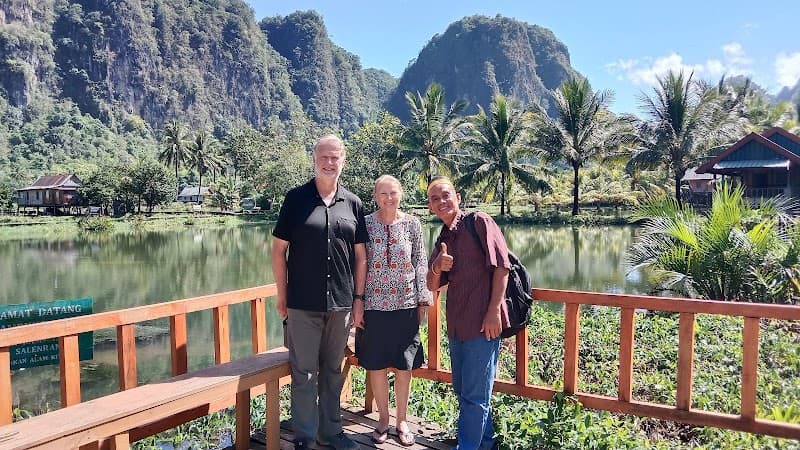
Mangroves, Karst Cliffs & Sunset Shores in Makassar
Weekend · $$$
Things to Do in Makassar
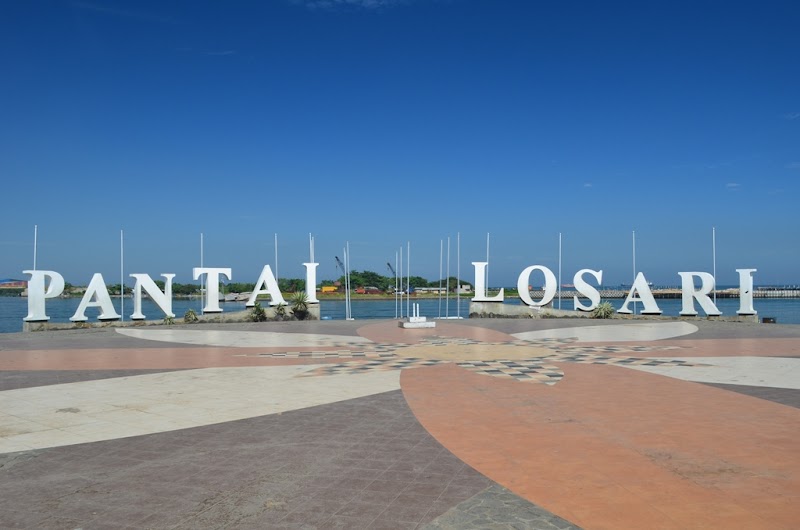
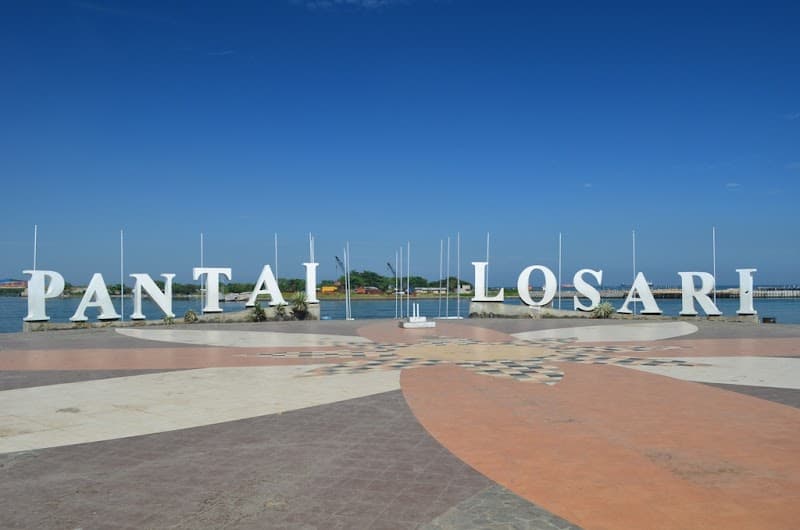
Losari Beach Sunset Promenade
Losari Beach / Ujung Pandang · 90 min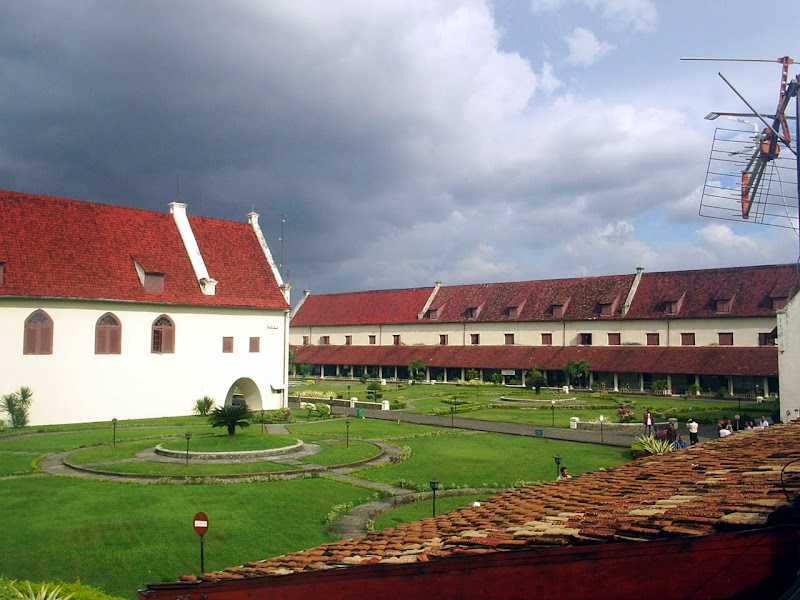
Fort Rotterdam
Fort Rotterdam / Ujung Pandang · 90 min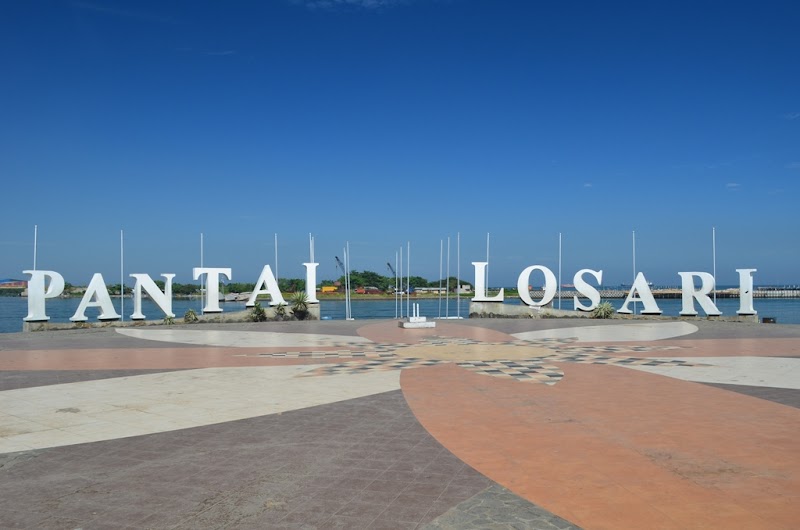
Losari Beach Promenade
Losari Beach / City Center · 90 minMoney-Saving Tips
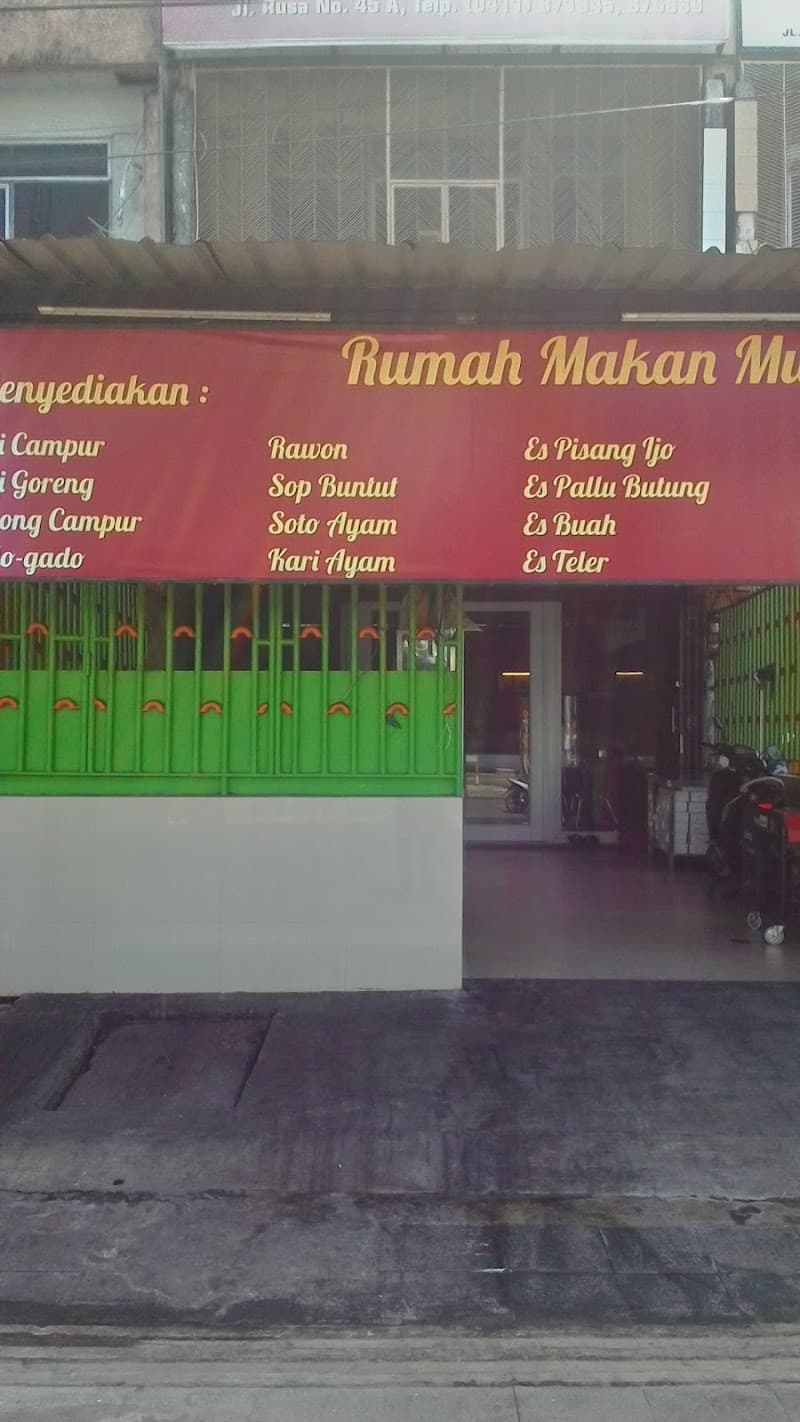
- 1.Street food meals cost 15,000-25,000 rupiah - eat where locals eat for the best prices and flavors
- 2.Shared pete-pete minivans cost 5,000 rupiah per ride, much cheaper than ride-hailing apps
- 3.Buy bottled water in bulk at Indomaret - single bottles at tourist spots cost 3x more
- 4.Negotiate boat trips to nearby islands - starting prices are always inflated for tourists
- 5.Local markets close by 2pm - shop early for the freshest produce and best selection
Travel Tips
- •Learn basic Bahasa Indonesia phrases - English isn't widely spoken outside hotels
- •Carry cash - many street vendors and local restaurants don't accept cards
- •Respect prayer times at mosques, especially during Friday prayers around noon
- •Bring rain gear during wet season (October-March) - afternoon storms hit fast and hard
- •Download offline maps - cell coverage can be spotty in some areas outside the city center