Maui
Floating luxury connecting Europe's most enchanting coastal cities
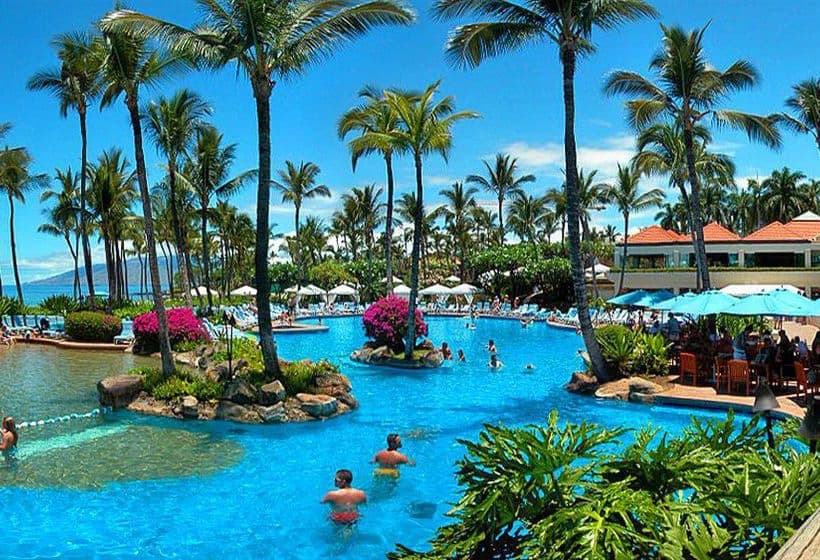
Maui hits different than the other Hawaiian islands. Sure, you'll find the expected postcard beaches and resort pools, but this place has serious personality beyond the tourist brochures. The Road to Hana winds through jungle waterfalls that actually live up to the hype. Haleakala Crater feels like you're standing on Mars at sunrise. And unlike Oahu's crowds or Big Island's vastness, Maui strikes that sweet spot where you can snorkel with sea turtles in the morning and catch a world-class sunset dinner in Wailea by evening. The locals call it the Valley Isle, and once you drive through those emerald valleys between volcanic peaks, you'll understand why people never want to leave.
Culture & Context
RECLAIMING SACRED ISLANDS
Hawaii's history is complicated and worth understanding before you arrive. The Hawaiian language was banned from school instruction in 1896 following the overthrow of the Hawaiian Kingdom, and by 2001 only 0.1% of the population could still speak it.
The ban wasn't lifted until 1987. A cultural revival began in the 1970s and is still very much ongoing. So when locals use Hawaiian phrases or point out cultural sites, they're not performing — they're reclaiming something.
The concept of mālama ʻāina (caring for the land) shapes how many residents feel about tourism. In 2026, Hawaii passed the first statewide climate "Green Fee" for visitors, raising the Transient Accommodations Tax by 0.75 percentage points (from 10.
25% to 11%), generating roughly $100 million annually for environmental projects. Lahaina is a significant and sensitive topic. The 2023 wildfire destroyed most of the historic waterfront town.
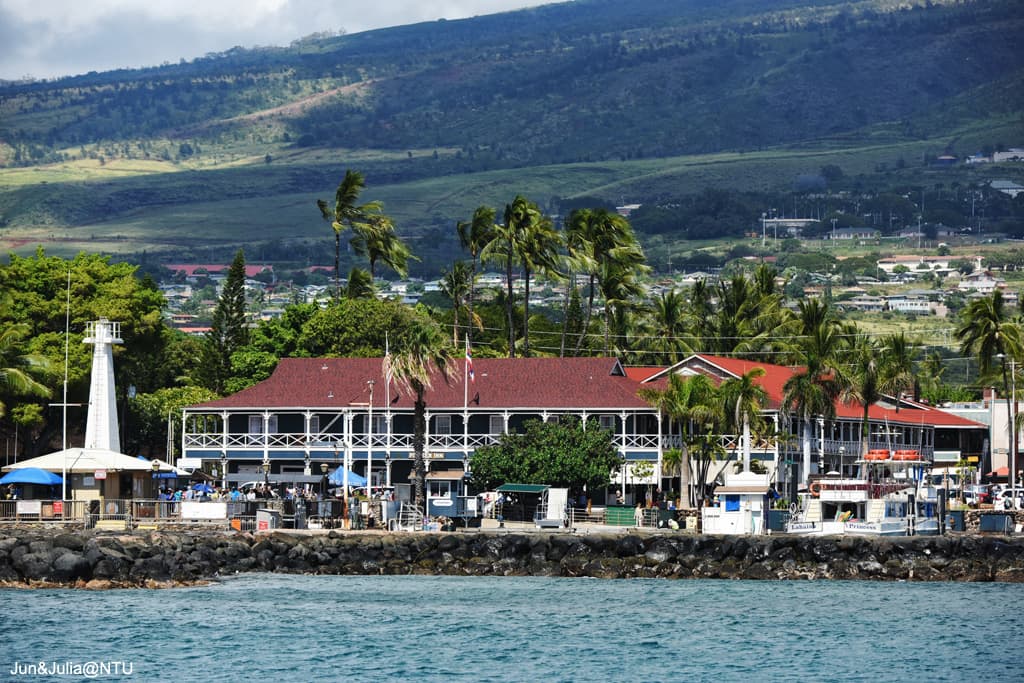
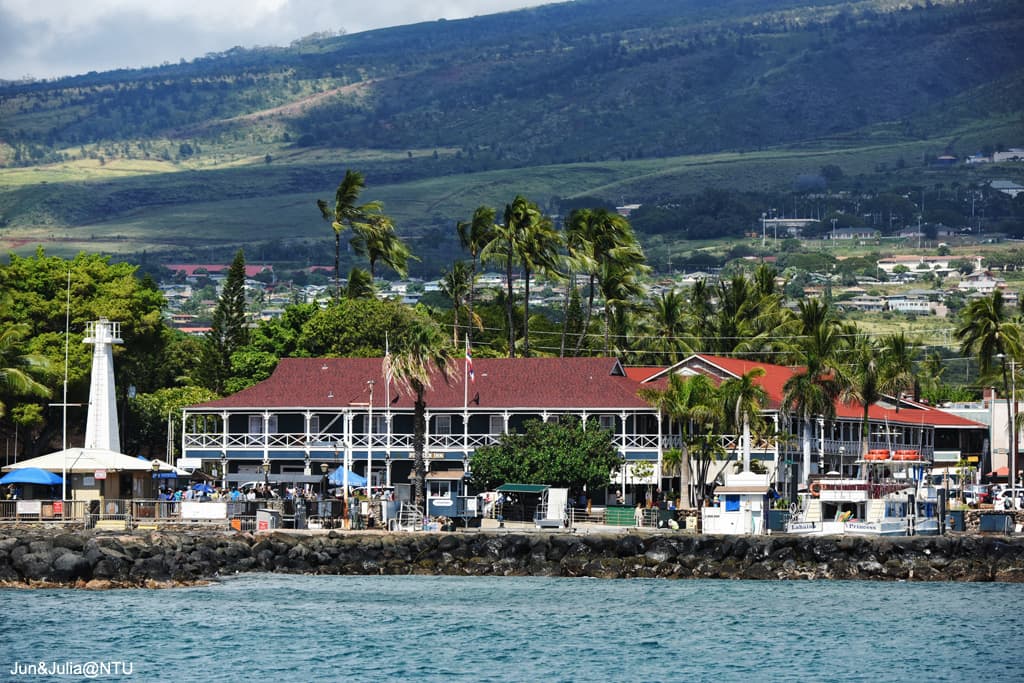
The famous Banyan Tree survived and is visibly growing back, but Lahaina as a tourist destination is essentially gone for the foreseeable future. The burn zone has toxic debris and is under county-enforced access restrictions. Treat the area with the respect you'd give any site of deep community loss.
Local Customs
MAHALO & KAPU MATTER
Say mahalo, not just 'thanks.' Locals notice when tourists make zero effort with the language and appreciate the opposite.. Respect kapu signs immediately.
'Kapu' means forbidden or sacred in Hawaiian and it's not a suggestion — trespassing fines are enforced, and closures usually exist because someone got hurt.. Never turn your back to the ocean. It's both practical and cultural.
A rogue wave doesn't care how calm the water looks.. Tip generously. Staffing shortages are real, housing costs are brutal, and many service workers are still dealing with ripple effects from the 2023 Lahaina fire.
If you can afford to visit Maui, you can afford to tip properly.. Drive with aloha. Let people merge.
Don't tailgate. The island's roads are narrow and locals drive them every day — visitors who treat Maui like a freeway create real friction.. Ask before photographing people or ceremonies.
Hula and cultural practices aren't photo backdrops.. Buy local wherever you can. Shopping at small businesses or the farmers market directly supports people who need it most..
Keep noise down at night. Many locals are up before dawn for work. Resort areas are one thing; residential neighborhoods are another..
Learn mauka (toward the mountains) and makai (toward the ocean) — these are how locals give directions. North and south on Maui often confuse even GPS.
Safety
RESPECT OCEAN & TRAILS
Maui is generally safe and the U.S. State Department has issued no travel advisory for Hawaii in 2026.
The biggest risks are natural, not criminal. Ocean safety is serious: roughly 40 people drown in Hawaii annually. Never swim alone, always ask a lifeguard about current conditions, and take the local saying 'never turn your back to the ocean' literally — an unexpected wave can knock you off your feet before you get your flippers on.
Winter swells on north-facing shores can be dangerous even for experienced swimmers. Maui's wind is also significantly stronger than other Hawaiian islands, making stand-up paddleboarding sketchy on gusty days — offshore rescues happen regularly. On trails, stay on marked paths.
The Maui News reports a lost hiker requiring search and rescue every couple of weeks, almost always after someone veered off trail to explore. Take screenshots of trail directions, bring water and food, and don't assume your phone signal will hold. For car safety, smash-and-grab break-ins are an ongoing pattern in tourist areas, so leave nothing visible in your rental.
Property crime rates are notably higher than violent crime rates in Maui County. The Lahaina burn zone is under county-enforced access restrictions — do not enter regardless of what Instagram suggests is accessible. Respect kapu signs on trails and beaches: fines are real and closures usually exist because someone was already hurt.
In a genuine emergency, the Maui Visitors and Convention Bureau can be reached at (808) 244-3530.
Getting Around
RENT A CAR ESSENTIAL
Rent a car. That's the honest answer. The Maui Bus connects Kahului, Kihei, Wailea, and parts of West Maui for $2/ride or $4 for an all-day pass, but Haleakala National Park and the Road to Hana are completely inaccessible by public transit.
If you want to actually see the island beyond your resort beach, you need wheels. Book your rental 2–4 months in advance for shoulder season (April–May, September–October) and 6–9 months ahead for peak periods (December–February, June–August). Compact cars run $50–80/day at Kahului Airport (OGG) in 2026.
Off-airport pickup locations can save 10–15% in fees but require a taxi or rideshare to get there. Gas on Maui averages $5.50–5.
80/gallon — among the highest in the nation. Turo is a real option for longer stays or specific vehicles (Jeep for off-road, convertible for the Road to Hana), and hosts sometimes offer weekly discounts that beat agency pricing. Uber and Lyft both operate on Maui, and there's a locally owned app called Holoholo worth trying.
Good for short trips between Kihei, Wailea, and Lahaina — much less practical for anything upcountry or east. A Maui–Lanai passenger ferry runs four roundtrips daily from the Lahaina area to Manele Boat Harbor for $60 roundtrip. Good option for a day snorkeling in Hulopoe Bay.
Drive slowly on back roads. The Road to Hana has 46 one-lane bridges and zero shoulders for mistakes — it rewards patience.
Useful Phrases
Explore the Region

Money-Saving Tips
- 1.Book accommodations directly with hotels—many offer perks like free breakfast or resort credits that third-party sites don't include
- 2.Costco and Walmart in Kahului have the best grocery prices—stock up on snacks and drinks before heading to your resort
- 3.Happy hour runs 3-6 PM at most restaurants—that's when you can afford drinks at places like Mama's Fish House
- 4.Many beaches have free parking if you arrive before 9 AM, while popular spots charge $10+ later in the day
- 5.Maui Brewing Company offers free brewery tours with tastings—better value than paying $15 per beer at resort bars
- 6.Download the GasBuddy app—gas prices vary wildly across the island, with Costco consistently cheapest
- 7.Pack reef-safe sunscreen from home—Hawaii bans certain chemicals, and island prices hit $25+ per bottle
Travel Tips
- •Reserve Haleakala National Park tickets 3 days in advance at recreation.gov—they're required for sunrise viewing
- •Download offline maps before driving the Road to Hana—cell service disappears for long stretches
- •Pack layers for elevation changes—it's 30+ degrees colder at Haleakala summit than at beach level
- •Bring reef-safe sunscreen only—Hawaii bans oxybenzone and octinoxate to protect coral reefs
- •Start Road to Hana trips by 7 AM to beat crowds at waterfalls and secure parking at popular stops
- •Book snorkel trips for early morning—trade winds pick up afternoons and make water choppy
- •Rent a car with good clearance—some beach access roads are rough, and rental companies notice damage